Addiction affects millions of individuals and families, often creating cycles of emotional distress, isolation, shame, and hopelessness. However, recovery becomes more achievable when people receive professional treatment, compassionate support, and opportunities to rebuild meaningful lives.
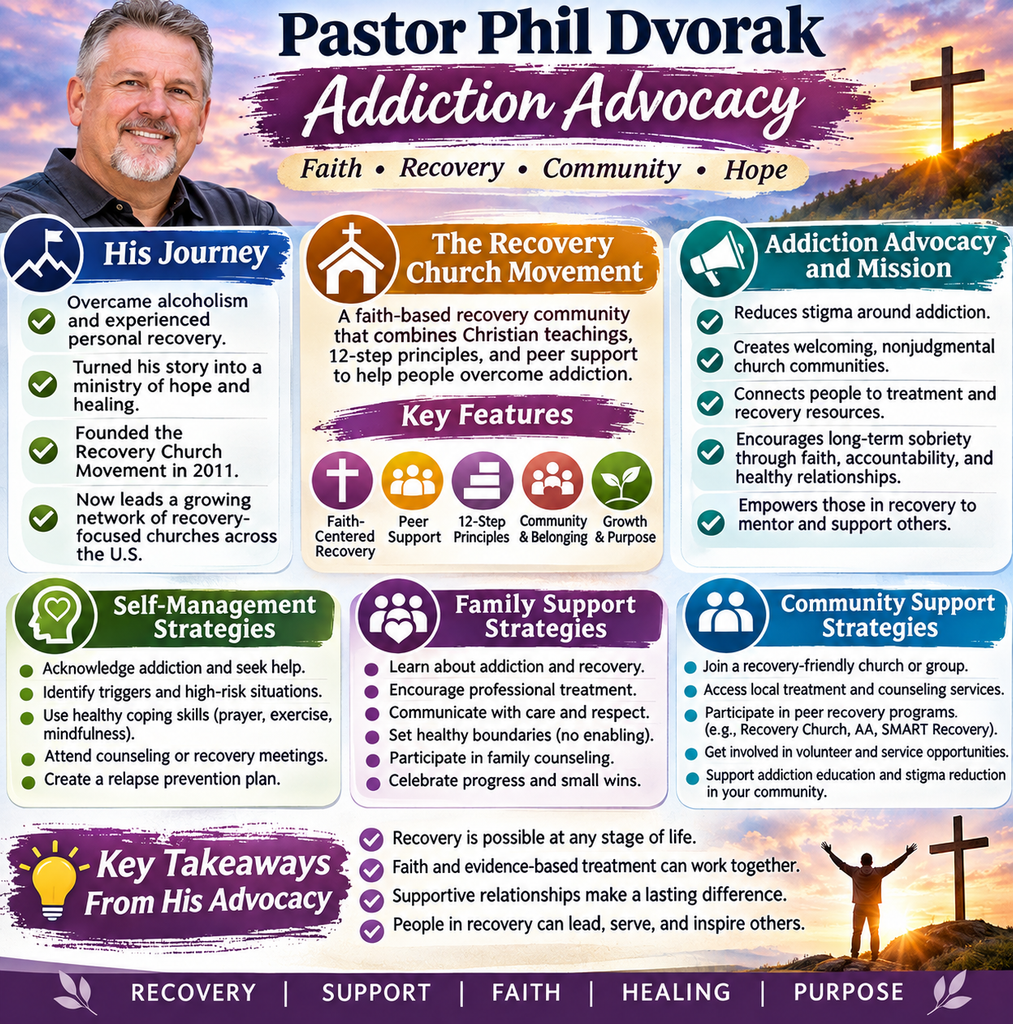
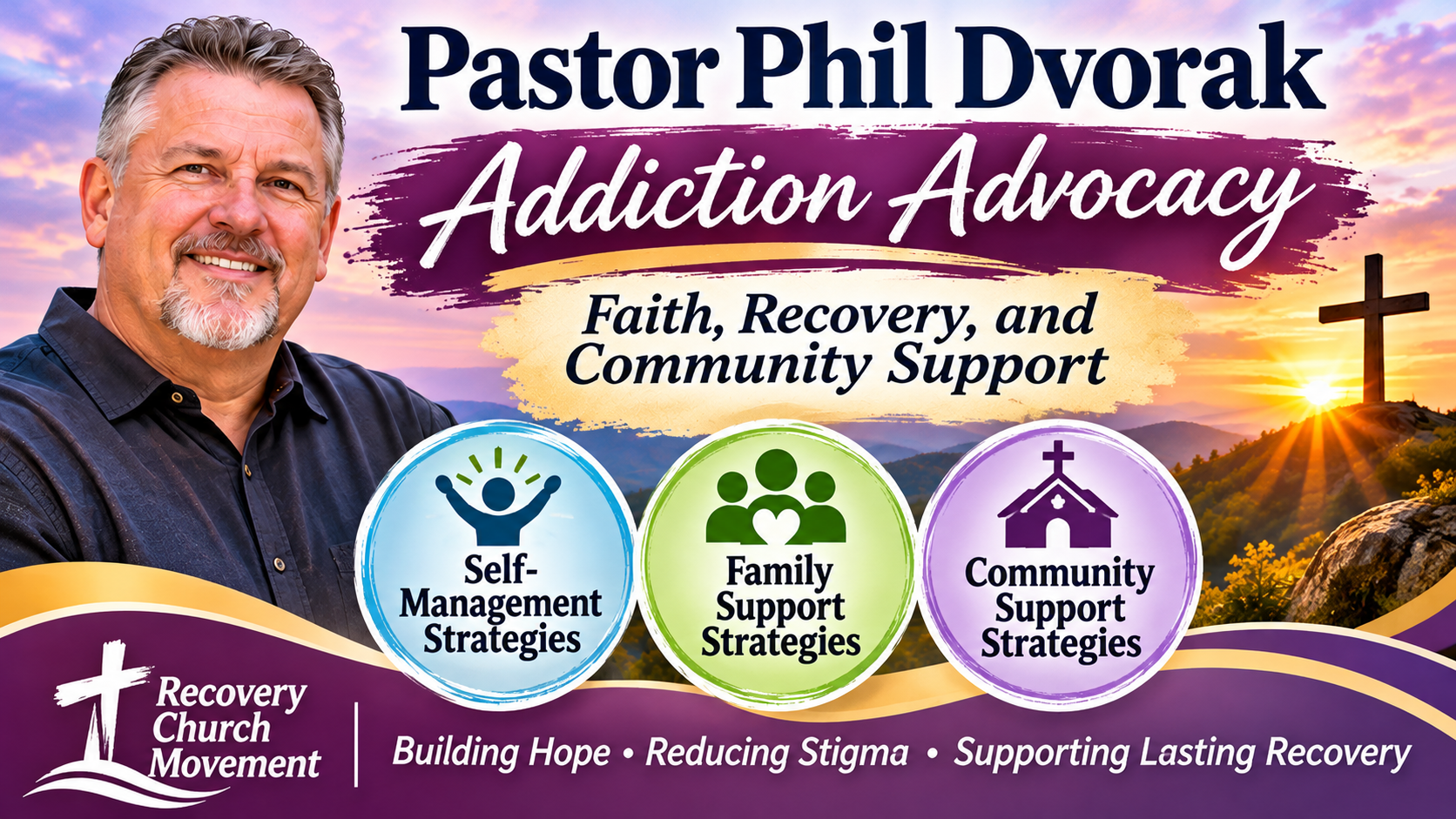
Pastor Phil Dvorak, also known as Philip Dvorak, has dedicated much of his ministry to helping individuals affected by alcohol and drug addiction. As the founder and president of Recovery Church Movement, he has helped establish faith-centered recovery communities that combine Christian teachings, 12-step principles, peer support, and personal accountability.
Dvorak has publicly discussed his own journey through alcoholism. His experience helped shape his belief that individuals recovering from addiction need more than temporary encouragement. They need supportive relationships, opportunities for personal growth, and communities where they feel accepted rather than judged. Stet News+1
His advocacy demonstrates an important message: Addiction does not have to define a person’s future. With treatment, faith, supportive relationships, and ongoing recovery efforts, individuals can rebuild their lives and discover renewed purpose.
Understanding Pastor Phil Dvorak’s Addiction Recovery Journey
Pastor Phil Dvorak is an ordained Christian minister, licensed mental health counselor, and addiction recovery advocate. His professional experience includes pastoral leadership, clinical counseling, and developing addiction treatment resources.
His personal experience with alcoholism influenced his approach to helping people struggling with substance use disorders.
In 2011, Dvorak began developing a recovery-focused ministry that would eventually become Recovery Church. The movement initially grew from services connected to an addiction treatment facility in Florida before expanding into community settings.
The early gatherings welcomed individuals who often felt uncomfortable attending traditional religious services because of their addiction histories. Participants were encouraged to discuss their struggles openly while developing spiritual connections and recovery support networks.
By the end of 2024, Recovery Church Movement had grown to 81 congregations, according to a July 2025 report. The organization has since continued expanding its recovery-centered ministry. Stet News+1
Important Lessons From His Journey
- Personal experiences with addiction can inspire meaningful advocacy.
- Shame and isolation can prevent individuals from seeking help.
- Recovery requires continued attention to emotional, physical, and spiritual well-being.
- Peer support can strengthen accountability and motivation.
- Faith communities can offer meaningful encouragement without replacing professional treatment.
- Helping others can provide a sense of purpose during long-term recovery.
Dvorak’s approach emphasizes that people experiencing addiction deserve opportunities to heal, regardless of their past experiences.
The Recovery Church Movement: Building Communities of Healing
Recovery Church Movement is a network of Christian recovery communities designed to support individuals affected by substance use disorders.
The organization integrates Christian teachings with principles associated with 12-step recovery programs.
Its mission is to help individuals strengthen their recovery while developing meaningful relationships and spiritual connections.
Unlike traditional religious environments where individuals may feel pressured to conceal their struggles, Recovery Church encourages openness about addiction and recovery.
Key Features of Recovery Church
- Faith-based recovery: Incorporating Christian teachings, prayer, and spiritual reflection.
- Peer support: Connecting individuals who understand the challenges of addiction.
- 12-step principles: Encouraging accountability, honesty, and personal growth.
- Community involvement: Helping participants build supportive relationships.
- Leadership opportunities: Encouraging individuals in recovery to mentor and assist others.
- Stigma reduction: Creating environments where people can seek help without shame.
Recovery Church describes itself as a bridge between 12-step fellowships and Christian churches. Recovery Church Movement
Although spiritual support can be valuable, individuals with substance use disorders may also need medical care, psychotherapy, and medications tailored to their conditions.
Self-Management Strategies: Building a Foundation for Lasting Recovery
Self-management is essential for maintaining progress after addiction treatment. It involves recognizing harmful behaviors, managing emotional triggers, developing healthier coping mechanisms, and maintaining accountability.
Dvorak’s advocacy emphasizes the importance of continued personal growth and connection with others.
1. Recognize Addiction as a Treatable Medical Condition
Alcohol and drug addiction involve changes in brain reward, motivation, stress, and decision-making systems.
Individuals may continue using substances despite harmful consequences because addiction can impair their ability to regulate substance-seeking behavior.
Recognizing addiction as a medical condition can reduce shame and encourage appropriate treatment.
Helpful actions include:
- Acknowledging problematic substance use.
- Seeking an evaluation from a healthcare professional.
- Identifying personal triggers and high-risk situations.
- Learning about evidence-based addiction treatment.
- Establishing realistic recovery goals.
2. Seek Professional Addiction Treatment
Recovery often requires more than willpower or spiritual motivation.
Depending on the substance and individual circumstances, treatment may include:
- Medically supervised withdrawal management.
- Cognitive behavioral therapy (CBT).
- Motivational interviewing.
- Individual or group counseling.
- Medication treatment for alcohol or opioid use disorder.
- Residential or outpatient rehabilitation.
For alcohol use disorder, medications such as naltrexone and acamprosate can support recovery.
For opioid use disorder, buprenorphine and methadone are effective medications that reduce overdose risk and improve treatment retention.
Important: Faith-based support should complement, rather than replace, medically indicated addiction treatment.
3. Develop Healthy Coping Mechanisms
Stress, loneliness, anxiety, and unresolved emotional difficulties can contribute to substance use and relapse vulnerability.
Individuals can develop healthier responses by:
- Practicing mindfulness, meditation, or prayer.
- Exercising regularly.
- Maintaining consistent sleep routines.
- Participating in counseling.
- Developing hobbies and meaningful activities.
- Building relationships with supportive individuals.
- Using relaxation techniques during stressful situations.
These strategies can improve emotional regulation and reduce reliance on substances as coping mechanisms.
4. Maintain Accountability and Relapse Prevention
Dvorak has emphasized the importance of recovery communities, mentorship, and helping others.
An effective relapse prevention plan should include recognizing warning signs, identifying triggers, and knowing when to seek additional support.
Helpful strategies include:
- Attending recovery meetings consistently.
- Working with a sponsor or recovery mentor.
- Maintaining regular treatment appointments.
- Developing a written relapse prevention plan.
- Establishing healthy boundaries.
- Contacting trusted supporters when cravings intensify.
A return to substance use should prompt timely reassessment of treatment needs rather than abandonment of recovery efforts.
Family Support Strategies: Helping Loved Ones Heal Together
Addiction affects entire families, not only the individual experiencing substance use problems.
Family members may experience emotional exhaustion, anxiety, financial difficulties, relationship conflicts, and uncertainty about how to provide meaningful support.
Dvorak’s recovery advocacy emphasizes connection, compassion, and accountability—principles that can also strengthen family relationships.
1. Encourage Treatment Without Judgment
Family members can help individuals recognize the importance of seeking professional care.
Instead of using blame or criticism, families can communicate concern and offer practical assistance.
Supportive approaches include:
- Discussing concerns calmly.
- Encouraging medical and psychological evaluations.
- Offering assistance with treatment appointments.
- Learning about substance use disorders.
- Recognizing that recovery may involve setbacks.
2. Establish Healthy Boundaries
Supporting someone with addiction does not mean accepting harmful behavior.
Healthy boundaries protect family members while encouraging personal responsibility.
Examples include:
- Refusing to provide money that may support substance use.
- Avoiding arguments when someone is intoxicated.
- Establishing clear expectations regarding household safety.
- Refusing to conceal harmful behavior.
- Seeking professional guidance when relationships become unsafe.
Boundaries should focus on safety and personal well-being rather than punishment.
3. Participate in Family Counseling
Family therapy can help address damaged trust, communication difficulties, and emotional distress.
Counseling may help families:
- Understand addiction-related behaviors.
- Develop healthier communication skills.
- Resolve conflicts.
- Recognize codependent or enabling patterns.
- Rebuild trust gradually.
- Establish realistic expectations for recovery.
4. Encourage Positive Family Connections
Meaningful family relationships can provide motivation and emotional stability during recovery.
Families can encourage alcohol-free activities, shared meals, outdoor recreation, and supportive conversations.
For individuals who value spirituality, attending religious services or participating in faith-based family activities may provide additional encouragement.
However, family members should respect individual beliefs and avoid making religious participation a condition of receiving support.
Community Support Strategies: Expanding Access to Recovery
Community involvement is central to Pastor Phil Dvorak’s advocacy.
Through the Recovery Church Movement, he has worked to create environments where individuals affected by addiction can develop friendships, receive encouragement, and participate in meaningful activities.
His work demonstrates how faith communities and recovery organizations can collaborate to address substance use disorders.
1. Establish Recovery-Friendly Churches
Religious organizations can support individuals with addiction by creating welcoming, informed, and compassionate environments.
Helpful initiatives include:
- Offering addiction awareness workshops.
- Providing confidential treatment referrals.
- Hosting recovery support meetings.
- Training church leaders about substance use disorders.
- Creating peer mentorship opportunities.
- Reducing judgmental language surrounding addiction.
2. Partner With Healthcare and Addiction Treatment Providers
Community organizations can strengthen recovery services by collaborating with qualified healthcare professionals.
Partnerships may involve:
- Addiction treatment centers.
- Primary care clinics.
- Mental health counselors.
- Hospitals and emergency departments.
- Peer recovery organizations.
- Housing and employment assistance programs.
These partnerships can help individuals address medical, psychological, and social barriers to recovery.
3. Promote Peer Recovery Support
People with lived experience of addiction can provide valuable encouragement to others.
Peer recovery specialists and mentors can help individuals navigate treatment, develop coping strategies, and maintain motivation.
Recovery Church’s emphasis on community participation reflects the value of shared experiences and mutual support.
4. Reduce Addiction-Related Stigma
Stigma can discourage individuals from seeking treatment and disclosing substance use problems.
Communities can challenge stigma by:
- Teaching that addiction is a treatable medical condition.
- Using respectful, person-centered language.
- Sharing recovery experiences with appropriate consent.
- Encouraging early intervention.
- Protecting confidentiality.
- Supporting individuals regardless of their treatment history.
5. Provide Opportunities for Purpose and Service
Meaningful activities can strengthen social connection and improve quality of life during recovery.
Volunteer work, mentorship, employment opportunities, and community involvement can help individuals develop confidence and a sense of belonging.
Dvorak’s work demonstrates how individuals in recovery can become leaders and advocates who support others facing similar challenges.
Challenges and Barriers in Addiction Recovery
Despite the availability of treatment and community support, individuals may encounter significant obstacles.
| Recovery challenge | Supportive strategy |
|---|---|
| Shame and stigma | Compassionate education and peer support |
| Limited treatment access | Community referrals and affordable healthcare services |
| Emotional distress | Counseling and healthy coping skills |
| Family conflict | Family therapy and clear boundaries |
| Social isolation | Recovery groups and supportive friendships |
| Relapse vulnerability | Ongoing treatment and prevention planning |
| Financial instability | Employment assistance and community resources |
| Spiritual struggles | Optional pastoral counseling alongside clinical care |
Addressing these challenges requires cooperation among individuals, families, healthcare professionals, and community organizations.
The Importance of Combining Faith and Evidence-Based Treatment
One of the central themes of Pastor Phil Dvorak’s advocacy is the relationship between spiritual growth and addiction recovery.
For some individuals, faith provides hope, meaning, forgiveness, and motivation to pursue healthier behaviors.
However, addiction is a complex medical condition that may require specialized clinical treatment.
A comprehensive recovery approach may include:
- Medical evaluation and appropriate medication.
- Individual or group psychotherapy.
- Peer recovery support.
- Family counseling.
- Social services and community assistance.
- Optional spiritual counseling and faith-based activities.
Integrating these resources can address multiple dimensions of recovery without assuming that spirituality alone is sufficient.
Lessons From Pastor Phil Dvorak’s Addiction Advocacy
Dvorak’s journey from personal experience with alcoholism to recovery ministry leadership offers several important lessons.
First, recovery can create opportunities for meaningful service. Individuals who have experienced addiction may use their knowledge to encourage others.
Second, community connection matters. Supportive relationships can reduce isolation and strengthen motivation to recover.
Third, honesty helps challenge stigma. Open discussions about addiction can encourage individuals to seek treatment earlier.
Fourth, recovery requires ongoing commitment. Maintaining progress involves developing healthy behaviors, seeking support, and responding appropriately to setbacks.
Finally, faith and professional healthcare can work together. Spiritual practices may strengthen motivation and emotional well-being while medical treatment addresses the clinical aspects of addiction.
Conclusion: Transforming Addiction Into Advocacy and Hope
Pastor Phil Dvorak’s addiction advocacy demonstrates how personal recovery experiences can inspire broader efforts to help individuals and families affected by substance use disorders.
Through the Recovery Church Movement, he has helped establish communities that emphasize faith, accountability, compassion, and connection.
His work highlights the importance of addressing addiction through multiple levels of support.
Self-management strategies help individuals recognize triggers, develop healthier coping mechanisms, and maintain recovery goals. Family support encourages understanding, emotional healing, and healthy boundaries. Community involvement creates opportunities for access to treatment, peer connection, and meaningful participation.
Dvorak’s advocacy also challenges communities to replace shame with compassion and isolation with supportive relationships.
Recovery is more than overcoming substance use. It is an opportunity to rebuild relationships, rediscover purpose, and create a healthier future.
Addiction Recovery Resources
Individuals and families seeking assistance can explore the following organizations:
- Recovery Church Movement — Faith-centered recovery meetings and community support.
- FindTreatment.gov — Locate substance use and mental health treatment services.
- Alcoholics Anonymous — Peer support for alcohol addiction.
- SMART Recovery — Recovery meetings and evidence-informed coping tools.
- Al-Anon Family Groups — Support for families affected by alcohol use.
SAMHSA’s National Helpline is available at 1-800-662-HELP (4357) for confidential treatment information and referrals.
Frequently Asked Questions and Answers
Pastor Phil Dvorak has become an advocate for addiction recovery through his leadership of the Recovery Church Movement. Drawing from his personal experience with alcoholism, his work emphasizes the importance of faith, peer support, accountability, and compassionate communities in helping individuals overcome substance use disorders.
His advocacy highlights how individuals affected by addiction can find purpose through recovery and helping others. The following frequently asked questions explore his personal journey, the Recovery Church Movement, and practical strategies for self-management, family support, and community support.
Understanding Pastor Phil Dvorak’s Addiction Advocacy
1. Who is Pastor Phil Dvorak?
Pastor Phil Dvorak, also known as Philip Dvorak, is a Christian minister, licensed mental health counselor, and addiction recovery advocate. He is the founder and president of the Recovery Church Movement, a faith-centered organization that supports individuals affected by alcohol and drug addiction.
His ministry emphasizes spiritual growth, peer recovery support, and building welcoming communities for individuals seeking sobriety.
2. Did Pastor Phil Dvorak personally struggle with addiction?
Yes. Dvorak has publicly discussed his experience with alcoholism and how recovery influenced his personal and professional mission.
His experience helped shape his commitment to supporting individuals who feel isolated, ashamed, or discouraged because of substance use disorders.
His advocacy demonstrates that people with lived experience of addiction can become powerful sources of encouragement and support.
3. What inspired Pastor Phil Dvorak to become an addiction advocate?
Dvorak’s personal recovery experience and his work in counseling and ministry helped inspire his addiction advocacy.
He recognized that individuals recovering from addiction often need continued encouragement, supportive relationships, and meaningful opportunities for personal growth.
His approach focuses on creating communities where individuals can openly discuss addiction without fear of rejection.
4. What is the Recovery Church Movement?
The Recovery Church Movement is a network of Christian recovery communities that incorporates faith, 12-step principles, and peer support.
Its purpose is to create welcoming environments where individuals affected by substance use disorders can develop spiritual connections, strengthen recovery skills, and build meaningful relationships.
Recovery Church is intended to complement other recovery resources rather than replace professional medical treatment.
5. When did Pastor Phil Dvorak establish Recovery Church?
Dvorak began developing the ministry that became Recovery Church in 2011, initially serving individuals connected with addiction treatment services in Florida.
The initiative expanded into a broader network of recovery-centered congregations.
Its growth reflects an interest in community-based approaches that combine spirituality and ongoing recovery support.
6. What makes Recovery Church different from traditional churches?
Recovery Church places addiction recovery at the center of its ministry.
Its approach includes:
- Open conversations about addiction and recovery.
- Christian teachings and spiritual reflection.
- Principles associated with 12-step recovery.
- Peer mentorship and accountability.
- Supportive relationships without unnecessary judgment.
- Opportunities for individuals in recovery to serve others.
Traditional churches may also provide these resources, but Recovery Church specifically organizes its activities around recovery-related needs.
7. What is Pastor Phil Dvorak’s main message about addiction?
A central message of Dvorak’s advocacy is that individuals experiencing addiction deserve compassion, connection, and opportunities for healing.
His work emphasizes that past substance use does not eliminate a person’s value or ability to build a meaningful future.
Recovery is possible, and no one should have to face addiction alone.
Self-Management and Long-Term Recovery
8. What self-management strategies support lasting addiction recovery?
Self-management involves developing healthy habits, recognizing triggers, and taking responsibility for ongoing treatment.
Helpful strategies include:
- Identifying situations that increase cravings.
- Attending counseling or recovery meetings.
- Practicing mindfulness, meditation, or prayer.
- Maintaining healthy sleep and exercise routines.
- Developing a written relapse prevention plan.
- Building relationships with supportive individuals.
- Seeking professional help when symptoms worsen.
These practices can complement medical treatment and help individuals maintain progress in recovery.
9. Can faith alone cure alcohol or drug addiction?
No. Although faith can provide hope, motivation, and emotional support, addiction is a complex medical condition that may require professional treatment.
Evidence-based treatment can include behavioral therapy, medications, withdrawal management, and ongoing clinical care.
Faith-based programs such as Recovery Church may complement these treatments by providing spiritual encouragement and social connection.
10. What role do 12-step programs play in Pastor Phil Dvorak’s advocacy?
The Recovery Church Movement supports participation in 12-step fellowships and encourages individuals to combine recovery principles with spiritual development.
The organization describes itself as a bridge between 12-step fellowships and Christian churches. Recovery Church Movement+1
Twelve-step participation may help individuals develop accountability, supportive friendships, and a commitment to recovery.
11. How can someone manage cravings during addiction recovery?
Cravings are common during recovery and do not necessarily indicate treatment failure.
Strategies include:
- Recognizing triggers and avoiding high-risk situations.
- Practicing breathing exercises and mindfulness.
- Contacting a recovery sponsor or trusted supporter.
- Engaging in physical activity or meaningful hobbies.
- Attending counseling and recovery meetings.
- Discussing medication options with an addiction specialist.
For alcohol use disorder, medications such as naltrexone or acamprosate may help. For opioid use disorder, buprenorphine and methadone are effective treatment options.
12. What should someone do after experiencing a relapse?
A return to substance use should be addressed promptly and compassionately.
Individuals should contact their treatment provider, assess immediate safety concerns, identify contributing triggers, and revise their recovery plan.
After a period of abstinence, opioid tolerance can decrease, increasing overdose risk if someone returns to previous doses. Access to naloxone is especially important for individuals at risk of opioid overdose.
Family Support Strategies
13. How can families support someone recovering from addiction?
Families can encourage recovery by creating supportive environments while maintaining healthy boundaries.
Helpful approaches include:
- Encouraging professional treatment.
- Listening without judgment.
- Learning about addiction as a medical condition.
- Participating in family counseling.
- Avoiding behaviors that conceal harmful substance use.
- Recognizing recovery milestones.
- Seeking emotional support for themselves.
Family encouragement can be valuable, but relatives cannot control another person’s recovery decisions.
14. Why are healthy boundaries important in addiction recovery?
Healthy boundaries help protect family members while encouraging accountability.
For example, families may establish expectations regarding substance use in the home, financial responsibilities, respectful communication, and personal safety.
Boundaries should be clear, consistent, and focused on well-being rather than punishment.
15. Can family relationships improve after addiction?
Yes. Relationships damaged by substance use can improve through sustained behavioral changes, honesty, counseling, and respectful communication.
However, rebuilding trust may take considerable time.
Recovery does not automatically restore relationships, and family members should not feel pressured to forgive or reconcile before they are ready.
16. How can families incorporate spirituality into recovery support?
Families who value spirituality may find comfort through prayer, worship, religious counseling, or participation in supportive faith communities.
Spiritual practices can encourage connection and hope, but they should remain voluntary and should not replace appropriate medical or psychological treatment.
Community Support and Addiction Advocacy
17. How does Pastor Phil Dvorak help reduce addiction-related stigma?
Dvorak’s advocacy encourages people affected by addiction to participate openly in supportive recovery communities.
Recovery Church emphasizes belonging, spiritual development, service, and shared recovery experiences.
Its model seeks to reduce isolation and provide individuals with opportunities to help others. Grow in Faith and Recovery+1
18. How successful has the Recovery Church Movement become?
Recovery Church has expanded beyond its beginnings in South Florida.
A July 2025 WLRN report documented 81 congregations at the end of 2024, with locations extending across the United States and into Canada and Costa Rica. WLRN
This demonstrates organizational growth, although the number of congregations alone does not establish clinical treatment outcomes.
19. Can people participate in Recovery Church while receiving professional addiction treatment?
Yes. Recovery Church is a faith-centered support community, not a substitute for medical care.
Individuals may participate in church activities while receiving outpatient counseling, medication treatment, residential care, or other professional services.
Combining appropriate clinical treatment with supportive community involvement can address different aspects of recovery.
20. How can churches become more supportive of individuals experiencing addiction?
Churches can develop recovery-friendly environments through education, compassionate communication, and partnerships with qualified treatment providers.
Practical initiatives include:
- Hosting addiction awareness workshops.
- Providing confidential treatment referrals.
- Supporting peer recovery meetings.
- Training religious leaders about substance use disorders.
- Offering family education programs.
- Promoting respectful, nonjudgmental language.
21. How does peer support improve addiction recovery?
Peer support connects individuals with others who understand the challenges of substance use and recovery.
It can provide encouragement, accountability, practical coping advice, and a sense of belonging.
Peer support is particularly valuable for individuals experiencing loneliness or limited social support, although it should not replace necessary clinical treatment.
22. Can individuals in recovery become addiction advocates?
Yes. People with lived experience can become recovery mentors, peer support specialists, educators, volunteers, and community leaders.
Sharing recovery experiences can help reduce stigma and encourage others to seek assistance.
However, individuals should set healthy boundaries and prioritize their own recovery before taking on demanding support roles.
Faith, Hope, and the Future of Recovery
23. What can other religious leaders learn from Pastor Phil Dvorak?
Dvorak’s advocacy illustrates how religious leaders can help create supportive environments for individuals affected by addiction.
Important lessons include recognizing addiction as a treatable condition, encouraging professional care, reducing stigma, and developing meaningful community partnerships.
His work also demonstrates how faith communities can support recovery without requiring individuals to conceal their struggles.
24. What is the most important lesson from Pastor Phil Dvorak’s addiction advocacy?
One of the most important lessons is that recovery can involve more than stopping substance use.
For many individuals, recovery also includes rebuilding relationships, improving emotional well-being, developing purpose, and strengthening community connections.
Dvorak’s work demonstrates how lived experience, compassionate leadership, and community participation can contribute to meaningful recovery support.
25. Where can individuals find Recovery Church meetings or other addiction resources?
Individuals interested in faith-based recovery can visit the Recovery Church Movement official website to explore its programs and locations.
Other resources include FindTreatment.gov for professional treatment, Alcoholics Anonymous for peer recovery, and SMART Recovery for mutual support.
SAMHSA’s National Helpline, 1-800-662-HELP (4357), also provides confidential treatment information and referrals.
Video: