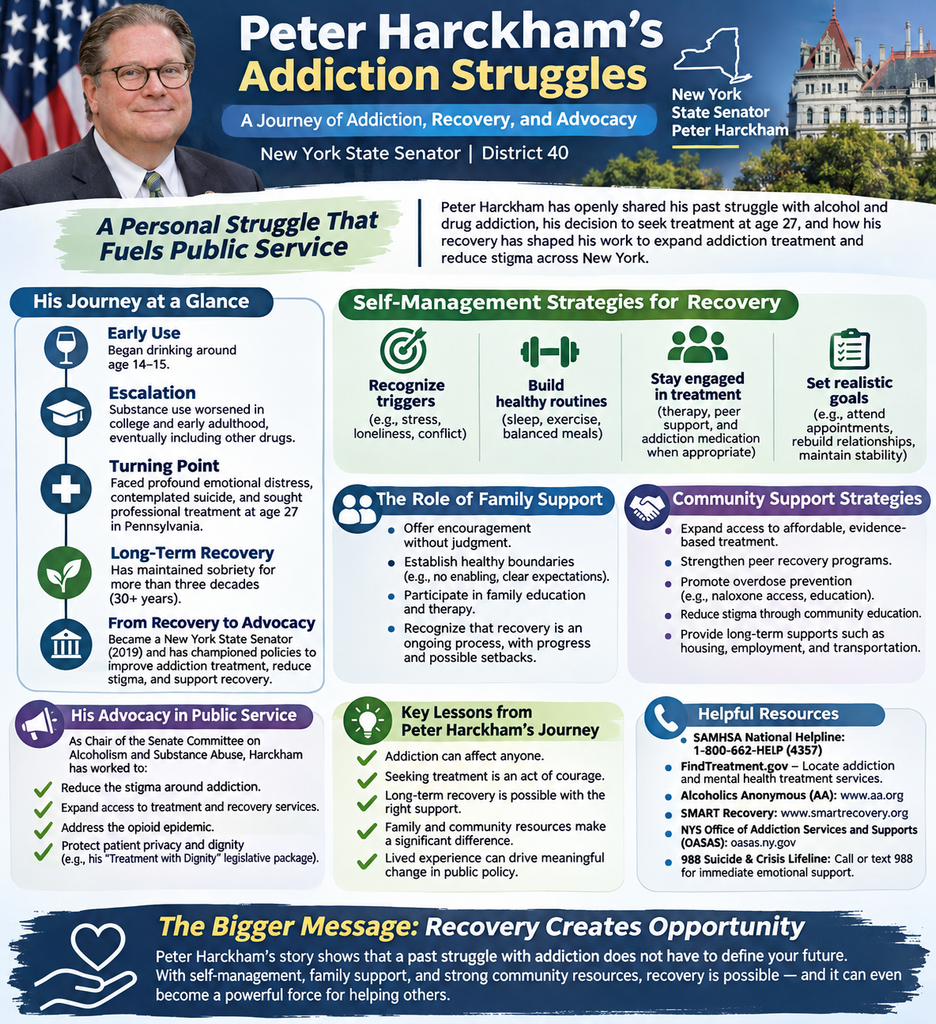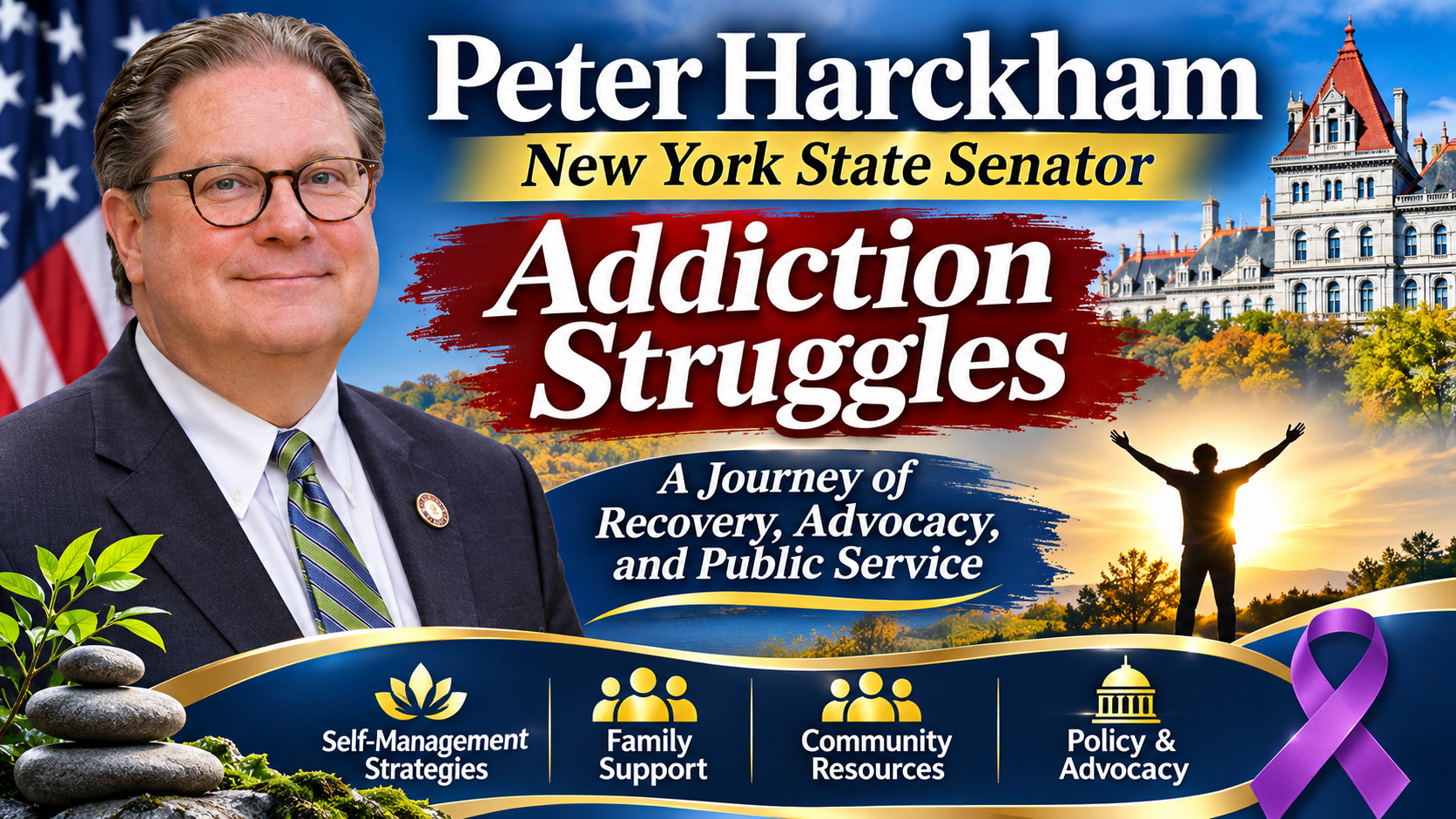
Addiction does not discriminate based on education, career achievements, financial resources, or social status. New York State Senator Peter Harckham’s journey illustrates how overcoming substance use disorder can inspire personal transformation and a lifelong commitment to helping others.
Harckham has openly shared his struggles with alcohol and drug addiction, describing the emotional challenges, physical dependence, and personal hardships he experienced during his younger years. At age 27, he sought professional treatment, marking the beginning of a recovery journey that would later influence his dedication to addiction treatment, public policy, and recovery advocacy.
During a March 2020 PBS interview, Harckham revealed that he had maintained sobriety for more than three decades. He emphasized the damaging effects of addiction-related stigma, which often discourages individuals from seeking help, and highlighted the importance of expanding access to effective treatment and recovery services.
His journey serves as a powerful reminder that addiction does not define an individual’s identity or limit their potential. Through evidence-based treatment, personal determination, and ongoing support, individuals can achieve lasting recovery, rebuild their lives, and transform personal adversity into a meaningful purpose that benefits others.
Peter Harckham’s Early Struggles With Addiction
Harckham’s experience with alcohol began during adolescence. In his 2020 interview with PBS, he recalled drinking around age 14 or 15. Although he initially managed to maintain some responsibilities, his drinking became increasingly problematic during college.
As he entered adulthood and began working in the advertising industry in New York City, his substance use escalated. What began as alcohol consumption eventually involved other substances, creating a cycle of dependence that became increasingly difficult to control.
Harckham described reaching a point where he wanted to stop using substances but found himself physically unable to do so. His experiences illustrate how addiction can progress from occasional use to a chronic condition involving tolerance, withdrawal, and compulsive substance use. PBS+1
Understanding the progression of addiction
Several factors can contribute to the development of substance use disorders:
- Early substance exposure: Drinking during adolescence can increase the risk of developing alcohol-related problems later in life.
- Increasing tolerance: Repeated substance exposure can lead individuals to require larger amounts to achieve similar effects.
- Physical dependence: The body adapts to repeated substance use, potentially producing withdrawal symptoms when use stops.
- Emotional distress: Some individuals use alcohol or drugs to temporarily relieve anxiety, depression, or other psychological symptoms.
- Loss of control: Continued substance use despite harmful consequences is a defining feature of addiction.
Harckham’s experience demonstrates how substance use disorders can develop gradually, sometimes remaining hidden until serious consequences occur.
Reaching a Turning Point: Choosing Treatment and Recovery
One of the most significant moments in Harckham’s recovery journey occurred when he recognized that his substance use had become unbearable.
During his PBS interview, he described experiencing profound emotional pain and contemplating suicide before deciding to seek help. He contacted someone for assistance and traveled to Pennsylvania the following day to enter treatment.
At age 27, he began the process of rebuilding his life through professional addiction treatment. PBS
His decision highlights an important principle: Seeking treatment is an act of courage and a critical step toward recovery.
Although everyone’s experience differs, recognizing the need for help can create an opportunity for meaningful change.
Lessons from his decision to seek treatment
- Recognizing addiction as a treatable medical condition can reduce shame and encourage help-seeking.
- Professional treatment can address physical dependence, psychological symptoms, and behavioral patterns.
- Asking for assistance can interrupt dangerous cycles of substance use.
- Recovery requires ongoing attention to emotional, physical, and social well-being.
- Access to treatment and continuing care can improve long-term outcomes.
Harckham’s experience also emphasizes that individuals should not have to reach a crisis before receiving treatment.
Self-Management Strategies for Long-Term Recovery
Self-management involves developing practical skills that help individuals maintain recovery, recognize warning signs, and respond effectively to challenges.
Harckham has publicly discussed the importance of treatment and continued recovery support. However, the specific daily coping techniques he personally uses have not all been publicly documented.
The following evidence-informed strategies are general recommendations inspired by the lessons of his journey, not claims about his personal routine.
A. Recognizing triggers and warning signs
Triggers are situations, emotions, or environments that increase the desire to use alcohol or drugs.
Common triggers include stress, loneliness, interpersonal conflict, exposure to substances, and unresolved emotional distress.
Helpful strategies include:
- Identifying situations associated with previous substance use.
- Keeping a journal to recognize emotional patterns.
- Practicing mindfulness and relaxation exercises.
- Developing a plan for managing cravings.
- Seeking professional assistance when warning signs appear.
Recognizing triggers does not eliminate cravings, but it can help individuals respond before they escalate.
B. Building healthy daily routines
Consistent routines can provide structure and reduce unnecessary stress during recovery.
Individuals may benefit from establishing regular sleep schedules, engaging in physical activity, eating balanced meals, and participating in meaningful activities.
Healthy routines support emotional regulation and overall wellness, although they do not replace evidence-based addiction treatment.
C. Participating in ongoing treatment
Substance use disorders often require continuing care, particularly when individuals experience co-occurring mental health conditions.
Treatment options may include:
- Cognitive behavioral therapy (CBT) to identify and change harmful thought patterns.
- Motivational interviewing to strengthen readiness for behavioral change.
- Relapse prevention counseling to develop coping strategies.
- Peer recovery support to encourage accountability and connection.
- Medications for alcohol or opioid use disorder when clinically indicated.
For alcohol use disorder, medications such as naltrexone, acamprosate, and disulfiram may be appropriate for selected patients.
For opioid use disorder, buprenorphine and methadone are effective treatments associated with reduced mortality.
Treatment should be individualized according to the patient’s medical history, substance use patterns, preferences, and recovery goals.
D. Setting realistic recovery goals
Recovery becomes more manageable when individuals focus on achievable goals rather than expecting immediate transformation.
Examples include attending scheduled appointments, practicing coping skills, rebuilding relationships, and creating healthier financial or occupational routines.
Small improvements can strengthen confidence and reinforce long-term behavioral change.
The Role of Family Support in Addiction Recovery
Addiction affects more than the individual experiencing substance use disorder. Family members may experience anxiety, frustration, emotional exhaustion, financial stress, and uncertainty about how to help.
In Harckham’s case, he acknowledged that his substance use had become apparent to people close to him, including family members, during his early adulthood. However, the detailed role of his family in treatment and recovery has not been publicly established. PBS
His story provides an opportunity to explore how families can support loved ones experiencing addiction.
A. Providing encouragement without judgment
Families can encourage treatment by approaching addiction with empathy rather than blame.
Supportive communication may involve listening without interrupting, expressing concern calmly, and recognizing the individual’s willingness to seek help.
Statements that communicate compassion and hope may be more productive than criticism or threats.
B. Establishing healthy boundaries
Supporting someone with addiction does not mean ignoring harmful behavior.
Families should establish boundaries that protect their emotional, physical, and financial well-being.
Examples include:
- Refusing to provide money that may directly support harmful substance use.
- Establishing expectations for respectful communication.
- Avoiding covering up dangerous or destructive behaviors.
- Encouraging professional treatment rather than attempting to manage addiction alone.
- Seeking counseling when family relationships become strained.
Healthy boundaries promote responsibility while preserving opportunities for connection.
C. Participating in family education and therapy
Family therapy can improve communication, address conflict, and help relatives understand substance use disorders.
Educational programs can also teach families about cravings, relapse risk, overdose prevention, and available treatment options.
Support organizations such as Al-Anon, SMART Recovery Family & Friends, and other family-focused programs may provide additional guidance.
D. Recognizing recovery as an ongoing process
Recovery is not always linear. Some individuals experience setbacks, while others maintain long periods of remission.
Families can help by celebrating progress, encouraging continued treatment, and responding to setbacks without shame.
The goal is to create a supportive environment that promotes safety, accountability, and sustainable recovery.
5. From Addiction Recovery to Public Service
Harckham’s personal experiences eventually influenced his approach to public service.
After entering the New York State Senate in 2019, he chaired the Senate Committee on Alcoholism and Substance Abuse and participated in efforts to address the opioid epidemic.
In January 2020, he publicly disclosed his history of addiction while discussing statewide efforts to improve treatment access.
During his PBS interview, Harckham explained that stigma was one of the greatest barriers identified by the state’s opioid task force. He believed that publicly sharing his experience could help challenge negative perceptions of people with substance use disorders. PBS
His advocacy has focused on recognizing addiction as a public health concern rather than treating it primarily as a criminal justice problem.
Key areas of his addiction advocacy
- Reducing stigma: Encouraging communities to view addiction as a medical condition requiring treatment.
- Expanding treatment access: Supporting policies that reduce financial and administrative barriers to care.
- Improving recovery services: Promoting comprehensive treatment and continuing support.
- Addressing opioid overdoses: Supporting public health responses to overdose-related deaths.
- Protecting patient dignity: Advocating for respectful and appropriate treatment environments.
In September 2021, Harckham announced a legislative package called Treatment with Dignity, designed to address barriers involving treatment costs, patient privacy, and continuity of care. These were legislative proposals at the time of announcement, not necessarily enacted laws. NYSenate.gov
His public service illustrates how lived experience can help inform policy discussions and encourage more compassionate healthcare systems.
Community Support Strategies: Creating Opportunities for Recovery
Although personal determination and family encouragement are valuable, recovery outcomes are also influenced by community resources.
Harckham has acknowledged that his own recovery benefited from access to insurance, employment, transportation, medications, and aftercare services. He also recognized that many individuals experiencing addiction do not have access to those same advantages. PBS
His observations emphasize the importance of building recovery-oriented communities.
A. Improving access to addiction treatment
Communities can support recovery by expanding affordable and evidence-based treatment programs.
Important services include outpatient counseling, residential treatment when clinically appropriate, medications for substance use disorders, and integrated mental health services.
Treatment should be accessible regardless of socioeconomic status.
B. Expanding peer recovery programs
Peer recovery specialists use their lived experiences to support individuals navigating addiction treatment and recovery.
Peer programs may provide:
- Emotional encouragement and practical guidance.
- Assistance connecting with healthcare professionals.
- Support following treatment discharge.
- Help accessing housing, employment, and transportation.
- Opportunities to develop positive social relationships.
Peer support complements professional care and can help individuals remain connected to recovery resources.
C. Supporting overdose prevention initiatives
Communities can reduce overdose-related harm through education, naloxone distribution, and improved access to opioid use disorder treatment.
Naloxone can reverse opioid overdoses when administered promptly, although emergency medical assistance remains essential.
Public education should also address the dangers of fentanyl contamination and the increased overdose risk associated with returning to opioid use after a period of reduced tolerance.
D. Promoting education and reducing stigma
Negative attitudes toward addiction can discourage people from disclosing substance use problems or seeking help.
Community education can challenge misconceptions by explaining the biological, psychological, and social factors involved in addiction.
Schools, healthcare organizations, workplaces, faith communities, and local advocacy groups can help reduce stigma.
E. Strengthening long-term recovery resources
Sustainable recovery often requires more than completing an initial treatment program.
Communities should support access to stable housing, employment opportunities, transportation, continuing healthcare, and recovery-friendly social environments.
These resources help address the social conditions that may interfere with treatment participation and long-term stability.
7. Challenges and Barriers to Addiction Recovery
Harckham’s experiences reveal that recovery involves both personal challenges and systemic obstacles.
Even when individuals are motivated to seek treatment, they may encounter barriers that prevent them from receiving appropriate care.
Common barriers include:
- Stigma and discrimination: Fear of judgment can discourage disclosure and treatment.
- Financial limitations: Insurance restrictions, treatment expenses, and lost income can interfere with care.
- Limited treatment availability: Some communities lack sufficient addiction specialists or treatment facilities.
- Co-occurring mental health conditions: Depression, anxiety, trauma-related symptoms, and other disorders may complicate recovery.
- Unstable housing: Housing insecurity can make treatment attendance and recovery planning difficult.
- Insufficient continuing care: Limited follow-up support may increase the likelihood of disengagement from treatment.
Addressing these barriers requires collaboration among healthcare providers, policymakers, community organizations, and individuals with lived experience.
8. Lessons From Peter Harckham’s Recovery Journey
Harckham’s story offers several important lessons for individuals, families, healthcare professionals, and community leaders.
First, addiction can affect people from every background. Professional achievements and social status do not eliminate vulnerability to substance use disorders.
Second, early intervention matters. Harckham began drinking during adolescence, but his substance use became increasingly severe as he entered adulthood. His experience demonstrates the importance of recognizing warning signs before addiction progresses.
Third, professional treatment can change lives. His decision to seek help at age 27 became a turning point, allowing him to pursue a different future.
Fourth, stigma remains a major obstacle. By publicly discussing his addiction history, Harckham challenged the misconception that people with substance use disorders cannot become successful professionals or community leaders.
Finally, recovery can create opportunities for advocacy. His experience has helped shape his commitment to improving addiction treatment policies and reducing barriers to care.
9. Resources for Individuals and Families Affected by Addiction
People experiencing substance use disorders do not need to navigate recovery alone.
Several national organizations provide education, treatment referrals, and ongoing support.
- SAMHSA National Helpline: 1-800-662-HELP (4357), offering confidential treatment referrals and information.
- FindTreatment.gov: Find addiction and mental health treatment services.
- Alcoholics Anonymous: Find AA meetings and recovery resources.
- SMART Recovery: Explore evidence-informed recovery meetings and tools.
- New York State Office of Addiction Services and Supports: Explore New York addiction treatment and recovery resources.
- 988 Suicide & Crisis Lifeline: Call or text 988 for immediate emotional support during a mental health or suicidal crisis.
People who drink heavily every day or have a history of alcohol withdrawal seizures should seek medical guidance before abruptly stopping alcohol, because withdrawal can be life-threatening.
Conclusion: Turning Personal Struggles Into Hope for Others
Peter Harckham’s addiction and recovery journey demonstrates the importance of recognizing substance use disorders as treatable medical conditions rather than personal failures.
From struggling with alcohol and drugs during adolescence and early adulthood to seeking professional treatment and eventually serving in the New York State Senate, his experiences reflect the possibility of meaningful, lasting change.
His decision to publicly discuss addiction has also contributed to broader conversations about stigma, treatment accessibility, and the need for compassionate public health policies.
For individuals experiencing addiction, his story reinforces the value of self-management, professional treatment, and ongoing recovery support. For families, it emphasizes empathy, healthy boundaries, and education. For communities, it highlights the responsibility to expand access to treatment and create environments where people can seek help without fear of judgment.
Recovery is not simply about leaving substance use behind. It is about rebuilding health, restoring relationships, discovering purpose, and creating opportunities for a better future.
Peter Harckham’s journey reminds us that a person’s past struggles do not have to define their future—and that lived experience can become a powerful force for helping others.
Frequently Asked Questions and Answers
Understanding Peter Harckham’s Addiction History
1. Who is Peter Harckham?
Peter Harckham is an American politician serving as a New York State Senator representing the 40th Senate District. He began serving in the State Senate in 2019 and has worked on legislation addressing addiction treatment, mental health, environmental protection, and community well-being.
He is also known for openly discussing his personal history of substance use disorder and recovery.
2. Did Peter Harckham struggle with addiction?
Yes. Harckham has publicly acknowledged experiencing alcohol and drug addiction during his younger years. He has discussed how his substance use progressed and eventually became difficult to control.
His experiences helped shape his understanding of addiction as a medical and public health issue.
3. At what age did Peter Harckham begin drinking alcohol?
Harckham has stated that he began drinking around age 14 or 15. His alcohol consumption became increasingly problematic during college and early adulthood.
Early exposure to alcohol is associated with an increased risk of developing alcohol use disorder later in life, although not everyone who drinks during adolescence develops addiction.
4. What substances did Peter Harckham struggle with?
Harckham has publicly discussed problems involving alcohol and other drugs. His accounts describe an escalation of substance use during college and his early professional life.
It is important not to assume specific substances or diagnoses beyond what he has personally disclosed.
5. How did addiction affect Peter Harckham’s life?
Harckham described experiencing significant emotional distress and difficulty controlling his substance use.
His addiction eventually reached a point where he recognized that he needed professional assistance.
His experience demonstrates that substance use disorders can affect physical health, emotional stability, relationships, and professional responsibilities.
6. What motivated Peter Harckham to seek addiction treatment?
Harckham has described reaching a personal crisis involving severe emotional distress and thoughts of suicide.
Recognizing the seriousness of his situation, he contacted someone for help and entered professional addiction treatment.
His decision illustrates the importance of seeking assistance when substance use becomes difficult to manage.
7. How old was Peter Harckham when he entered addiction treatment?
Harckham has stated that he entered addiction treatment at approximately age 27.
He traveled to Pennsylvania to receive professional care, marking an important turning point in his recovery journey.
8. How long has Peter Harckham been sober?
In a March 2020 public interview, Harckham reported maintaining sobriety for more than three decades.
That statement documents his recovery status at the time of the interview. His precise current sobriety duration should not be assumed without a more recent confirmation.PBS
Recovery and Self-Management Strategies
9. What helped Peter Harckham achieve long-term recovery?
Harckham has credited access to professional treatment, healthcare coverage, employment, transportation, medication, and aftercare services as important resources during his recovery.
He has also emphasized that many individuals experiencing addiction lack access to these essential services. His experience illustrates why comprehensive treatment and continued support are important for maintaining recovery. PBS
10. What self-management strategies can help individuals recover from addiction?
Effective self-management strategies include:
- Identifying triggers associated with alcohol or drug use.
- Establishing healthy sleep, nutrition, and exercise routines.
- Participating in counseling and recovery support groups.
- Developing coping strategies for stress and cravings.
- Following prescribed addiction treatment medications when appropriate.
- Creating a personalized relapse prevention plan.
These are general evidence-informed recommendations, not necessarily the specific techniques Harckham used.
11. Did Peter Harckham experience mental health challenges during addiction?
Yes. Harckham publicly described experiencing severe emotional distress, isolation, and suicidal thoughts before seeking addiction treatment.
His experience highlights the importance of assessing mental health symptoms alongside substance use disorders. However, these disclosures should not be interpreted as confirmation of a specific psychiatric diagnosis. PBS
12. Can someone maintain long-term sobriety after severe addiction?
Yes. Long-term recovery is possible, even after severe substance use disorders.
Recovery outcomes improve when individuals have access to appropriate treatment, supportive relationships, stable housing, and continuing care.
Harckham’s reported decades of sobriety provide an example of the possibility of sustained recovery.
13. What should someone do if they experience cravings or fear relapse?
Cravings are common during recovery and do not automatically indicate that someone will return to substance use.
Helpful strategies include contacting a trusted supporter, leaving triggering environments, practicing relaxation techniques, and discussing recurring cravings with a healthcare professional.
Individuals experiencing persistent cravings may benefit from adjustments to counseling, medication, or their recovery plan.
Family Support and Relationships
14. How did Peter Harckham’s addiction affect his family?
Harckham stated that his substance use had become apparent to family members and others close to him during his early twenties.
Although he has discussed the isolation associated with addiction, detailed information about his family’s involvement in treatment has not been publicly established. PBS
15. How can families support a loved one struggling with addiction?
Families can provide meaningful support through compassion, education, and healthy boundaries.
Helpful approaches include:
- Encouraging professional addiction treatment without judgment.
- Listening to concerns and acknowledging emotional distress.
- Avoiding behaviors that directly enable dangerous substance use.
- Participating in family counseling when appropriate.
- Learning about overdose prevention and relapse warning signs.
- Recognizing and celebrating progress during recovery.
Family members should also prioritize their own mental health and emotional well-being.
16. What should families avoid when helping someone with addiction?
Families should avoid shaming, threatening, or blaming someone for having a substance use disorder.
They should also avoid attempting to manage severe withdrawal without medical guidance or assuming that relapse represents a lack of motivation.
A supportive approach combines empathy with accountability and appropriate professional assistance.
17. Why are healthy boundaries important during addiction recovery?
Healthy boundaries help protect family relationships while encouraging personal responsibility.
Boundaries may involve expectations about respectful behavior, financial assistance, household safety, and treatment participation.
Establishing boundaries does not mean withdrawing love or support. Instead, it creates a safer and more predictable environment for everyone involved.
Video: