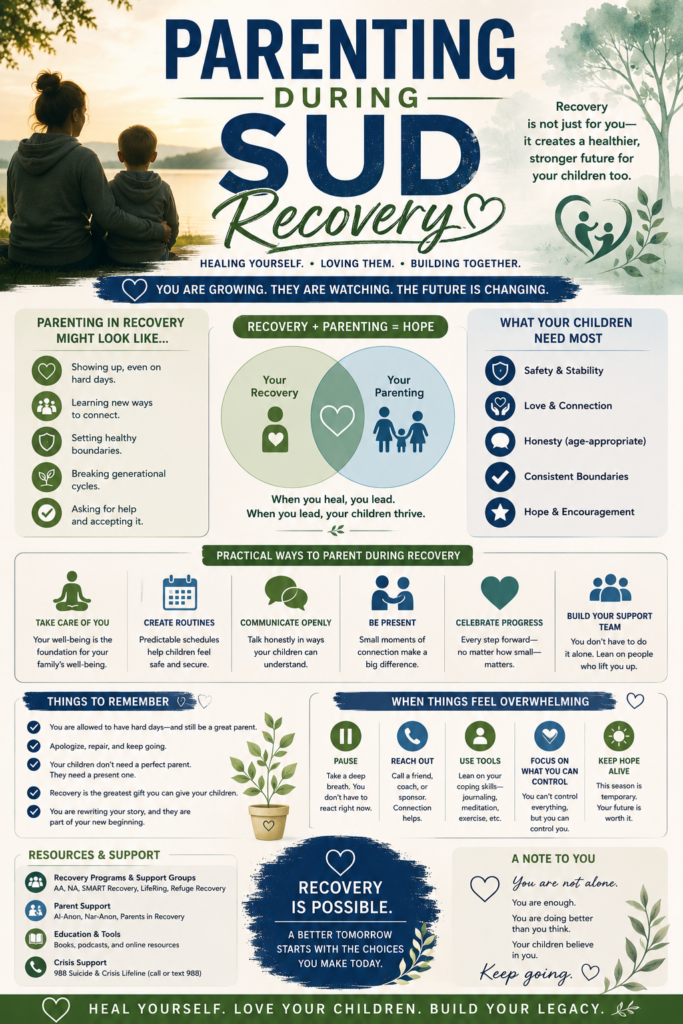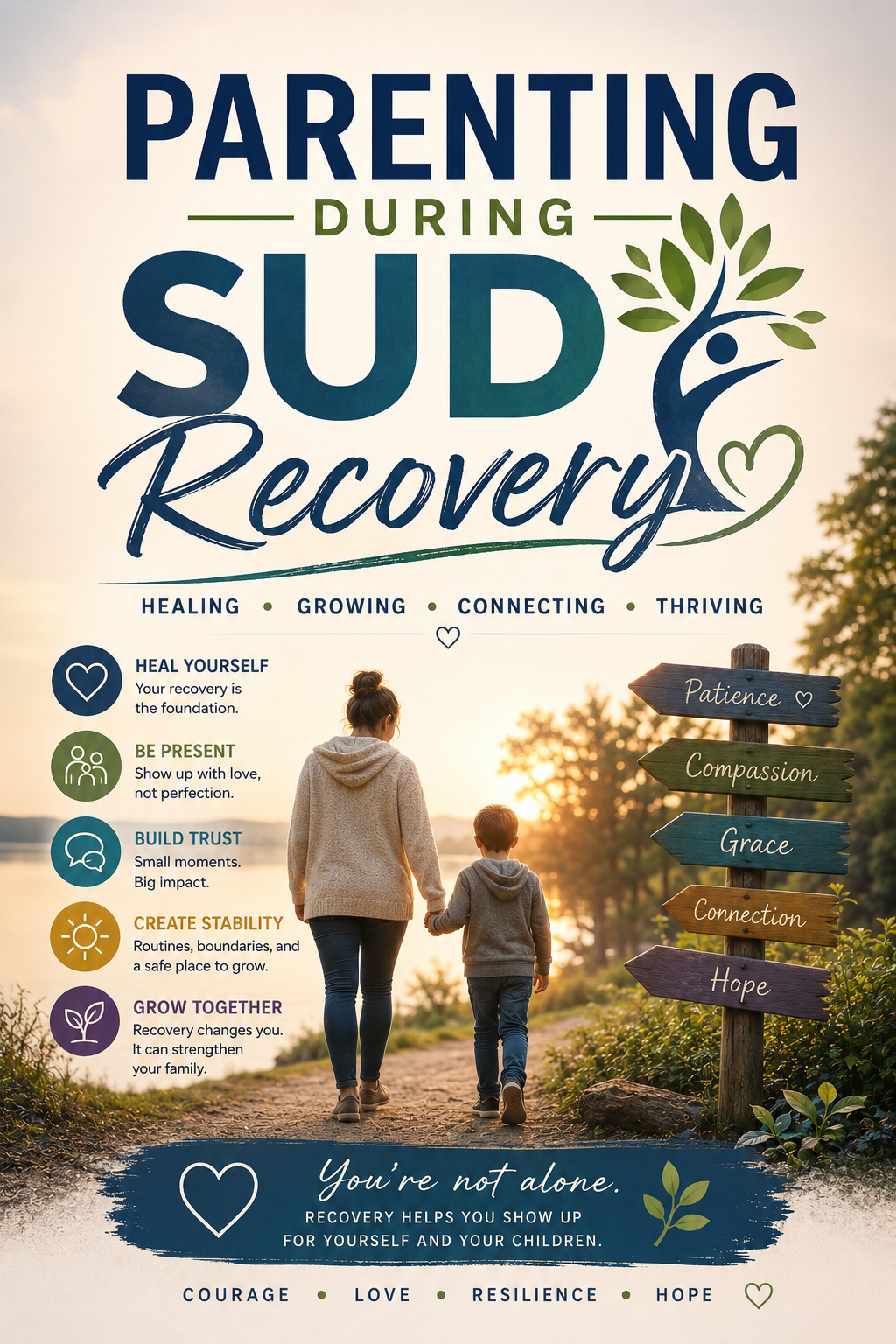
Parenting during recovery from substance use is a ride full of ups and downs. For people like me who’ve struggled with addiction, being a present and loving parent is really important, but recovery brings its own set of challenges, especially when kids are in the mix. If you find yourself steering through sobriety while raising children, you’re definitely not alone. I want to share some practical advice and words of encouragement from my own experience to help make the road a bit smoother.
What Recovery Means for Parents
Recovery isn’t just about quitting substances; it’s about getting your life and your family back on track. When there are kids depending on you, every choice you make feels more meaningful. Many parents carry guilt from past actions or worry about how their recovery adventure affects their children. It’s normal to feel this way, but it’s important to focus on progress rather than perfection.
Statistics from organizations like the Substance Abuse and Mental Health Services Administration (SAMHSA) show that millions of parents in the U.S. are in recovery, and more are seeking help every year. The reason for this growing number? People have realized that it’s possible to break the cycle and build healthier families, even after addiction has disrupted home life.
Recovery is layered for parents—it means reshaping home routines, rekindling family trust, and sometimes forging new relationships with loved ones who may have been affected by addiction. Every day, parents juggle the demands of self-care with meeting their children’s needs, all while learning new coping skills.
Building a Supportive Environment for Your Family
One thing I learned early in recovery is that your environment can make or break your success. Creating a safe, stable home helps both you and your kids adjust to new routines:
- Clear structure: Kids thrive on routines. Set regular mealtimes, bedtimes, and family activities to give your children a sense of security.
- Open communication: Depending on their age, talk honestly but simply about your recovery. Kids usually sense when something is different, so gentle honesty can be very reassuring.
- Safe space: Remove substances and triggers from home. If old friends or habits make you feel at risk, establish boundaries for your own well-being and your child’s peace of mind.
It took me a while to realize that I couldn’t do it all by myself. Family support, friends, neighbors, and in some cases, counselors or peer groups, play a huge role in helping parents stay accountable and feel understood.
Don’t hesitate to involve your kids in creating a positive space; something as simple as decorating together or starting new family traditions can help everyone feel included and hopeful about the future. A safe, warm environment not only supports your recovery but also provides your kids with the security they need.
Everyday Parenting Challenges in Recovery
Parenting comes with plenty of rough days, regardless of your recovery status. Here are some typical hurdles I’ve faced, with tips that have helped me manage:
- Dealing with guilt: Feeling guilty about the past can weigh you down. I found it helpful to remind myself that change is what matters most now. Showing up, apologizing when needed, and modeling positive growth leaves a big impression on kids.
- Handling stress: Stress is a big trigger for relapse. Breathwork, short walks, and connecting with a recovery buddy help keep me grounded when parenting feels overwhelming.
- Balancing self-care age-appropriately: Taking care of yourself isn’t selfish; it’s necessary. Scheduling time for support meetings, therapy, or just quiet time has made me a better parent in the long run.
Managing Triggers and Cravings When Kids Are Around
Triggers and cravings don’t magically disappear just because you’re a parent. Sometimes, a bedtime meltdown or a tough school meeting can be enough to make old habits seem tempting. If you find yourself in this spot, try these steps:
- Step back for a breather if it’s safe to do so.
- Have a go-to playlist, calming spot, or quick mindfulness trick ready.
- Reach out to your support network, even just by text.
Kids pick up on your moods, but they also learn from how you care for yourself. It shows them resilience and healthy coping. Gradually, your ability to handle triggers with healthy responses will show your family that difficulties can be tackled without turning to substances.
Tips for Honest Conversations With Kids
Talking to children about recovery takes some tact and sensitivity. Their age and maturity matter a lot, but here are a few strategies that worked for me:
- Be age-appropriate12-step: Small kids just need to know you’re working on being healthier. Teens may need more detailed honesty.
- Emphasize safety: Let them know that keeping them safe and happy is your top priority.
- Keep talking: Don’t make recovery a onetime lecture. Answer questions as they come, and let them know they can always talk to you.
Sometimes I brought in a family counselor to help with tough conversations. Having a professional present made it easier for everyone to share openly. There were moments when the kids didn’t have questions at first but came back days later to talk more. Knowing that the door is always open builds trust.
Getting Help: Useful Resources For Parents in Recovery
No one expects you to have all the answers or handle everything on your own. Here are some resources worth checking out if you’re in recovery and raising children:
- SAMHSA (Substance Abuse and Mental Health Services Administration) – Family Resources
- Child Welfare Information Gateway – Parent Support
- Therapy and family counseling services
- 12-step groups with special sessions for parents
- Online forums for sober parents
Support groups for parents in recovery are really useful. There’s something comforting about hearing from other parents who can relate to your situation, even if it’s just through a shared laugh or an honest venting session. Local community centers or places of worship may also offer support networks for families.
What Helps: Actionable Steps for Parenting in Recovery
- Set achievable goals. Focus on one day at a time, like sticking to a bedtime routine or attending a recovery group.
- Ask for help when needed. Whether it’s school pickup, meals, or a listening ear, leaning on others is part of the process.
- Celebrate progress. Even small wins, like making it through a tough day sober, deserve a quiet “good job” to yourself.
- Keep learning. Parenting classes, support circles, and books on both recovery and parenting offer fresh strategies.
- Prioritize health. Nutrition, movement, and sleep are super important for both your recovery and your family.
There are days that feel overwhelming, but focusing on small, manageable steps is what keeps things moving forward in my home. Remember, letting your kids see you keep going, even on hard days, teaches them to be persistent and hopeful.
Common Obstacles and How To Overcome Them
- Lack of time. Parenting and recovery both require time, which is often in short supply. It helped me to combine self-care and family time, like taking walks together or introducing meditation with my kids.
- Financial stress. Recovery sometimes means rebuilding your financial situation. Seek out community resources for child care, food support, and job training if you need them.
- Fear of stigma. Many parents fear being judged by others for their recovery. Remember, you’re not alone, and seeking help is something to be proud of. Connecting with parents who are open about their adventure made a big difference for me.
Other parents have shared that reaching out to supportive networks, such as sober parenting groups or local recovery initiatives, has helped them face stigma and isolation. It’s okay to be honest about your journey and share your successes as well as your setbacks.
When Coparenting or Single Parenting
Recovery can look different for single parents or those with complicated coparenting arrangements. Setting clear boundaries, keeping communication civil, and focusing on what’s best for your child help keep the course steady. For single parents, tapping into community support and accepting help, even if it’s hard at first, lightens the load a bit. Remember, kids, benefit when they see adults respect each other’s space and roles, even if families don’t look traditional.
Frequently Asked Questions
How do I handle bad days in recovery while parenting?
It’s totally normal to have rough days. When I’m struggling, I try to keep the basics going: simple meals, bedtime routines, and safe boundaries. If I make a mistake, I own it and move forward. Most kids appreciate honesty and consistency more than perfection.
Should I talk to my kids about my addiction?
It’s best to be honest at a level kids can handle. For younger children, focus on health and safety changes. Older kids may need to know more, especially if it affects routines or relationships.
What if I relapse?
No one wants to relapse, but if it happens, reach out for support immediately. Kids need to see that getting back on track is always possible. Relapse doesn’t erase the good work you’ve done so far.
Making Recovery Work for Your Family
Parenting in recovery is a long road, but it’s full of moments worth cherishing. Your kids learn resilience, hope, and understanding from seeing you work hard on your sobriety. They don’t need a perfect parent, just one who keeps showing up, willing to heal and grow.
Dedicating yourself to both recovery and parenting is an ongoing process. Little by little, positive choices build a healthier family dynamic. No matter where you are on your adventure, you’re a valuable part of your child’s life, and every day is a chance for fresh connection and growth.
Video: Parenting During SUD Recovery