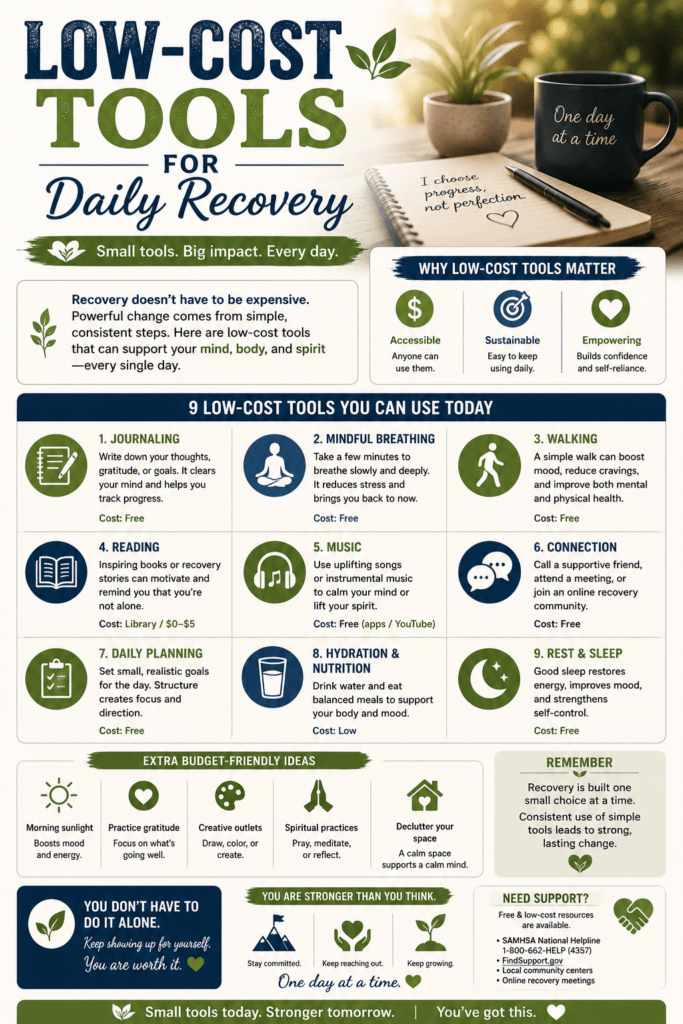
Low-cost recovery tools can make a real difference when you’re dealing with stress, physical exhaustion, or even mild aches from daily life. You don’t have to spend a ton to get good benefits, and I’ve found quite a few affordable options to help with recovery. Whether after a tough workout, a long shift, or just a busy day, what matters is picking the right tools and knowing how to use them for your specific needs.
Why Recovery Matters (Even with a Tight Budget)
Recovery isn’t something only pro athletes need to think about. Daily recovery helps your body repair itself, keeps soreness under control, and helps you bounce back more quickly, no matter what caused the stress or tension. People often skip recovery because they think it’s expensive or time-consuming, but that’s not really the case. The benefits include better sleep, reduced muscle soreness, fewer nagging pains, and a generally better mood. Pretty solid reasons to take it seriously, even if you’re not training for a marathon.
Market interest in affordable recovery tools continues to grow. Home fitness and general wellness have both seen a boost in easy, budget-friendly gear that you can use anywhere. There are many practical options, even for people just looking to stay comfortable during daily routines or work-from-home setups.
Investing in a few good tools doesn’t mean you’re devoting hours to stretching and rolling. It means giving yourself quick, simple fixes that can help you move better and feel less stressed any day of the week.
Top Low-Cost Recovery Tools Worth Checking Out
I’ve tried quite a few budget-friendly recovery tools over the years, and some consistently stand out for their value and effectiveness. You don’t need to fill your closet with gear. Just a couple of these tools can give you plenty of options for daily recovery, from simple muscle relief to improved circulation or flexibility.
- Foam Rollers: These help with muscle knots, tightness, and general soreness. Basic models are affordable and work well for all kinds of people, whether you’re an athlete or someone who sits at a desk a lot.
- Massage Balls: Great for targeting tough spots such as the back, hips, and shoulders. They’re easy to stash in a bag for work or travel, too.
- Stretching Straps: Handy for increasing flexibility or making stretches safer, especially if you’re just getting started with mobility work.
- Resistance Bands: Super versatile, not just for workouts but for active recovery and stretching. Lightweight and easy to carry anywhere.
- Cold Compress Packs: Help manage swelling or acute soreness after activity. Most reusable options are inexpensive and easy to keep on hand.
So, let’s now check out the features I think you’ll really like, along with practical examples to help you get the most out of each tool.
How to Get Started with Low-Cost Recovery
If you’re not sure where to start, pick just one or two tools and get comfortable with them. Here’s a quick primer on using these main options:
- Foam Roller: Spend a few minutes rolling the major muscle groups, such as calves, thighs, and upper back. Move slowly and breathe, focusing on tight spots for a few extra seconds.
- Massage Ball: Place it between your body and a wall (or the floor) and roll gently to work out knots. Glutes, shoulders, and feet tend to benefit a lot from this simple move.
- Stretching Strap: Use it to deepen your stretches or help you hold them longer, especially for hamstrings or shoulders, if you’re not super flexible yet.
- Resistance Bands: Try light stretching (like band pullaparts) or incorporate gentle resistance moves to keep muscles active without the strain of weights.
- Cold Packs: Apply after activity if you notice swelling or soreness, keeping the pack wrapped in a towel to protect your skin.
Consistency makes a big difference, even if it’s only a few minutes a couple of times a week. Over time, you’ll notice greater flexibility, reduced overall stiffness, and a bit more energy as you recover faster from everyday activities. If you’re consistent, you’ll also reduce your risk of recurring aches or overuse issues.
Key Things to Know Before Buying Recovery Tools
A few basics help buyers avoid wasting money or effort. Here’s what I always remind friends before they add something to their cart:
- Material & Durability: Basic foam or rubber tools last a long time, but make sure seams and surfaces feel solid. Cheap tools that break early won’t help you in the long term.
- Portability: If you travel or want something for work, stick with compact tools like massage balls or bands.
- User Reviews: Quick research on reviews can highlight if a tool is uncomfortable, too hard to use, or just doesn’t last.
- Adaptability: Tools that work for multiple muscle groups or offer varying levels of firmness are usually more useful for a range of recovery needs.
Checking these things first makes it much easier to stick with your routine, since you’ll actually have tools you like and trust to hold up.
Foam Rollers and Massage Balls: Hands-On Recovery
Foam rolling is probably the best-known cheap recovery technique. Rolling large muscle groups with a foam roller helps improve circulation and eases muscle knots after work or exercise. Pick a medium-density roller for a balance of comfort and pressure. Sometimes, softer rollers are better for beginners or those with a lot of soreness, while firmer ones give more intense pressure for experienced users.
Massage balls, especially firm options, let you control pressure even more closely. Rolling under your feet (especially after standing for hours) feels almost instantly relieving. Using a ball between your shoulders and a wall targets spots that are tough to stretch otherwise, making it easier to loosen stubborn areas you can’t quite reach with stretching alone.
Stretching Straps and Resistance Bands: Flexibility Boosters
I like how stretching straps give support during hard-to-reach stretches, helping avoid sudden pulls or awkward movements. Morning or evening hamstring stretches with a strap or a basic resistance band help people feel more limber nearly right away. Bands add some dynamic resistance for days when you want a bit more activity without lifting weights. They’re also great for rehabilitation or warming up stiff muscles before exercise.
Cold Compress Packs: Relief for Everyday Aches
Reusable cold packs are super handy for the days when something is sore, swollen, or just feels irritated. Keep a couple in the freezer for quick use on sore knees, backs, or even after sprains. They’re easy to use, with barely any setup required. Most reusable cold packs last a long time and work well with a simple kitchen towel, so you don’t need extra gear.
Smart Strategies to Make the Most of Your Tools
Using recovery tools shouldn’t feel like a chore. Sticking to a regular, relaxed schedule works better than trying to go all in a couple of times and then forgetting. Pair short tool sessions with established routines, like using a foam roller after brushing your teeth, or keeping a resistance band at your desk for work breaks, so you remember to stretch.
Some people benefit from tracking usage or jotting down quick notes on what helped most each week. This makes it easier to spot what’s working and when it’s time to rotate tools or try something new. It’s easy to get creative with your recovery strategies, such as combining a stretching routine with a cold-pack session on tough days.
For those who love extra guidance, there are tons of free resources online. YouTube, wellness blogs, and phone apps walk through quick routines that suit all experience levels. Even basic video tutorials on stretching or self-massage can give you a boost and boost your confidence about using a new tool correctly.
Answers to Common Questions About Budget Recovery Tools
Here are questions I hear all the time about affordable recovery:
Question: Is a foam roller or a massage ball better for daily recovery?
Answer: It depends on where you’re sore and what feels most comfortable for your body. Foam rollers work well for big areas like thighs, while massage balls are best for pinpoint relief in places like hips, glutes, and shoulders. Most people like having both on hand and mixing it up based on the day’s needs.
Question: Are resistance bands safe for beginners?
Answer: Yes, as long as you pay attention to form and start with light resistance. Bands offer gentle support for stretching or basic strengthening without putting much strain on joints. That makes them a beginner-friendly option and approachable for most ages.
Question: How often should I use these tools?
Answer: A couple of times a week works well for most people, but the real answer is whatever fits your schedule and feels good. Pay attention to how your body responds. More isn’t always better, and sometimes just a few minutes go a long way. Listen to your body and find a rhythm that doesn’t add extra stress.
Practical Examples: Real-World Recovery Routines
A friend who works long shifts on her feet swears by rolling her calves and feet at the end of every day. Someone else I know uses a cold pack on her knees after afternoon walks, while another flips between stretching with a strap and using resistance bands to unwind after meetings. The best approach is usually personal—try different things and see what provides the most relief for your situation.
- Active recovery at home: Ten minutes with a foam roller and resistance band. Great after running errands or chores, it keeps you loose and comfortable.
- Quick desk relief: Massage ball underfoot during work, plus light stretching with a strap or band to prevent tension from building up. This keeps your energy steady throughout the afternoon.
- On-the-go recovery: Small cold pack in a backpack, ready to use when a long walk or commute leaves ankles or knees feeling irritated. Toss it back in the freezer for next time.
Experiment, keep things simple, and don’t stress about being perfect. The best recovery routine is the one that fits your habits and leaves you feeling better than before. The more you listen to your body and stick to what works for you, the more benefits you’ll get over time. And remember, affordable tools can be just as effective as pricey gadgets when you use them consistently.
Video: Low-Cost Tools for Daily Recovery