It’s hard to ignore how vaping has picked up steam over the past decade, with more folks turning to e-cigarettes for all sorts of reasons. For many, though, what drives this habit isn’t just curiosity or trends; it’s deeper, rooted in tough life experiences that linger long after they happen. Trauma, whether it’s from childhood or recent stress, shows up in all kinds of ways, and vaping is one coping tactic that’s getting attention. Here, I’m pulling back the curtain on how trauma shapes vaping habits, why the two are often linked, and what folks can do if they recognize themselves in this pattern.
The Connection Between Trauma and Vaping
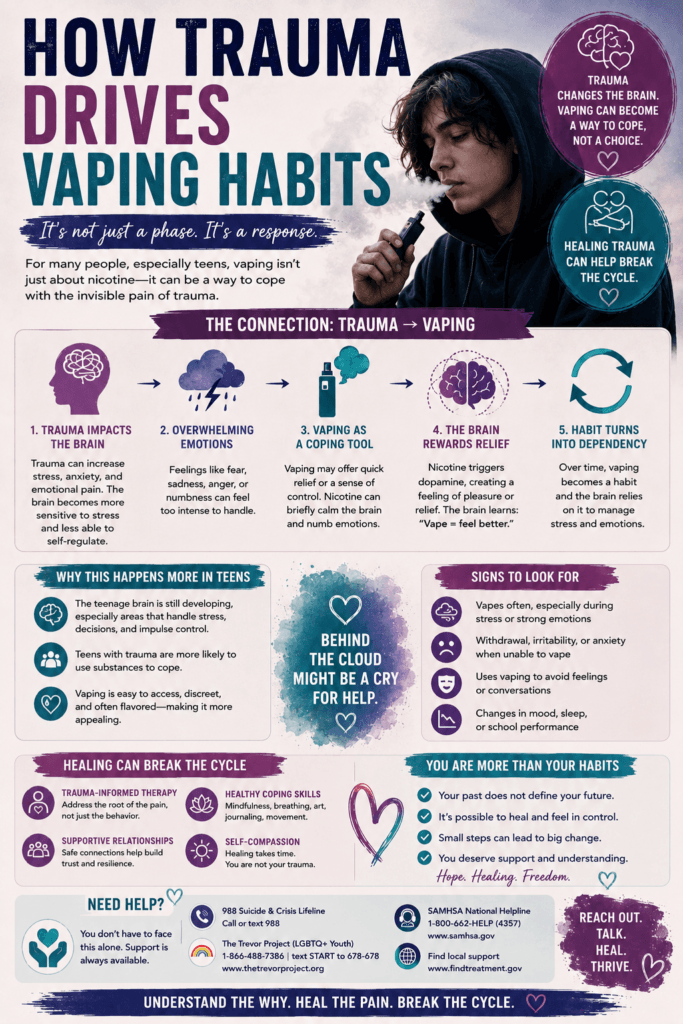
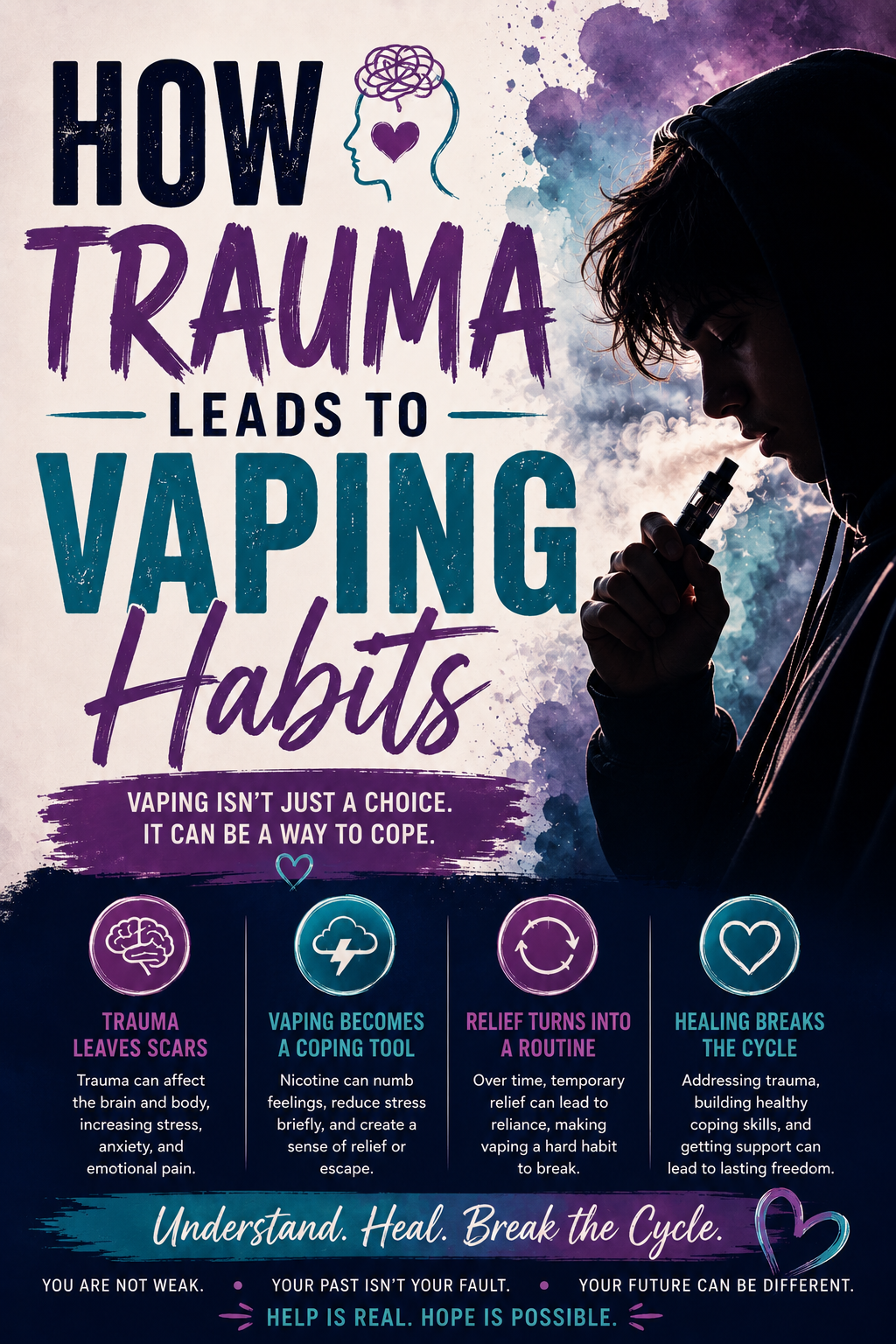
Trauma affects people on several levels, mentally, physically, and emotionally. It might come from big events like losing a loved one, facing abuse, surviving a natural disaster, or experiencing chronic stress over time. When the brain and body go through trauma, they look for relief, sometimes in places that aren’t so healthy. This is where vaping comes in for a lot of people I’ve talked to and read about.
Vaping offers a quick way to manage overwhelming emotions, mostly because of the nicotine rush or just the act of inhaling and exhaling. There’s a sense of control, even if it’s temporary. For teenagers and adults with trauma histories, the urge for relief can be strong; research points to much higher rates of vaping (and other substances like cigarettes or alcohol) among those who’ve experienced trauma, especially compared to those who haven’t.
Some trauma survivors use vaping to quiet down anxiety, body tension, or racing thoughts. Others might use it in social situations to smooth over awkwardness or manage the feeling of being constantly “on edge.”
Why Do People With Trauma Turn to Vaping?
Most people don’t wake up one morning and just decide to vape because of trauma. The body and mind are complicated, and habits often develop over time. Here’s what I’ve picked up about why this happens:
- Self-soothing: Vaping can mimic the calming effects of deep breathing. Anyone who’s ever gone through a tough patch knows how important those soothing rituals can be.
- Numbing and escaping: Nicotine acts fast. It lightens the mood for a short minute, numbing heavy feelings or shutting off constant worrying, even if only for a little while.
- Social relief: For someone who feels different or misunderstood, vaping sometimes gives a sense of belonging. It can be a “reason” to step outside, take a break from a crowd, or start a conversation.
- Controlling triggers: Trauma makes people more reactive to everyday stressors. Having a vape to reach for can feel like having a shield against that rush of bad memories or negative feelings that sneak up during the day.
Understanding Vaping as a Coping Mechanism
Coping mechanisms are the little things people do to manage their feelings, especially when life gets rough. They aren’t always good or bad; it depends on how much they help and the impact over time. Vaping is seen by many as less harmful than smoking traditional cigarettes, but it’s not harmless, especially in the long run.
For someone with trauma, vaping might bring a moment of calm or distraction. Over time, though, it can grow into something bigger, a habit that feels harder and harder to give up. That’s especially true for those who start young. Teenagers with tough backgrounds are more likely to try vaping, sometimes before they ever touch cigarettes or alcohol.
On top of that, new products, exciting flavors, and clever marketing can make vaping even more tempting when someone’s searching for relief. It’s easy to slide into a routine, especially when everyone around you seems to be doing it, too.
Many experts and healthcare professionals report that the rapid acceptance of vaping among trauma survivors isn’t surprising. Feeling overwhelmed, anxious, or disconnected sometimes leads individuals to try to manage their emotions in ways that provide instant relief, even if that relief is temporary or risky in the long run. Documented links between mental health struggles and vaping use are on the rise, leading some community organizations to prioritize trauma-informed care specifically addressing substance use in their interventions.
Recognizing the Signs of Trauma-Driven Vaping
Not every person who vapes has gone through trauma, but there are some clues I’ve seen and heard about when vaping becomes a way to deal with deep-rooted pain. Here’s what to look out for:
- Reaching for a vape during moments of big stress, panic, or sadness
- Using vaping as a “break” from arguments, flashbacks, or anxiety spikes
- Feeling unable to cope in tough situations without a vape nearby
- Noticing that vaping is happening more when talking about or remembering past trauma
- Isolation, withdrawing from other hobbies or support systems
It’s tough to face these patterns, but recognizing them helps people decide whether vaping is actually helping or causing more trouble down the road.
Things to Think About Before Reaching for a Vape
Real talk: vaping may offer momentary relief, but the effects can add up. People with a trauma background already deal with a lot, and adding potential health risks or dependence only piles it on. Here are some things worth considering:
- Nicotine addiction: The cycle of feeling better and then needing another hit gets tough to break. Withdrawal also brings mood swings and anxiety, pretty much the last thing you need while working through trauma.
- Worsening anxiety/depression: While vaping may briefly soothe nerves, studies show it can ramp up anxiety or depressive symptoms over time.
- Physical side effects: Coughing. Chest tightness, headaches, and poor sleep— aren’t just odds and ends; they build up and wear people out.
- Financial strain: Vaping gear, pods, and juices cost real money. For someone dealing with trauma-related money stress, this adds another layer.
- Covering up the real issues: Sometimes, focusing on vaping distracts from processing trauma in healthier ways, like seeking support or therapy.
One more important piece to remember is that people who depend on vaping to get through tough times may find themselves increasingly isolated. Instead of reaching out to friends or family, they smoke alone, which can make that cycle of avoidance even harder to break. These patterns might not seem obvious at first, but being honest with yourself about why you’re reaching for a vape can be an important step forward.
When to Seek Help
For anyone noticing that vaping feels non-negotiable and keeps getting in the way of life or healing, it’s worth reaching out for help. This could mean talking to a mental health professional, counselor, or even a supportive friend. There are resources out there, and you don’t have to tackle it solo.
Many organizations and online support groups offer free resources, guidance, and safe spaces for individuals who struggle with trauma and substance use. By connecting with others who understand, you might pick up new strategies to manage tough emotions or triggers. Supportive environments can go a long way toward breaking the cycle and starting on a healthier path, even if it feels like a small move at first.
Healthy Alternatives for Managing Trauma
Managing trauma is a long adventure, and everyone’s path looks a bit different. If vaping is used to fill in some gaps, swapping in healthier coping strategies can make a real difference. Here are a few that have helped people I know and are backed up by research:
- Practice deep breathing or gentle mindfulness techniques to ground yourself during tough emotional waves.
- Create routines that include regular sleep, meals, and physical activity; anything predictable can help calm the nervous system.
- Join support groups, online communities, or chat with a trusted friend who “gets it.” You’re not alone.
- Try creative outlets, such as drawing, writing, or playing music, which offer relief without harmful side effects.
- Consider talking with a therapist about trauma. They can help you build custom coping strategies and check in on the role vaping plays in your day-to-day.
- Engage in self-care activities, even simple ones like going for a walk, gardening, or practicing yoga. These habits nurture your body and help redirect the urge to vape into something positive.
- If you’re struggling to quit, low-pressure resources like quitlines or text-based helplines can provide tips, encouragement, and personal support around the clock.
Frequently Asked Questions
Here are some questions folks often have when it comes to the link between trauma and vaping:
Question: Does vaping actually help with trauma symptoms?
Answer: Vaping might take the edge off strong feelings for a short time, but it doesn’t address the root of trauma and can lead to new problems like nicotine addiction or other health issues.
Question: Are there safer ways to manage stress than vaping?
Answer: Yes! Deep breathing, exercise, creative hobbies, and reaching out to others all provide safer long-term ways to handle stress from trauma.
Question: Can quitting vaping make trauma symptoms worse?
Answer: Some people notice old feelings or memories get stronger at first, but this usually fades. Support from friends, family, or professionals can help make quitting more manageable.
Question: What should I do if a friend starts vaping more after a traumatic event?
Answer: If you notice a friend turning to vaping more often after a tough time, offer a listening ear without judgment. Encourage them to talk to someone they trust or look into support resources. You can help by being present, open, and patient rather than pushing for quick fixes.
Question: Are there any warning signs that vaping is becoming a bigger problem?
Answer: If you find you’re increasingly relying on vaping to get through daily life, neglecting responsibilities, or isolating yourself, it may be time to check in with a mental health professional.
Looking Forward: Healing Beyond Vaping
Vaping and trauma are more connected than many people realize. For some, it’s about survival or grabbing a bit of peace in a chaotic world. Over time, though, healthier ways to work through difficult experiences can replace vaping, making room for real healing and fewer risks. If any of this rings true for you or someone you care about, it’s worth exploring better coping options and discussing the connection between your past and your current habits. The road through trauma doesn’t have to follow the vapor trail; there are other paths that lead to feeling better and reclaiming control. Taking steps to understand your triggers and explore healthier strategies is a powerful start, and every positive choice adds up over time. Your well-being is worth it.
Video: The Shocking Truth About Trauma and Vaping #vapingharms #nicotineaddiction