Teen eating disorders aren’t just about food or body image. They can have far-reaching effects, and one area that keeps coming up in research and conversations is the link between these disorders and substance use risk. If you’re a parent, educator, or even a teenager yourself, understanding this connection is really important for helping young people stay safe and healthy.
Why Eating Disorders and Substance Use Are Connected in Teens
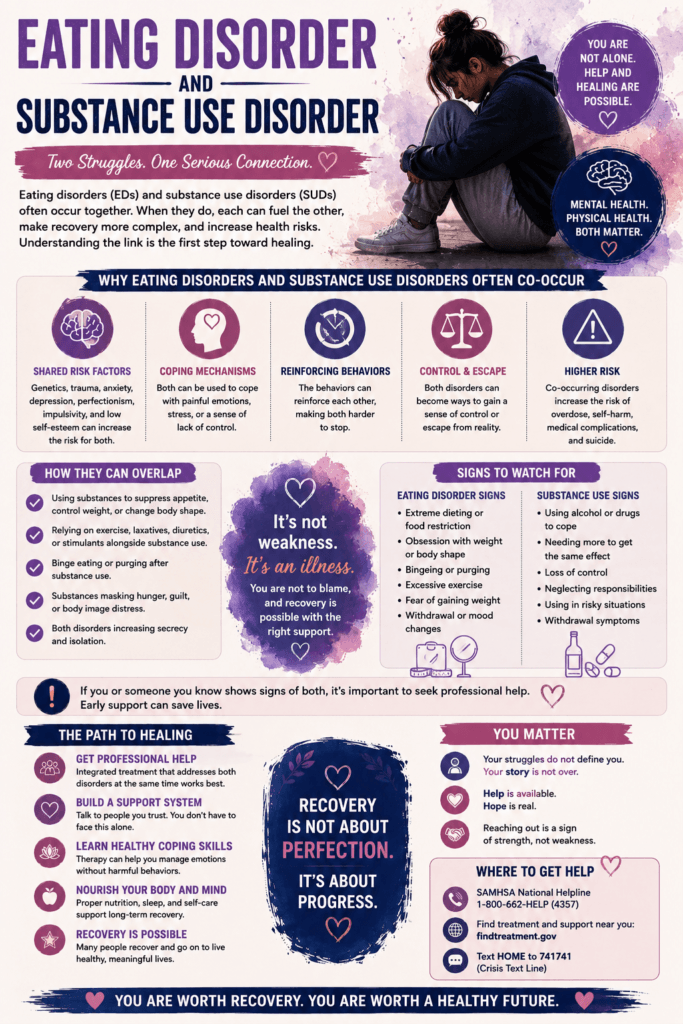
It might seem surprising at first, but studies have shown that teens struggling with eating disorders like anorexia, bulimia, or binge eating are also at a higher risk for using substances such as alcohol, marijuana, or prescription medications. Both eating disorders and substance use can come from similar roots. Things like stress, trauma, or challenges in managing emotions often play a role. Sometimes, these behaviors overlap or serve similar purposes for teens seeking relief or a sense of control.
In the United States, eating disorders affect millions of adolescents each year. According to the National Institute of Mental Health, over 2.7 million teens have struggled with an eating disorder at some point. Meanwhile, the Centers for Disease Control and Prevention reports that about half of high school students have tried alcohol and nearly 14% have used illicit drugs. When a teen is struggling with both, the risks for health issues often become much more severe.
Brain development also plays a role. Teen brains are still growing and are more sensitive to stress, reward, and impulsive decisions. Eating disorders and substance use can both disrupt healthy brain changes, making recovery tougher and putting teens at risk for long-term mental health issues.
How Eating Disorders Can Lead to Substance Use
Eating disorders and substance use often follow similar mental patterns. For example, a teen with bulimia might use alcohol or stimulants to try to manage their weight or cope with emotions. On the flip side, someone seeking comfort or to escape from negative thoughts about food or body might turn to substances for temporary relief.
- Self-Medication: Some teens use drugs or alcohol to numb emotional pain, escape anxiety, or boost their mood when struggling with eating disorder symptoms.
- Appetite Control: Stimulants like caffeine, nicotine, or even prescription ADHD medications sometimes get misused to suppress appetite or kick-start energy levels.
- Binge Behavior Crossovers: Certain eating patterns, like binge eating, are linked with similar patterns in drinking or drug use, where the urge to binge takes over, sometimes just swapping one behavior for another.
Peer pressure and social influences also come into play. If a friend group is normalizing both restrictive eating and substance use, it’s harder for anyone struggling to break out of that cycle.
The Warning Signs: When Teens Are at Risk
Paying attention to warning signs can be super useful for catching trouble before it gets worse. Here are some signs that might point to both an eating disorder and substance use risk in teens:
- Sudden changes in eating habits, like skipping meals or obsessively counting calories
- Secretive behavior around food, frequent trips to the bathroom after meals, or hiding food wrappers
- Noticeable weight changes or frequent complaints about body image
- Smell of alcohol, cigarettes, or marijuana
- Changes in friend groups, trouble at school, or dropping favorite activities
- Mood swings, anxiety, depression, or extreme irritability
No single sign guarantees a teen is struggling with both issues, but spotting patterns can help adults and friends step in early and point toward support.
Biggest Challenges in Overcoming Both
Recovering from eating disorders is already tough, and adding substance use brings more hurdles. Most treatments focus on one issue at a time, but when both are happening at once, things get complicated quickly. Finding the right therapy or support group takes patience and sometimes multiple tries, as every teen is unique.
Family dynamics can also be tricky. Open conversations in which everyone feels heard and not judged make a real difference. Shame and secrecy keep both disorders going, so breaking the silence is a really important first step.
Insurance coverage and access to qualified therapists or clinics are common barriers, too. Some areas don’t have many specialists, especially for teenagers, which can lead to long wait times or long travel times for help.
Different Types of Eating Disorders and Substance Use Links
Here’s a closer look at how certain eating disorders and specific substances sometimes connect:
- Anorexia Nervosa: Teens might use coffee, diet pills, or stimulants like amphetamines to control appetite, raising the risk of addiction.
- Bulimia Nervosa: Purging can be followed by alcohol binges, and the impulsive nature of this disorder sometimes overlaps with high-risk drinking or drug use.
- Binge Eating Disorder: Binge eating can be tied to using substances as a form of “self-soothing” when emotions run high.
Prescription medications are another area of concern, especially drugs for weight loss or anxiety. Teens may misuse these for quick results, not realizing how addictive or harmful they can be if not taken as prescribed.
Practical Tips for Prevention and Early Help
Earlier intervention makes a huge difference. If you’re worried about a teen in your life (or yourself), here are some down-to-earth ways to lower risks and open conversations:
- Talk Openly, Without Judgment: Teens need a safe space to talk honestly. Share your concerns and ask open-ended questions, such as how they’re feeling about themselves, their friends, or school.
- Learn About Both Issues: Check out resources from organizations such as the National Eating Disorders Association (NEDA) and the Substance Abuse and Mental Health Services Administration (SAMHSA).
- Watch for Patterns: Sudden mood swings, problems at school, or meal avoidance are worth looking into.
- Encourage Healthy Outlets: Stress-relieving activities like sports, music, or spending time with friends can help counteract negative coping mechanisms.
- Consult Professionals Early: Meeting with a psychologist, pediatrician, or school counselor who has experience with both eating disorders and substance use can guide families toward helpful next steps.
Common Questions About Teen Eating Disorders and Substance Use Risk
Here are some things I get asked a lot when talking about this topic:
Question: If a teen has an eating disorder, does it always mean they’ll develop a substance use issue too?
Answer: Not always, but the odds are higher than in teens without an eating disorder. Paying attention to both issues together increases the likelihood of early support.
Question: Are eating disorder treatments enough to address substance use?
Answer: Usually, getting support for one issue doesn’t fully fix the other. Integrated care, where therapists tackle both eating habits and substance use patterns, tends to have better outcomes.
Question: What puts some teens at higher risk?
Answer: Family history, ongoing stress, bullying, big life changes, or past trauma can all add up. Genetics also plays a part, but strong social support can help blunt these risks.
Question: Are there early interventions that actually work?
Answer: Yes, programs that focus on emotional skills, body positivity, and resilience have shown some success. Early check-ins at the doctor or school level can help too.
Everyday Life: Helping Teens Cope and Stay Healthy
Supporting teens goes beyond just warning them about the risks. It helps to create routines at home around eating together without pressure about food or weight, encourage activities that build confidence, and notice when someone seems withdrawn or extra irritable. Community groups, sports teams, creative clubs, or even online support forums offer places to connect safely with others who “get it.”
Having frank chats about media, body ideals, social stress, and peer influence can also take the pressure off teens. This makes it easier to recognize when things aren’t going right. Giving teens the tools to spot red flags in themselves or friends builds confidence and can be just as important as formal therapy.
- Healthy Role Models: Adults who talk honestly about food, exercise, and stress show teens that it’s okay to struggle sometimes, but also that help is available.
- Stress Management: Mindfulness, regular sleep habits, and creative outlets lower the temptation to use food or substances to cope.
- Access to Help: Sharing information about clinics, hotlines, or school counselors lets teens know that help is easy to access and nothing to be ashamed of.
For further reading, NEDA and SAMHSA both offer free guides and directories of local resources worth checking out if you or someone you care about is facing these challenges. If possible, reach out to mental health professionals or school support staff without delay. Taking proactive steps early can keep things from getting harder down the road, and plenty of teens who face these struggles do find hope and heal with the right support network in place.
Video: Teen Eating Disorders and Substance Use Disorder