Sugar and alcohol cravings can feel really similar, and it’s not just in your head. There’s a pretty strong link between sweet snacks and the urge to drink. If you’ve ever noticed reaching for candy leading to thinking about that next drink, or vice versa, you’re definitely not alone. Here, I’m breaking down how sugar can trigger alcohol urges, what’s going on in your brain and body, and some practical tips that actually help.
The Science Linking Sugar and Alcohol Cravings
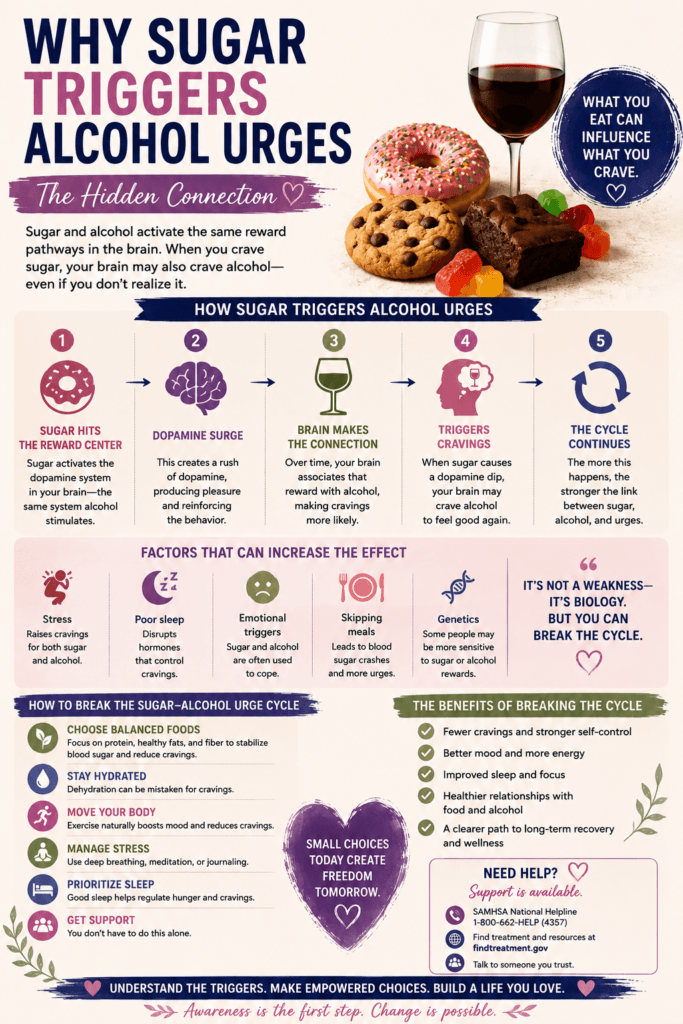
Sugar and alcohol share some pretty interesting effects on the brain. Both light up your reward system and boost chemicals like dopamine, which is the one that makes you feel pleasure. So, if you’ve gotten used to getting that buzz from alcohol, your brain can sometimes treat sugar as a stand-in. That’s why reaching for a donut or soda can sometimes fire up memories or feelings connected to drinking, even if it’s been months since your last drink.
Several studies have found overlapping patterns in how people with a history of alcohol use tend to consume sugar. One paper published in Addiction Biology even points out that rats bred to prefer alcohol also go for more sugar. That kind of animal research aligns with what many people notice in real life: stopping drinking can sometimes come with a serious sweet tooth.
It’s also been shown that people who are dependent on alcohol are often more drawn to high-sugar foods after they quit drinking. This happens not just with obvious sweets like candy and cookies but also with carb-heavy snacks like breads and crackers. The same pathways in your brain that light up from alcohol respond to sugar, making the cravings feel incredibly similar.
Why Does Sugar Spark Alcohol Urges?
The short answer is that your brain learns to associate certain foods and drinks with positive feelings. If you reward yourself with alcohol or sugar often enough, your brain gets used to that pattern. Here’s why those signals get crossed so easily:
- Dopamine Overlap: Sugar and alcohol both trigger a flood of dopamine. This feel-good chemical is at the heart of why cravings hit so hard.
- Blood Sugar Swings: Eating lots of sugar can cause your blood sugar to spike and then crash. Those crashes can trigger cravings for quick pick-me-ups, including alcohol.
- Emotional Conditioning: If you use sweets or drinks to cope with stress or low moods, your brain learns to expect that relief, no matter which one you reach for first.
So, it’s not just about habit. It’s a mix of brain chemistry and learned behaviors that overlap in pretty obvious ways.
How Sugar Affects Recovery from Alcohol
After quitting alcohol, cravings for sugar often ramp up. This isn’t just your imagination. When your body stops getting alcohol, which is high in quick-burning calories, it sometimes looks to sugar to fill the same gap. Sugary foods can provide that fast fix your brain’s looking for, but relying too much on sweets has its own set of issues.
If you’ve ever been part of a recovery group or visited a rehab center, you might’ve noticed the cookie plates and candy bowls. It happens everywhere, not just in movies. Research shows people in treatment for alcohol use often have a higher preference for sweet foods (PubMed). While it can take the edge off at first, swapping alcohol for sugar doesn’t usually fix long-term urges and can sometimes make you feel worse, fueling the cycle of cravings.
Another reason sugar becomes such a strong pull during recovery is that your tastes and cravings can change while your body adapts to the absence of alcohol. Many people new to sobriety find they seek out desserts and other sugary things simply to feel “normal” again, but it’s important to notice when these switches might be setting up a new cycle of reliance.
Common Triggers that Link Sugar and Alcohol
Certain situations make the sugar-alcohol connection even stronger. Here are a few scenarios where sugar can directly fire up the urge to drink:
- Celebrations and Parties: Sweets and alcohol often show up together, which can train your brain to link the two.
- Stressful Moments: When stress hits, sugar and alcohol both step in as go-to “comforts.”
- Late-night Snacking: Craving sweet snacks at night can bring back the habit of winding down with a drink.
Routines have a huge impact on cravings, so noticing when you reach for sugar (and how you feel afterward) is a really important part of understanding how your urges work. Sometimes, simply tracking when you eat sweets can reveal hidden times of day or emotional states that also coincide with urges to drink.
What Are Sugar Cravings Telling You?
Not all sugar cravings mean you’re about to relapse or have a drinking problem. Sometimes, your body genuinely needs more energy, or your mood’s just off. But paying attention to what’s going on when cravings hit is super useful. If you’re newly sober and suddenly surrounded by dessert, it might be your brain searching for old ways to get that reward feeling back. Tuning in to your own patterns helps you spot urges before they get overwhelming.
In some cases, sugar cravings actually reflect nutritional gaps or even dehydration. If you haven’t eaten in a while or skipped lunch, your body might send out powerful signals asking for a quick energy boost. Recognizing these signals for what they are makes it easier to respond with what your body actually needs, rather than reaching for sugar or falling back into old drinking routines.
How to Tell the Difference
- Physical Hunger: If you’re truly hungry, cravings will usually go away after a regular meal.
- Emotional Craving: If it’s just about the rush or easing stress, that’s more likely to tie into alcohol urges as well.
Journaling what you’re craving and when can make a big difference. Sometimes, seeing those patterns in black and white makes triggers easier to manage. Over time, you can develop a clearer sense of which cravings stem from actual hunger and which may require more self-care or emotional support.
Tips to Reduce Sugar-Driven Alcohol Urges
Managing cravings for both sugar and alcohol isn’t about “willpower.” It’s more about giving your brain and body what they need in better ways. Here’s what’s helped me and plenty of others along the way:
- Eat Regular Meals: Skipping meals or eating erratically can make blood sugar swings much worse, which can trigger all kinds of cravings.
- Choose Complex Carbs: Whole grains, fruits, and veggies provide a slower, steadier release of energy compared to sugary snacks.
- Balance Protein and Healthy Fats: These nutrients make meals stick with you longer, helping keep both blood sugar and alcohol urges steadier.
- Stay Hydrated: Dehydration can sometimes feel just like a craving. Sipping water regularly genuinely helps curb those false alarms.
- Distract Yourself: Go for a walk, call a friend, or start a quick task. Getting your mind off the craving, even for a few minutes, makes it easier to ride out the urge.
Using these techniques doesn’t mean cravings disappear overnight. It’s about making them easier to manage and less likely to push you toward old habits. Building these new habits takes time, but a little consistency makes a big difference over the long run.
Challenges in Managing Cravings
Not every strategy works for everyone, and some days will just be harder than others. Here’s how I’ve noticed cravings tend to trip people up, and ways that usually help get back on track:
- Hidden Sugars: Watching out for sugar in seemingly “healthy” foods, such as flavored yogurt, sauces, or even bread, can help. Reading labels can be pretty eye-opening.
- Emotional Setbacks: Feeling down or stressed makes it easier to give in. This is when support from friends, family, or even a therapist becomes especially helpful.
- Lack of Sleep: Too little rest makes self-control so much harder, and cravings for both sugar and alcohol ramp up. Prioritizing sleep is really important for managing urges.
Working through these issues is a process. Noticing your toughest triggers is always the first step toward finding what works best for you. Keeping routines steady, reaching out to friends, or simply getting outside for a short walk can help shift tough cravings as they build.
Healthy Alternatives for Craving Busters
Swapping out sugar and alcohol for things that actually make you feel better is possible, even when cravings hit hard. Here are a few swaps that work for me and might work for you too:
- Infused Water or Herbal Tea: These are great if you’re looking for something flavorful to sip instead of soda or alcohol.
- Fresh Fruit: Natural sweetness satisfies sugar cravings and provides fiber, helping you feel fuller for longer.
- Crunchy Snacks: Carrot sticks, nuts, or roasted chickpeas can provide that satisfying bite without a sugar rush.
- Yogurt with Berries: This is a strong pick for dessert that feels like a treat but doesn’t spike your blood sugar as quickly.
Figure out which healthy snacks you actually enjoy. It’ll make these switches so much easier to stand by when cravings pop up. You can also experiment with preparing snacks ahead of time or keeping your favorite alternatives within easy reach, so you’re less likely to be caught off guard by sudden cravings.
Frequently Asked Questions
Does eating sugar actually make you want alcohol more?
Both sugar and alcohol activate reward centers in your brain. For many people, eating sugar can cause memories or feelings tied to drinking to surface, which can increase the urge for alcohol, especially if you’re used to using both for comfort.
Why do newly sober people crave sugar?
After quitting drinking, your body often misses the easy energy from alcohol and looks for a replacement, which sugar can provide. It’s a way your body adjusts as your reward system recovers.
Will cutting out sugar help reduce urges to drink?
Choosing balanced, less sugary meals can make blood sugar and alcohol cravings more manageable for some people. Replacing both sugar and alcohol with healthier coping tools tends to help even more.
Key Takeaways for Managing Sugar and Alcohol Urges
Understanding that sugar can trigger alcohol cravings is the first step. Both light up similar pathways in your brain, so cravings for one can easily become cravings for the other. By paying attention to your routine, eating balanced meals, and finding satisfying healthy alternatives, you can make cravings less powerful. Keep experimenting with what works for your body, and don’t be afraid to reach out for support if you need help handling urges.
Video: Why You Can’t Stop Craving Sugar After Quitting Alcohol #sobriety #addiction