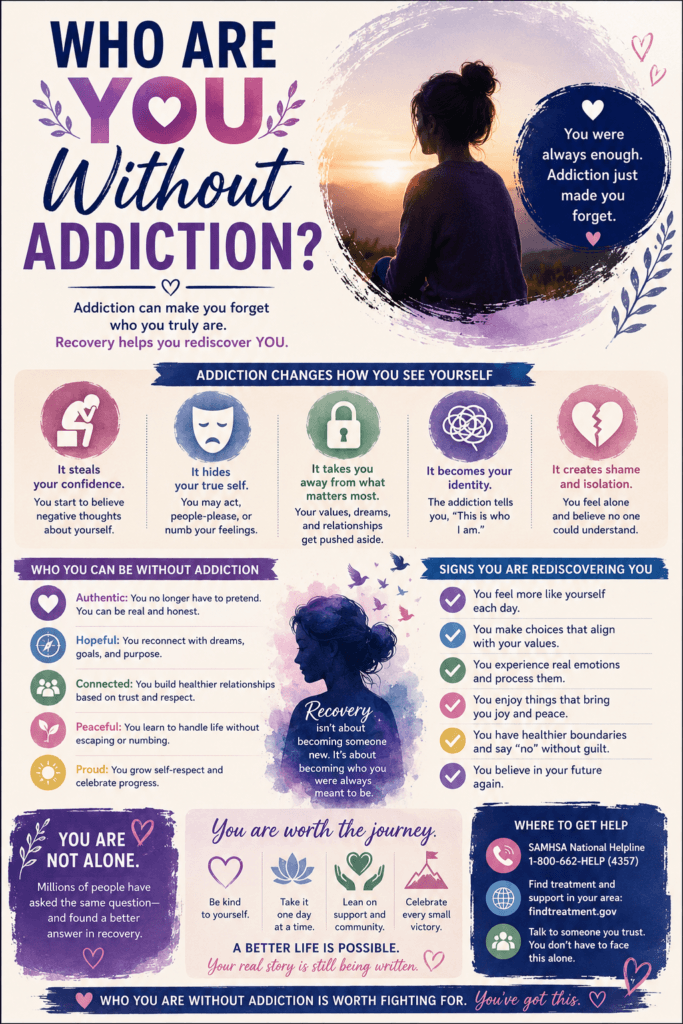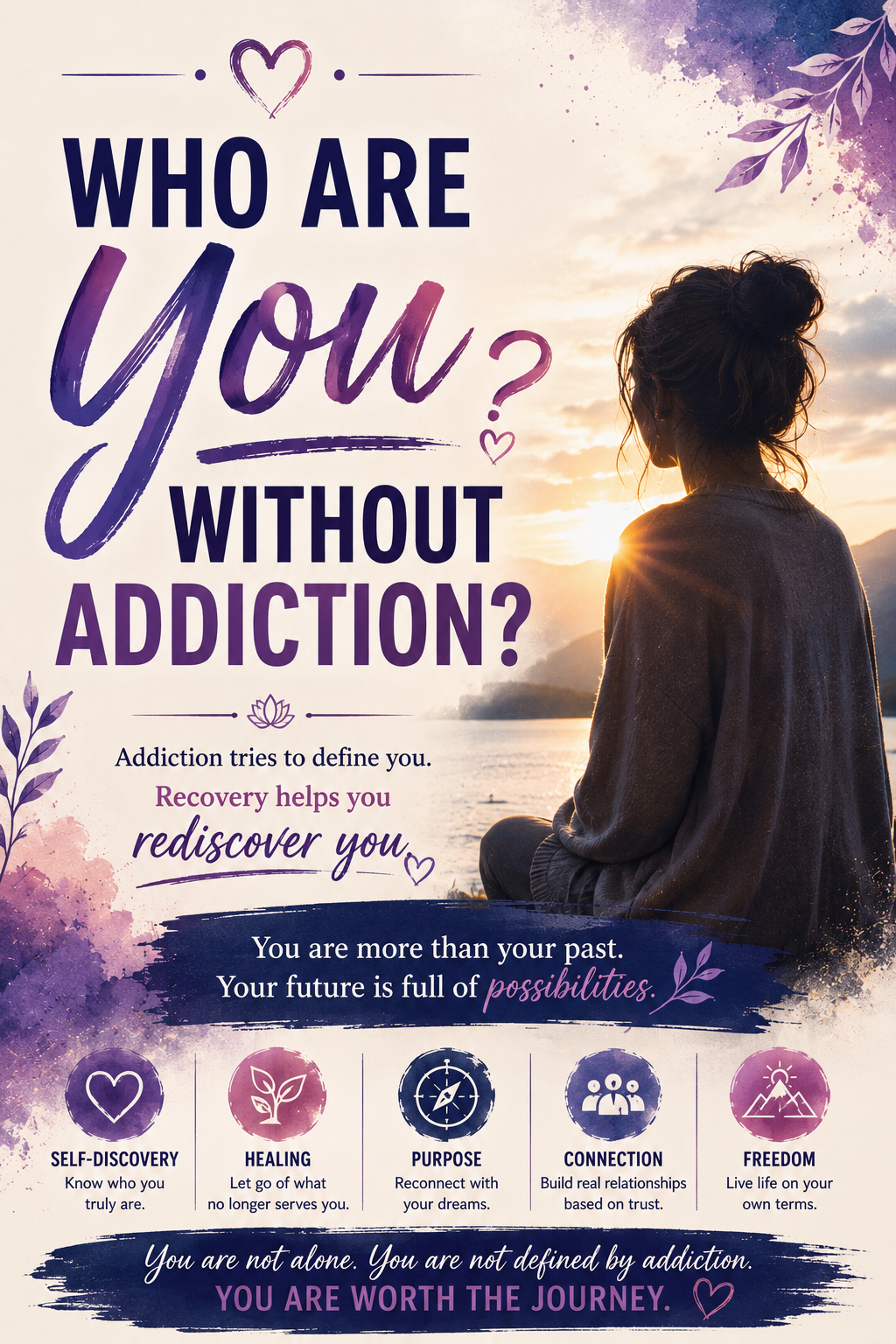
One of the most damaging beliefs surrounding addiction is the idea that it becomes such a central part of your identity that you can no longer be yourself without it. People struggling to quit may fear that giving up a substance or addictive behavior means losing part of who they are, while others may accept addiction as something they simply cannot change. Over time, this belief can weaken confidence, reinforce unhealthy patterns, and make recovery seem impossible. Understanding where this misconception comes from is an important step toward challenging it. Let’s explore why this belief is so common, how addiction can become intertwined with identity, and practical ways to rediscover who you are beyond addiction.
Why the “Addiction Is My Identity” Lie Feels So Real
For a lot of people, addiction doesn’t just show up out of nowhere. It becomes closely linked to big events, powerful emotions, and even social circles. Over time, it’s pretty easy to mix up the effects of addiction with your true personality. You might think things like, “I’m only fun when I’m drinking,” or “I’m more creative after I use.” These beliefs aren’t random. They often come from a mix of past experience, habit, and even what you’ve been told by friends or the media.
I’ve noticed how the cycle works. You use, you feel a temporary boost or numbness, and you start to believe that’s the “real” you peeking out. But what’s really happening is more about what the substance is doing to your brain than any real part of your identity.
How Addiction Can Hijack Your Sense of Self
Addiction is great at blending into the background of daily life. It can slowly change your routine, impact how you socialize, and mess with your emotions. If you’ve been using for a while, it’s normal for old hobbies or friendships to fade, getting replaced by habits that revolve around using. Eventually, you might wonder if there’s anything left of “you” that isn’t tied to the substance.
There’s solid science behind this. Repeated use can shape brain patterns, especially in reward and motivation centers. It usually feels like the habit fills a gap that nothing else can touch. But what’s actually happening is that addiction is pushing aside everything else that used to make you feel whole. That empty space isn’t your real self; it’s what addiction leaves behind as it moves in.
With time, many people start to lose sight of little everyday desires—like the urge to pick up a long-forgotten book, cook a favorite meal, or check in on a friend. These ordinary moments, though they may seem simple, are often strong signs of the real you beneath the habits. When those moments return during recovery, it’s a good reminder that your true personality isn’t gone. It’s just waiting for its chance.
Shifting the Narrative: You Are More Than a Habit
One of the most important things I’ve picked up and seen in recovery spaces is that you’re never just your addiction. Everyone has quirks, values, and strengths that are still there, even if they feel buried right now.
It helps to look at “who you are” in new ways. Try writing down parts of your personality you miss or wish would show up more, like kindness, humor, creativity, or curiosity. These traits aren’t created by addiction; they get their chance to shine and grow when you’re not chasing another fix.
Sometimes, the real you surfaces in unexpected ways. Maybe you notice a new interest in music, or you start laughing more—with no substance needed. Reminding yourself of these moments is key to building a holistic sense of self. Remember, stepping away from addiction isn’t losing who you are. It’s letting your true self step forward.
Myth-Busting: Common False Beliefs About Addiction and Identity
- “I’m better at socializing with my addiction.” Being more outgoing or relaxed after a drink, joint, or pill usually means your inhibitions are lowered. But real confidence and connection can be built by practicing social skills without substances, even if it’s weird at first.
- “Quitting will make me boring or empty.” Many folks need time to stumble upon what they genuinely love without substances. It might seem dull at first, but this stage doesn’t last. New interests almost always pop up once your mind and senses start to reset.
- “People won’t like the sober version of me.” True friends will stick by the real you. Sometimes, you even get to see who truly supports you and who was just around for the parties or the negative energy.
Beliefs like these are popular, but they don’t have to be permanent. Mix it up as you show yourself you can laugh, connect, and have a blast on your own terms.
Practical Steps to Untangle Your Identity from Addiction
- Experiment with Sober Activities: Try things you might have missed while using—like hiking, painting, or just hanging with friends somewhere that isn’t a bar. At first, it’s awkward, but soon you start to stumble upon pieces of yourself gone quiet.
- Build a Support Network: Connecting with others in recovery or with friends who lift you up and support healthier choices can help you feel less isolated. The community reminds you that your identity extends far beyond your struggles.
- Reflect on Your Adventure: Journaling about when you felt happy, proud, or strong in the past can jog your memory about abilities that have nothing to do with substances. You might spot positive strengths and interests hiding in plain sight.
- Set Small, Realistic Goals: Aim for something not tied to addiction—even small things like making a new recipe or taking a short walk. Tackling these helps boost your self-esteem and build confidence, one small step at a time.
- Therapy or Counseling: Having a neutral place to talk out identity stuff lets you separate what’s real from what’s been shaped by addiction. Therapists can provide tools to help you notice your unique strengths from a new perspective.
Doing these things day by day will help swap the idea that you’re “lost without addiction” for the truth: you’re growing, maybe for the first time in years.
Barriers to Breaking Free and How to Push Through
- Fear of Change: Switching up your habits is scary, especially when your current world—safe or not—feels familiar. Recognizing that fear is normal is your first step in moving beyond it.
- Strong Emotions: Shame, guilt, anxiety, and loneliness tend to get louder during big changes. Using tools for handling tough feelings—like mindfulness, reaching out, or letting yourself have a tough day without beating yourself up—can really help.
- Relapses and Setbacks: Slipping doesn’t mean all progress is lost. It’s just part of the adventure. Each slip-up gives new info about what works for you and what doesn’t. Use setbacks as learning moments, not proof you can’t succeed.
Practicing ways to work through these obstacles builds a new sense of confidence that lasts a lot longer than any short-lived high.
Reclaiming Your Identity: What Really Makes You, You?
Your values, goals, and relationships are what truly define you, not just your habits. Many people report that after some time sober, they can build a more honest and stronger sense of self, even if it takes a little while. Rediscovering simple joys—like your favorite food, a walk through nature, or a great chat—can be eye-opening when you see them with renewed appreciation.
Think about who you want to become, not only what you want to avoid. That switch in focus lets you create a sense of self that feels exciting, solid, and lasting. When you live with intention, you naturally grow into the identity you want—one that addiction could never give you.
Share your wins and even your bumps in the road with friends or groups who understand. Telling your story, no matter how small, helps anchor your new, substance-free identity. Your journey might be uniquely your own, but the experience of rediscovering yourself is shared by millions. It’s that togetherness in recovery that often brings out new strengths you never knew you had.
Frequently Asked Questions
Question: Why does it feel like addiction is part of my personality?
Answer: Addiction can soak into routines and emotions so much that it feels inseparable from who you are. The reality is, what you experience is usually shaped by changes in brain chemistry, not true identity. With some time and help, you can definitely track down your authentic self.
Question: Can I still have fun and connect with people without using?
Answer: Absolutely. It might take practice and patience, but the best friendships and fun don’t depend on substances. Many people find that their connections and experiences level up with real presence and clarity.
Question: What if I don’t like the person I am after quitting?
Answer: This is a common worry. Growth takes time, and everyone changes in recovery. Plenty of people surprise themselves by finding strengths and interests they never noticed before, particularly as their minds and spirits get stronger.
Final Thoughts
The idea that you can’t be yourself without addiction is just that—a story, and a loud one. All the things that make you interesting, unique, and loved were always with you. They just needed room to shine again. Every small step you take away from this old belief brings you closer to the self you were always meant to uncover and become.
For more support and info about stepping back into your real self, check out SAMHSA and SMART Recovery. They’re packed with resources for everyone on the recovery adventure.
Video: Life After Addiction #RecoveryIsPossible #AddictionTreatment