Alcoholism: a Choice or a Disease?
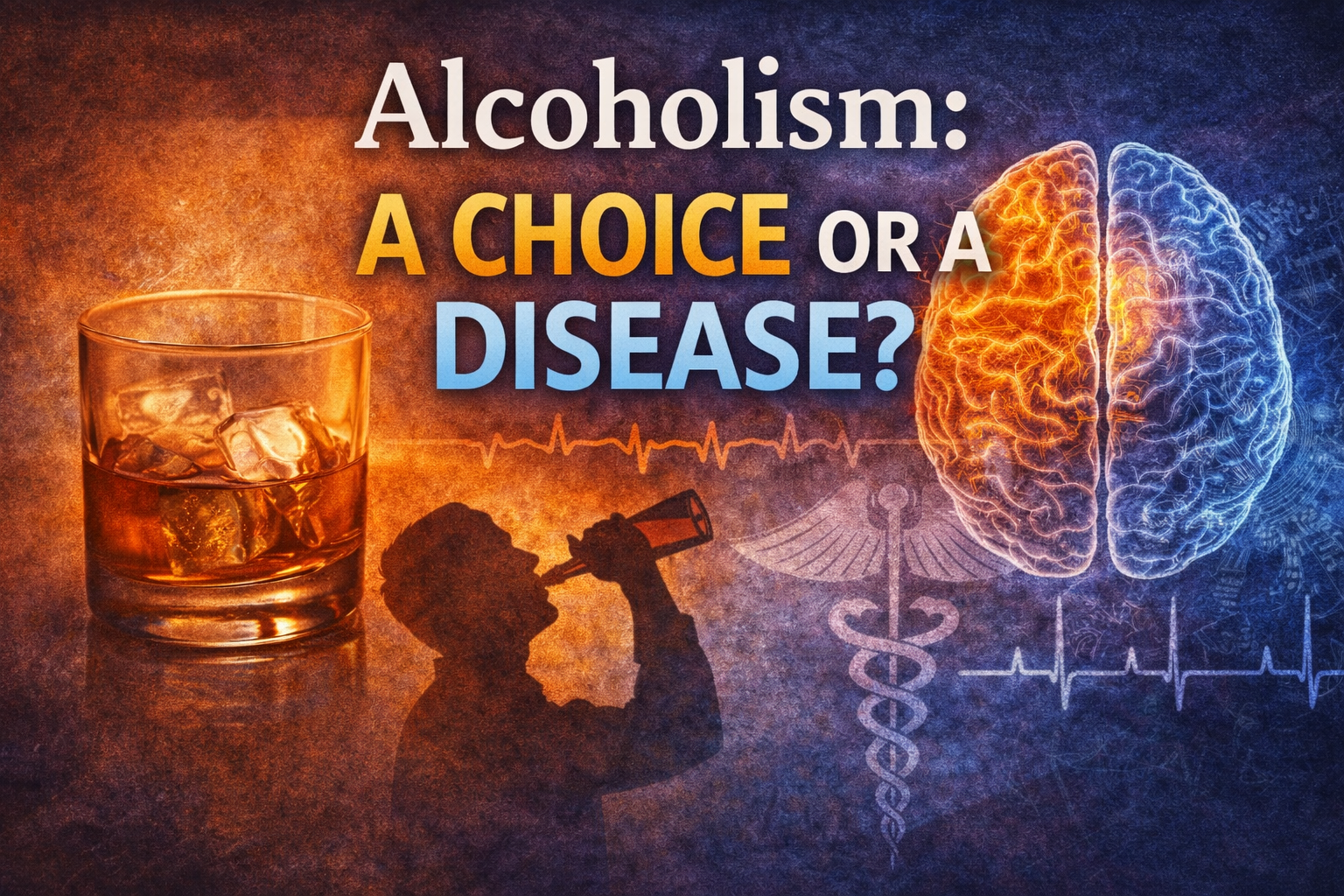
The question of whether alcoholism is a choice or a disease has long shaped public attitudes, treatment approaches, and personal beliefs about addiction. Historically, excessive drinking was often viewed as a moral failing or lack of discipline. However, advances in neuroscience, psychology, and addiction medicine now show that alcohol use disorder involves measurable changes in … Read more
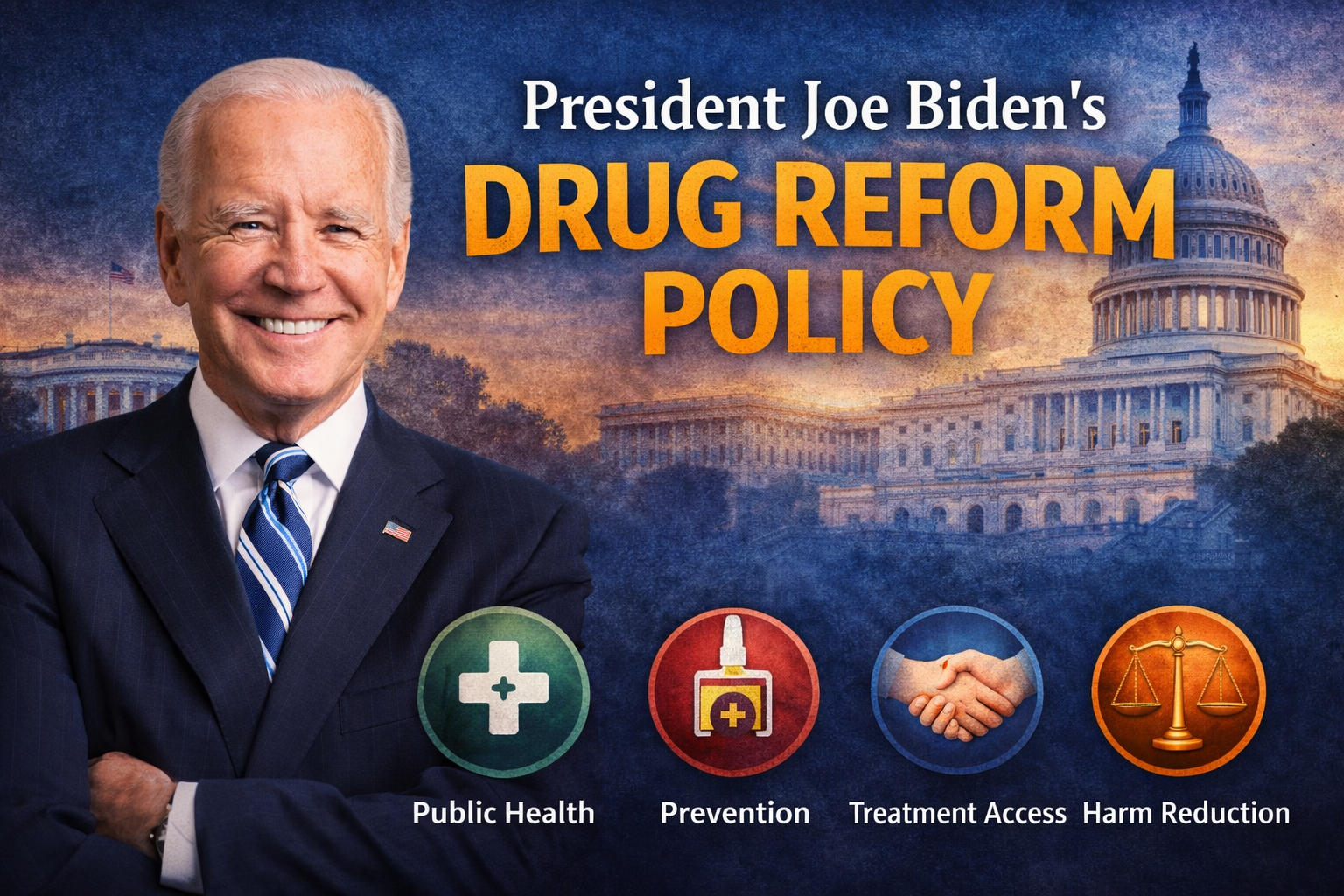
Joe Biden’s Drug Reform Policy

During his presidency, Joe Biden advanced a national drug policy centered on public health, prevention, expanded treatment, and harm-reduction strategies. Rather than relying primarily on punitive enforcement models that dominated earlier eras, his administration emphasized addressing substance use disorder as a medical and social condition influenced by mental health, environment, and access to care. Federal … Read more

Dangers of Casual Substance Use

Casual substance use is often viewed as low risk, especially when it occurs infrequently or in social settings. However, even occasional use can quietly influence brain chemistry, judgment, mood regulation, and physical health. Substances that affect neurotransmitters such as dopamine and serotonin may begin altering the brain’s reward system long before noticeable problems appear. Because … Read more

Addiction and Schizoaffective Risk

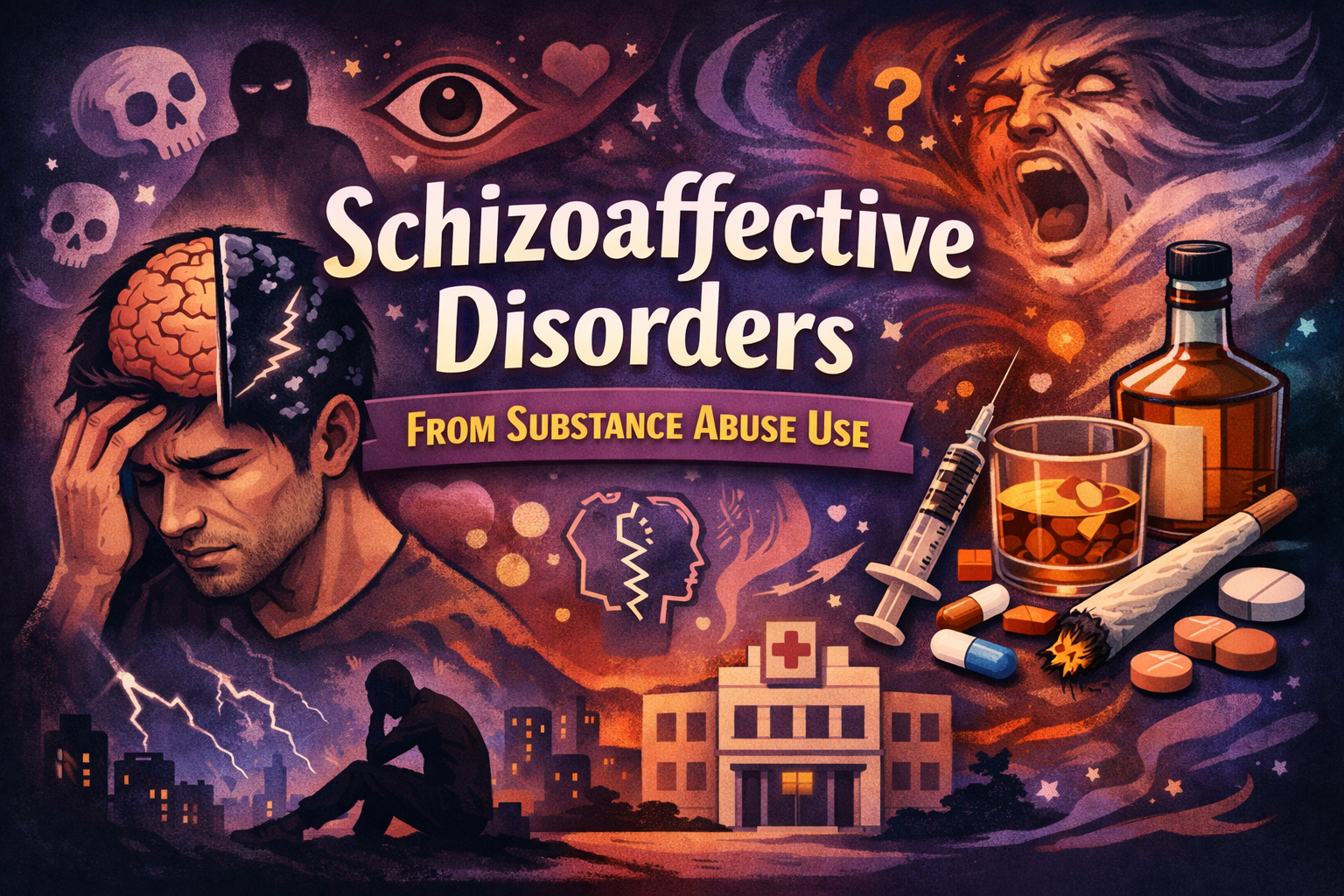
Substance abuse can disrupt brain systems that regulate mood, perception, and cognition—functions also affected in schizoaffective disorders. Drugs that alter dopamine, serotonin, and glutamate may trigger psychosis, mood instability, or both, especially in people with genetic vulnerability, trauma history, or chronic stress. While substances don’t always directly cause the disorder, they can hasten onset, worsen … Read more

Substance Use Triggers Psychosis

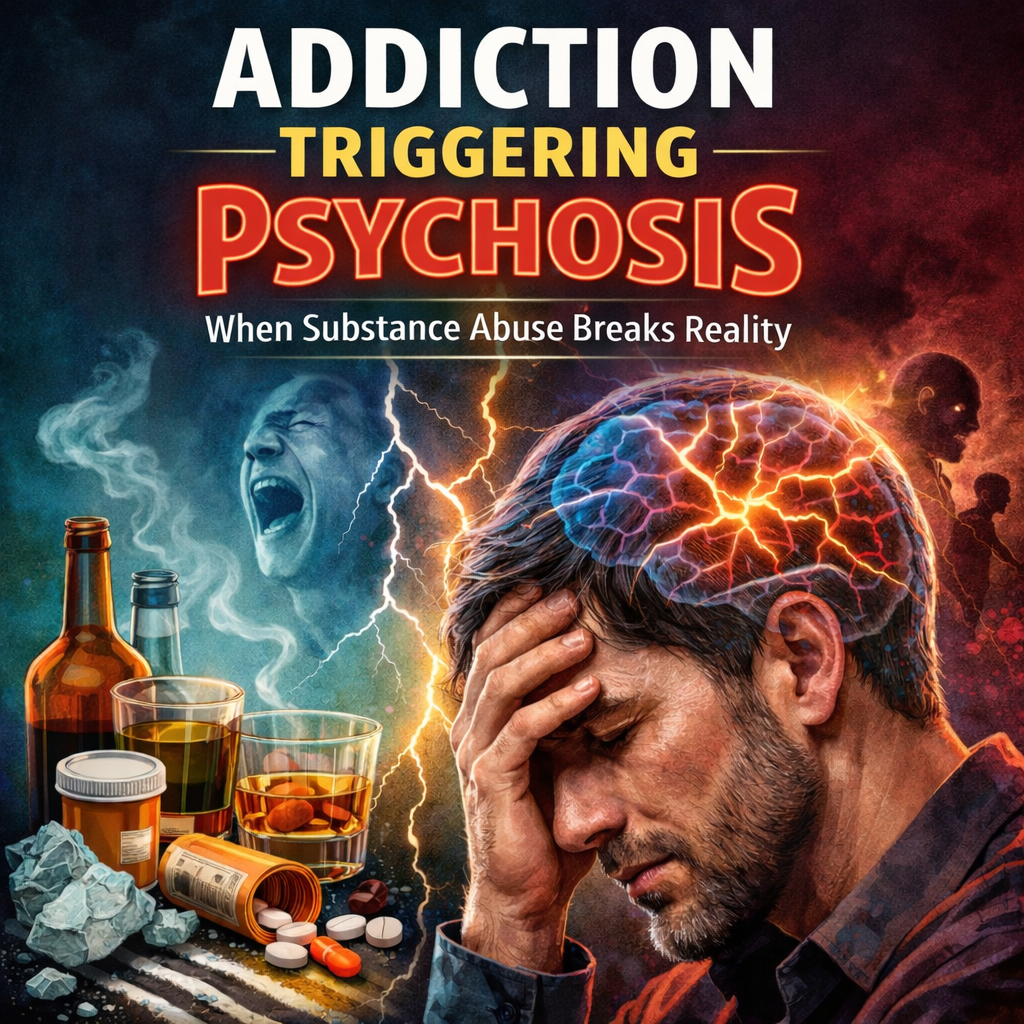
Psychosis triggered by addiction is a serious neuropsychiatric complication that occurs when substances disrupt brain systems controlling perception, reality testing, and emotion. Drugs such as stimulants, cannabis, hallucinogens, alcohol, and sedatives can alter key neurotransmitters, leading to hallucinations, paranoia, or delusions—often during intoxication, withdrawal, or prolonged use. Risk increases with factors like sleep deprivation, stress, … Read more

The Hijacked Brain in Addiction

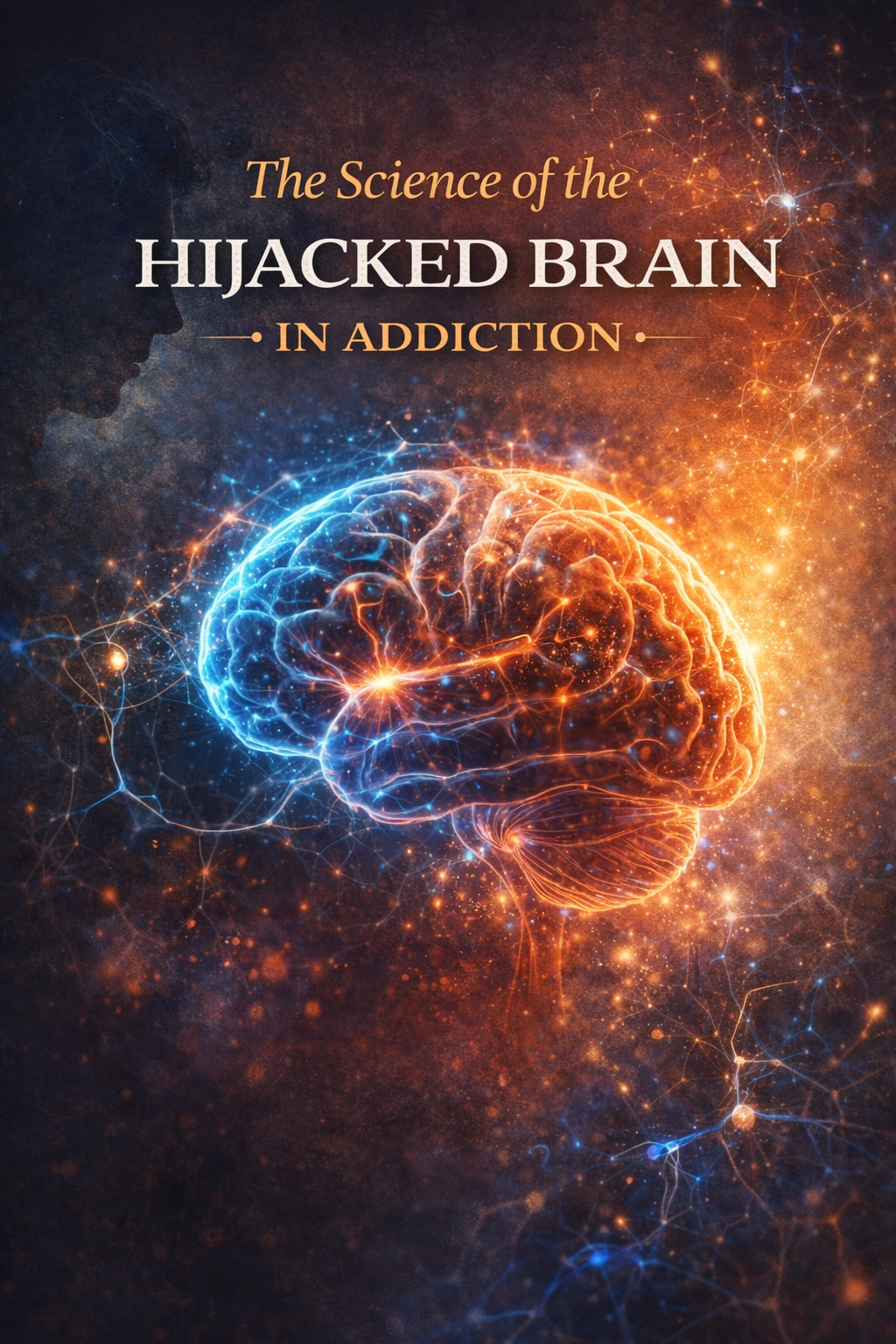
The science of the hijacked brain in addiction reveals that substance use disorders are not simply matters of willpower or poor decision-making, but conditions rooted in measurable changes within brain circuitry. Repeated exposure to addictive substances alters systems responsible for reward, motivation, stress response, and impulse control. Dopamine signaling becomes dysregulated, natural pleasures lose their … Read more

Daily Struggles of Addiction

The daily struggles of addiction extend far beyond substance use itself. For many individuals, each day involves managing cravings, emotional swings, stress triggers, and internal conflict while attempting to maintain responsibilities and relationships. Addiction alters brain chemistry, particularly in reward, motivation, and impulse-control systems, making ordinary decisions feel disproportionately difficult. What may appear, from the … Read more

Boredom in Addiction Recovery

Boredom is one of the most underestimated relapse triggers in addiction recovery. While individuals often prepare for obvious stressors such as conflict, trauma reminders, or social pressure, periods of unstructured time and low stimulation can quietly increase vulnerability. After substance use has artificially elevated dopamine and structured daily routines, early recovery may feel emotionally flat … Read more

Preparation Guide for Rehab

Preparing for rehab is a pivotal step that can strongly influence both immediate treatment success and long-term recovery stability. Entering a structured program involves more than arrival—it requires mental readiness, practical organization, and emotional preparation. Individuals who clarify their reasons for treatment, understand what rehab involves, and set personal goals often begin with greater motivation … Read more

Recovery Through Chosen Family

Understanding “chosen family” in addiction recovery is essential for recognizing how healing often occurs through connection rather than isolation. While biological relatives can be powerful sources of support, they may not always be available, safe, or aligned with recovery goals. Chosen family refers to intentionally built relationships—friends, sponsors, mentors, peers, and supportive community members—who provide … Read more