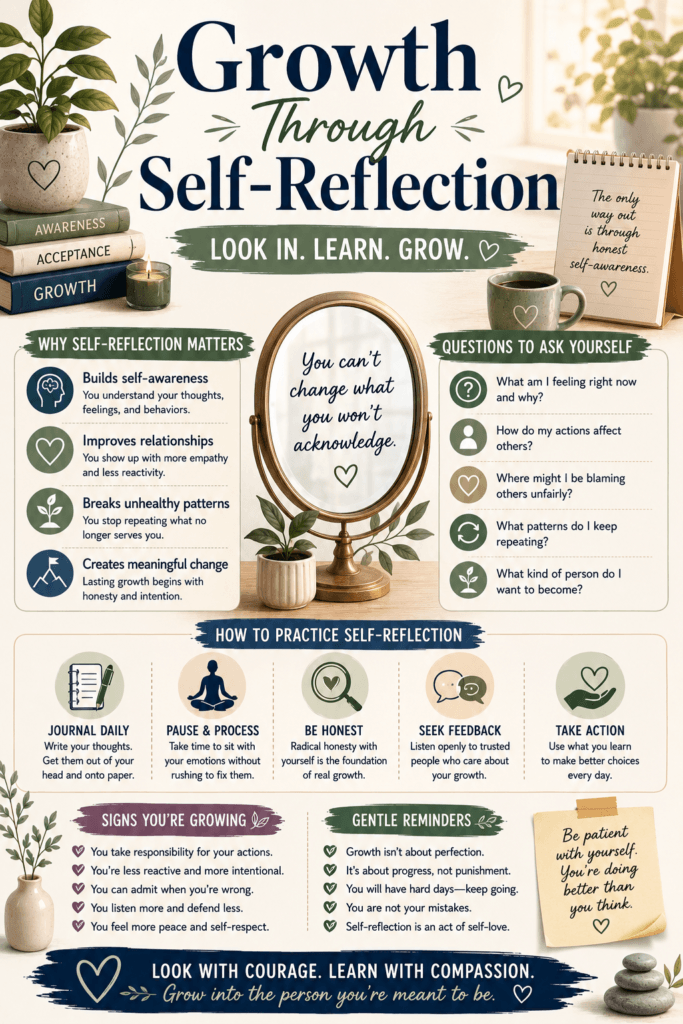
If you’re working through recovery or personal growth, there’s a tough question that sometimes pops up: “Am I the toxic one?” Coming to terms with this thought can really shake things up, but it’s also a huge step toward building healthier habits and relationships. Self-reflection isn’t always comfortable, but getting honest with yourself helps make progress feel real and lasting. I’ll break down what “toxic” really means, why self-reflection matters during recovery, and some clear ways you can start asking the right questions without beating yourself up along the way.
What Does It Mean to Be “Toxic”?
The word “toxic” gets used a lot, but it usually points to patterns or habits that bring others down or create stress and conflict. I’ve seen people worry they’re toxic just for having a bad day, but it’s not about single mistakes. It’s more about repeated behaviors that hurt others (or yourself). Some examples include:
- Constant negativity: Always expecting the worst or criticizing others.
- Manipulation or guilt tripping: Trying to control how someone feels or acts.
- Refusing accountability: Blaming everyone else when things don’t go right.
- Boundary pushing: Not respecting when people ask for space or say “no.”
Most of us show a little bit of these behaviors every once in a while, especially under stress. The real issue comes when they become your usual way of dealing with people or tough situations. I see “toxic” less as a label and more as a signal that something needs attention or improvement. Instead of using the term as a judgment, think of it as a flashing yellow light—a prompt to slow down and check in with yourself and those around you. Patterns can form slowly. Sometimes, it’s easy to miss the signs when you’re in the middle of a tough season or major life change, so taking a step back is always wise.
Why Self-Reflection Matters in Recovery
When you’re in recovery, whether from addiction, trauma, or toxic environments, self-reflection plays a big role. It’s a way to check in with yourself rather than run away from uncomfortable truths. I’ve personally found that real growth only kicks in once I make space for honest questions, like “Could I have handled that argument differently?” or “Am I treating myself with the same kindness I expect from others?”
The recovery process can bring up shame or guilt about past actions, but that doesn’t mean you’re a lost cause. Everyone has hurt others or made mistakes. What matters is what you do next. Self-reflection isn’t just about calling yourself out. It’s about seeing what can be improved and feeling lifted up to make it happen. When you take this approach, you turn obstacles into stepping stones for a better future. Over time, checking in with yourself regularly helps keep you grounded and prevents the return of old toxic habits.
Common Signs You Might Be Displaying Toxic Traits
If you’re wondering whether you’ve shown toxic traits, you’re already taking a big step toward change. Here are a few signals worth checking in with:
- You notice repeated drama in your relationships. Friends or family say things always seem to spiral around you, or you leave situations feeling unheard and frustrated.
- People in your life keep setting boundaries or pulling away. If others are quietly stepping back, it might be a sign there’s something off.
- You deflect blame or avoid apologies. If “It’s not my fault” pops up a lot, it could mean you’re dodging responsibility when things go wrong.
- There’s a pattern of gossip, jealousy, or mistrust. If you’re quick to doubt others or talk behind their backs, it can breed distance and distrust.
- Feeling constantly unhappy or irritable around others. Sometimes it’s less about actions and more about an overall tense vibe you bring to the table.
Recognizing toxic patterns doesn’t mean you’re a bad person. It just means there are areas you can work on to feel better about yourself and the way you relate to others. In fact, having the courage to spot these signs is a positive trait—it proves you care about the impact you have.
Steps to Begin Self-Reflection
Taking a look in the mirror is never easy, but you can make the process clearer and less overwhelming with a few practical steps. Here are things I’ve tried that really helped keep things real, without slipping into shame spirals:
- Journal honestly. Write out recent situations where things got heated or uncomfortable. Ask, “What part did I play?” and “How did I really feel?” Sometimes just seeing the story on paper sheds light on patterns you keep repeating.
- Ask for feedback you can trust. Reach out to friends or mentors who don’t just say what you want to hear. A simple “Is there anything I do that makes connecting hard for you?” can open your eyes to stuff you’d otherwise miss.
- Notice defensive reactions. If you bristle every time someone points something out, take a breath before responding. Being defensive is natural, but it can stop you from learning what’s really going on.
- Track recurring emotions. Pay close attention to times when you feel angry, jealous, or left out. These emotions sometimes point to unhealed wounds that drive toxic behaviors.
- Learn the difference between boundaries and walls. Setting firm boundaries is healthy, but shutting people out or ghosting them can cross into toxicity. Setting limits should come from a place of self-care, not at the expense of others’ feelings or needs.
Another powerful step is to take inventory of your relationships. Think about the friends and family who make you feel good and those who bring about recurring negative feelings. Sometimes, the company we keep can highlight the roles we take on—both positive and negative. This type of awareness can help you shift towards healthier dynamics and foster growth on both sides.
Challenges You Might Face Along the Way
No one figures all this out overnight. There are some bumps to expect as you start reflecting on your own role in tough situations. The most common hurdles I ran into were:
- Shame and guilt: Feeling like you’re broken or not worth good relationships.
- Comparing yourself to others: Getting stuck thinking you’re the “worst” or beyond help.
- Feeling stuck: Not knowing what to change first or how to make those changes stick.
- Old habits resurfacing: Noticing toxic tendencies coming back during stressful times.
These hurdles are part of the adventure. Being patient with yourself and forgiving slip-ups keeps the process moving in a better direction. Small efforts add up faster than you think. When you slip up, remind yourself that setbacks happen to everyone on the path to personal growth and recovery.
Tools and Techniques for Healthy Self-Reflection
I’ve tested a range of tricks and tools on my own path. Some ideas that worked well for me and others in the recovery community include:
- Mood tracking apps: Noticing patterns in your mood can help point out triggers or cycles.
- Therapy or counseling: Sometimes you need a sounding board who’s had professional training.
- Personal values lists: Write down your core values and ask whether your actions align with them, especially during tense moments.
- “Pause and breathe” practice: When emotions spike, literally stop, count to ten, and breathe before saying or doing anything more.
- Mindfulness and gratitude exercises: Adding a daily gratitude practice can shift your focus from criticism to appreciation. For example, write down three things you’re thankful for at the end of each day. This simple exercise can help set a more positive tone and reduce some of the negative patterns.
Don’t be afraid to try out several approaches. Sometimes it takes mixing and matching methods to find what fits for you. If something helps even a little, make it a regular part of your toolbox to stay balanced and aware.
How to Take the First Steps Toward Change
Digging into self-reflection only works if you’re ready to act on what you find. A few things that have made a big difference for me (and for people I know) are:
- Own your mistakes without shame. Taking responsibility is about learning, not beating yourself up.
- Apologize with specifics. If you hurt someone, say what you did, how you’re working to fix it, and ask what would help them feel better.
- Create accountability checks. Keep a close friend, group, or sponsor in the loop. Let them know you’re looking for feedback or support when things get tough.
- Celebrate growth. Stepping away from old habits is hard. Taking a moment to notice your progress (no matter how small) builds confidence to keep going.
- Set clear goals and revisit them. Write out a few specific changes you want to make, like listening without interrupting or reaching out to a friend once a week. Check your progress monthly and don’t be afraid to adjust as you grow.
Remember, change is a marathon, not a sprint. Staying consistent pays off, and even incremental progress deserves recognition. If you hit a rough patch, reach out for support and remind yourself how far you’ve come.
Real-Life Examples of Self-Reflection
Here’s a quick story from my own life to bring all of this home. I used to get super defensive in arguments with family, always pointing out what they did wrong first. When I started checking in with myself, I realized my automatic reaction was “protect myself at all costs,” which just fueled more conflict. By pausing, checking my motives, and sometimes just saying, “I need a minute,” conversations started to feel more honest and less explosive. Small changes like these add up over time.
Stories from recovery groups show the same thing: people aren’t born “toxic.” Most learned these habits as defense mechanisms or ways to feel safe. The more I ask honest questions and listen carefully to answers, the easier it gets to break old cycles and build kinder ways of living. Another example comes from a friend in my support network, who realized that their habit of cutting people off in arguments stemmed from a fear of abandonment. Once they put words to this fear, the urge to isolate went down, and they began having more open, honest conversations with loved ones.
Frequently Asked Questions
Here’s a short FAQ covering common questions about being “toxic” and practicing self-reflection during recovery:
Question: Can I really change if I’ve shown toxic traits for years?
Answer: Change takes time, but I’ve seen people make meaningful progress by getting honest, seeking help, and sticking to small daily steps. It’s not instant, but it’s totally possible.
Question: Should I cut people off if they call me toxic?
Answer: Sometimes feedback stings, but it’s worth taking a pause to reflect. If someone’s feedback feels fair and consistent, try to listen. If it feels abusive, that’s a separate issue that might need boundaries.
Question: What if my toxic traits come from things that happened to me?
Answer: Many toxic behaviors are learned as coping strategies. That doesn’t excuse them, but it does make sense to forgive yourself and focus on learning healthier ways forward.
Moving Forward with Honesty and Hope
Wondering if you’re acting toxically isn’t a sign you’re hopeless. Instead, it shows you care enough to make a change. Self-reflection takes guts; it also unlocks new ways of relating and feeling better, both about yourself and your relationships. If you’re starting this adventure, give yourself credit and keep moving one honest step at a time. Growth really does start when you ask tough questions and commit to learning from the answers. Stay curious, stay compassionate, and remember: every bit of progress is worth celebrating.
Video: The introspection hack that rewires your entire life #mentalgrowth #awareness