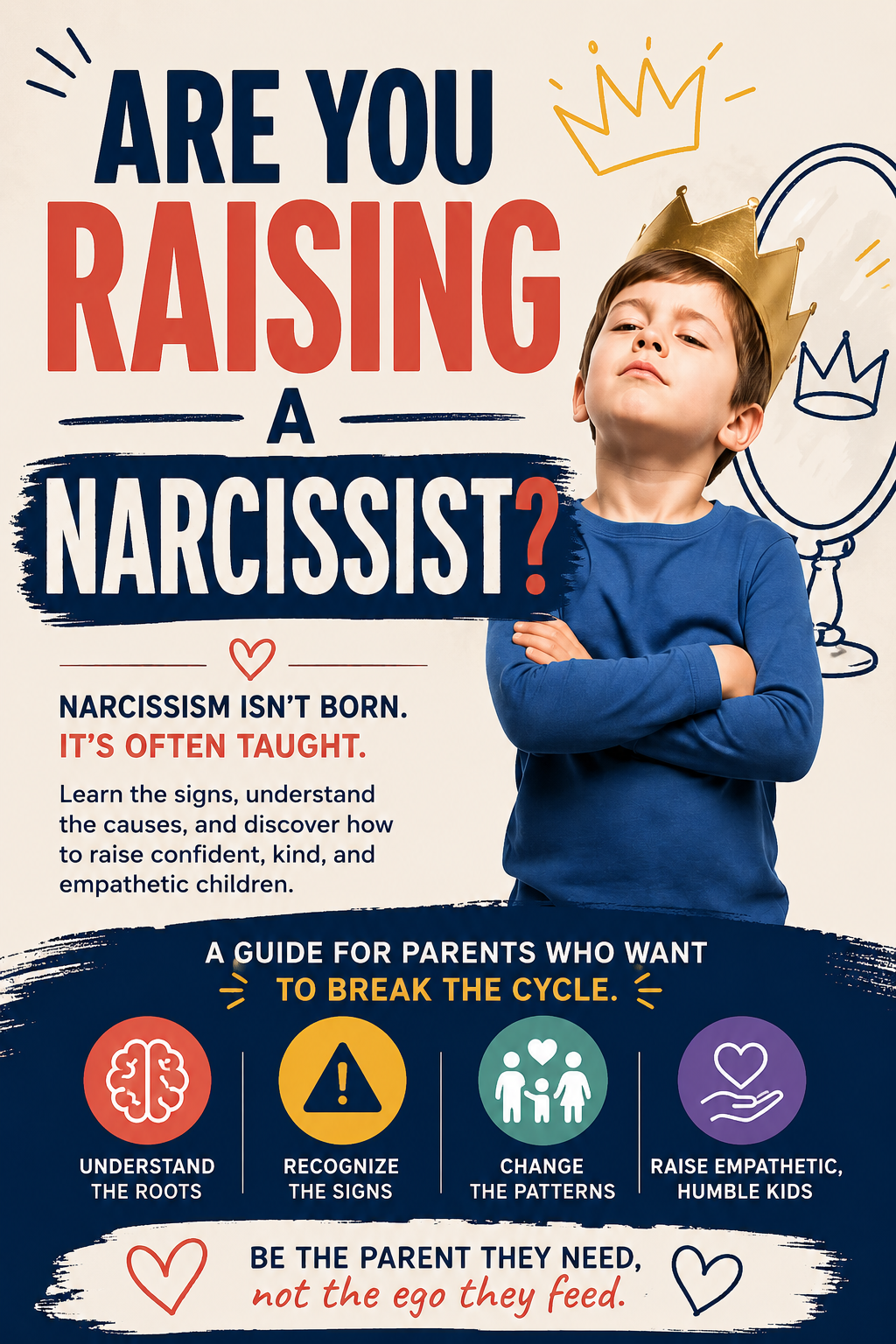
Parenting is packed with choices, from the words we use with our kids to the praise we give, and even how we help them handle tough emotions. Every parent wants to raise a happy and confident child. However, what isn’t talked about enough is that sometimes, even well-meaning parenting habits can unintentionally encourage a child to focus too much on themselves. That’s why it’s important to ask—are you accidentally raising a narcissist?
What Narcissism Really Means
The word “narcissist” gets tossed around a lot these days. It isn’t just someone who posts too many selfies or boasts about their achievements. Real narcissism is a personality pattern where someone struggles to tune into other people’s feelings, puts their own needs front and center, and seeks out attention or admiration most of the time. The roots of these habits often begin in childhood. Looking honestly at what shapes this pattern isn’t about blaming parents—it’s about noticing how daily guidance adds up for kids.
Psychologists say narcissism comes down to a mix of grandiosity (believing you’re extra special), craving constant praise, and missing empathy toward others. Not every child who likes attention will end up a narcissist, but early routines can shape how they view themselves and everyone around them as they grow up.
How Everyday Parenting Habits Can Feed Narcissism
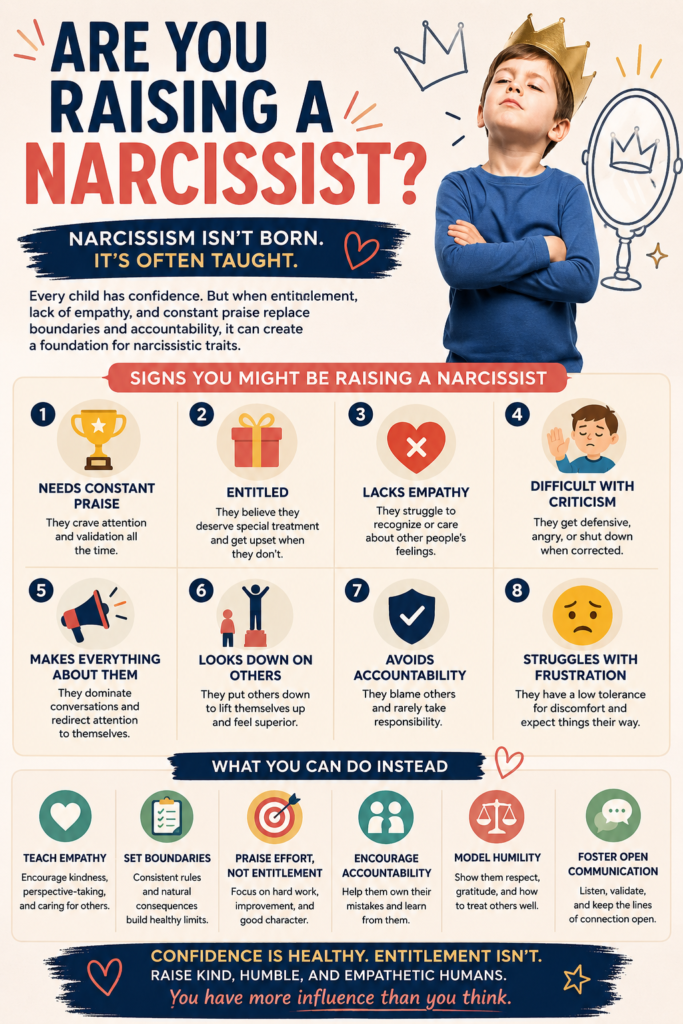
There are times when wanting to give our kids the best makes us offer extra praise, shield them from disappointment, or jump in to smooth the path for them. These actions grow out of love, but they can have surprising side effects. Here are some patterns that, if they become the norm, can nudge a child in a narcissistic direction:
- Overpraising: Giving kids compliments for every achievement makes them feel that being special is just a given. Over time, it creates an urge to seek attention to boost self-worth rather than to build real confidence through effort and learning from mistakes.
- Always putting your child first: Prioritizing your child’s wants above everything else, even when it’s not reasonable or fair to others, can make it tough for them to notice perspectives besides their own.
- Sheltering from setbacks: Protecting children from failure can make challenges seem scary or unfair instead of a normal part of life. This keeps kids from stepping up with resilience and understanding when others face tough times.
- Not modeling empathy: Kids watch how adults behave. When they don’t see adults saying sorry, caring for others, or talking about feelings, they miss crucial lessons in how to relate to people.
Ways to Help Kids Grow Confident—Not Narcissistic
The happiest, most secure kids I know are raised in families that step up both confidence and compassion. Here are a few practical ways to encourage self-worth that don’t cross over into unhealthy self-focus:
- Offer Balanced Praise: Instead of only praising the outcome (“You’re amazing!”), Focus on effort and progress (“You tried really hard on that puzzle”). This steers kids toward valuing growth over perfection and helps build genuine self-esteem.
- Set Healthy Boundaries: Saying “no” sometimes or explaining why everyone’s needs matter helps children get used to living in a world with all kinds of people. Boundaries make things feel safer and support social learning.
- Encourage Empathy: Try questions like, “How do you think your friend felt about what happened?” or, “What could you do to help?” Conversations like these prompt your child to think outside themselves.
- Let Them Face Disappointment: It can be tempting to jump in and fix things when kids are upset or left out. Sometimes, just listening and letting kids work through feelings helps them pick up coping and reflection skills on their own.
- Model Positive Behavior: Be open about your own mistakes, apologize when needed, and share your emotions. These moments show kids how to roll with life’s ups and downs while respecting others.
How to Spot Early Warning Signs
Most children, and especially toddlers or teens, can come off as self-centered from time to time; that’s a pretty normal part of growing up. Still, if these things keep popping up together, they deserve extra notice:
- Avoiding responsibility for mistakes
- Getting upset if not treated as “extra special”
- Lacking concern for friends who are sad or hurting
- Always wanting to make the rules during games
- Feeling jealous when someone else is in the spotlight
Seeing one or two of these things isn’t a big deal. If you start to see patterns, it might mean your child could use more chances to practice empathy, patience, and shared responsibility.
The Impact of Technology and Social Media
Technology can be a double-edged sword for families. Social media, online games, and video channels are all about grabbing and holding attention. Kids can get caught up in searching for likes, comments, or praise online. Too much weight on digital approval can feed self-centered thinking and make it harder for kids to build real self-worth away from the screen. At home, I keep screen time in balance and have regular conversations about what matters beyond online popularity.
Building Real Self-Esteem—What to Keep in Mind
True self-esteem isn’t about making a child feel special, no matter what. It grows from taking risks, messing up, making things right, and feeling valued for both effort and honesty—not just for achievements. Some simple ideas I use with my own kids and suggest to families include:
- Let Them Contribute: Ask your child to help with dinner, chores, or caring for siblings. These little responsibilities show that their actions affect others and extend beyond themselves.
- Encourage Team Efforts: Participating in sports, clubs, or group projects can build skills in sharing, compromise, and putting the group ahead of individual trophies.
- Start Conversations About Emotions: When a child hears, “I can see you’re upset. Want to talk?” and learns to ask the same question, it helps develop comfort and skill in empathy.
The Role of Grandparents and Family Members
Relatives sometimes spoil kids with gifts or bend the rules on weekends. Staying on the same page about expectations and family rules helps kids find predictability and fairness wherever they are. If possible, chat with grandparents and other caregivers so everyone knows the game plan and supports what you’re working toward at home.
Popular Parenting Approaches That Curb Narcissism
There’s good research on what really helps keep kids from growing up self-centered. Here are a few methods worth digging into:
- Authoritative Parenting: Mixing warmth with clear and consistent expectations (rather than being too strict or too lax) is closely linked to healthy development across the board.
- Emotion Coaching: Helping kids name their feelings, taking time to listen, and guiding them as they solve problems (instead of solving them for the child) gives kids a leg up on emotional and social smarts.
- Consistent Daily Routines: Providing day-to-day predictability gives kids a sense of security and makes it easier for them to explore limits, make errors, and learn about consequences.
The National Institutes of Health shares studies showing that empathy, boundaries, and a secure attachment early on help guard against narcissistic traits later on.
Frequently Asked Questions
Here are a few questions many parents ask, along with some helpful thoughts:
Question: Is praising my child harmful to their self-esteem?
Answer: Not at all! The key is how you give praise. Try to highlight effort, kindness, and positive actions instead of just saying they’re extra smart or special.
Question: Will my child grow out of being selfish on their own?
Answer: Many kids go through self-centered phases, but if they don’t learn empathy or how to work through disappointment, some may struggle longer with these habits. Guidance and good boundaries really do add up over time.
Question: Are there good resources to help my child with empathy?
Answer: Absolutely! “The Whole-Brain Child” by Dan Siegel and Tina Payne Bryson, as well as “UnSelfie” by Michele Borba, offer great guidance. Local libraries and parent groups often have extra tools or classes, too.
Wrapping Up: Purposeful Parenting Makes a Difference
Parenting isn’t about being perfect. It’s the steady, everyday choices that shape who our kids become. Helping children grow into confident, kind, and emotionally aware people prepares them for better friendships and a smoother ride through life. Keeping an eye on how we give praise, set limits, and encourage empathy truly matters—it helps children step into the world with connection and genuine self-worth, not just a need to feel special.
Video: Parents Are Unknowingly Raising Narcissists #psychology #parenting