Focusing on victims instead of abusers shows up a lot in conversations about harm, justice, and recovery. Many people wonder why the spotlight tends to fall on those who were hurt, rather than the individuals who caused the pain. I want to break down the reasoning behind this choice, why it matters, and how it shapes the way society supports healing and accountability for everyone involved.
Why the Focus Shifts to Victims: The Basics
Centering conversations and resources on victims creates space for healing and validation. When someone experiences harm, whether it’s emotional, physical, or otherwise, the ripple effects can reach far into their personal life and even into their community. By giving attention to the person who was harmed, we acknowledge their experience and encourage a culture where people feel supported and believed.
This approach started to gain traction with the growth of movements around trauma-informed care, survivor advocacy, and restorative practices. The idea is straightforward. People who’ve been hurt are often left to process their pain in silence if systems prioritize understanding the motives of abusers over addressing the needs of survivors. Shifting focus this way doesn’t mean we’re ignoring accountability; it’s about who gets priority when time and resources are limited.
Many experts in trauma recovery suggest that when survivors feel seen and heard, the healing process gets a real boost. On the other hand, putting too much focus on understanding abusers’ motives can overshadow the active needs of the person harmed. This doesn’t mean that motives and prevention don’t matter—just that support for recovery usually takes the front seat.
Building a Supportive Culture
When communities focus on victims, it communicates that their pain is valid. This shift helps reduce shame and encourages people to step forward for help. Victims sometimes feel blamed or shamed, especially when abusers are respected, charismatic, or well-liked by others.
Creating a supportive culture means offering practical ways for victims to get help, such as mental health services, support groups, emergency housing, and legal guidance. It also means changing the conversation from “What did they do to bring this on themselves?” to “How can we help them feel safe again?” Resources like RAINN, Safe Horizon, and local advocacy groups often provide the lifeline people need most. The results are clear: survivors who receive timely support are more likely to recover and rebuild their lives more quickly.
Building this type of culture includes educational campaigns in schools and workplaces, encouraging bystander intervention, and ensuring that professionals who interact with victims have appropriate training. The more accessible and visible these resources become, the more supported survivors feel—making it less likely that they will internalize blame.
Common Questions About Shifting the Focus
Lots of people have understandable questions about what it really means to focus on victims and how it works in practice. Here are some of the most common questions I’ve come across:
- Does this mean abusers get off easy? No, not at all. Accountability and safety planning are still major parts of any process involving harm. Focusing on victims first just means their needs are addressed with urgency; abuser accountability is handled once immediate recovery and health are addressed.
- Why not spend more time understanding why abusers hurt people? Understanding harmful behavior can help with long-term prevention, but when harm happens, the person who is hurt needs immediate support more than society needs to dig into a perpetrator’s motives.
- Isn’t it important to make sure accusations are true? Protecting due process and ensuring fair investigations matter a lot. Still, a victim-centered focus simply allows victims space to share, get care, and be treated with dignity throughout any investigation or process.
Practical Reasons for Prioritizing Victims
Choosing to put victims first is about practical, real-world outcomes. Here’s what happens when this approach is used:
- Faster access to help: When systems are designed with victims in mind, people who need help get it quickly and without extra barriers.
- Reduces long-term effects: Early support—such as trauma counseling, advocacy, or emergency shelter—makes it less likely survivors will struggle with lasting health issues or emotional pain.
- Breaks cycles of harm: When victims get help and know they’ll be believed, others feel safer to come forward. This means harmful situations are more likely to be interrupted and stopped sooner.
In addition, data from advocacy groups and law enforcement show that when victims feel protected and supported, they’re also more likely to participate in restorative processes and even criminal cases, which can lead to safer communities overall.
Some Challenges and Misconceptions
There are real challenges to keep in mind. Sometimes, talk about “supporting victims” can become little more than a slogan—leading to disappointment if promised resources aren’t there. Here are a few issues I see regularly:
- Resource gaps: Some communities promise a lot but fall short on affordable therapy, legal guidance, or even reliable shelters for those who reach out.
- Punishment over prevention: Sometimes, the focus turns back to abusers through “tough-on-crime” viewpoints. While justice counts, focusing solely on punishment doesn’t always help survivors recover.
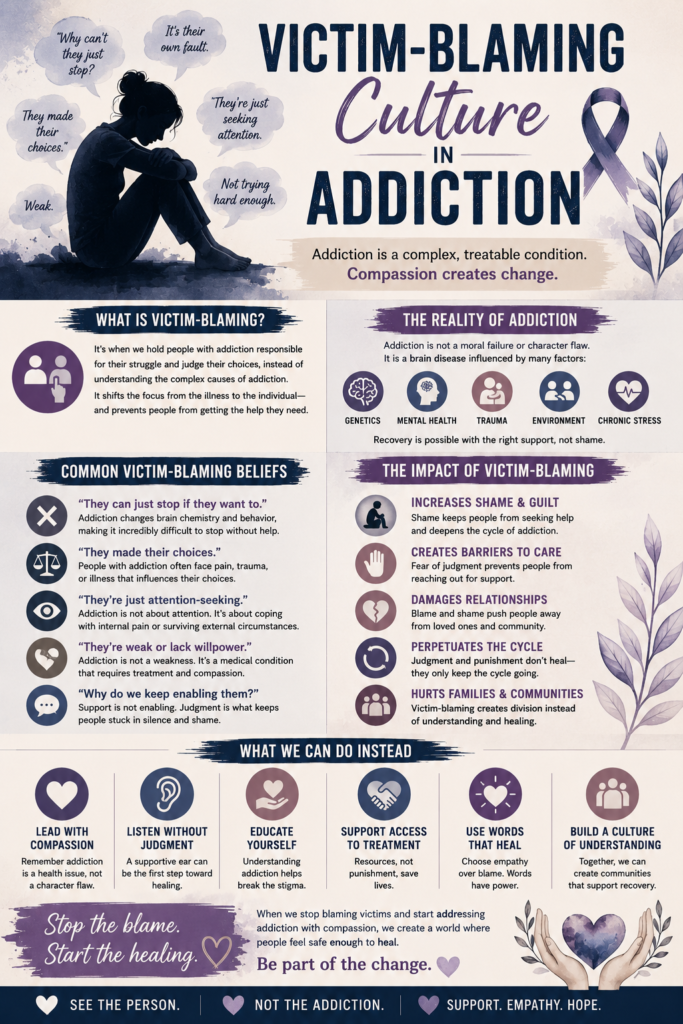
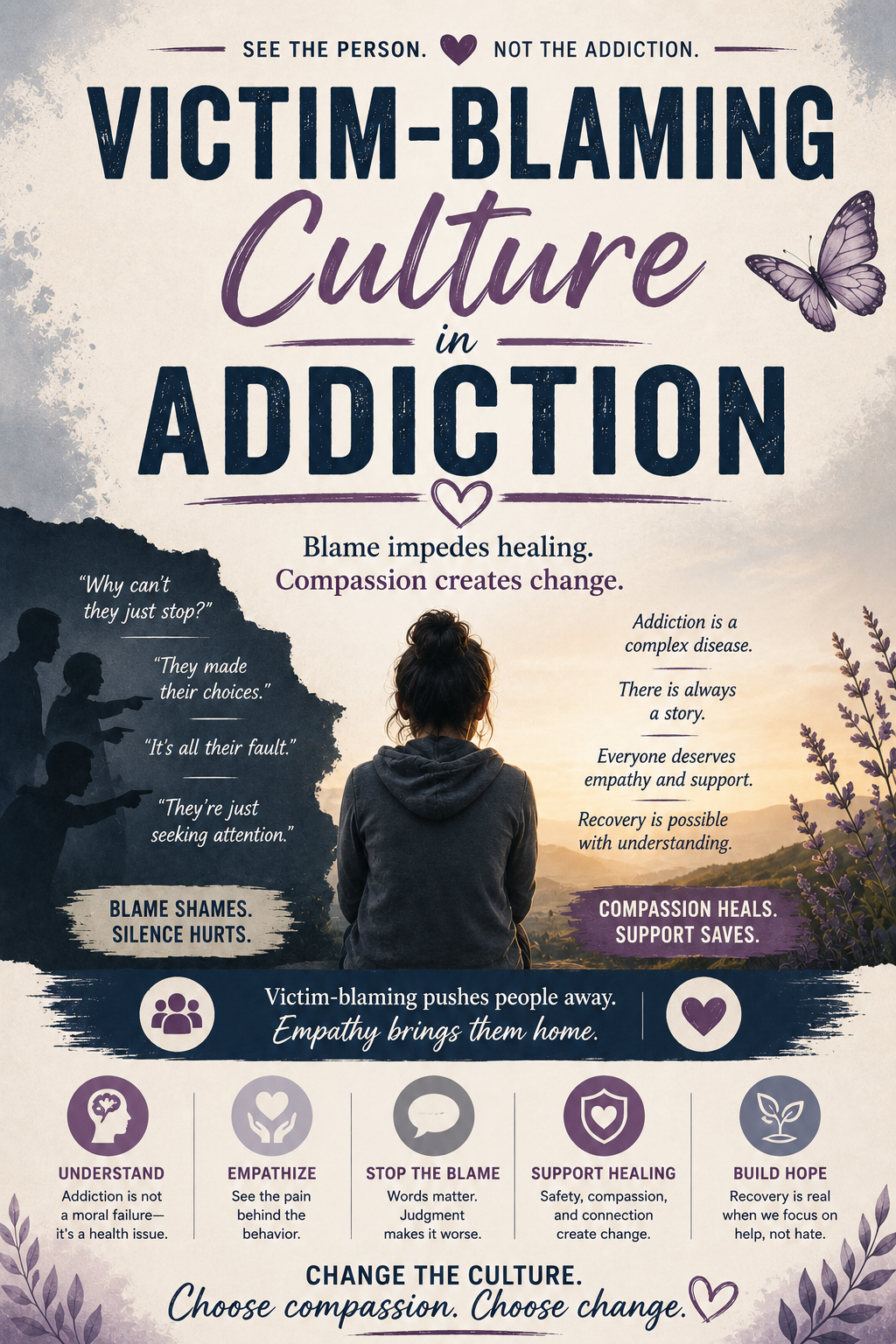
- Victim-blaming still lingers: It’s all too common for victims to face skepticism, judgment, or blame—even if the public message is that they’re the top priority. Overcoming this requires training, persistent public messaging, and time for attitudes to change.
Addressing Victim-Blaming
Victim-blaming crops up in almost any type of harm situation. People sometimes ask what the victim “could have done differently,” or why someone didn’t leave sooner. Such questions, even if unintentional, move attention away from the person responsible for the harm.
Better questions focus on prevention and immediate support. For example, “What can we do to make this safer in the future?” or “How can we support you right now?” Shifting to these questions spotlights the practical value of supporting victims and makes conversations more productive.
Recognizing Community Impact
The effects of harm spread out across families, schools, workplaces, and neighborhoods. Focusing on victims sends a message that caring for each other is everyone’s job. Communities that step up to support victims help everyone spot warning signs, improve communication, and offer help before situations escalate. Engaging people from all walks of life increases the likelihood that someone in need of support can get it without shame or judgment.
Advanced Approaches to Balancing Support and Accountability
Experienced advocates and leaders have found practical ways to balance supporting victims with holding people accountable for the harm they cause:
Restorative Justice Models: In approaches such as restorative circles or conferencing, victims have a say in what they need to feel safe and heard, while those who caused harm are asked to listen and take concrete action to repair what happened. This method isn’t right for every scenario, especially when safety can’t be assured, but it’s shown promise in reducing repeat offenses and building stronger relationships.
Preventive Education: Teaching about boundaries, consent, and healthy relationships is on the rise in schools and community groups. These lessons don’t identify abusers by name but focus on strengthening the skills of potential victims and bystanders so they can make safer choices and help each other.
Ongoing Check-Ins: The most effective programs check in regularly with victims to see what’s working and what needs improvement. Surveys, hotlines, and anonymous feedback ensure survivors keep a voice in support programs.
Frequently Asked Questions
There’s always curiosity about what it means to support victims first. Here are a few quick answers based on research and real-world stories:
Question: Is focusing on victims a new trend?
Answer: While victim-focused support has existed for decades—especially in domestic violence and sexual assault work—it’s become more visible as understanding of trauma and mental health has expanded.
Question: How does focusing on victims boost recovery?
Answer: When victims feel heard, respected, and supported, they often recover faster and become more engaged in their relationships and communities than those who lack these supports.
Question: Can abusers get help too?
Answer: Yes. Prevention includes offering help to those who want to change their behavior. However, these services should not overshadow the needs of people already harmed or replace accountability.
Wrapping Up: Why Prioritizing Victims Matters
Prioritizing victims is more than an idea—it’s a commitment to empathy, action, and making sure no one moves through recovery or danger alone. The benefits extend beyond individuals to entire communities, helping survivors rebuild and reducing the risk of unchecked future harm.
Supporting victims, demanding accountability, and building safer systems work best together. If you want more info or resources, start with RAINN, the National Domestic Violence Hotline, and local groups that offer practical support.
Video: Victim-Blaming Keeps Addicts Trapped #TraumaHealing