Shame often lurks in the background of addiction, acting like an invisible force that shapes everything from daily decisions to relationships with others. It’s not just a fleeting feeling of embarrassment—it’s a much heavier sense that something is deeply wrong with who you are. For so many people dealing with addiction, shame sticks around even after attempts to get help, making the road to recovery feel even bumpier. Here, I’ll break down the hidden costs of shame, how it keeps addiction going, and what actually helps break the cycle for good.
What Is Shame, Really?
Shame is that nagging belief that there’s something wrong with you as a person. Unlike guilt, which is tied to actions and mistakes, shame goes deeper and whispers that the problem is you at your core. This difference is super important when you’re talking about addiction because shame can leave you feeling totally alone and hopeless much longer than guilt does.
Research from respected sources, such as Dr. Brené Brown’s work, shows that people can get caught in shame cycles for years, especially if they grew up in families where emotions were kept on lockdown. The more you try to hide how you feel, the more that shame grows, and this cycle fits perfectly with what happens in addiction.
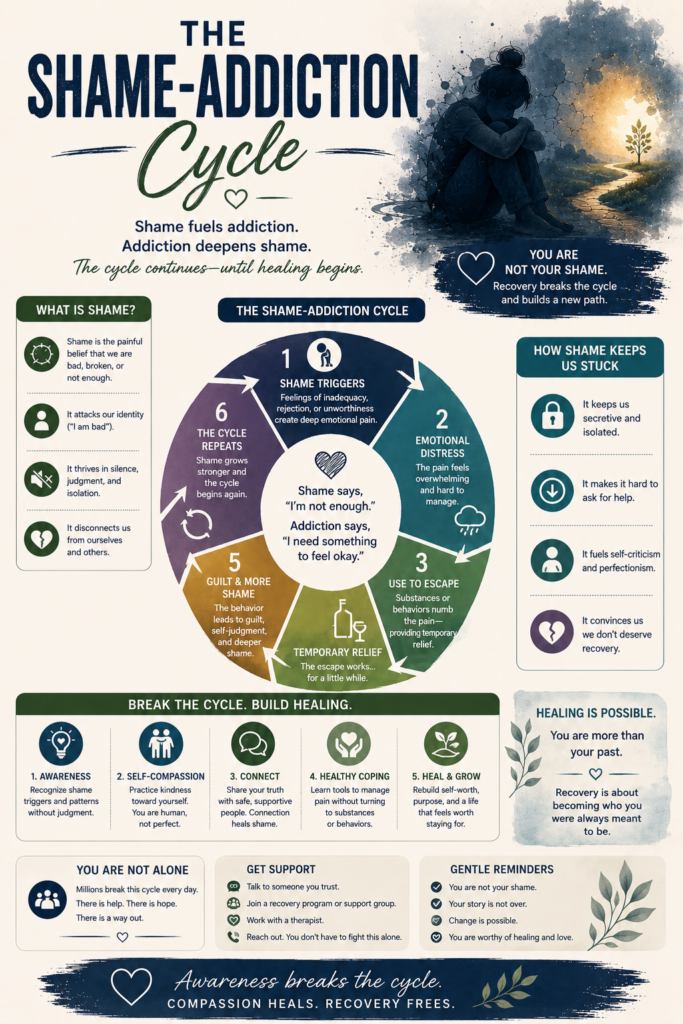
How Shame Fuels Addiction
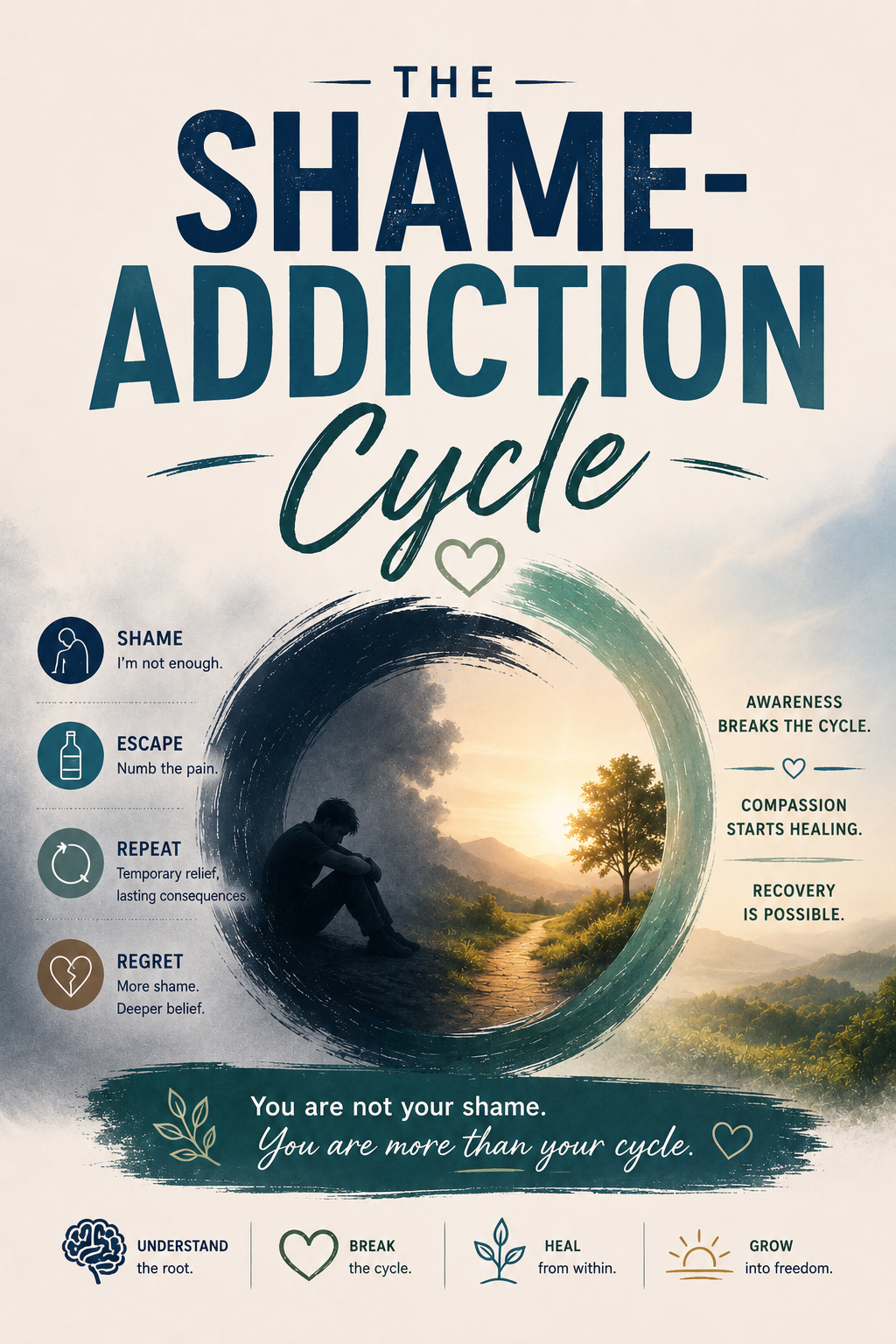
Understanding the link between shame and addiction helps to make sense of why quitting is often so tough. Shame isn’t just a side effect; it’s a driver for a lot of substance use in the first place. Here’s how the cycle usually happens:
- 1. Shame Feeds Silence: People who feel shame often keep their struggles a secret, worrying that others will judge or reject them.
- 2. Isolation Sets In: Shame makes folks pull away from relationships and support systems that could actually help.
- 3. Self-Medication: To escape the dark pit of shame, turning to substances or addictive habits feels like a quick fix, at least for a bit.
- 4. More Shame: Substance use or relapses add new layers of shame, deepening the cycle.
If this is sounding familiar, you’re definitely not alone. Studies published by the National Institutes of Health have confirmed that shame plays a huge role in both starting and keeping addictions going. It isn’t just an emotional experience either. Shame has a physical impact on the brain and body, altering stress responses and making it even harder to move past unhealthy coping behaviors. Understanding this biological tie can help break the sense of personal failure that comes with addiction.
The Hidden Costs of Carrying Shame
The fallout from shame spreads into pretty much every part of life. I see these hidden costs come up again and again in conversations with people trying to recover:
- Physical Health: Shame can ramp up stress hormones, leading to things like lowered immunity and sleep problems over time. It can also raise blood pressure and worsen chronic health conditions. Over time, this can even impact heart health and increase the risk of illness.
- Mental Health: Holding onto shame increases your chances of anxiety, depression, and even suicidal thoughts. People stuck in shame may even avoid seeking help for their mental health, making recovery much harder.
- Relationships: Shame acts like a wall, making it tough to form close bonds or trust people, even loved ones. This can fuel loneliness and a sense of disconnection, which in turn can reinforce addictive cycles.
- Work and School: High levels of shame can make you withdraw, struggle to focus, or start feeling like nothing you do matters ever. It can show up as absenteeism, poor performance, or even abandoning school or job opportunities.
The kicker here is that shame sticks around even when things seem to get better on the outside, like if someone quits using substances but never deals with the shame underneath. Without support to break the cycle, people are far more likely to relapse. The invisible burden of shame can sap motivation and hope, both of which are crucial for sustaining long-term change.
Why Breaking Free from Shame Is So Tough
It would be nice if you could just tell someone, “Don’t feel ashamed,” and that would fix things, but that’s not how it works. Shame is sneaky and hard to address for a few reasons:
- It’s Hidden: Shame thrives in secrecy. Many people hide it so well, even from themselves, that it never gets named or discussed.
- Social Stigma: There’s still a lot of public judgment about addiction, which just piles more shame on anyone struggling with it. All the negative headlines, stereotypes, and gossip reinforce the sense of being a failure or outsider, making it tougher to reach out for help.
- Family Patterns: If you grew up in a family where talking about tough things wasn’t okay, it’s much harder to know how to open up now. Many people have learned to keep quiet to survive, so unlearning this is a real challenge.
This combo makes people turn back to old habits just to numb out the pain, not realizing that the shame is actually making everything harder to fix. The result is a loop where silence and secrecy feed the addiction, while attempts to quit can unexpectedly trigger waves of shame and self-blame.
Tackling Shame in Recovery: What Actually Works
Healing from addiction means dealing with shame head-on. Addressing the shame is just as important as breaking physical dependence on substances because it keeps the gains from recovery going over time. Here’s what’s made a difference for real people I’ve talked to or read about:
- Naming It: Once you have a word for what you’re feeling (hello, shame), it loses some power. Lots of therapists use this first step to help clients see that shame isn’t “the truth”—it’s just a feeling.
- Talking About It: Finding safe people or groups where you can be real about your struggles takes a lot of courage, but it’s one of the fastest ways to make shame shrink. Whether it’s one-on-one counseling, recovery meetings, or just a friend, voicing your story can help you see you’re not alone.
- Counseling and Therapy: Approaches such as shame resilience therapy can help untangle the stories you tell yourself. Cognitive behavioral therapy, for example, can shine a light on those all-or-nothing beliefs and replace them with more forgiving self-appraisals.
- Changing Self-Talk: This means noticing harsh, shame-based thoughts and replacing them with kinder, more understanding ones. Over time, compassionate self-talk helps make room for healing and reduces the impulse to self-medicate with substances.
For those struggling with addiction, 12-step groups, SMART Recovery meetings, and therapists trained in shame resilience are all worth checking out. The Substance Abuse and Mental Health Services Administration (SAMHSA) website also offers many resources to explore these options.
It’s also helpful to remember that shame can’t survive empathy. When someone listens to your struggles and responds with understanding instead of judgment, the shame begins to loosen its grip. Many recovery communities thrive by creating just this kind of connection among members.
Barriers and Roadblocks Along the Way
Tackling shame isn’t a straight path. Some common hurdles people run into include:
- Old Habits Die Hard: Even after learning new tools, old negative self-talk can pop up without warning, especially in stressful situations. Recognizing that these thoughts are old patterns, not present truths, is key to defusing them.
- Relapse Triggers: Moments that remind you of old feelings of shame (like family arguments or losing a job) can set off cravings, even after a decent stretch of sobriety. These triggers can sneak up and are often tied to old wounds.
- Lack of Support: Trying to go it alone or feeling like everyone around you still judges you can keep shame alive, slowing down both healing and real-life change. It’s so important to seek environments where empathy and encouragement are the norm.
Relapses are common, and while they can be super discouraging, they don’t mean someone has failed. Often, they’re a sign that deeper layers of shame are still hiding out and need more attention. This is a normal part of healing, not a permanent setback. Each setback offers a chance to learn more about the patterns that need attention.
Specific Tools to Try
I’ve gathered a few practices that people in recovery have shared as super helpful:
- Journaling: Write honestly about your experiences with shame and how it ties into addiction. You’ll usually find patterns and triggers you can work on. Keeping track over time can help you measure progress and spot new opportunities for growth.
- Mindful Self-Compassion: Skills from programs like Mindful Self-Compassion (MSC) teach you to treat yourself with the same warmth you’d offer a close friend going through the same struggle. This practice can interrupt the spiral of critical self-talk and open the door to healing.
- Volunteering or Helping Others: Doing something kind for others, no matter how small, can help chip away at the isolation and self-criticism shame creates. Acts of service remind you that you matter and can make a positive impact, even when you’re struggling yourself.
- Practicing Gratitude: Keeping a daily list of things you’re thankful for can gently refocus the mind from shame to self-acceptance and hope. Simple routines, like gratitude journaling before bed, can boost mood and reduce the weight of shame over time.
Real-World Examples
One story comes to mind from someone I met through a recovery program. After years of hiding their drinking, what actually helped wasn’t just giving up alcohol—it was joining a small group where people talked honestly about guilt, shame, and setbacks. Over time, this person realized the secrets and silence were feeding the addiction. Little by little, sharing those “shame stories” out loud made them lose their power. While there were relapses along the way, the real turning point wasn’t a perfect streak of sobriety but learning to face shame head-on with support instead of hiding from it.
Stories like this aren’t rare. So many people find real hope in opening up about shame, seeing that feeling broken is a common human experience rather than a personal failing. By witnessing others express their setbacks and breakthroughs, individuals often feel less alone and gain the courage to keep going.
Another example comes from a support group setting, where people celebrated vulnerability. Instead of hiding mistakes, members openly talked about relapses or feeling down, and the group responded with support rather than judgment. This approach helped create a healing environment in which shame didn’t have as much control over anyone’s recovery. The more people share honestly, the more they set each other free from shame’s grip.
Frequently Asked Questions About Shame and Addiction
Question: Why do some people with addiction have more shame than others?
Answer: Everyone’s background is different. Childhood experiences, family culture, and personal beliefs play a big role in how much shame sticks around. Trauma, critical upbringing, or rigid cultural expectations can all pump up feelings of shame around addiction.
Question: Can you recover from addiction without dealing with shame?
Answer: While some people manage to quit using substances without exploring underlying shame, they often find emotional relief and stronger recovery by tackling shame, too. Building skills to handle shame increases your chances of staying sober and actually feeling good in your life going forward.
Question: Are there ways to help a loved one dealing with shame and addiction?
Answer: Listening without judgment, encouraging professional help, and offering steady support instead of advice or criticism can make a big difference. Remind them that they’re not alone and that everyone struggles sometimes. Support groups for family members—like Al-Anon—can also give you tools to be as helpful as possible without taking on the weight of someone else’s shame.
Finding a Path Forward
Healing from shame isn’t about living without setbacks or hiding how you feel. It’s about having the space and support to show up as you really are, flaws, struggles, and all. For anyone facing addiction, tackling shame is really important in finding a way out and building a more hopeful, connected life. If this sounds like your story, there’s support out there, and you’re definitely not the only one walking this path. Progress may not be linear, but each courageous step helps lighten the load—for yourself and others who are struggling, too.
Video: How Shame Turns Into Addiction #psychology #realness