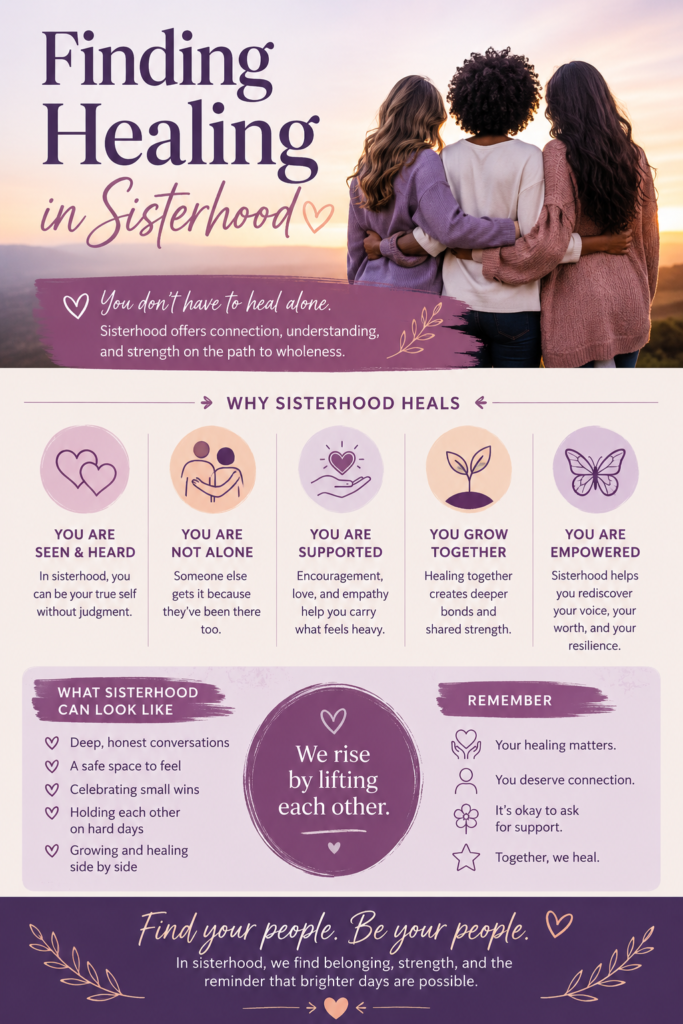
Sisterhood healing isn’t just a buzzword I keep hearing. It’s a real, practical approach that’s changed how many women move through tough times. The whole idea centers on connection, support, and the way shared empathy makes recovery from tough experiences feel a lot less lonely. I’ve witnessed so many people, including myself, realize they didn’t have to face their trauma solo. Let’s walk through why sisterhood healing matters and how joining forces with others can give you strength during the hardest moments.
Understanding Sisterhood Healing: What It Really Means
Sisterhood healing is about connecting with others who genuinely “get” what you’re going through. This doesn’t have to be limited to blood relatives—it can involve close friends, online communities, or local support groups. The core of it is emotional safety: knowing you’re not being judged and that people have your back no matter what.
The concept emerged from women recognizing the need for healing spaces free from judgment and competition. Decades back, support networks for trauma were often clinical or cold. Sisterhood healing brings a much more personal, grounded approach, something I’ve found to be super important for lasting wellbeing. If you’ve experienced trauma, having a supportive group can be more effective than working through things alone.
Why Facing Trauma Alone Can Be Overwhelming
Going it alone when dealing with trauma can make the process far tougher than it needs to be. I’ve been there; ringing doubts, self-blame, and isolation make it easy to believe you should figure everything out yourself. Here are some reasons why solo healing is challenging:
- Isolation Makes Symptoms Worse: Without support, feelings like guilt, shame, and anxiety can get heavier. This can feed into depression and make healing seem out of reach.
- Lack of Perspective: When you don’t have others to talk to, it’s easy to get stuck in your own head. Friends, chosen family, or communities can give perspective and remind you what’s actually true.
- Missing Structure: Maintaining a recovery routine or staying motivated to heal on your own can be hard. Other people help keep you going.
I remember thinking that reaching out made me look weak, but in truth, letting people in was how I started to rebuild my confidence and see real progress in my healing.
What Makes Sisterhood Healing So Powerful?
Sisterhood healing stands out for its ability to offer a sense of belonging. Trauma can make you feel like an outsider, but being part of a group can flip that script. Here’s what makes it special:
- Collective Wisdom: Shared stories give everyone hope and ideas. Sometimes, just hearing that someone else survived a similar situation gives you new strength.
- Validation, Not Judgment: Real sisterhood means holding space instead of giving unwanted advice. That validation is a game-changer, especially after feeling misunderstood elsewhere.
- Resources and Practical Help: Communities often share mental health tools, books, podcasts, and recommendations for therapists or support services. That convenience is pretty handy when you don’t know where to turn next.
- Accountability and Motivation: When tough days come, group members often check in or gently nudge each other to keep going. Simple gestures like texts or group chats can be very motivating.
Ways to Build Your Own Healing Sisterhood
Finding or starting a healing-focused sisterhood doesn’t have to be overwhelming. These are a few practical options that worked for me, and for many others I know:
- Join Local Support Groups: Libraries, community centers, or local therapists often host free or low-cost groups focused on trauma recovery and shared experiences. Even if you’re shy, attending a few meetings can help you connect.
- Explore Online Communities: There are reputable online forums and social platforms specifically for trauma survivors. These can be a good choice if in-person groups are out of reach or just feel too intense to start with. Just make sure you choose spaces known for positive support and moderation, like The Mighty or r/traumatoolbox on Reddit.
- Start Your Own Small Circle: Sometimes, just two or three trusted friends who check in on each other regularly can have a huge impact. Set up regular calls or coffee dates focused on honest conversation and mutual support.
- Workshops and Retreats: If it fits your life, day workshops or weekend retreats built around healing, mindfulness, and connection can be a powerful way to build relationships and expand your support system.
In my own experience, mixing and matching these options helped me find a balance and support network that fit my needs. Each form of connection offered unique benefits and lessons along the way.
Common Roadblocks in Group Healing (and How to Tackle Them)
Building strong connections takes effort, and a few hurdles often pop up. Here’s what I’ve seen, and some tips for getting past them:
- Opening Up Feels Risky: It’s scary to share personal stories, especially after feeling dismissed elsewhere. A good group lets you go at your own pace. You don’t have to reveal everything right away. Take time to build trust and comfort.
- Past Group Trauma: Some people have bad experiences with groups, such as family tension or mean girls at school. If this hits home, keep things low-key until you feel safe; start with messages or one-on-one chats before stepping into bigger circles.
- Comparison and Jealousy: Social media makes it easy to compare your progress to others. Real sisterhood means everyone’s path is valued. Remind yourself that healing isn’t a race and try to celebrate any win, no matter how small—and recognize that support is not about comparison but about encouragement.
- Finding the Right Fit: Not every group will click. If one space doesn’t work, try another. Trust your instincts; if you sense judgment or negativity, it’s okay to step away and look for a better fit.
The Value of Listening
Sometimes, being a good listener is even more healing than sharing. I’ve found that holding space, just being there as someone talks about their pain, can create deep connections. Even listening with a quick text or sending a heart emoji to a friend can have a surprising and powerful effect.
Setting Boundaries is Important
Support doesn’t mean ignoring your own needs. Make sure you set boundaries; if certain topics are too much, or you need a break, say so openly. Most healthy groups understand and respect this and encourage honesty and self-care.
How Sisterhood Supports Long-Term Healing
Over time, group support helps switch up habits and thinking in uplifting ways. These are some of the long-term benefits:
- Reduces Isolation: Loneliness can make old wounds worse. Consistent group connection lowers the risk of withdrawal and supports better mental health over time.
- Builds Emotional Skills: Group discussions encourage emotional resilience, active listening, and assertive communication. These are tools you’ll carry into life after trauma.
- Models Healthy Relationships: Watching others set limits, offer comfort, and apologize when needed helps you practice these same skills in your own life and in new relationships.
- Encourages Growth: Being heard and witnessed gives people permission to try new things, set goals, and imagine a future beyond their pain. It opens new possibilities for redefining what is possible.
These benefits may show up in small ways at first, but over months or years, the improvements are real and lasting. Strengthening these connections can turn a difficult period into a stepping stone for building a more connected and positive future.
Real-Life Examples: Sisterhood Healing in Action
I’ve seen all kinds of sisterhood healing groups flourish, both in-person and online. Women I’ve met in community circles have shared stories that remind me how valuable it is to have a strong network. For example, a close friend of mine joined a weekly trauma processing circle and eventually started her own art therapy group online. I’ve watched others reach out via book clubs or hiking meetups, where honest conversations came just as easily as laughter.
Studies back this up, too. For instance, research from the American Psychological Association points out that people in supportive peer groups are more likely to see lasting positive changes after trauma. If you’re curious, check out resources like the Women’s Therapy Center Institute or the Trauma Research Foundation for more on the science and support options. These organizations offer insights, workshops, and support networks for those looking to connect.
Frequently Asked Questions
Here are some questions I often get about sisterhood healing, along with answers based on what’s worked for me and my circles.
Question: How do I know if a group will be helpful or harmful?
Answer: Trust your gut. Healthy sisterhood healing groups focus on respect, privacy, and emotional safety. If there’s drama or shaming, it’s okay to move on and find a better fit.
Question: Is it normal to feel guilty or awkward asking for support?
Answer: Yes, most people feel weird reaching out at first. But everyone needs support at some point, and genuine circles are happy to welcome you in. They know how tough that first step can be and usually do their best to ease the process.
Question: What if I’m not ready to talk about my trauma in front of others?
Answer: You don’t have to share right away. Just being present and listening can be helpful. Share what you’re comfortable with and remember, this is your process. Taking things one step at a time is perfectly okay.
Key Takeaways: Moving Forward Together
Sisterhood healing offers real, practical benefits for those seeking support from trauma. Support groups and honest friendships can make tough days easier and give you the tools to move forward, one step at a time. If you feel alone, reaching out can open doors to understanding, growth, and new hope. Healing is always possible; together, it gets a lot easier, and you don’t have to do it all by yourself.
Video: My sisters didn’t fix me; they reminded me I was worth saving #healing #support