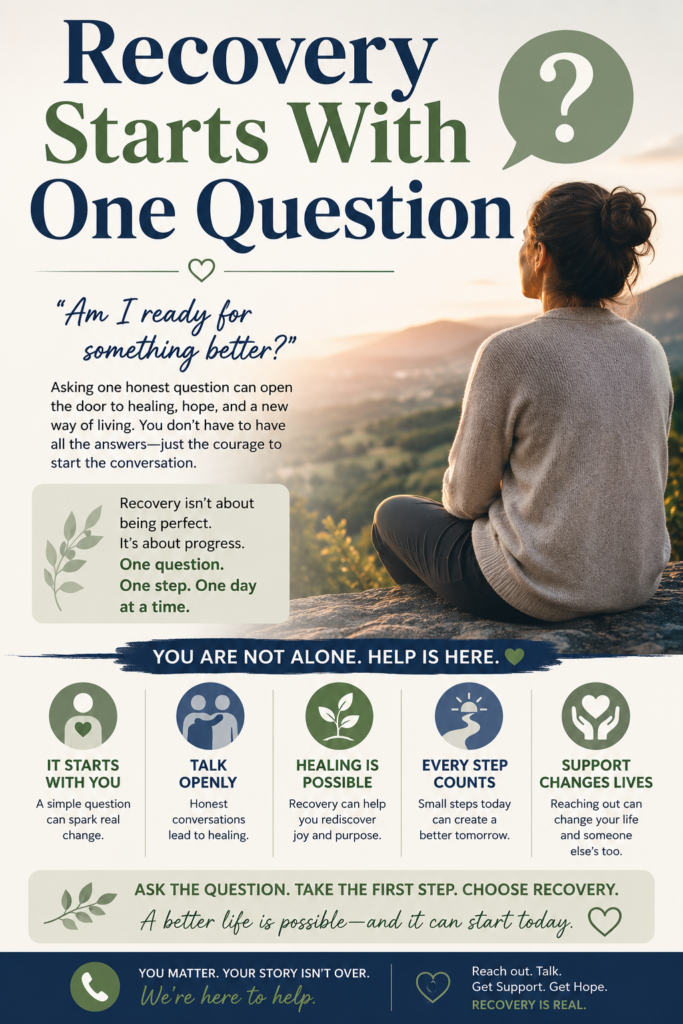
Recovery, whether it’s from addiction, burnout, heartbreak, or even a rough patch in life, can sometimes feel like climbing a mountain on a foggy morning. The adventure is different for everyone, but there’s usually one thing that kickstarts the process: a single, powerful question that makes you look at your situation in a new light. For me, that question was, “What if things could be better?” It sounds simple, but that little bit of curiosity pushed open the door to hope. Here’s a closer look at how recovery often starts with just one question and why giving yourself a moment to reflect on it can be a total game-changer.
The Power of a Single Question in Recovery
Recovery isn’t always about hitting rock bottom or making grand declarations of change. A lot of times, things start to mix it up when you pause and honestly ask yourself one meaningful question. This question might be different for each person. Some folks ask, “Am I really okay living like this?” while others wonder, “What do I want my life to look like in a year?”
The biggest thing about this question is that it gets you to notice how you’re feeling right now. That’s way more important than most people realize. Once you recognize where you are, it’s a lot easier to figure out where you want to go. According to the Substance Abuse and Mental Health Services Administration (SAMHSA), recovery is driven by hope, and hope often shows up as a tiny question mark in your mind.
I remember the first time I let myself wonder, “Could I actually get better?” I didn’t need a plan or a to-do list at that point. I just needed to leave the door open for the idea that things could improve. It didn’t fix everything overnight, but it started a snowball that grew over time.
The Science and Psychology Behind Self-Inquiry
There’s real science behind why asking yourself a key question works so well. Psychologists call this kind of thinking “self-inquiry.” It basically means getting curious about your beliefs, feelings, and habits instead of getting stuck in your usual routine.
Studies show that when people take a moment to ask themselves questions such as “How am I really doing?” or “What am I avoiding?”, they activate the parts of their brain responsible for self-reflection and personal growth. That’s pretty handy if you’re aiming to make lasting changes. Questions help create some mental distance from automatic habits, so instead of just reaching for a drink or snapping in anger, you have a chance to hit pause and choose what happens next.
Creating space for curiosity is powerful. By giving yourself permission to ask “why,” you gently loosen the grip of old patterns and open yourself to new possibilities. Sometimes it takes courage just to ask, but that moment can change everything.
How to Find Your Own Turning Point Question
If you’re not sure where to start, try thinking about the areas of your life causing you the most frustration or discomfort. You don’t need a therapist’s couch to spot what isn’t working. Sometimes the most helpful question pops up when you’re quietly fed up with the way things are going.
- Am I okay with how I’m feeling lately?
- What’s one thing I wish were different about my everyday life?
- If I could change one thing, what would it be?
- What’s something I used to enjoy that I’ve stopped doing?
Your question doesn’t have to be earth-shattering. It just needs to be honest. For a lot of folks, the real magic comes from finally being real with themselves. There’s no right or wrong answer; only what feels true to you in the moment.
If nothing comes to mind, try journaling about your current routine or the way you feel each day. Sometimes, writing out your thoughts lets you stumble upon the question you actually need to ask. It might start as a whisper and get louder as you listen. Trust the process—even the simplest question can start something big.
Building Momentum: Small Steps Forward
Once you’ve asked your big question, the next step is usually just taking one small action. People sometimes feel they need to overhaul their lives overnight, and that’s where things get overwhelming fast. Trust me, one small switch-up a day is how lasting change actually happens.
- Write It Down: Jot your question in a journal. Seeing it in your own writing makes it real and can help you spot patterns when you revisit it later.
- Share With a Friend: If you trust someone, asking your question out loud can ease the pressure and open up a supportive conversation.
- Try One New Thing: Act on your reflection. If your question was about feeling lonely, maybe you can reach out to someone this week. If it’s about stress, schedule a 10-minute break for yourself today.
- Celebrate Tiny Wins: Give yourself credit for each step. Momentum builds from lots of small wins stacked together.
Remember, there’s no such thing as “too small” when it comes to progress in recovery. If you feel stuck, just taking one action—even as simple as making your favorite cup of tea—can help nudge you toward the next step. Little changes add up fast.
Common Roadblocks (and Some Practical Fixes)
Starting recovery with one honest question sounds simple, but a few common things can slow you down:
- Fear of the Unknown: It’s totally normal to feel nervous about what change might bring. Remind yourself you’re just checking out possibilities, not locking into anything permanent.
- Perfectionism: Wanting the “perfect” answer can stop you from asking anything at all. There’s no need for the question to be profound; whatever pops up is good enough.
- Shame or Guilt: Sometimes it’s hard to face tough truths. Try talking to yourself the way you’d talk to a friend—gently and with curiosity, not criticism.
- Lack of Support: Recovery runs smoother with people in your corner. If you don’t have a support system, online communities and support groups are worth a look. MentalHealth.gov has some solid resources to get started.
Fear of the Unknown
When asking yourself a tough question, fear about what the answer might mean is common. A practical approach here is to remind yourself that just asking doesn’t automatically mean you have to act right away. You can sit with the question and revisit it later; you’re in control of the pace.
Perfectionism
Some folks hold back because they feel their question isn’t “deep enough.” Keeping it simple actually helps. Even questions like “What do I need right now?” are more than enough to get things going. Give yourself permission to ask basic questions and see what comes up. You don’t need to make it profound—just honest.
Dealing With Shame
Shame is heavy, but it loses a lot of its power when you talk back to it. Writing or speaking your question helps make it less scary. Recovery is really personal, and being kind to yourself goes a long way. If shame keeps popping up, consider reading others’ recovery stories to see that you’re not alone.
Lack of Support
If you feel alone, plugging into a group or reading relatable stories online can give you momentum. There are forums and support groups for nearly every challenge; connection is closer than you think. Reaching out isn’t always easy, but even anonymous participation or following helpful accounts can ease the isolation.
Stories and Examples: What One Question Looked Like for Others
Everyone’s adventure is unique, and different questions have sparked recovery for different people. Here are a few examples from people I’ve spoken with and some that pop up regularly in recovery groups:
- “When did I last feel really alive?” This question helped a friend rediscover old hobbies, easing her anxiety and giving her a sense of purpose.
- “Is this job supporting my wellbeing?” Someone else realized that work was burning them out, so they set a new boundary: turning off email after hours. That was their first step toward feeling less drained.
- “Do I want to go another year feeling this way?” A family member’s question sent him to a support group where he found people who understood him. The group helped him stick with new routines.
- “What am I not seeing about my own feelings?” One person used this question to check in daily, which helped them identify patterns and start healing unresolved pain.
All these stories started with a question, not a solution. That’s the beauty of it; curiosity, not perfection, is what unlocks progress. Reflecting on your own story may bring up ideas you hadn’t considered before.
FAQs About Starting Recovery With One Question
Here are a few of the most frequent questions I see about using this approach for recovery:
Question: Do I need an answer to big decisions, or any time right away?
Answer: Not at all! Sometimes the most helpful thing is just being willing to ask. Answers usually show up over time, especially if you give yourself space to reflect.
Question: What if asking tough questions makes me feel worse?
Answer: That happens sometimes. It can be uncomfortable to look honestly at hard things. If it feels overwhelming, you’re not alone; taking breaks, reaching out for support, or talking to a mental health professional can help.
Question: Can this “one question” idea work for things besides addiction or mental health?
Answer: Absolutely. This approach is helpful in all sorts of tough spots: job changes, grief, relationships, big decisions, or any time you need a reset.
Starting Today: Why This One Question Matters
Recovery is different for everyone and never follows a straight line. But starting with one honest question gives you traction. For me, embracing even a tiny flicker of curiosity opened up hope when I felt super stuck. If you’re in that kind of place, giving yourself grace to wonder “Could this get better?” might be just what you need to start moving again. The question isn’t the end. It’s often the very best beginning, and that first bit of curiosity can transform your outlook in ways that last. Take a breath, ask your question, and see where the adventure takes you next.
Video: This Question Saved My Life #recovery #addiction #turning point