Vaping gets a lot of attention, both from people curious about alternatives to smoking and from those concerned about health. It’s super easy to see why it’s grown in popularity, but the impact of vaping on your heart and blood vessels doesn’t get talked about as much as it should. I’m here to break down exactly how vaping can ramp up your cardiovascular risk, using straightforward language and real research.
What Happens When You Vape?
Every time someone takes a puff from a vape device, they’re inhaling a mix of nicotine, flavorings, and several other chemicals. Unlike traditional cigarettes that burn tobacco, e-cigarettes use a battery to heat a liquid, turning it into vapor. That might sound less harsh on the body, but there’s a lot going on under the surface.
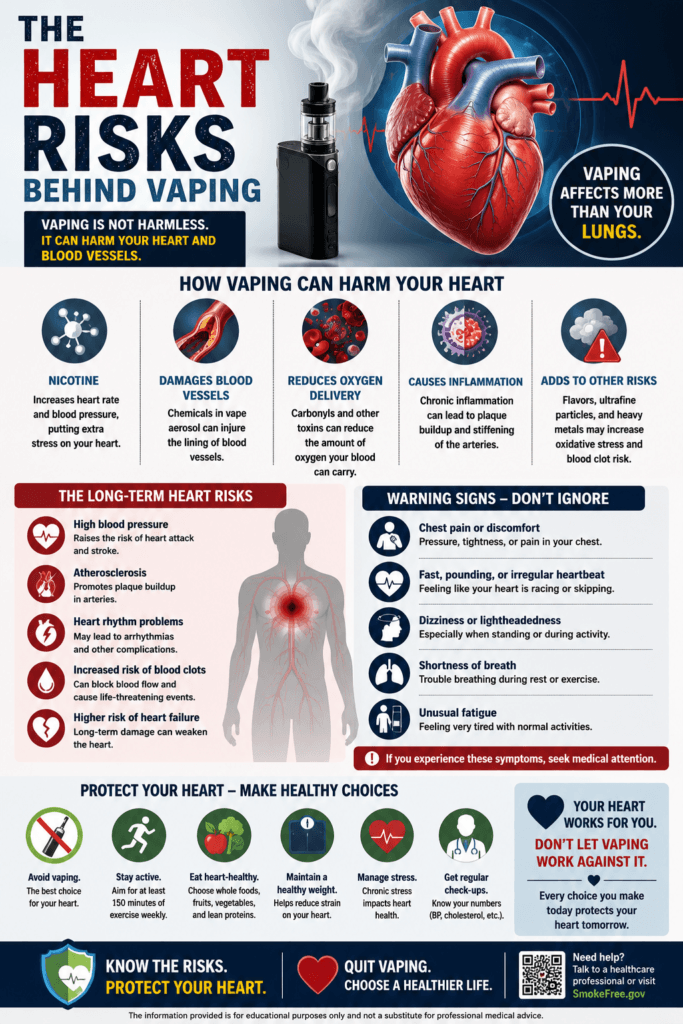
Nicotine, the main ingredient in most vape liquids, is known for its effects on the heart and blood vessels. Besides nicotine, vapes often contain propylene glycol, vegetable glycerin, and various flavoring compounds. When heated, these can break down into potentially harmful byproducts, some of which are pretty nasty for your cardiovascular system.
Why Does Vaping Affect Your Cardiovascular System?
The heart and blood vessels make up the cardiovascular system, and keeping it in good shape is really important for overall health. Vaping can make this system work harder and less efficiently. Here’s how:
- Nicotinic stress: Nicotine stimulates the body’s fight-or-flight system, making your heart beat faster and causing blood vessels to narrow.
- Blood pressure changes: Elevated blood pressure puts extra strain on the heart and vessels, which over time can lead to wear and tear.
- Inflammatory response: Chemicals in vape aerosol can cause blood vessels to become inflamed, triggering a chain reaction of damage.
There’s also growing evidence that vaping isn’t just a problem for people who already smoke. Even those who’ve never touched traditional cigarettes may be exposing their cardiovascular system to new risks.
Key Ingredients in Vape Liquids Linked to Heart Risk
Breaking it down by ingredient helps show where the problems really come from. Here are some of the main components that can spell trouble:
- Nicotine: Increases adrenaline, which can raise blood pressure and heart rate.
- Propylene glycol and vegetable glycerin: Safe in small amounts for food, but when heated and inhaled, they can irritate both the lungs and blood vessels.
- Flavorings: Some of the sweet and fruity flavors can break down into toxic compounds when heated. Specific chemicals, such as diacetyl (once used for buttery flavors), are linked to inflammation and damage to blood vessels.
Several studies, including one published in “Arteriosclerosis, Thrombosis, and Vascular Biology,” have shown that vaping liquids can lead to endothelial dysfunction. That means the inner lining of blood vessels stops working smoothly, setting the stage for problems like high blood pressure and clogged arteries.
How Vaping Affects Blood Vessels and Heart Function
When someone vapes, here’s how it can impact the blood vessels and heart step by step:
- Immediate Effects: Right after vaping, the blood vessels constrict. This makes it harder for blood to flow and forces the heart to pump with extra effort.
- Chronic Stress: Vape users who use nicotine regularly keep their system in this high-alert state, which can be tough on the heart over the long term.
- Oxidative Stress and Inflammation: Vaping can cause molecular-level stress inside arteries, leading to inflammation. Over time, this can cause vessels to stiffen or become clogged.
A paper from the American Heart Association pointed out that people who vape regularly can show markers of higher inflammation and higher levels of clotting factors. Basically, the blood is more likely to form clots that cause heart attacks or strokes.
Common Misconceptions About Vaping and Heart Health
It’s really common to hear that vaping is a “safer” option than cigarettes, and while that’s not totally wrong, it doesn’t mean vaping is safe overall. Here are some things I see people get wrong:
- “No smoke, no problem.” Even without burning tobacco, vapes introduce chemicals that stress the cardiovascular system.
- “Nicotine is the only issue.” While nicotine is a big player, some so-called nicotine-free vape liquids still contain trace amounts of nicotine or other irritants.
- “Switching to vaping reverses heart risk.” For people who quit smoking and start vaping, heart health may improve in some ways. But long term, vaping still presents risks, especially for younger users or those with other health problems.
Some studies, like the 2022 review from the European Society of Cardiology, point out that vaping may lead to new heart cases even among those with no history of using cigarettes.
Real-World Effects and Research Insights
Plenty of studies have tried to sort out exactly how harmful vaping is for the cardiovascular system. Observational research, like the National Health Interview Survey (NHIS), links vaping to a higher risk of heart attacks and coronary artery disease. A study in “JAMA Network Open” in 2019 found that current vape users had a higher chance of heart attack, even after adjusting for history of cigarette use.
Here are a few eye-opening findings:
- Regular vaping increases risk factors linked to heart disease, including high blood pressure and stiff arteries.
- Younger adults, including teens, can show early warning signs of vascular issues after just months of regular use.
- Dual users (people who smoke cigarettes and vape) often have an even higher risk than those who stick to just one.
Doctors and researchers globally agree that, while vaping might carry fewer cancer risks than cigarettes, the heart and blood vessels clearly take a hit.
Practical Tips if You Vape or Are Thinking About It
If you’re using vapes as a replacement for smoking, it’s good to understand both the benefits and the continuing risks. Here’s what I suggest:
- Get clear on the risks: Even without smoke, you’re still exposing your heart to stress.
- Consider nicotine-free options carefully: These aren’t always free from other chemical irritants.
- Start a conversation with your doctor: Your healthcare provider can offer personalized advice if you’re trying to quit or worry about the effects of vaping.
Quitting altogether is the best way to support long-term heart health. There are nicotine replacement therapies (patches, gum, lozenges) that don’t involve inhaling chemicals, and lots of people find support groups or counseling really useful.
Other Lifestyle Factors That Can Boost or Lower Heart Risk
Vaping isn’t the only factor in heart health. Pairing it with unhealthy habits (poor diet, no exercise, high stress) can increase your risk. On the flip side, building up heart-healthy routines can help buffer some of the effects of past or occasional vaping:
- Eat foods that support vascular health, such as fruits, vegetables, and whole grains.
- Exercise regularly—even walking can make a difference.
- Stay hydrated and prioritize sleep.
- Find other ways to cope with stress, like yoga or deep breathing exercises.
A mix of healthy habits, along with steering clear of vaping, really boosts your chances of keeping your heart in good shape long-term.
Frequently Asked Questions
Plenty of folks have questions about vaping and their heart health. Here’s a quick rundown of what people ask me most often:
Is vaping less dangerous than smoking for the heart?
Swapping cigarettes for a vape may cut out some of the cancer-causing chemicals, but your heart and blood vessels are still affected by nicotine and other vape chemicals.
Can occasional vaping raise heart risk?
Even infrequent vaping can temporarily raise blood pressure and heart rate. Ongoing use has a stronger effect, but occasional use isn’t risk-free.
Are nicotine-free vapes safe for your heart?
Nicotine is a big culprit, but some “nicotine-free” vapes still have other chemicals that may not be friendly to your heart arteries, especially if used regularly.
Stepping Back: What You Can Do Now
Understanding how vaping can increase cardiovascular risk helps you make the best choices for your health. If you’re concerned about your heart or want to quit vaping, reaching out to a health professional is a really smart first step. Small lifestyle changes and increased awareness can make a big difference in protecting your heart for the long haul.
Video: Vaping vs Your Heart: The Battle You Can’t Afford to Lose