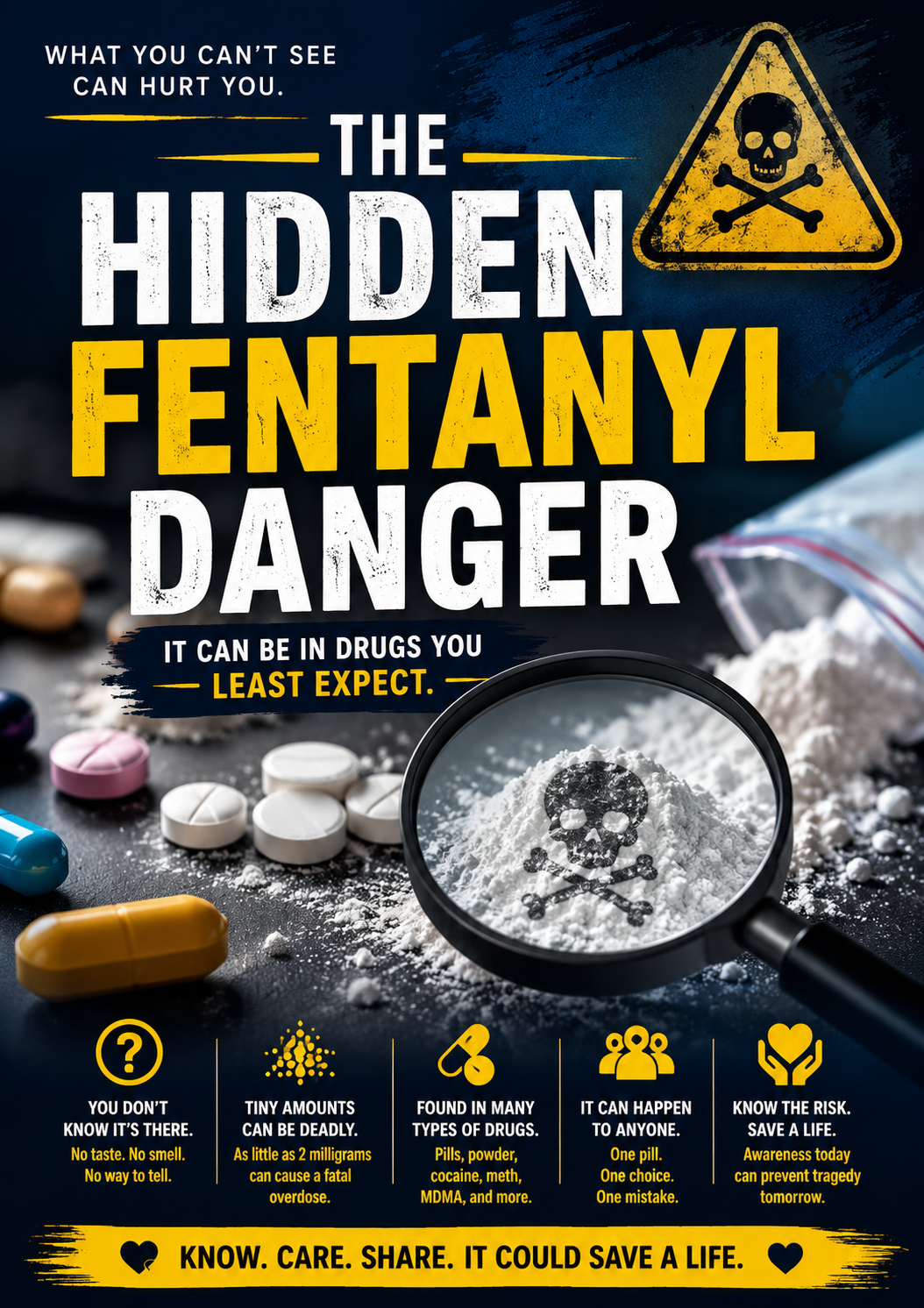
Fentanyl has become a headline topic in recent years, popping up in a lot more places than you might expect. Traditionally, this drug was seen mostly in hospital settings or prescribed for severe pain, but now, trace amounts are being found in drugs where you’d never expect it. That’s causing a whole new set of risks, especially for people who might not realize what they’re actually taking. Here’s a look at how fentanyl is sneaking its way into more drugs, what that means for people who use them, and some things to keep in mind to stay as safe as possible.
How Fentanyl Enters Unexpected Drug Supplies
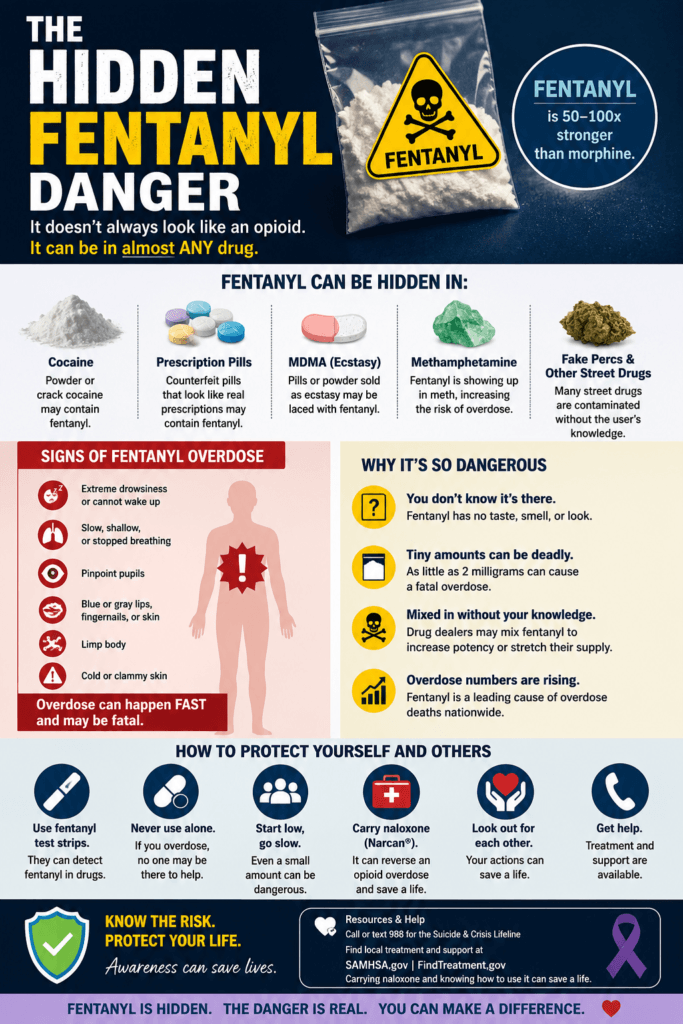
Fentanyl isn’t just risky because of its potency; it’s also showing up in places you wouldn’t necessarily think to check. It’s turning up in everything from counterfeit prescription pills to cocaine, meth, and even party drugs like MDMA. The main reason for this is simple: it’s cheap to make, super potent in small doses, and sometimes it gets mixed in by mistake or to stretch out other drugs for profit.
Illicit labs can press fentanyl into pills that look just like legit prescription medications, which makes them really hard to spot. There are also cases where powder drugs have been cut with fentanyl, either to boost their effects or, sometimes, through cross-contamination on the same equipment. Someone might think they’re taking one thing and actually be exposed to something completely different, which can be much more hazardous.
Common Drugs Where Fentanyl Has Been Found
This drug has shown up in all sorts of places, including some that might surprise even experienced users. Here’s a list of some of the most common spots fentanyl turns up unexpectedly:
- Counterfeit Pain Meds: Fake oxycodone, hydrocodone, and Xanax pills are sometimes actually fentanyl with some fillers. People buying these on the street face a much higher risk.
- Cocaine: Both powder and crack forms have been contaminated with fentanyl in certain communities.
- Heroin: Fentanyl-laced heroin is one of the biggest drivers of sudden overdose spikes lately.
- Methamphetamine: Recent reports are finding meth cut with fentanyl, putting stimulant users at unexpected risk.
- MDMA (Ecstasy) and Other Party Drugs: A handful of cases show that even substances like these have turned up positive for fentanyl.
Why Fentanyl Is So Dangerous When Mixed In
There’s a reason fentanyl is so risky: it’s unbelievably strong. Even a little bit can do a lot of damage. Someone used to a regular dose of another drug can be hit much harder than they expect if fentanyl slips in, since its strength is about 50 to 100 times that of morphine. This means even tiny contaminants can make a batch life-threatening.
This is extra concerning for people who aren’t used to taking opioids. Taking cocaine, meth, or a party pill doesn’t usually prepare your body for an opioid overdose. So if fentanyl is mixed in, people might not see the warning signs or have naloxone nearby to turn things around if an overdose happens.
Important Terms to Understand
If you’re reading up on fentanyl in unexpected places, you’ll probably come across some terms that can be confusing. Here’s a quick guide to some concepts that pop up a lot in news stories and harm reduction resources:
- Pressies: Slang for counterfeit prescription pills, often made outside regulated pharmacies. Can contain fentanyl or other unknown substances.
- Fentanyl Test Strips: These simple tools can check powders or pills for fentanyl presence. Not 100% foolproof, but they can help lower the risks.
- Naloxone (Narcan): A medication that can reverse opioid overdoses, including those caused by fentanyl, if given in time.
- Tolerance: How much your body gets used to a certain drug. Someone with low opioid tolerance is especially at risk if fentanyl is present.
- Cross-contamination: When equipment used for different drugs accidentally spreads trace amounts of one drug to another.
Practical Tips to Stay Safer
Figuring out how to reduce risks when fentanyl might be around isn’t always straightforward, but there are a few things that can make a big difference.
- Use Fentanyl Test Strips: Many harm reduction groups offer these at little or no cost. While these strips aren’t perfect, they offer a heads-up if fentanyl is present, especially in powders and pills.
- Don’t Use Alone: Having someone nearby increases the chances that help is available if things go sideways. Using a buddy, or even asking someone to check in, can save lives.
- Keep Naloxone Handy: This is really important, even for people who don’t think they’re taking opioids. Naloxone is safe, easy to learn, and widely available from pharmacies or local programs.
- Start Slow: If you choose to use substances from an unfamiliar batch, trying a much smaller dose first lowers the odds of an unexpected overdose.
- Buy from Trusted Sources (when possible): Nothing is completely risk-free, but people who know and trust their suppliers may be better able to avoid unexpected substances.
For more information on harm reduction and safe practices, check out resources from the CDC and the Harm Reduction Coalition.
Real-World Challenges and Risk Factors
Safe supply and reliable drug information remain significant challenges. Even experienced users can be caught off guard by a batch that’s stronger than expected. Here are a few issues people should think about:
- Rapid Overdose Effect: Fentanyl acts fast. Overdoses can occur within seconds to minutes of use, leaving little time to react.
- Stigma and Access: Some people are afraid to ask for help or get naloxone due to social stigma about drug use.
- False Sense of Security: Pills from friends or even at parties might look just like pharmacy meds, but could still be counterfeits with fentanyl inside.
- Changing Drug Markets: With more unregulated sources, the exact content of street drugs changes constantly, making it hard to predict what’s safe.
Rapid Overdose Effect
Since fentanyl works so quickly, the standard signs of trouble, like nodding off, slowed breathing, or not waking up, can look subtle at first. For those not experienced with opioids, the signs are even easier to miss. Fast access to naloxone and knowing how to spot an overdose make a real difference in these situations.
Stigma and Access
Carrying naloxone is nothing to be ashamed of, but stigma can hold people back. Some areas are working to make naloxone available without any questions. Connecting with local harm reduction resources saves lives and keeps everyone a bit safer.
False Sense of Security
Pills from unofficial sources might look the part, but with the wave of counterfeits, you can’t always trust appearances. That’s why testing and caution really matter, even for someone who thinks they’re getting a pharmaceutical-grade product.
Changing Drug Markets
Trends switch up quickly. A batch that was fine last month might not be the same now. Networks providing up-to-date information about what’s out there are super useful for people trying to stay informed. Apps and text alerts are emerging to provide real-time information in some cities, helping keep communities updated on the latest risks.
Being aware of current risks, using available tools, and connecting to community support increases the odds of staying safer, even as fentanyl keeps appearing in unexpected places. Checking in with local harm reduction groups can be a lifesaver by providing updates and tools to anyone at risk.
Advanced Strategies for Lowering Risk
Some harm reduction tips go beyond the basics. Here are a few ways to add another layer of safety if fentanyl might be present:
Crush and Mix: Mixing a pill or powder portion well before use helps spread out any hotspots of fentanyl, lowering the risk of hitting a strong patch.
Rotate Sources Carefully: Even regular suppliers can get an unexpected batch. Rotating sources may reduce repeated exposure if there’s a bad batch, but it introduces new unknowns. Keeping track of local outbreaks and talking with others in the community helps people make safer choices.
Tap Community Alerts: Harm reduction groups and some health departments offer text or web alerts about local spikes or tainted batches.
Use Drug Checking Services: Some outreach centers have more advanced drug-checking tools, such as spectroscopy machines that test for multiple substances. These can be used if available in your area and are an added layer of safety.
Keeping an open conversation with friends or contacts who use drugs offers another layer of early warning and support, making a real difference in emergencies and helping everyone stay informed on new trends or risks.
Quick Reference: What to Do If You Suspect Fentanyl Exposure
- Call emergency services right away if someone stops breathing or can’t be woken up.
- Give naloxone if it’s available, even if you’re not totally sure it’s an opioid overdose. Multiple doses might be needed for fentanyl.
- Stay with the person and keep them in the recovery position until help arrives.
- Be honest with emergency responders about what was used. Accurate info helps get the right care faster.
Frequently Asked Questions
Some of the most common questions about fentanyl appearing in drugs cover how it happens, what to do, and where to get more info. Here’s what I hear most often:
Question: How can I tell if a pill or powder has fentanyl?
Answer: There’s no way to tell just by looking. Lab testing or fentanyl test strips offer better odds of finding out, but even those aren’t perfect.
Question: What’s naloxone and how do I get it?
Answer: Naloxone, often called Narcan, reverses opioid overdoses. It’s available in most states from pharmacies, health departments, or harm reduction services.
Question: If I only use stimulants like cocaine, do I still need to worry about fentanyl?
Answer: Yes. Fentanyl has been found in stimulants and party drugs. Carrying naloxone and using test strips is a good idea for anyone using substances bought outside a pharmacy.
Being Informed and Staying Safer
Unintentional fentanyl exposure is a real issue that changes the conversation around drug safety. It’s not about scaring anyone; it’s about making sure everyone has the info, tools, and support they need. Tools like fentanyl test strips, naloxone, and community alerts are worth checking out if you or people you care about might be in situations where street drugs are involved. Staying informed and being prepared means people have a better shot at a safer outcome, even as drug trends shift quickly.
Video: The Hidden Dangers of Fentanyl: What You Need to Know