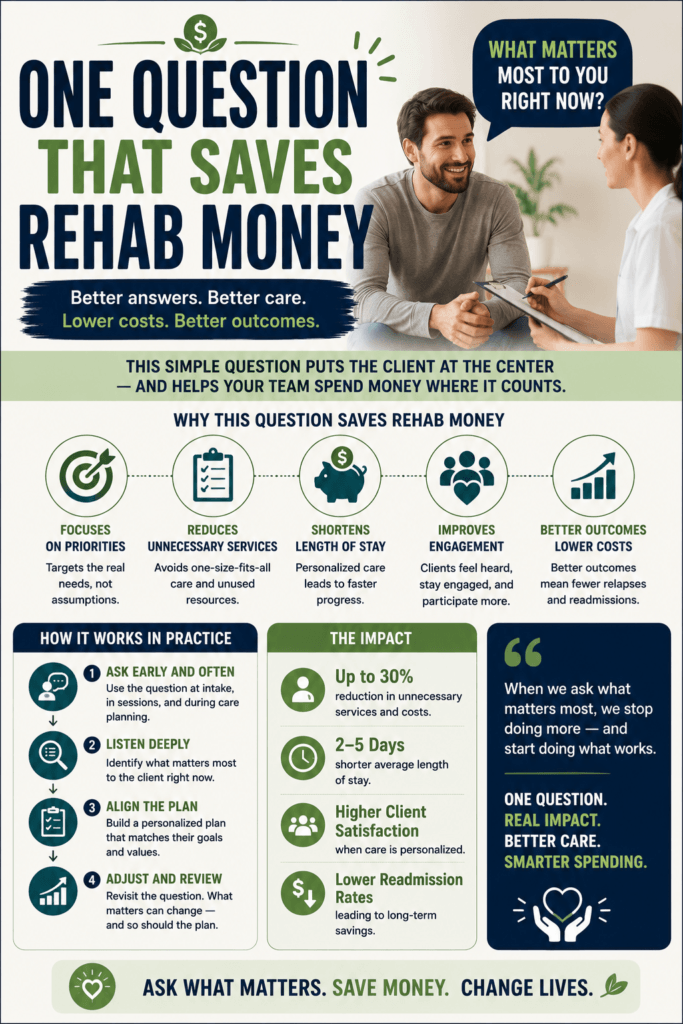
If you’ve ever faced the rough costs that come with rehab projects, whether it’s fixing up a rental, renovating a home to flip, or just bringing a tired old property back to life, you know how fast the spending can get out of hand. I used to get into renovation projects, armed with inspiration but short on ways to avoid expensive surprises. Over time, I picked up a simple question that’s saved me a lot of headaches and money. In this article, I’m going to break down the one question I always ask before I commit to any rehab decision, how it saves money, and the practical steps you can use to keep your own project on track and on budget.
Why Rehab Costs Spiral Out of Control
Rehab projects look simple at first glance. You figure, “It just needs some paint, new flooring, maybe a couple of updates to the kitchen.” But anyone who’s spent time with contractors or poked around behind an old drywall knows things can change quickly. Hidden plumbing problems pop up. Materials end up costing more than you planned. There’s usually something you hadn’t even considered, like asbestos or wiring from the 1960s that’s just not safe.
According to experienced investors and construction experts, renovation expenses can easily go 20-30% over the initial estimate. This happens for a bunch of reasons: underestimating the scope, not catching existing problems, or simply letting all the “nice to haves” sneak onto your list. Even little changes in your original plan can add up fast. If you’re working with properties—whether for flipping, renting, or your own use—controlling these costs is crucial to maintaining solid cash flow and positive returns.
The One Question That Saves Rehab Money
So here’s the question I always ask before spending a single dollar on a rehab project: “Will this repair or upgrade pay for itself, through added value, lower expenses, or a faster sale?”
This question sounds straightforward, but it forces you to stop and weigh the outcome for every single line item. Some repairs are truly necessary, like fixing a roof leak or replacing a broken furnace. Others, like upscale light fixtures or luxury tile backsplashes, might not actually boost your property’s value enough to recover the cost. By asking this question, I keep my decisions practical instead of emotional.
Applying the Question: Common Rehab Decisions
It’s tempting to modernize everything at once. But when you apply the pay-for-itself rule, decisions start to look different. Here’s how I’ve used this question on typical rehab tasks:
- Kitchen cabinet replacement: Instead of ripping out all the old cabinets, I’ll ask if the current ones are structurally sound. If so, painting or refacing usually makes more sense, and buyers rarely notice the difference.
- Bathroom remodels: A full gut is rarely needed. Fresh paint, updated mirrors, and new fixtures can make a huge impact for a lot less money, unless the subfloor or plumbing requires more expensive repairs.
- Open concept layouts: Knocking down walls looks great, but it’s expensive, especially when load-bearing walls are involved
- Landscaping: Curb appeal matters, but investing in elaborate landscaping usually doesn’t significantly increase appraised value. Clean up, mulch, and basic plants go a long way.
Step-by-Step Guide to Using the Pay Itself Question
Answering “Will this pay for itself?” means running the numbers and thinking through the market. Here’s how I approach each step:
- Find Out What’s Necessary: I start with what’s required for code, safety, and function. These repairs are nonnegotiable because skipping them can backfire down the line, leading to liability or insurance issues.
- Analyze Local Buyer Expectations: Different buyers and renters expect different things. In a high-end market, upgraded finishes can boost resale, but in a rental or mid-level flip, basic fixtures do the trick just fine.
- Price Out All Options: Before choosing an upgrade or repair, I price alternative ways to get a similar result. Sometimes, a deep cleaning or touch-up is enough instead of a full replacement.
- Check Comparable Properties (“Comps”): Looking at similar homes in your area reveals which features actually bring in higher offers. If nearly every house in the area has granite countertops, skipping them could hurt your sale. If not, there’s no reason to overspend.
- Project the ROI (Return on Investment): I run the numbers. For every dollar spent, how much extra rent, sale price, or cost savings might it generate?
- Ask for a Second Opinion: Real estate agents, experienced landlords, and even local contractors can give honest input about what’s worth the money.
Avoiding Common Rehab Money Traps
- Over Upgrading: Spending on luxury or custom features rarely pays off outside top-tier markets. I stick with durable, attractive, but not high-end choices.
- Ignoring Hidden Problems: Hidden water damage, bad electrical work, and foundation cracks need attention up front. I budget for surprise issues so the project isn’t derailed late in the process.
- Change Orders: Changing the plan mid-rehab brings costs way up. Once I start, I try to stick with the plan unless a safety or code problem pops up.
- Too Much DIY: I’m a fan of sweat equity, but not at the cost of quality or safety. For technical trades like HVAC or electrical work, hiring pros saves time and reduces future repair costs.
Case Study: How Asking the Right Question Saved Thousands
A couple of years ago, I took on a rental property that looked like a total disaster. The kitchen was out of date, and the bathrooms showed plenty of wear, but everything was working. Instead of gutting both, I focused on cleaning, painting cabinets, and swapping out hardware. I resisted my urge to rip out perfectly good countertops because the rental comps in the neighborhood had Formica, too. End result: I rented the place at market value and saved more than $8,000 on unnecessary upgrades.
Quick Tips For Stretching Your Rehab Dollars
These habits have gone a long way in helping me avoid overspending on rehab jobs:
- Start with a detailed budget, including extra for unknowns (I usually add 10 to 15% for surprises).
- Shop smart for materials from local wholesalers, overstock stores, and big-box stores to make a huge difference.
- Inspect everything before demo. Sometimes what looks bad just needs a deep clean or minor repair.
- If you have to replace, choose timeless over trendy. Classic finishes stay in style and appeal to the most buyers.
- Think about energy efficiency. Simple moves like LED lighting, programmable thermostats, and extra insulation lower operating costs for you or your tenants.
Real World Examples: What Rehab Work Actually Pays Off?
- Exterior painting and front door updates: Quick, affordable, and packs a big punch for curb appeal.
- Kitchen and bath cosmetic fixes: Think paint, faucets, hardware, and replacing old lights. Average ROI is often above 80%.
- Refinishing hardwood floors: Costs less than replacing, makes old floors look new, and buyers love it.
- Replacing an old HVAC system: Expensive, but lower utility bills and better air quality help with resale and attract reliable tenants.
- Adding attic insulation: Not very glamorous, but it improves comfort and saves money on heating and cooling for years.
Frequently Asked Questions
Question: How do you know if a rehab project is worth the effort?
Answer: I check recent sale prices of similar homes in the area. If the after-repair value won’t leave room for a healthy profit after all rehab costs, I move on. Sometimes the best way to save money is to skip a bad deal entirely.
Question: What’s a solid way to estimate rehab expenses before starting?
Answer: Walk the entire property in person, list every needed repair, get detailed bids from at least two contractors, and don’t forget to add 10 to 15% as a buffer for hidden problems.
Question: How do you deal with contractors or unexpected costs?
Answer: Communication is super important. I always use written contracts and clear change order procedures, and I check in often so nothing falls through the cracks. Having a “cushion” in the budget keeps things from getting stressful when hiccups happen.
Final Thoughts
Sticking to the “Will this repair or upgrade pay for itself?” question has helped me stretch every rehab dollar and avoid expensive mistakes. This approach keeps projects focused on real results, not just appearances. Work with your budget, know your market, and prioritize what really moves the needle so your next rehab project doesn’t eat up the profits you’re working for.
Video: This Question Cuts Rehab Costs in Half #AddictionTreatment #Healthcare #RecoverySupport