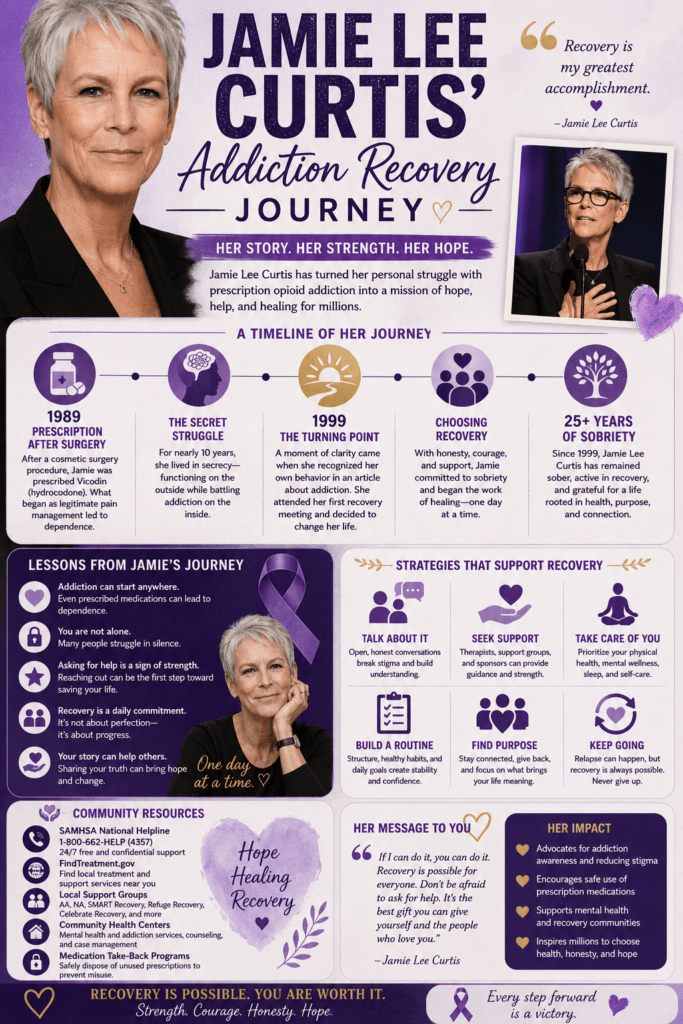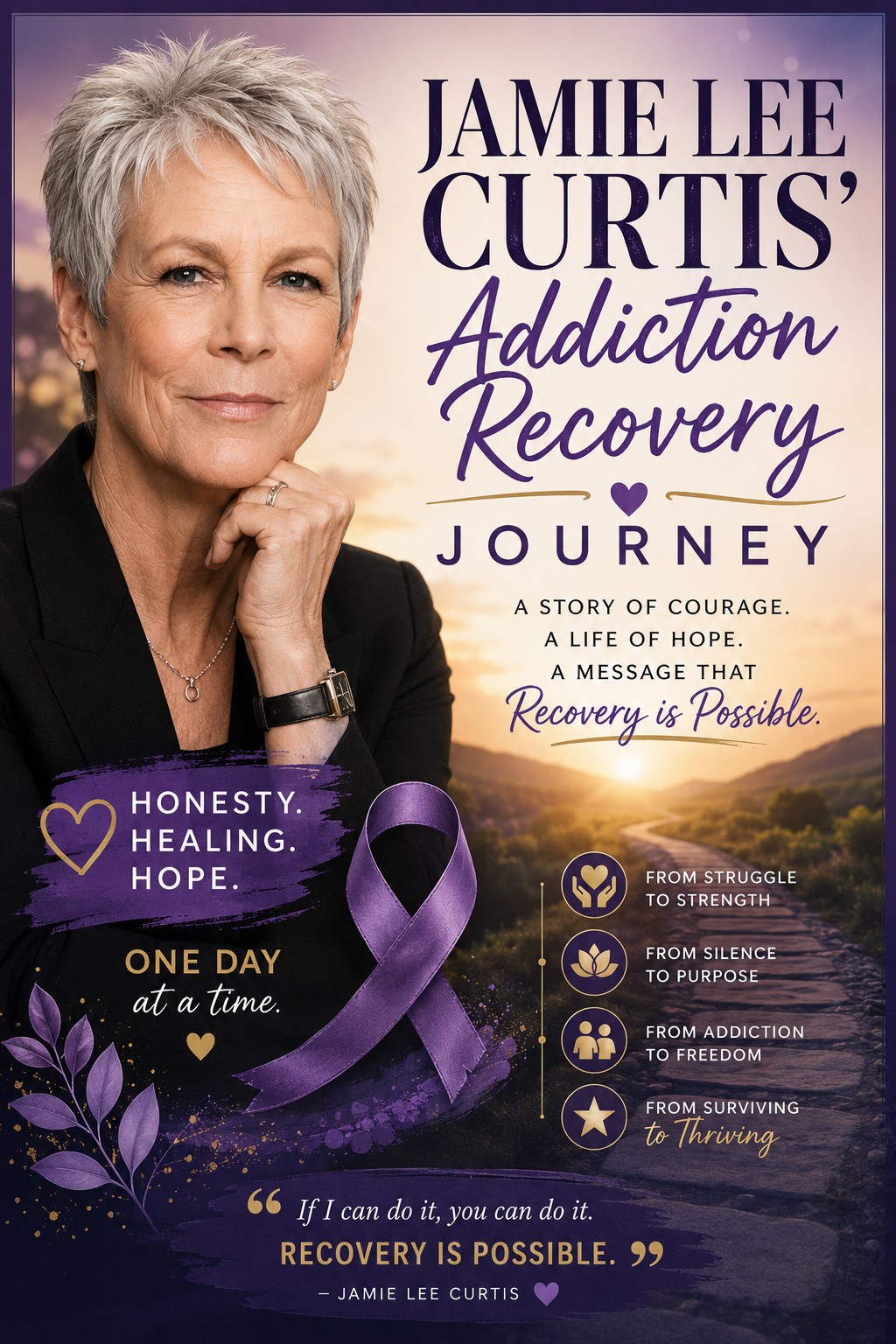
Jamie Lee Curtis’ addiction recovery journey is a powerful example of how substance use disorder can affect anyone, regardless of fame, success, or personal achievements. After being prescribed opioid pain medication following surgery in 1989, she developed a dependence that remained hidden for nearly a decade. In 1999, Curtis made the courageous decision to seek help and begin her recovery, a choice she has described as the most important accomplishment of her life. By openly sharing her experiences, she has helped reduce the stigma surrounding addiction, encouraged honest conversations about prescription opioid misuse, and inspired countless individuals to seek treatment. Her story demonstrates that addiction is a chronic but treatable medical condition and that lasting recovery is possible with commitment, professional support, and a strong recovery community.
Jamie Lee Curtis’ Addiction Recovery Journey
Jamie Lee Curtis has become one of the most recognizable public advocates for addiction recovery. Her willingness to speak honestly about her past opioid addiction has helped reduce stigma and encourage others to seek treatment. Rather than allowing addiction to define her life, Curtis has consistently emphasized that recovery is possible and that asking for help is a sign of strength.
How Her Addiction Began
Jamie Lee Curtis has shared that her addiction began after she was prescribed Vicodin (hydrocodone/acetaminophen) following a cosmetic surgical procedure in 1989. What started as legitimate medical treatment gradually developed into a dependence on prescription opioids. She later described experiencing the calming, comforting effects of the medication and eventually began seeking pills outside of medical care while keeping her addiction hidden from those around her.
Living with Addiction
Curtis has openly discussed that she concealed her addiction for approximately ten years. Despite continuing to work successfully in Hollywood and maintaining her family responsibilities, she described living with constant secrecy and shame. Her experience demonstrates that substance use disorder is not always obvious and that many people continue functioning outwardly while struggling privately.
The Turning Point
In 1999, Curtis experienced what she has described as a moment of clarity after recognizing her own behaviors in an article about opioid addiction. She attended her first recovery meeting and committed herself to sobriety. She has repeatedly said that entering recovery was the most important decision of her life.
Recovery and Long-Term Sobriety
Since becoming sober in 1999, Jamie Lee Curtis has remained active in recovery. She often speaks about approaching sobriety one day at a time, attending recovery meetings, and staying connected with others in recovery. She has described sobriety—not her acting awards or career accomplishments—as her greatest achievement. In recent years, she celebrated more than 25 years of sobriety and credited recovery with transforming her family life, friendships, and sense of purpose.
Becoming an Advocate
Curtis has used her public platform to:
- Reduce stigma surrounding addiction.
- Encourage honest conversations about substance use disorders.
- Promote recovery meetings and peer support.
- Emphasize that addiction is a treatable medical condition.
- Offer hope to individuals and families affected by addiction.
She has also spoken about breaking a multigenerational cycle of addiction within her family and encouraging others not to let shame prevent them from seeking help.
Lessons from Her Recovery
Jamie Lee Curtis’ journey teaches several important lessons:
- Prescription medications can lead to addiction even when initially used appropriately.
- Addiction often remains hidden because of shame and fear.
- Seeking help early can change the course of a person’s life.
- Recovery requires ongoing commitment rather than a single event.
- Support groups, healthcare professionals, family, and peers all contribute to long-term recovery.
- Recovery is possible regardless of age, profession, or social status.
Hope for Others
Curtis frequently reminds people that no one has to face addiction alone. Her story illustrates that recovery is not about perfection but about making healthy choices every day. By speaking openly about her experience, she has inspired countless individuals to seek treatment, remain engaged in recovery, and believe that lasting sobriety is achievable.
Conclusion
Jamie Lee Curtis’ recovery journey demonstrates that addiction is a chronic but treatable medical condition. Her openness about a decade-long opioid addiction, her commitment to sobriety since 1999, and her continued advocacy for recovery have made her an important voice in reducing stigma and promoting hope. Her experience reminds us that early intervention, evidence-based treatment, peer support, and lifelong recovery efforts can help individuals reclaim their health, strengthen relationships, and build meaningful, fulfilling lives.
Self-Management Strategies to Understand Jamie Lee Curtis’ Addiction Recovery Journey
Jamie Lee Curtis’ recovery journey demonstrates that addiction can begin with legally prescribed medications and affect anyone, regardless of success, education, or social status. After developing an opioid addiction following a prescription for pain medication after surgery, she sought help and has maintained sobriety since 1999. Her story offers hope that recovery is possible through honesty, professional treatment, ongoing support, and daily commitment. The following self-management strategies can help individuals understand addiction and build a strong foundation for lasting recovery.
1. Recognize That Addiction Is a Treatable Medical Condition
Understanding addiction as a chronic brain disease reduces shame and encourages individuals to seek professional help rather than trying to manage addiction alone.
Practice:
- Learn about substance use disorders from reliable medical sources.
- Discuss concerns openly with a healthcare provider.
- Accept that recovery is a process requiring patience and commitment.
2. Use Prescription Medications Safely
Jamie Lee Curtis’ addiction began with prescribed opioid pain medication, highlighting the importance of responsible medication use.
Practice:
- Take medications exactly as prescribed.
- Never increase the dose without consulting your healthcare provider.
- Store medications securely.
- Properly dispose of unused medications through approved disposal programs.
- Ask about non-opioid pain management options when appropriate.
3. Practice Honest Self-Reflection
One of the turning points in recovery is recognizing when substance use has become harmful.
Practice:
- Regularly evaluate your relationship with alcohol or medications.
- Keep a journal to monitor cravings, emotions, and behaviors.
- Be honest with yourself about warning signs rather than minimizing them.
4. Recognize Personal Triggers
Understanding situations, emotions, or environments that increase cravings helps prevent relapse.
Common triggers include:
- Stress
- Anxiety
- Physical pain
- Loneliness
- Fatigue
- Relationship conflict
- Exposure to people or places associated with previous substance use
Practice:
- Develop a personalized trigger list.
- Create healthy coping strategies before high-risk situations arise.
5. Build Healthy Coping Skills
Replacing substance use with healthier ways of managing emotions strengthens long-term recovery.
Practice:
- Exercise regularly.
- Practice mindfulness or meditation.
- Spend time outdoors.
- Engage in hobbies and creative activities.
- Practice deep breathing during stressful moments.
6. Seek Professional Treatment Early
Early intervention often leads to better recovery outcomes.
Practice:
- Consult addiction medicine specialists when concerns arise.
- Participate in counseling or behavioral therapy.
- Follow treatment recommendations consistently.
- Attend follow-up appointments regularly.
7. Build a Strong Recovery Support Network
Jamie Lee Curtis has emphasized the importance of staying connected with others in recovery.
Practice:
- Attend peer support meetings.
- Stay connected with supportive family members and friends.
- Consider working with a sponsor, mentor, or recovery coach.
- Reach out for help before problems become overwhelming.
8. Prioritize Mental Health
Mental health and addiction often influence one another. Addressing both improves recovery success.
Practice:
- Seek treatment for depression, anxiety, trauma, or other mental health concerns.
- Maintain healthy sleep habits.
- Practice stress management techniques.
- Communicate openly with mental health professionals.
9. Establish Healthy Daily Routines
Structure helps reduce stress and supports emotional stability.
Practice:
- Maintain consistent sleep and wake times.
- Eat nutritious meals.
- Exercise several days each week.
- Set realistic daily goals.
- Schedule time for relaxation and self-care.
10. Prepare a Relapse Prevention Plan
Recovery is strengthened by planning ahead for difficult situations.
Include:
- Personal warning signs.
- High-risk situations.
- Healthy coping strategies.
- Emergency support contacts.
- Healthcare provider information.
- Recovery meeting schedules.
Review and update your plan regularly.
11. Replace Shame with Self-Compassion
Jamie Lee Curtis has spoken openly about the shame that accompanied her addiction. Recovery begins when individuals replace self-criticism with self-acceptance and a willingness to seek help.
Practice:
- Speak to yourself with kindness.
- Focus on progress rather than perfection.
- Learn from setbacks without giving up.
- Celebrate recovery milestones.
12. Commit to Lifelong Recovery
Recovery is not a one-time achievement but an ongoing process of growth.
Practice:
- Continue learning about addiction and recovery.
- Stay involved in recovery communities.
- Regularly evaluate your physical and emotional health.
- Continue practicing healthy habits even after years of sobriety.
Key Lessons from Jamie Lee Curtis’ Recovery Journey
Jamie Lee Curtis’ experience demonstrates that addiction can begin with appropriately prescribed medication and remain hidden behind a successful career and family life. Her decision to seek help, remain committed to recovery, and openly share her story has inspired countless individuals. Her journey reinforces that recovery is built on honesty, professional treatment, peer support, healthy coping skills, and daily commitment.
Conclusion
Jamie Lee Curtis’ recovery journey is a powerful reminder that addiction does not define a person’s future. Through self-awareness, safe medication practices, professional treatment, strong social support, and consistent self-care, individuals can overcome substance use disorders and build healthier, more meaningful lives. Her story offers hope that recovery is possible for anyone willing to ask for help, stay committed to treatment, and take recovery one day at a time.
Family Support Strategies to Understand Jamie Lee Curtis’ Addiction Recovery Journey
Jamie Lee Curtis’ recovery journey demonstrates that addiction can affect anyone, including successful professionals, and that long-term recovery is possible with treatment, honesty, and a strong support system. Her experience with prescription opioid addiction highlights the important role families can play in recognizing early warning signs, encouraging treatment, supporting recovery, and reducing stigma. Although family members cannot control a loved one’s addiction, they can create an environment that promotes healing, accountability, and hope.
1. Learn That Addiction Is a Chronic Medical Disease
Understanding addiction as a medical condition helps families replace blame and judgment with compassion and informed support.
Families can:
- Learn about substance use disorders from reputable medical organizations.
- Attend family education programs or workshops.
- Discuss addiction with healthcare professionals.
- Understand that recovery often involves setbacks and continued treatment.
2. Understand the Risks of Prescription Opioids
Jamie Lee Curtis’ addiction began after taking prescribed opioid pain medication following surgery. Families should understand that prescription medications can be beneficial when used appropriately but also carry risks.
Families can:
- Learn about opioid medications and their potential for dependence.
- Encourage loved ones to follow prescription instructions carefully.
- Help safely store and dispose of unused medications.
- Encourage discussions with healthcare providers about non-opioid pain management when appropriate.
3. Recognize Early Warning Signs of Addiction
Addiction often develops gradually and may be hidden for months or years.
Warning signs may include:
- Taking medication more often than prescribed.
- Requesting early prescription refills.
- Mood swings or personality changes.
- Increased secrecy.
- Social withdrawal.
- Declining work or school performance.
- Financial difficulties without clear explanation.
Recognizing these signs early allows families to encourage professional evaluation before addiction worsens.
4. Encourage Honest and Compassionate Communication
Fear of judgment often prevents people from asking for help.
Helpful communication includes:
- Listening without interrupting.
- Expressing concern calmly and respectfully.
- Using supportive statements such as, “I’m concerned about your health and want to help.”
- Avoiding criticism, blame, or ultimatums whenever possible.
Creating a safe environment encourages openness and trust.
5. Support Professional Treatment
Recovery is most successful when individuals receive evidence-based care.
Families can:
- Encourage medical evaluation.
- Support attendance at counseling sessions.
- Encourage participation in peer recovery groups.
- Help with transportation or scheduling appointments if needed.
- Celebrate progress while understanding that recovery takes time.
6. Promote Healthy Coping Skills
Replacing unhealthy behaviors with positive coping strategies strengthens long-term recovery.
Families can encourage:
- Regular physical activity.
- Healthy eating habits.
- Adequate sleep.
- Relaxation techniques such as meditation or deep breathing.
- Participation in hobbies, creative activities, or volunteer work.
7. Encourage Ongoing Recovery Support
Jamie Lee Curtis has emphasized that recovery requires daily commitment and ongoing support.
Families can help by:
- Encouraging continued participation in recovery meetings.
- Supporting long-term counseling when appropriate.
- Celebrating sobriety milestones.
- Remaining involved even after years of successful recovery.
8. Establish Healthy Boundaries
Supporting recovery does not mean protecting someone from the consequences of addiction.
Healthy boundaries include:
- Avoiding behaviors that enable substance use.
- Encouraging personal responsibility.
- Maintaining consistent expectations.
- Supporting treatment without excusing harmful behavior.
Healthy boundaries strengthen both recovery and family relationships.
9. Support Mental Health
Mental health conditions can increase the risk of substance use and relapse.
Families should:
- Encourage mental health evaluations when needed.
- Learn to recognize signs of depression, anxiety, or trauma.
- Promote healthy stress management.
- Encourage professional counseling for emotional concerns.
Treating mental health and addiction together improves recovery outcomes.
10. Practice Self-Care as a Family
Supporting someone with addiction can be emotionally challenging.
Family self-care includes:
- Attending family support groups.
- Seeking individual counseling if needed.
- Maintaining healthy friendships and hobbies.
- Practicing stress reduction techniques.
- Remembering that recovery is ultimately the individual’s responsibility.
Healthy families are better able to provide consistent support throughout recovery.
Key Lessons from Jamie Lee Curtis’ Recovery Journey
Jamie Lee Curtis’ story reminds families that addiction can begin with legitimately prescribed medications and remain hidden behind successful careers and everyday responsibilities. Her willingness to seek help and maintain long-term sobriety demonstrates that recovery is possible with honesty, professional treatment, supportive relationships, and ongoing commitment. Families who educate themselves, encourage treatment, communicate compassionately, establish healthy boundaries, and care for their own well-being can become valuable partners in the recovery process.
Conclusion
Jamie Lee Curtis’ recovery journey offers hope to individuals and families affected by addiction. Her experience illustrates that substance use disorder is a treatable medical condition, not a personal failure, and that lasting recovery is achievable with comprehensive care and strong support. By understanding the risks of prescription opioid misuse, recognizing early warning signs, encouraging evidence-based treatment, supporting mental and physical health, and fostering open communication, families can help their loved ones build healthier, substance-free lives while strengthening resilience and hope for the future.
Community Resource Strategies to Understand Jamie Lee Curtis’ Addiction Recovery Journey
Jamie Lee Curtis’ recovery journey demonstrates that addiction can begin with legally prescribed medications and that long-term recovery is possible through treatment, peer support, and personal commitment. Her openness about overcoming prescription opioid addiction has helped reduce stigma and encouraged others to seek help. Communities play a vital role in preventing prescription drug misuse, improving access to evidence-based treatment, supporting individuals and families, and promoting lifelong recovery. The following community resource strategies can help build healthier communities and reduce the impact of substance use disorders.
1. Increase Public Education About Prescription Opioids
Many people are unaware that addiction can develop from medications prescribed for legitimate medical conditions.
Community strategies:
- Offer educational programs in schools, healthcare facilities, and community centers.
- Provide information about the safe use, storage, and disposal of prescription opioids.
- Educate the public about the signs of opioid dependence and addiction.
- Promote awareness that addiction is a chronic, treatable medical condition.
2. Expand Access to Evidence-Based Addiction Treatment
Early access to treatment improves recovery outcomes and reduces the risk of long-term complications.
Community resources include:
- Addiction medicine clinics.
- Outpatient treatment programs.
- Intensive outpatient programs (IOPs).
- Residential rehabilitation centers.
- Licensed substance use counselors.
- Medication-assisted treatment (MAT) for opioid use disorder when clinically appropriate.
3. Promote Safe Medication Practices
Communities can reduce prescription drug misuse through education and proper medication management.
Community initiatives include:
- Prescription drug take-back events.
- Permanent medication disposal kiosks.
- Patient education at pharmacies.
- Provider education on safe opioid prescribing.
- Public awareness campaigns about medication safety.
4. Strengthen Mental Health Services
Mental health conditions often occur alongside substance use disorders. Integrated care improves recovery outcomes.
Community resources include:
- Community mental health centers.
- Individual and family counseling.
- Psychiatric evaluations.
- Trauma-informed care programs.
- Crisis intervention and stabilization services.
- Integrated behavioral health clinics.
5. Expand Peer Recovery Support Programs
Jamie Lee Curtis has credited ongoing recovery support as an important part of maintaining sobriety.
Community resources include:
- Peer recovery coaches.
- Mutual-support groups.
- Recovery community organizations.
- Sober social events.
- Mentorship programs for individuals in recovery.
These services reduce isolation and encourage long-term recovery.
6. Provide Family Education and Support
Families are important partners in the recovery process and benefit from education about addiction.
Communities can provide:
- Family education workshops.
- Family counseling services.
- Support groups for families affected by addiction.
- Educational materials on communication, relapse prevention, and healthy boundaries.
- Caregiver wellness programs.
7. Encourage Healthy Lifestyle Programs
Healthy daily habits support both physical and emotional recovery.
Community resources may include:
- Fitness and wellness centers.
- Walking clubs and exercise groups.
- Yoga and mindfulness classes.
- Nutrition education.
- Recreational sports.
- Art, music, and creative therapy programs.
These activities help individuals develop healthy coping strategies that reduce the risk of relapse.
8. Create Recovery-Friendly Workplaces and Schools
Supportive environments encourage individuals to seek treatment without fear of stigma or discrimination.
Community initiatives include:
- Employee assistance programs (EAPs).
- Recovery-friendly workplace policies.
- Educational seminars on substance use disorders.
- Flexible scheduling for treatment appointments when possible.
- School-based prevention and counseling programs.
9. Improve Early Screening and Intervention
Identifying substance use problems early allows individuals to receive treatment before addiction becomes more severe.
Community healthcare providers can:
- Screen for substance use during routine medical visits.
- Assess mental health concerns.
- Provide brief interventions.
- Refer patients to specialized treatment programs.
- Monitor prescription medication use appropriately.
10. Support Long-Term Recovery Services
Recovery continues long after formal treatment ends.
Communities can strengthen recovery by providing:
- Recovery housing.
- Employment assistance.
- Vocational rehabilitation.
- Continuing education opportunities.
- Life-skills training.
- Volunteer opportunities.
- Recovery coaching and ongoing peer support.
These services help individuals rebuild stable, healthy, and meaningful lives.
Key Lessons from Jamie Lee Curtis’ Recovery Journey
Jamie Lee Curtis’ experience demonstrates that addiction can develop from medications prescribed for legitimate medical reasons and that recovery is possible through honesty, professional treatment, and ongoing support. Her willingness to speak publicly about her recovery has helped reduce stigma and encouraged many people to seek help. Communities that invest in prevention, education, mental health services, recovery programs, and family support create environments where individuals can recover with dignity and hope.
Conclusion
Jamie Lee Curtis’ recovery journey is a powerful example of resilience, healing, and the effectiveness of evidence-based addiction treatment. Her story reminds communities that substance use disorders can affect anyone and that recovery is strengthened through education, compassionate healthcare, peer support, family involvement, and accessible community resources. By expanding prevention efforts, promoting safe medication practices, improving access to integrated treatment, and supporting individuals throughout every stage of recovery, communities can reduce the impact of addiction, save lives, and inspire hope for lasting recovery.
Frequently Asked Questions
Here are some common questions:
1. Who is Jamie Lee Curtis?
Jamie Lee Curtis is an Academy Award-winning actress, producer, author, and advocate for addiction recovery. In addition to her successful career in film and television, she is widely respected for openly sharing her personal journey of recovery from prescription opioid addiction.
2. What addiction did Jamie Lee Curtis struggle with?
Jamie Lee Curtis struggled with prescription opioid addiction after being prescribed pain medication following cosmetic surgery in 1989. Over time, she developed dependence on opioid medication while keeping her addiction hidden from others.
3. How did her addiction begin?
Her addiction began after she was prescribed opioid pain medication to manage postoperative pain. Like many people, what started as legitimate medical treatment gradually developed into dependence, illustrating that prescription medications can carry risks when used beyond their intended purpose.
4. How long did Jamie Lee Curtis struggle with addiction?
Jamie Lee Curtis has shared that she struggled with opioid addiction for nearly 10 years before seeking help. During that time, she continued working successfully while privately battling addiction.
5. When did Jamie Lee Curtis begin her recovery?
She entered recovery in 1999 after recognizing that her addiction was affecting her life. She attended her first recovery meeting and committed herself to long-term sobriety.
6. How long has Jamie Lee Curtis been sober?
Jamie Lee Curtis has maintained sobriety since 1999, celebrating more than 25 years of recovery. She often describes her sobriety as her greatest personal achievement.
7. What helped Jamie Lee Curtis achieve long-term recovery?
Her recovery has been supported by several important factors, including:
- Acknowledging her addiction
- Seeking professional help
- Participating in peer support meetings
- Practicing honesty and accountability
- Remaining committed to recovery one day at a time
- Building a strong support network
8. Can addiction develop from prescription medications?
Yes. Prescription opioids can be highly effective for managing pain when used appropriately, but they also have the potential to cause dependence and addiction. Patients should always take medications exactly as prescribed and discuss any concerns with their healthcare provider.
9. Why did Jamie Lee Curtis keep her addiction secret?
Like many individuals with substance use disorders, she experienced feelings of shame, fear, and embarrassment. Fear of judgment often prevents people from asking for help, which is why reducing stigma is so important.
10. Is addiction considered a medical disease?
Yes. Addiction is recognized as a chronic medical condition that affects brain function, motivation, judgment, and self-control. It is treatable through evidence-based healthcare, counseling, medications when appropriate, and ongoing recovery support.
11. What are common warning signs of prescription opioid addiction?
Warning signs may include:
- Taking more medication than prescribed
- Running out of medication early
- Doctor shopping or seeking multiple prescriptions
- Increased secrecy
- Mood changes
- Social withdrawal
- Declining work or family responsibilities
- Cravings for medication
12. What treatments are available for opioid addiction?
Treatment may include:
- Medical evaluation
- Supervised withdrawal when appropriate
- Medication for opioid use disorder (when clinically indicated)
- Individual counseling
- Cognitive behavioral therapy (CBT)
- Peer recovery support groups
- Family therapy
- Long-term relapse prevention planning
13. What role does family support play in recovery?
Families can improve recovery by:
- Learning about addiction
- Encouraging treatment
- Communicating with compassion
- Establishing healthy boundaries
- Supporting long-term recovery goals
- Recognizing early signs of relapse
- Caring for their own well-being
14. How can communities help people with addiction?
Communities can:
- Increase access to addiction treatment
- Expand mental health services
- Provide peer recovery programs
- Offer family education
- Promote safe medication practices
- Reduce stigma through public education
- Support recovery-friendly workplaces and schools
15. What is the “one day at a time” approach?
“One day at a time” is a recovery principle that encourages individuals to focus on maintaining sobriety today rather than becoming overwhelmed by the idea of lifelong recovery. Breaking recovery into manageable daily goals can improve motivation and reduce anxiety.
16. What message does Jamie Lee Curtis share with others?
Jamie Lee Curtis encourages people to seek help without shame. She reminds others that asking for help is a sign of courage, recovery is possible, and no one has to face addiction alone.
17. What is the most important lesson from Jamie Lee Curtis’ recovery journey?
Jamie Lee Curtis’ recovery journey demonstrates that addiction can affect anyone—even those who appear successful and accomplished—and that recovery is possible with honesty, professional treatment, ongoing support, and daily commitment. Her willingness to share her experience has helped reduce stigma, increase awareness about prescription opioid addiction, and inspire countless individuals and families to seek hope, healing, and lasting recovery.
Conclusion
Jamie Lee Curtis’ recovery journey serves as a source of hope for individuals and families affected by addiction. Her willingness to speak openly about her struggles and celebrate decades of sobriety demonstrates that recovery is a lifelong process built on honesty, perseverance, and support. Her experience reminds us that addiction can begin with legitimately prescribed medications and that seeking help is a sign of strength, not weakness. Through evidence-based treatment, healthy coping strategies, strong family and community support, and ongoing commitment to recovery, individuals can overcome substance use disorders and build healthier, more meaningful lives. Jamie Lee Curtis’ story continues to inspire others to believe that recovery is possible and that every day of sobriety is a meaningful step toward healing and renewed purpose.
Video: Jamie Lee Curtis Reveals How Legal Pills Became Her Worst Enemy #recovery