Finding your way after quitting nicotine brings a whole lot of ups and downs. One of the most confusing bits is how strong the urge can feel, especially when you thought quitting would make the cravings disappear. I want to break down why the brain keeps reaching for nicotine after quitting and share a few things that help along the way.
Why the Brain Hangs On to Nicotine
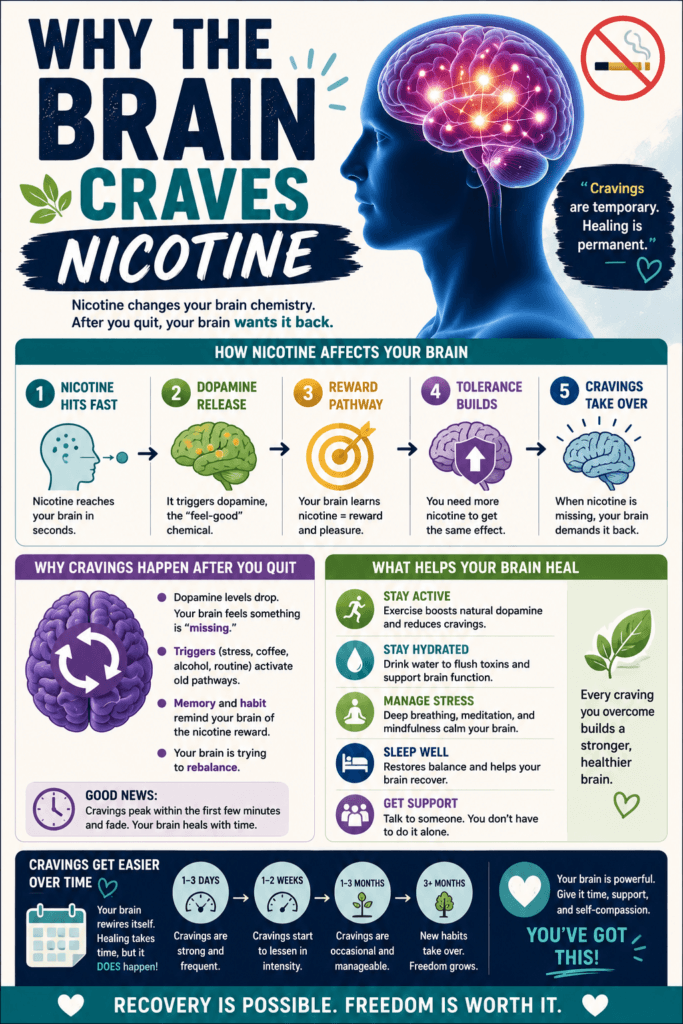
The brain’s relationship with nicotine runs pretty deep. Once nicotine enters your system, it gets right to work, creating changes in how your brain’s reward pathways function. It boosts dopamine, a neurotransmitter responsible for those feel-good vibes, and over time, your brain starts relying on nicotine to trigger those hits. That’s a big reason why quitting isn’t just about taking away the cigarette or vape. It’s really about breaking a strong mental connection.
For many people, this link between nicotine and pleasure gets built up through repetition. Each smoke or vape becomes a little reward for the brain, teaching it to expect these rewards whenever you light up. The tricky part shows up when you quit. Suddenly, the brain is missing its regular dopamine hits and struggles to rebalance.
Once you stop using nicotine, the brain doesn’t just snap back overnight. It takes time to rewire those reward circuits and return to a natural balance where you no longer crave a boost. This is a normal part of recovery, but knowing the “why” behind these cravings can make them easier to face. It helps you distinguish between a temporary urge and your long-term goal of quitting for good.
Building Cravings: How Addiction Develops in the Brain
Nicotine addiction isn’t just about willpower; it’s rooted in real brain changes that influence your thoughts and behavior. Here’s what happens on a chemical level:
- Dopamine Overdrive: Each hit of nicotine causes a rush of dopamine, reinforcing the behavior and making you want to repeat it.
- Adjusting to Less Dopamine: After a while, the brain tries to adjust to these artificial surges by making less dopamine on its own, making everyday rewards feel less satisfying without nicotine.
- Habit Loops: Nicotine bonds the act of smoking (or vaping) to routine moments, like waking up, taking a break, or dealing with stress, creating really strong habit cues that stick around after you quit.
Navigating Withdrawal: What It Feels Like and Why
Once you’ve quit, withdrawal usually kicks in within a few hours and can peak around day 2 or 3, stretching out for several weeks. Withdrawal symptoms include anxiety, irritability, trouble focusing, and those nagging cravings. These happen because the brain suddenly has to operate with way less dopamine, which feels uncomfortable until it rebalances.
I remember feeling super restless in my first few days without nicotine, like my nerves were always buzzing. Even though I expected cravings, what hit me harder was the fatigue, mood swings, and a weird sense of emptiness.
Cravings aren’t just triggers in your mind; they’re tied to physical changes as your brain tries to reach a new balance. People often mistake these cravings for weakness, but it’s just a sign that your brain is working hard to recover.
On top of all this, some people might notice physical symptoms like headaches or digestive changes while coping with withdrawal. It’s important to know that these signs are temporary and signal your body is resetting itself after years of regular nicotine exposure.
Common Triggers That Spark Cravings After You Quit
Certain situations make nicotine cravings pop up more than others. These are some I (and others I know) have noticed:
- Stressful Moments: Stress is a big trigger for most people because the brain used to get comfort from nicotine’s effects.
- Routine Cues: Times when you normally smoked or vaped, like with morning coffee, after meals, or during breaks, can bring cravings back really strongly.
- Social Settings: Being around people who still use nicotine or seeing someone else do it can bring on intense urges.
Recognizing these triggers makes it easier to plan around them, such as swapping routines or finding new ways to handle stress. For some people, even certain smells or places can unexpectedly bring back a strong urge to use nicotine, so staying sharp for these hidden triggers can make a difference.
How Long Do Nicotine Cravings Last?
The timeline for cravings can vary from person to person, but most agree that the first few weeks are the toughest. Cravings may come and go for months, but their intensity usually fades with time as your brain gets used to being nicotine-free.
According to Smokefree.gov, cravings tend to be strongest in the first one to two weeks, then become less frequent and easier to manage. The brain slowly returns to balance, but some people notice occasional pop-up cravings, even long after quitting, especially during periods of stress or change. Over time, these episodes become much less intense, and your ability to resist gets stronger.
To help speed things up, doing things that make you feel good (like hobbies or hanging with friends) can build new reward pathways, giving your brain less reason to signal for nicotine. The consistency pays off, and each craving faced is one step closer to freedom.
Useful Tips for Coping With Nicotine Cravings
There’s no magic trick to make cravings disappear overnight, but there are some strategies that really help:
- Keep Busy: Distractions work surprisingly well, so try going for a walk, chewing gum, or picking up a hobby when cravings hit.
- Change Up Your Routine: If you’re used to having nicotine at certain times, try swapping those habits for something new, like tea instead of coffee or a new breakfast spot.
- Lean on Support: Chatting with friends, text support lines, or online forums helps a lot. You don’t have to tackle cravings on your own.
- Breathe It Out: Simple mindful breathing or relaxation techniques go a long way when the urge gets tough.
- Reward Yourself: Celebrate each craving you get through. Treat yourself with a small reward or just enjoy the feeling of progress.
Source: CDC: Quit Smoking Journey
If you want more ideas, try writing down your reasons for quitting and keep them handy for rough moments. Some people benefit from tracking their progress on a calendar, which helps highlight all the small victories. Others try alternatives like sugar-free mints, healthy snacks, or exploring new interests that make time fly.
Challenges and Hurdles After Quitting Nicotine
Quitting isn’t a straight line. It’s super common to feel frustrated or discouraged, especially if cravings stick around longer than you hoped. Triggers can be sneaky, and sometimes you might slip up before getting back on track. It helps to see each hurdle as part of your progress; even setbacks mean your brain is learning and adapting.
A few things worth paying attention to:
- Sleep Issues: Trouble sleeping can crank up cravings, making it important to develop good sleep habits. Try winding down with calming music or a nighttime routine not tied to screens.
- Mood Swings: Emotional ups and downs are normal and temporary, and they ease as your brain finds a new balance.
- Weight Gain: Some folks snack more after quitting, so planning healthy snacks and keeping hydrated can keep things on track.
It also helps to practice a bit of self-kindness during tough days. Whether you make a mistake or just have a bad craving moment, it doesn’t undo your past progress. Every step forward counts, and setbacks are just a bump in an otherwise forward-moving adventure.
Frequently Asked Questions About Nicotine Cravings After Quitting
Question: Why do I still crave nicotine after weeks of quitting?
Answer: The brain takes time to return to its usual reward and dopamine patterns. Cravings are part of this recovery, not a sign of failure or weakness.
Question: Can cravings ever fully go away?
Answer: For most people, cravings fade over time, but in new or stressful situations, you might notice them resurfacing. They get shorter and less intense, though, so it becomes easier to resist over time.
Question: How can I make cravings easier to manage?
Answer: Mix up your routines, stay distracted, and build a support system; those steps make a huge difference. If you need extra help, chat with your doctor or a quitline for resources.
What Really Helps the Brain Heal After Nicotine
Giving your brain time is a big part of the healing process, but there are a few things that can help speed things along or make them easier:
- Exercise: Physical activity boosts natural dopamine and reduces stress, helping you feel better faster.
- Eat Well: Nutritious food supports your body’s recovery and keeps your mood more balanced.
- Sleep: Rest is super important during withdrawal since your brain does a lot of resetting while you sleep.
- Support Networks: Connecting with people on the same adventure helps remind you you’re not alone and gives plenty of practical tips to get through tough days.
Building healthy routines, practicing mindfulness, and allowing time for healing are all important. Each day nicotine-free, your brain’s chemistry gets back in sync, making long-term freedom from cravings more attainable. If you’re looking for more info or tools to help with nicotine withdrawal, Smokefree.gov has lots of great resources and support.
Wrapping up, overcoming nicotine cravings is a real challenge, but absolutely doable. With patience, support, and a handful of strategies, your brain and body can find their way back to balance, leaving you stronger and more in control each day.
Video: How Nicotine Hijacks Your Reward System #brainhacking #science #shorts