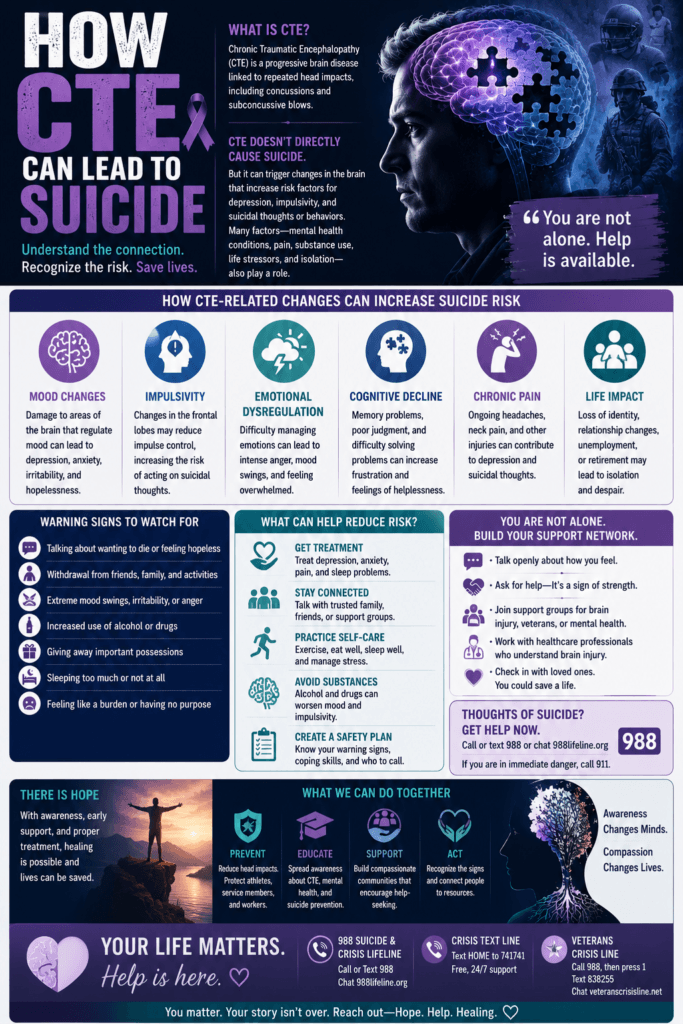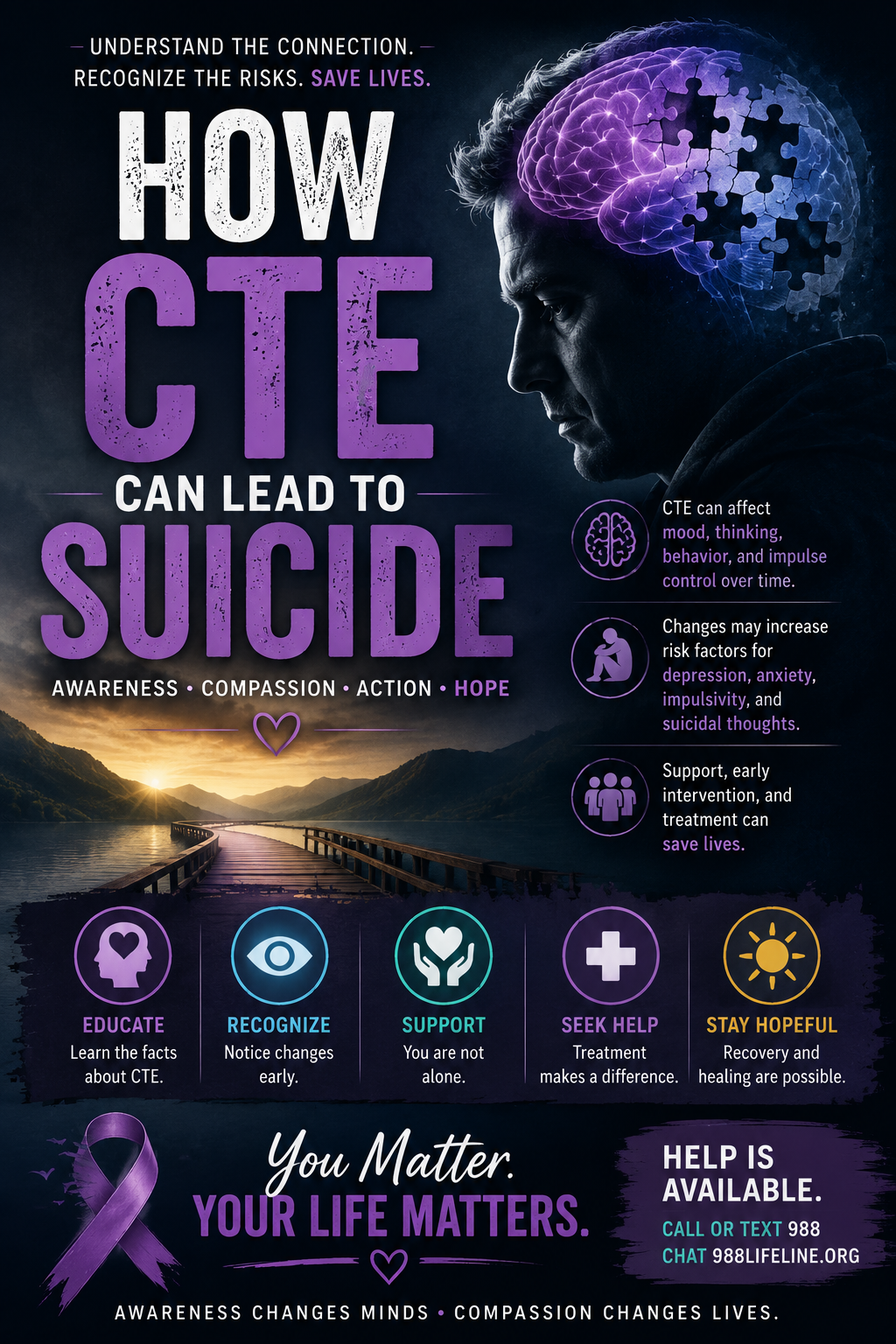
Chronic Traumatic Encephalopathy (CTE) is a progressive brain disease associated with repeated head impacts, including concussions and subconcussive injuries. It has been identified in some athletes, military veterans, and others exposed to repetitive brain trauma. CTE can affect memory, judgment, emotional regulation, and behavior, contributing to symptoms such as depression, impulsivity, anxiety, and difficulty managing emotions. While these changes may increase factors associated with suicide risk in some individuals, CTE does not directly or inevitably cause suicide. Suicide is a complex issue influenced by many biological, psychological, and social factors. Understanding the relationship between CTE and suicide risk helps promote early recognition of symptoms, timely mental health treatment, and compassionate support for individuals and their families.
How Chronic Traumatic Encephalopathy (CTE) Can Increase the Risk of Suicide
Chronic Traumatic Encephalopathy (CTE) is a progressive neurodegenerative disease associated with repeated head impacts, including concussions and subconcussive blows. It has been identified in some former athletes involved in contact sports, military veterans exposed to blast injuries, and others with a history of repetitive brain trauma. CTE can affect thinking, mood, behavior, and movement over time. While CTE may increase risk factors associated with suicidal thoughts or behaviors in some individuals, it does not inevitably lead to suicide, and many people with similar risk factors do not die by suicide.
What Is CTE?
CTE is characterized by the abnormal accumulation of a protein called tau in certain areas of the brain. Over time, these changes may damage brain cells and interfere with normal brain function. Currently, a definitive diagnosis of CTE can only be made after death through examination of brain tissue, although researchers are working to develop methods to diagnose it during life.
How CTE May Affect the Brain
Repeated brain injuries may lead to changes in areas responsible for:
- Emotional regulation
- Memory and learning
- Decision-making
- Impulse control
- Judgment
- Planning and organization
As these changes progress, some individuals experience increasing difficulties with emotional stability and cognitive function.
Symptoms Associated with CTE
Symptoms vary among individuals but may include:
Cognitive Symptoms
- Memory problems
- Difficulty concentrating
- Poor judgment
- Slowed thinking
- Problems with planning and organization
Emotional Symptoms
- Depression
- Anxiety
- Mood swings
- Hopelessness
- Emotional instability
Behavioral Symptoms
- Increased impulsivity
- Aggression
- Irritability
- Risk-taking behaviors
- Social withdrawal
Physical Symptoms
- Headaches
- Balance problems
- Parkinson-like movement symptoms in later stages
How CTE May Increase Suicide Risk
CTE itself is not considered a direct cause of suicide. Rather, it may contribute to conditions and behaviors that are known risk factors for suicide.
1. Depression
Damage to brain circuits involved in mood regulation may contribute to depressive symptoms, including persistent sadness, loss of interest, fatigue, and feelings of hopelessness.
2. Impaired Impulse Control
Changes in the frontal lobes may reduce the ability to control impulses. During periods of intense emotional distress, this may increase the likelihood of acting on suicidal thoughts.
3. Emotional Dysregulation
People with suspected or confirmed CTE-related symptoms may experience rapid mood changes, irritability, frustration, and difficulty coping with stress.
4. Cognitive Decline
Problems with memory, judgment, and decision-making can make everyday challenges more difficult to manage, contributing to emotional distress.
5. Chronic Pain
Many individuals with histories of repetitive head trauma also experience chronic headaches, orthopedic injuries, or persistent pain, all of which are independently associated with higher rates of depression and suicidal thoughts.
6. Loss of Identity
Former athletes or military personnel may struggle with retirement, career loss, reduced physical abilities, or changes in social roles. These life transitions can contribute to emotional distress.
7. Co-Occurring Mental Health Conditions
Some individuals may also have:
- Major depressive disorder
- Anxiety disorders
- Post-traumatic stress disorder (PTSD)
- Substance use disorders
These conditions can further increase suicide risk if left untreated.
Important Research Findings
Research has found that some individuals with neuropathologically confirmed CTE experienced depression, impulsivity, or died by suicide. However, studies have not established that CTE alone causes suicide. Suicide is a complex outcome influenced by many interacting factors, including mental illness, substance use, chronic pain, social isolation, life stressors, access to care, and personal circumstances. Scientists continue to study the relationship between repetitive brain injury, CTE, and mental health.
Reducing Risk
Individuals with a history of repeated head injuries should consider:
- Seeking evaluation for persistent cognitive or mood symptoms.
- Receiving treatment for depression, anxiety, or substance use disorders.
- Managing chronic pain with appropriate medical care.
- Maintaining regular physical activity as medically appropriate.
- Staying socially connected with family, friends, or support groups.
- Following up regularly with healthcare providers experienced in brain injury.
- Seeking help promptly if mood or behavior changes occur.
Supporting Someone with Possible CTE
Family members and caregivers can:
- Watch for changes in mood, behavior, or thinking.
- Encourage medical and mental health evaluations.
- Promote adherence to treatment plans.
- Help reduce social isolation.
- Take any talk of suicide seriously and respond promptly.
Conclusion
CTE is a progressive brain disease associated with repeated head trauma that may contribute to emotional, behavioral, and cognitive changes. These changes can increase factors associated with suicide risk—such as depression, impulsivity, and impaired judgment—but CTE alone has not been shown to directly cause suicide. Early recognition of symptoms, treatment of mental health conditions, strong family and community support, and timely access to medical care can improve quality of life and may help reduce suicide risk. Anyone experiencing thoughts of suicide should seek immediate help from a trusted healthcare professional or emergency services.
Self-Management Strategies to Understand How CTE Can Increase Suicide Risk
Chronic Traumatic Encephalopathy (CTE) is a progressive brain disease associated with repeated head impacts. It may affect mood, thinking, behavior, and emotional regulation. While CTE may increase factors associated with suicide risk in some individuals, it does not mean a person will develop suicidal thoughts or die by suicide. Many people with a history of repetitive head injuries never experience suicidal behavior. Understanding symptoms early and practicing effective self-management can improve quality of life and encourage timely treatment.
1. Learn About CTE and Mental Health
Understanding how repeated head injuries can affect the brain helps individuals recognize symptoms early and seek appropriate care.
Practice:
- Learn about CTE from reputable medical organizations.
- Understand that symptoms can involve both physical and emotional health.
- Remember that early evaluation may help identify treatable conditions, even though CTE cannot currently be definitively diagnosed during life.
2. Monitor Changes in Mood
Mood changes can develop gradually and should never be ignored.
Practice:
- Keep a daily journal of emotions.
- Notice persistent sadness, irritability, anxiety, or hopelessness.
- Discuss significant mood changes with a healthcare professional.
3. Recognize Changes in Thinking
CTE-related symptoms may affect memory, concentration, and judgment.
Practice:
- Use planners, calendars, or smartphone reminders.
- Break large tasks into smaller steps.
- Ask trusted family members if they notice changes in memory or decision-making.
4. Address Depression Early
Depression is treatable, and early intervention improves outcomes.
Practice:
- Schedule an evaluation if depression symptoms last more than two weeks.
- Participate in counseling or psychotherapy if recommended.
- Take prescribed medications exactly as directed.
- Continue treatment even when symptoms begin to improve.
5. Develop Healthy Stress Management Skills
Stress can worsen emotional symptoms and interfere with clear thinking.
Practice:
- Practice mindfulness or meditation.
- Use deep breathing exercises.
- Spend time outdoors.
- Engage in relaxing hobbies such as reading, gardening, music, or art.
6. Stay Physically Active
Regular physical activity supports both brain and mental health, provided it is approved by your healthcare provider.
Practice:
- Walk regularly.
- Perform stretching or balance exercises.
- Participate in low-impact activities such as swimming or cycling if medically appropriate.
- Follow any exercise recommendations from rehabilitation specialists.
7. Prioritize Healthy Sleep
Poor sleep can worsen memory problems, depression, irritability, and concentration.
Practice:
- Maintain a consistent sleep schedule.
- Limit caffeine late in the day.
- Reduce screen time before bedtime.
- Discuss persistent sleep problems with your healthcare provider.
8. Avoid Alcohol and Recreational Drugs
Alcohol and recreational drugs may worsen cognitive impairment, mood disorders, and impulsive behavior.
Practice:
- Avoid using substances to cope with stress or emotional pain.
- Seek professional treatment if substance use becomes difficult to control.
- Build healthier coping strategies instead.
9. Build a Strong Support Network
Social support is one of the strongest protective factors for mental health.
Practice:
- Stay connected with family and friends.
- Participate in support groups for individuals with brain injuries or neurological conditions.
- Share concerns openly with trusted people.
- Accept help when it is offered.
10. Manage Chronic Pain
Many individuals with repeated head injuries also experience chronic headaches or other pain conditions that can affect mood.
Practice:
- Follow your healthcare provider’s treatment plan.
- Explore physical therapy or other non-drug pain management options when appropriate.
- Report worsening pain promptly.
- Practice relaxation techniques to help reduce pain-related stress.
11. Develop a Personal Safety Plan
If emotional symptoms worsen, having a written plan can make it easier to respond quickly.
Include:
- Personal warning signs.
- Healthy coping strategies.
- Emergency contact numbers.
- Trusted family members or friends.
- Healthcare provider information.
- Crisis resources available in your community.
Review your safety plan regularly and keep it somewhere easy to access.
12. Seek Help Immediately for Suicidal Thoughts
Thoughts of suicide are a medical emergency and should always be taken seriously.
Practice:
- Tell a trusted family member or friend immediately.
- Contact your healthcare provider or mental health professional.
- Go to the nearest emergency department if you feel unable to stay safe.
- If there is an immediate risk of self-harm, call 911 or your local emergency services.
Key Lessons About CTE and Suicide Risk
CTE may contribute to emotional, behavioral, and cognitive changes that can increase suicide risk in some individuals, but it is not a direct or inevitable cause of suicide. Depression, chronic pain, substance use, social isolation, and other mental health conditions also play important roles. Recognizing symptoms early, treating mental health conditions, staying socially connected, managing physical health, and seeking professional care can greatly improve quality of life and reduce risk.
Conclusion
Understanding the relationship between CTE and suicide risk empowers individuals to take proactive steps toward protecting both brain health and emotional well-being. Regular medical care, healthy lifestyle habits, effective stress management, strong social support, and prompt treatment of depression or other mental health conditions can make a meaningful difference. Most importantly, anyone experiencing thoughts of suicide should seek immediate help, because recovery and support are available, and early intervention can save lives.
Family Support Strategies to Understand How CTE Can Increase Suicide Risk
Chronic Traumatic Encephalopathy (CTE) is a progressive brain disease associated with repeated head impacts. It may affect memory, judgment, emotional regulation, and behavior. Although CTE may increase factors associated with suicide risk in some individuals, it does not mean that a person with CTE will develop suicidal thoughts or die by suicide. Suicide is complex and is influenced by many factors, including depression, chronic pain, substance use, social isolation, and other mental health conditions. Families play a vital role in recognizing changes, encouraging treatment, and creating a supportive environment that promotes safety and recovery.
1. Learn About CTE and Its Symptoms
Education helps families understand why their loved one may experience changes in thinking, emotions, and behavior.
Families can:
- Learn about CTE from reputable medical organizations.
- Understand that symptoms may involve both cognitive and emotional changes.
- Recognize that CTE currently cannot be definitively diagnosed during life, but symptoms still deserve medical evaluation.
2. Recognize Early Changes in Mood and Behavior
Behavioral and emotional changes often appear gradually.
Warning signs may include:
- Persistent sadness or hopelessness.
- Increased irritability or anger.
- Anxiety or excessive worry.
- Impulsive behavior.
- Social withdrawal.
- Loss of interest in favorite activities.
- Difficulty managing everyday responsibilities.
Early recognition allows families to encourage professional evaluation before symptoms worsen.
3. Take All Talk of Suicide Seriously
Any mention of suicide, hopelessness, or feeling like a burden should always be treated as a medical emergency.
Families should:
- Listen calmly and without judgment.
- Ask direct, compassionate questions if they are concerned about the person’s safety.
- Stay with the person if they appear to be at immediate risk.
- Contact a mental health professional or call 911 if immediate danger is present.
- Do not dismiss statements about wanting to die as “attention seeking.”
4. Encourage Early Medical and Mental Health Care
Depression, anxiety, chronic pain, sleep disorders, and substance use disorders are treatable conditions that can contribute to suicide risk.
Families can:
- Encourage regular visits with healthcare providers.
- Support referrals to neurologists, psychiatrists, psychologists, or rehabilitation specialists when appropriate.
- Encourage participation in counseling or therapy.
- Help monitor treatment progress.
5. Promote Open and Compassionate Communication
People experiencing emotional distress are more likely to seek help when they feel supported rather than criticized.
Helpful communication includes:
- Listening without interrupting.
- Acknowledging their feelings.
- Using supportive statements such as:
- “I’m here for you.”
- “You don’t have to go through this alone.”
- “Let’s find help together.”
- Avoid blame, criticism, or minimizing their concerns.
6. Encourage Healthy Daily Habits
Healthy routines can improve both physical and emotional well-being.
Families can encourage:
- Regular sleep schedules.
- Balanced nutrition.
- Safe physical activity approved by healthcare providers.
- Stress reduction techniques.
- Participation in enjoyable hobbies and social activities.
7. Support Pain Management
Chronic headaches and physical pain are common after repeated head injuries and may contribute to emotional distress.
Families should:
- Encourage appropriate medical evaluation for pain.
- Support physical therapy or other recommended treatments.
- Avoid encouraging excessive use of pain medications.
- Help monitor how pain affects mood and daily functioning.
8. Reduce Social Isolation
Strong social connections are protective against depression and suicide.
Families can:
- Encourage regular visits with friends and relatives.
- Invite participation in community activities.
- Help maintain hobbies and meaningful routines.
- Encourage participation in brain injury or mental health support groups.
9. Help Create a Safety Plan
A written safety plan can prepare families to respond quickly during emotional crises.
Include:
- Personal warning signs.
- Healthy coping strategies.
- Trusted family members and friends to contact.
- Healthcare provider contact information.
- Local emergency resources.
- Steps to reduce access to potential means of self-harm, as recommended by healthcare professionals.
Review the plan together and keep it readily available.
10. Care for Yourself as a Caregiver
Supporting someone with cognitive or emotional changes can be physically and emotionally demanding.
Family self-care includes:
- Joining caregiver or brain injury support groups.
- Seeking counseling if needed.
- Taking regular breaks to prevent burnout.
- Maintaining healthy sleep, nutrition, and exercise.
- Asking other family members or friends for help when needed.
Healthy caregivers are better able to provide consistent support.
Key Lessons About CTE and Suicide Risk
CTE may contribute to emotional and behavioral changes that increase suicide risk, but it is not a direct or inevitable cause of suicide. Depression, substance use, chronic pain, life stressors, and social isolation also influence risk. Families who recognize warning signs early, encourage comprehensive medical and mental healthcare, maintain compassionate communication, and help create a safe, supportive environment can make a meaningful difference in a loved one’s well-being.
Conclusion
Families are essential partners in supporting individuals living with the effects of repeated head injuries and possible CTE-related symptoms. Through education, early recognition of mood and behavior changes, encouragement of evidence-based treatment, promotion of healthy daily routines, and preparation for emotional crises, families can help reduce suicide risk and improve quality of life. Most importantly, any thoughts or statements about suicide should always be taken seriously and addressed immediately with professional help. With timely intervention, compassionate support, and ongoing care, individuals experiencing these challenges can receive the treatment and hope they need.
Community Resource Strategies to Understand How CTE Can Increase Suicide Risk
Chronic Traumatic Encephalopathy (CTE) is a progressive brain disease associated with repeated head impacts. It may contribute to changes in memory, thinking, mood, and behavior. Although CTE may increase factors associated with suicide risk in some individuals, it does not directly or inevitably cause suicide. Suicide is a complex outcome influenced by multiple factors, including depression, substance use, chronic pain, social isolation, and life stressors. Communities can play a critical role in reducing suicide risk by improving education, expanding access to healthcare, supporting individuals and families, and promoting early intervention.
1. Increase Public Education About Brain Health
Educating the public about repeated head injuries and their potential long-term effects helps reduce stigma and encourages early medical evaluation.
Community strategies include:
- Hosting educational seminars on concussion prevention and brain health.
- Providing information through schools, sports organizations, workplaces, and community centers.
- Teaching that emotional and behavioral changes following repeated head injuries deserve medical attention.
- Promoting awareness that mental health conditions are treatable.
2. Improve Access to Neurological Care
Individuals with persistent symptoms after repeated head injuries should have access to specialized medical evaluation.
Community resources include:
- Neurology clinics.
- Brain injury rehabilitation programs.
- Neuropsychological testing services.
- Sports medicine clinics.
- Rehabilitation specialists.
Early assessment can identify treatable conditions and improve quality of life.
3. Expand Mental Health Services
Depression, anxiety, and other mental health conditions often contribute more directly to suicide risk than CTE itself and should be treated promptly.
Community resources include:
- Community mental health centers.
- Licensed psychologists and counselors.
- Psychiatrists for evaluation and medication management.
- Crisis stabilization centers.
- Integrated behavioral health programs.
Providing timely access to mental health care can reduce emotional distress and improve long-term outcomes.
4. Develop Brain Injury Support Programs
Support groups provide education, encouragement, and shared experiences for individuals living with the effects of repeated head injuries.
Community programs may offer:
- Peer support groups.
- Educational workshops.
- Family support meetings.
- Cognitive rehabilitation resources.
- Wellness and recovery programs.
These programs reduce isolation and encourage healthy coping strategies.
5. Support Former Athletes, Veterans, and Others at Risk
Individuals with repeated head trauma may experience major life transitions that affect emotional well-being.
Communities can provide:
- Career transition programs.
- Veteran support services.
- Retirement planning resources.
- Peer mentoring.
- Recreational and volunteer opportunities that promote purpose and social connection.
Maintaining meaningful roles and relationships can strengthen resilience.
6. Promote Suicide Prevention Education
Teaching community members to recognize warning signs empowers them to respond appropriately during a crisis.
Educational topics include:
- Warning signs of depression and suicide.
- Safe and compassionate ways to talk about suicide.
- How to encourage someone to seek help.
- Local crisis resources and emergency services.
- The importance of reducing stigma surrounding mental illness.
7. Improve Access to Crisis Services
Individuals experiencing suicidal thoughts should have rapid access to professional support.
Community resources include:
- Mobile crisis response teams.
- Hospital emergency departments.
- Behavioral health crisis centers.
- Mobile crisis units in underserved areas.
- Local emergency medical services (911).
In the United States, people can also call or text 988 to reach the Suicide & Crisis Lifeline, which provides free, confidential support 24 hours a day.
8. Promote Healthy Lifestyle and Wellness Programs
Communities can improve overall brain and mental health by encouraging healthy living.
Examples include:
- Walking clubs.
- Fitness and recreation centers.
- Yoga and mindfulness classes.
- Nutrition education.
- Community gardening programs.
- Art and music therapy.
- Stress management workshops.
These activities support emotional well-being and strengthen social connections.
9. Strengthen Family Education Programs
Families often need guidance to understand changes associated with repeated head injuries and mental health conditions.
Community resources can provide:
- Family education workshops.
- Caregiver support groups.
- Counseling services.
- Educational materials on mood changes, cognitive symptoms, and suicide prevention.
- Training on developing family safety plans.
Well-informed families are better equipped to recognize warning signs and encourage treatment.
10. Encourage Research and Prevention Efforts
Communities can support efforts to reduce future brain injuries and improve treatment.
Examples include:
- Promoting concussion prevention programs.
- Supporting safe sports practices.
- Encouraging proper protective equipment.
- Advocating for evidence-based return-to-play and return-to-duty protocols.
- Supporting research on CTE, traumatic brain injury, and mental health.
These initiatives may help reduce the long-term impact of repetitive head trauma.
Key Lessons About CTE and Suicide Risk
CTE may contribute to emotional, behavioral, and cognitive changes that increase factors associated with suicide risk, but it is not a direct or inevitable cause of suicide. Many individuals with repeated head injuries never develop suicidal thoughts or behaviors. Communities can help reduce risk by improving access to neurological and mental healthcare, educating the public, strengthening family and peer support, expanding crisis services, and promoting healthy lifestyles and injury prevention.
Conclusion
Communities are essential partners in protecting the mental health and well-being of individuals affected by repeated head injuries and possible CTE-related symptoms. By investing in public education, evidence-based healthcare, suicide prevention programs, brain injury rehabilitation, family support, and accessible crisis services, communities can foster environments where people feel supported rather than isolated. These efforts encourage early intervention, reduce stigma, and improve quality of life. Most importantly, anyone experiencing thoughts of suicide should seek immediate professional help, because effective treatment and compassionate support are available, and recovery is possible.
Frequently Asked Questions
Here are some common questions:
1. What is Chronic Traumatic Encephalopathy (CTE)?
CTE is a progressive neurodegenerative disease associated with repeated head impacts, including concussions and subconcussive blows. It has been identified in some athletes, military veterans, and others with a history of repetitive brain trauma. CTE can affect thinking, memory, emotions, and behavior.
2. Does CTE directly cause suicide?
No. Current scientific evidence does not show that CTE directly causes suicide. However, CTE may contribute to changes in mood, impulse control, and thinking that can increase factors associated with suicide risk. Suicide is a complex outcome influenced by many biological, psychological, and social factors.
3. How can CTE affect the brain?
CTE may damage areas of the brain responsible for:
- Memory
- Judgment
- Emotional regulation
- Decision-making
- Impulse control
- Problem-solving
These changes can make it more difficult for some individuals to manage stress and emotions.
4. Why might people with CTE have a higher risk of suicidal thoughts?
CTE may contribute to conditions associated with suicide risk, including:
- Depression
- Anxiety
- Irritability
- Impulsivity
- Chronic pain
- Cognitive decline
- Social isolation
- Difficulty coping with life changes
These factors can increase emotional distress but do not mean suicide is inevitable.
5. What symptoms of CTE should families watch for?
Warning signs may include:
- Persistent depression
- Mood swings
- Increased anger or aggression
- Memory problems
- Poor judgment
- Difficulty concentrating
- Personality changes
- Withdrawal from family and friends
- Impulsive behavior
Any significant emotional or behavioral changes should be evaluated by a healthcare professional.
6. Can depression caused by brain injury be treated?
Yes. Depression after a brain injury is often treatable with:
- Psychotherapy
- Medication when appropriate
- Brain injury rehabilitation
- Regular exercise
- Sleep improvement
- Stress management
- Strong social support
Early treatment can improve quality of life and reduce suicide risk.
7. Is CTE diagnosed while someone is alive?
Currently, CTE cannot be definitively diagnosed during life. Doctors may evaluate symptoms, medical history, neurological function, and previous head injuries to rule out other conditions and guide treatment. A definitive diagnosis is currently made after death through examination of brain tissue.
8. Can repeated concussions increase the risk of CTE?
Repeated head impacts may increase the likelihood of developing CTE. However, not everyone with multiple concussions develops CTE, and researchers continue to study why some individuals are affected while others are not.
9. Can substance use increase suicide risk in someone with CTE?
Yes. Alcohol and drug misuse may worsen:
- Depression
- Anxiety
- Impulsive behavior
- Judgment
- Emotional regulation
Seeking treatment for substance use disorders can reduce additional risk factors.
10. What lifestyle habits may help support brain and mental health?
Healthy habits include:
- Regular physical activity approved by a healthcare provider
- Balanced nutrition
- Quality sleep
- Stress reduction techniques
- Avoiding alcohol and recreational drugs
- Staying socially connected
- Following medical treatment recommendations
These strategies support overall well-being, although they cannot reverse CTE.
11. How can family members help?
Families can:
- Learn about brain injuries and CTE
- Recognize mood and behavior changes early
- Encourage medical and mental health care
- Listen without judgment
- Help develop a safety plan
- Stay connected and provide emotional support
Compassionate family involvement can make a meaningful difference.
12. What warning signs of suicide should never be ignored?
Seek immediate help if someone:
- Talks about wanting to die
- Expresses hopelessness or feeling like a burden
- Withdraws from family and friends
- Gives away valued possessions
- Shows sudden mood changes
- Increases alcohol or drug use
- Says goodbye unexpectedly
- Has a plan or intent to harm themselves
These warning signs require immediate attention.
13. What should I do if someone with a history of repeated head injuries talks about suicide?
Take every statement seriously. Stay with the person if they are at immediate risk, contact a mental health professional, or call emergency services. In the United States, call or text 988 to reach the 988 Suicide & Crisis Lifeline for immediate, confidential support.
14. Can people with CTE live meaningful lives?
Yes. Many individuals with symptoms related to repeated head injuries continue to lead meaningful lives with appropriate medical care, mental health treatment, healthy lifestyle habits, rehabilitation, and strong family and community support.
15. What is the most important message about CTE and suicide?
CTE may contribute to emotional, behavioral, and cognitive changes that increase factors associated with suicide risk, but it does not directly or inevitably cause suicide. Early recognition of symptoms, treatment for depression and other mental health conditions, strong support systems, and prompt intervention during emotional crises can improve quality of life and help save lives. If you or someone you know is experiencing suicidal thoughts, seek immediate professional help—effective treatment and hope are available.
Conclusion
Although CTE may contribute to emotional, cognitive, and behavioral changes that increase suicide risk, it is important to recognize that suicide is preventable and never caused by a single factor alone. Depression, chronic pain, substance use disorders, social isolation, and other mental health conditions often play significant roles and should be identified and treated promptly. Ongoing medical care, mental health support, healthy lifestyle habits, and strong family and community involvement can improve quality of life and reduce suicide risk. Continued research into CTE, along with greater public awareness and access to evidence-based care, offers hope for earlier intervention and better outcomes. By replacing stigma with understanding and encouraging individuals to seek help when symptoms arise, we can support brain health, strengthen resilience, and help save lives.
Video: Why Football Players Are Losing Their Minds #CTE #braininjury