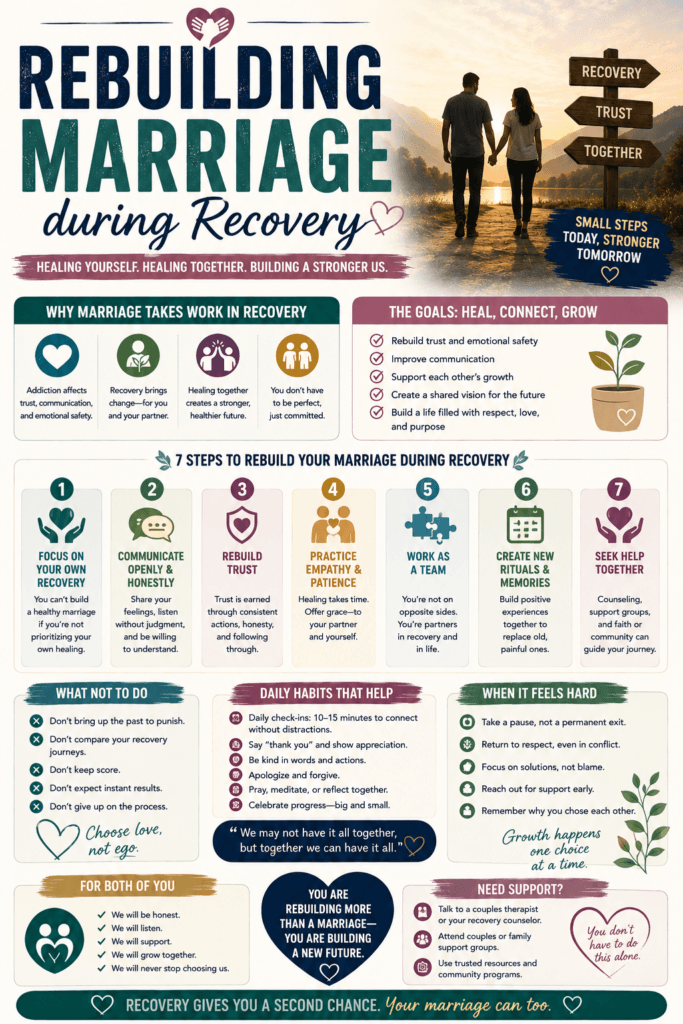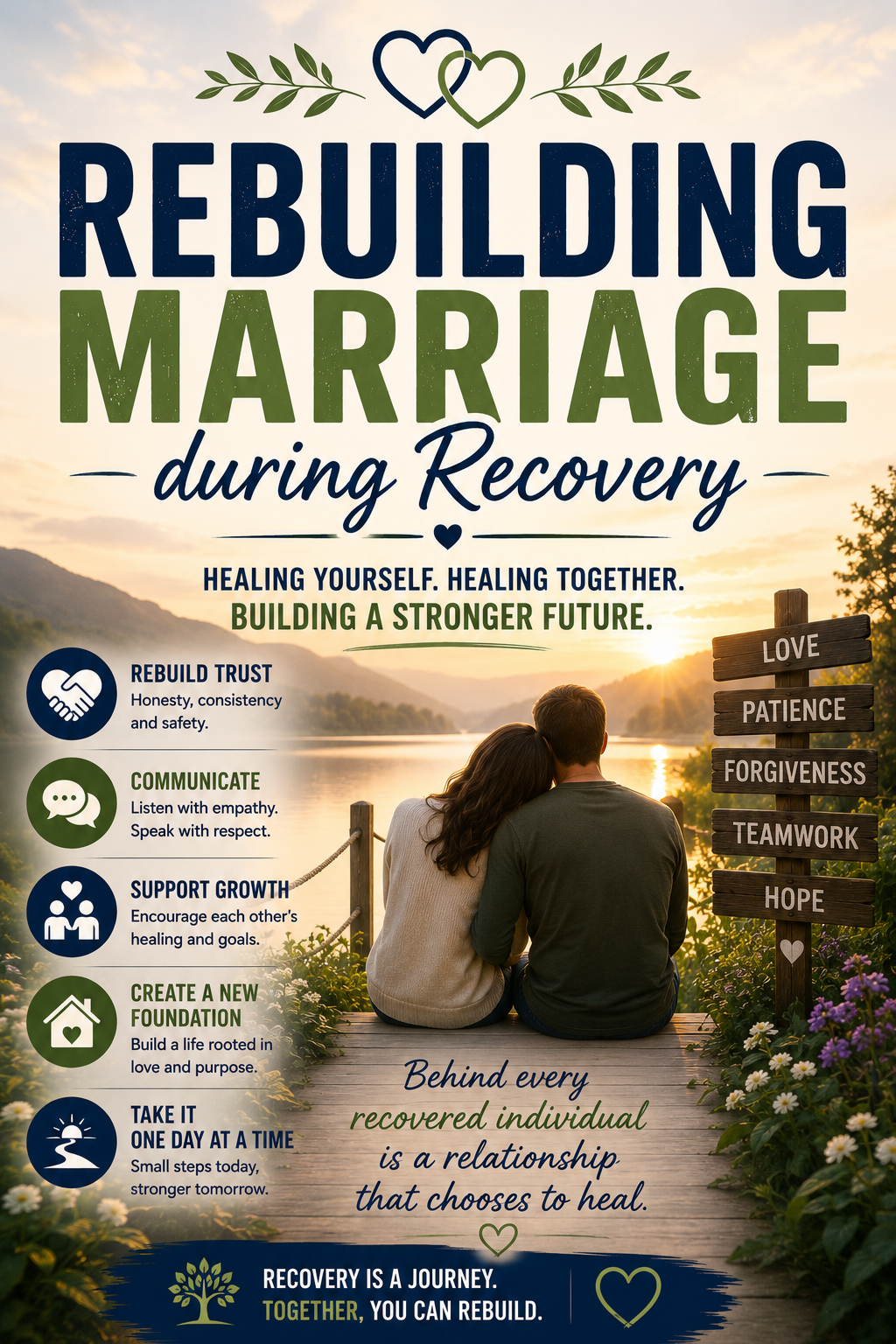
Emotional baggage isn’t something you pack or unpack just once in life. I’ve noticed it can sneak up on you in marriage, showing up as old hurts, past mistakes, or unspoken fears. It usually makes recovery from tough seasons a lot bumpier. Shedding that extra weight is pretty important if you want genuine connection and a more peaceful home. I’m sharing some real talk about what emotional baggage looks like in committed relationships, plus tips that helped me (and others I’ve worked with) loosen its grip.
Understanding Emotional Baggage in Marriage
Baggage shows up in daily life more often than you might think. It’s not just about what happened to you before you met your partner. Sometimes it’s memories from childhood, old relationships, losses, or painful events that keep sitting in the background and influencing how you talk, fight, or support each other. Marriage throws two stories together, and old emotional pain can leak out in all sorts of unexpected ways.
The American Psychological Association notes that unresolved emotional baggage can lead to recurring patterns of conflict in relationships. People who carry unhealed hurts often react strongly to small issues, skip healthy communication, or shut down when things get tough (source). Recognizing these patterns helps explain why disagreements never seem to actually get resolved.
If left unchecked, emotional baggage also sets the stage for more misunderstanding and stress. Partners might misinterpret each other’s actions, assuming the worst because of old wounds unrelated to the current situation. Over time, this can lead to a cycle where both partners feel misunderstood or unappreciated, further weighing down the relationship.
How Emotional Baggage Affects Recovery
If you or your partner is healing from addiction, infidelity, grief, or mental health challenges, emotional baggage sometimes gets even heavier. In recovery, old pain can make it difficult to trust or feel safe with others. If past betrayals, abandonment, or shame aren’t talked about, recovery can stall. I’ve seen how guilt or anger over old wounds lingers, even after the big recovery milestones are passed.
For couples going through recovery together, or when one partner is healing, patience and self-awareness play a huge role. Support circles like counseling or 12-step programs often encourage honest conversations about these emotional leftovers to avoid relapse and resentment. It’s pretty normal for new triggers to come up as life changes. Tackling them together, instead of alone, makes a world of difference.
There’s also the challenge of trying to stay open during moments when fear can easily creep in. For instance, in recovery, relapses or setbacks can be especially triggering if old baggage has not been explored. Being able to talk about those fears openly—and to remind each other of progress—can actually help build a more trusting relationship, making it stronger over time.
Signs You’re Carrying Emotional Baggage
- Overreacting to Minor Issues: Small misunderstandings quickly turn into big arguments, hinting at deeper hurts.
- Difficulty Trusting Your Partner: Old betrayals or abandonment issues make it tough to let your guard down.
- Fear of Vulnerability: Hiding your feelings, even when you want to share, out of fear you’ll get hurt again.
- Repeated Arguments: The same disagreements show up over and over, even if you try to avoid them.
- Self-Sabotage: Pushing your partner away or doubting you deserve happiness, especially when things are going well.
People sometimes aren’t even aware that these habits trace back to old pain. Journaling, therapy, or check-ins with a trusted friend can help spot these patterns sooner. You may notice cycles in your reactions. If you find yourself feeling defensive, withdrawn, or anxious in otherwise safe situations, it might be worth writing down your feelings and looking for early roots of the issue.
Real Steps for Letting Go
1. Naming and Owning Your Story
Letting go starts by actually spotting the baggage. I needed help to figure out what I was carrying. Sometimes it takes a therapist, a group, or honest conversations with your partner. List out what moments from your past still sting or pop up when you’re upset. This isn’t about blaming yourself or anyone else, but about seeing where the pain is hiding.
It’s helpful to break this process into small steps—start by remembering moments that stand out, then look for patterns in how those moments shape your reactions with your spouse.
2. Honest Communication with Your Partner
Talking about emotional baggage feels awkward at first. I found it helps to approach the topic gently: “When you said X, I felt Y because it reminds me of…” Using “I feel” statements keeps things from feeling accusatory. Making space for both partners to share, without interruption, can turn tough talks into bonding moments. If silence or anger comes up, that’s a good signal there’s more healing to do.
You can also agree on a “pause” word or signal for heavy conversations. That way, if things start to feel overwhelming, either person can request a break to gather their thoughts before returning to the discussion.
3. Practicing Forgiveness (Including for Yourself)
Forgiveness in marriage isn’t just for big betrayals. Sometimes, forgiving yourself for past decisions or not being perfect is what lifts the most weight. When I started to let go of self-blame, I found I could actually show up for my spouse more fully. Setbacks are part of the process, but offering compassion (to yourself and your partner) helps replace old blame games with understanding.
This gentle approach to forgiveness allows both people space to grow without harsh judgment. Remembering that no married couple is perfect, and that mistakes are part of being human, can take a huge load off your relationship.
4. Building New, Shared Experiences
Creating positive memories together helps take the spotlight off old pain. I’ve seen couples find healing by traveling together, taking up a new hobby, or working toward a shared recovery goal. These new experiences remind you both that your story isn’t stuck in the past. You’re building something new, together. Even simple activities, like cooking together or trying out a new sport, can become anchors of positive change and connection.
Common Roadblocks and How to Move Past Them
- Fear of Being Hurt Again: I get protective when I’ve been hurt before, but staying guarded only leads to distance. Establish small routines of honesty and consistency. Trust can grow with time and small steps.
- Unrealistic Expectations: Sometimes we hold onto the hope that our spouse will “fix” old wounds. Healing is about self-work as much as it is about teamwork. Reminding myself of this takes the pressure off both of us.
- Resentment Resurfacing: Even after a big let-go moment, old hurts can pop up. Setting aside regular time to connect and talk (even if it’s just over coffee on Sundays) keeps resentments from taking over.
- Lack of Outside Support: Trying to heal alone almost always slows things down. Couples counseling, support groups, or a trusted spiritual practice help fill in the gaps.
Sometimes, anxiety or shame makes you want to avoid these conversations or loop back into old ways of thinking. It’s important to check in and remind yourself why you’re doing this work. Progress can be slow, and setbacks are normal. But with each small improvement, your relationship becomes safer and stronger for both of you.
Helpful Practices for Lasting Change
Journaling: Writing down what you’re feeling each day, especially after a hard conversation, helps spot what needs to be released or forgiven. I’ve found patterns in my own worries that I didn’t notice before. Recording your emotions helps you identify which challenges are recurring and which are tied to recent events rather than old pain.
Meditation or Mindfulness: Simple breathing exercises or a mindful walk can lower stress and make it easier to respond thoughtfully rather than purely to old triggers. There are free meditation apps worth checking out (like Headspace or Insight Timer), especially for beginners. Spending a few quiet minutes daily can give you much-needed perspective and help you avoid acting on impulse.
Boundaries Setting: Not every topic needs to be resolved immediately. It’s okay to ask for a timeout or step away to cool off. Boundaries protect you and your partner as you both process and heal at different speeds.
Regular Check-Ins: Setting up a weekly check-in about how you’re both doing emotionally doesn’t have to be formal. Just sharing highs and lows of the week can help keep old patterns from returning unnoticed. A regular, honest conversation keeps both partners in the loop and builds security.
Cultivating Gratitude: Try noting a few things you appreciate about your partner each week. This simple act can help balance out difficult emotions and bring more positivity into your relationship. Gratitude shifts your focus toward what’s working, making it easier to handle what isn’t.
Frequently Asked Questions
Question: What if my partner doesn’t want to talk about the past?
Answer: It’s pretty normal for one person to be less interested in digging up old hurts, especially if they find it uncomfortable. Focusing on your own healing makes a real difference. Sometimes, when one person shows growth and self-compassion, it encourages the other to open up in their own time. Couples therapy is a helpful neutral space if conversations get stuck.
Question: Can people really ever let go of deep emotional pain?
Answer: Deep hurts can linger, but with the right tools and support, they lose a lot of their power. Letting go often means learning to live with certain memories without letting them control you. Progress happens with time, honest reflection, and sometimes professional support.
Question: Is it possible for emotional baggage to actually make a marriage stronger?
Answer: When couples confront and work through old baggage together, trust grows. Facing vulnerabilities honestly can bring people closer and create deeper understanding. It adds a layer of resilience, since you both learn that struggles can be worked through together.
Why Letting Go Matters for a Lasting Marriage
Letting go of emotional baggage isn’t about forgetting your past or pretending pain never happened. I’ve seen it as a way to open new doors to intimacy, trust, and teamwork, especially when life throws big challenges your way. Marriage and recovery adventures feel much lighter and more hopeful when you leave the old suitcases behind and focus on moving forward together. Finding ways to gently confront old hurts and build new memories is pretty important for a healthy, lasting relationship. If you’re thinking about taking this step, you’re already on the right path. With patience, the willingness to be honest, and a commitment to healing, your marriage can flourish beyond old limitations.
Video: Addiction Recovery: Why Good Intentions Aren’t Enough for Your Marriage