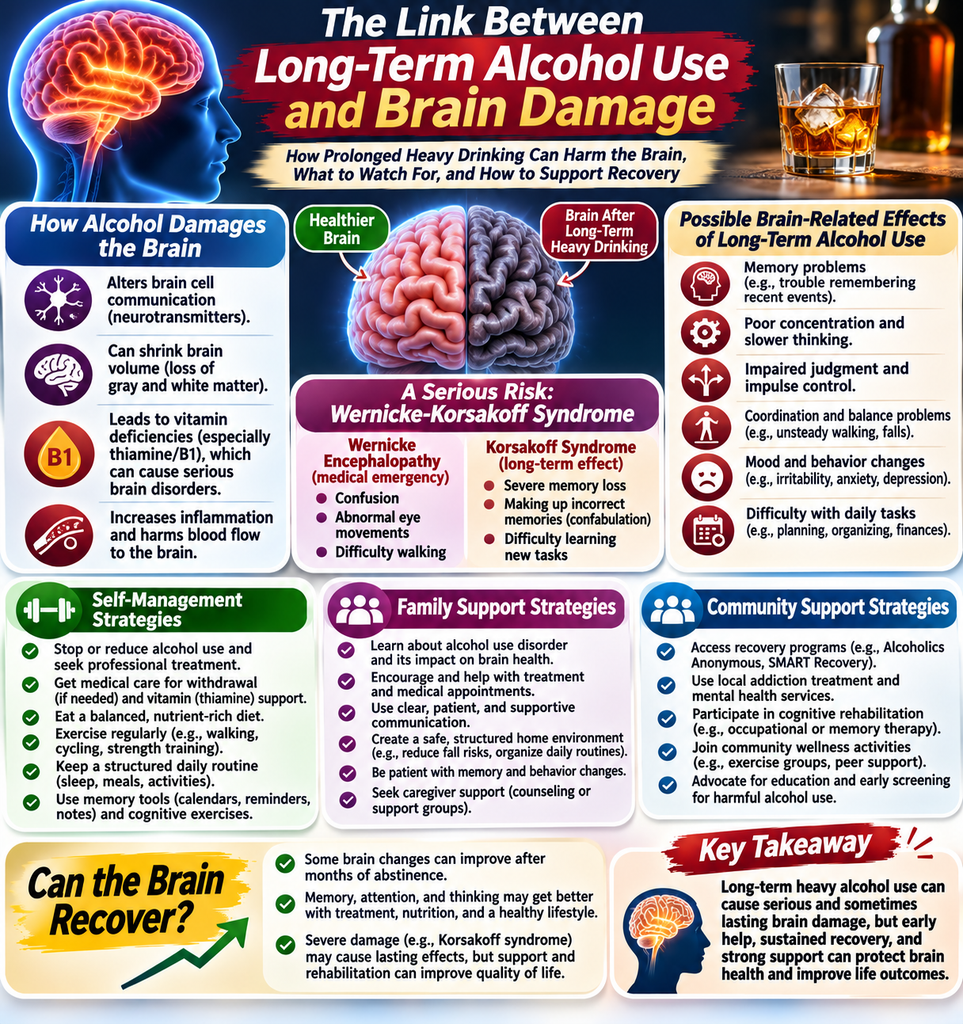
Cravings are among the most challenging experiences individuals face during addiction recovery. Whether someone is recovering from alcohol, opioids, nicotine, stimulants, or other substances, intense urges can appear unexpectedly, even after weeks, months, or years of sobriety.
For many individuals, cravings are more than simple desires. They involve complex interactions between the brain’s reward system, learned behaviors, emotional responses, and environmental triggers. These powerful urges can make recovery difficult, particularly when individuals experience stress, anxiety, loneliness, or exposure to situations associated with previous substance use.
However, advances in neuroscience, behavioral psychology, and addiction medicine have improved our understanding of why cravings occur and how they can be managed.
Researchers have identified brain circuits involved in motivation, reward, memory, and decision-making. Scientists have also developed medications and behavioral therapies that can reduce cravings and help individuals maintain recovery.
Cravings are not evidence of personal weakness or failed recovery. They are understandable responses involving brain biology and learned associations, and effective treatments can help people manage them.
Understanding the science behind cravings, combined with self-management strategies, family involvement, and community support, can help individuals develop healthier coping skills and reduce the risk of returning to substance use.
Understanding the Science Behind Addiction Cravings
Cravings are strong urges or desires to use a substance. They can be triggered by internal experiences, such as anxiety or emotional distress, or external cues, such as seeing alcohol, encountering people associated with past drug use, or visiting familiar environments.
Addiction changes the way the brain processes reward, motivation, and stress.
Repeated substance exposure can strengthen associations between drug use and environmental cues, making those cues powerful triggers for future cravings.
The brain systems involved in cravings
Addictive Behaviors Notes — WJEC A-Level
Reward system — Motivation and reinforcement
Dopamine signaling in circuits involving the ventral tegmental area and nucleus accumbens contributes to reward learning and the motivation to seek substances.
Perimenopause Brain Fog: Why It Happens – and How Exercise and Weight Loss Can Help
Prefrontal cortex — Decision-making and self-control
This region helps regulate impulses, evaluate consequences, and choose behaviors aligned with long-term goals.
The limbic system – Queensland Brain Institute – University of Queensland
Amygdala and hippocampus — Emotions and memory
These structures help associate substance use with emotional experiences, places, people, and environmental cues.
Insula — Internal sensations and urges
The insula helps process bodily sensations and internal states that may contribute to the subjective experience of craving.
Cravings arise from interactions among these systems rather than from one isolated brain region.
Why Cravings Can Continue Long After Substance Use Stops
One of the most frustrating aspects of recovery is that cravings may continue even after withdrawal symptoms have resolved.
This happens partly because the brain retains learned associations between substances and experiences.
For example, someone who regularly drank alcohol after work may experience cravings when arriving home, even after months without drinking.
Similarly, a person recovering from opioid addiction may experience urges when encountering locations or situations associated with previous opioid use.
Common triggers for cravings
- Environmental cues: Bars, neighborhoods, social gatherings, or places associated with substance use.
- Emotional distress: Anxiety, anger, sadness, loneliness, or frustration.
- Physical discomfort: Pain, fatigue, poor sleep, or hunger.
- Social influences: Being around individuals who use substances.
- Positive emotions: Celebrations, excitement, or situations previously associated with substance use.
- Stress: Financial difficulties, relationship conflict, or work-related pressures.
- Substance exposure: Seeing, smelling, or being offered alcohol or drugs.
Cravings vary in intensity and duration. Some disappear quickly, while others recur or persist and require additional treatment.
How Medications Help Reduce Addiction Cravings
Modern addiction medicine offers medications that can reduce cravings, withdrawal symptoms, and the reinforcing effects of substances.
These medications act on specific biological pathways involved in addiction.
Medications for opioid use disorder
Buprenorphine is a partial opioid agonist that reduces withdrawal symptoms and cravings while lowering the risk of overdose.
Methadone is a full opioid agonist administered through regulated opioid treatment programs for opioid use disorder. It stabilizes opioid receptor activity and reduces cravings and illicit opioid use.
Extended-release naltrexone blocks opioid receptors and can help prevent return to opioid use in appropriately selected individuals who have completed opioid withdrawal.
Buprenorphine and methadone are associated with substantial reductions in overdose mortality.
Medications for alcohol use disorder
- Naltrexone: Reduces alcohol’s rewarding effects and may decrease heavy drinking and cravings.
- Acamprosate: Helps support abstinence after alcohol cessation, potentially by influencing glutamate-related signaling.
- Disulfiram: Produces an unpleasant reaction when alcohol is consumed and may support abstinence in selected individuals, although it does not directly reduce cravings.
Medications for nicotine dependence
Nicotine replacement therapy, varenicline, and bupropion can reduce withdrawal symptoms and cravings associated with smoking cessation.
Medications for stimulant use disorders
There are currently no FDA-approved medications specifically for cocaine or methamphetamine use disorders.
However, behavioral treatments, particularly contingency management, have demonstrated effectiveness in improving treatment engagement and reducing stimulant use.
Medication decisions should always be individualized by qualified healthcare professionals.
Cognitive Behavioral Therapy: Retraining Responses to Cravings
Cognitive behavioral therapy (CBT) is an evidence-based treatment that helps individuals identify and modify thoughts and behaviors associated with substance use.
CBT does not erase cravings, but it can help people respond differently when urges occur.
How CBT helps manage cravings
CBT teaches individuals to recognize triggers, challenge unhelpful thinking patterns, and practice alternative behaviors.
For example, someone might experience the thought:
“I’ve had a stressful day. Drinking is the only way I can relax.”
CBT encourages the individual to examine this belief and develop healthier alternatives, such as exercising, contacting a supportive friend, or practicing relaxation techniques.
Common CBT strategies include:
- Identifying high-risk situations.
- Recognizing automatic thoughts associated with substance use.
- Challenging beliefs that encourage drinking or drug use.
- Practicing refusal skills.
- Developing stress-management techniques.
- Creating structured relapse prevention plans.
- Rehearsing coping strategies before cravings occur.
Repeated practice can strengthen healthier behavioral responses.
Mindfulness and Urge Surfing: Learning to Respond Without Using
Mindfulness-based interventions teach individuals to observe thoughts, emotions, and physical sensations without immediately reacting.
One technique, known as urge surfing, encourages individuals to experience cravings as temporary sensations that may rise, peak, and eventually decrease.
Instead of attempting to suppress every urge, the individual practices noticing the craving without acting on it.
Steps for practicing urge surfing
- Recognize the craving without judgment.
- Notice where the urge appears in the body.
- Breathe slowly and focus on the present moment.
- Observe changes in the craving’s intensity.
- Let the sensation pass without using substances.
- Redirect attention toward a healthy activity.
Urge surfing can be useful for some individuals, but intense or persistent cravings may require medication adjustments, professional support, or changes to the treatment plan.
Self-Management Strategies: Using Science to Strengthen Recovery
Self-management involves applying evidence-based skills to recognize cravings, reduce exposure to triggers, and maintain recovery.
These strategies are most effective when combined with appropriate professional treatment.
Creating a personalized craving management plan
A written plan can help individuals respond more effectively during moments of increased vulnerability.
Practical strategies include:
- Identify triggers: Keep a journal documenting when cravings occur and what may have caused them.
- Practice coping techniques: Use breathing exercises, mindfulness, grounding techniques, or distraction.
- Delay impulsive decisions: Create time between feeling an urge and acting on it.
- Change the environment: Leave high-risk situations when possible.
- Contact support: Reach out to a trusted friend, sponsor, peer recovery specialist, or healthcare professional.
- Maintain treatment: Take prescribed medications and attend follow-up appointments.
- Address physical needs: Prioritize sleep, nutrition, hydration, and appropriate physical activity.
- Develop emergency strategies: Know when to seek immediate medical or crisis assistance.
Using healthy rewards to support recovery
Addiction can disrupt normal reward processing, making everyday activities feel less satisfying during early recovery.
Over time, meaningful activities can help individuals rebuild motivation and experience pleasure without relying on substances.
Helpful activities include exercise, hobbies, creative expression, volunteering, education, and spending time with supportive people.
Recovery involves developing a lifestyle that offers meaningful alternatives to substance use.
Family Support Strategies: Helping Loved Ones Manage Cravings
Family members often want to help but may struggle to understand why cravings continue after someone stops using substances.
Learning about the neurological basis of cravings can reduce frustration and encourage compassionate support.
Understanding cravings without judgment
Cravings do not automatically mean someone intends to return to substance use.
They may occur as part of the recovery process, especially during stressful periods or when exposed to familiar cues.
Families can support recovery by responding calmly and encouraging appropriate coping strategies.
Practical family support strategies
- Learn about addiction neuroscience: Understand how reward learning, stress, and environmental cues influence cravings.
- Encourage professional treatment: Support medication treatment and behavioral therapy when appropriate.
- Practice open communication: Allow loved ones to discuss cravings without fear of punishment or humiliation.
- Reduce unnecessary triggers: Avoid pressuring someone to drink or use substances.
- Establish healthy boundaries: Protect family well-being while maintaining compassionate relationships.
- Encourage healthy activities: Participate in exercise, hobbies, or alcohol-free gatherings.
- Recognize progress: Celebrate effective coping and participation in treatment.
- Seek family counseling: Address relationship difficulties and improve communication.
Helping during an intense craving episode
When someone experiences strong cravings, family members can offer practical support without attempting to control the person’s behavior.
For example, they may suggest going for a walk, contacting a recovery supporter, or attending a treatment appointment.
If cravings are accompanied by imminent overdose risk, severe withdrawal symptoms, or suicidal thoughts, urgent professional assistance may be necessary.
Community Support Strategies: Building Recovery-Friendly Environments
Community support can strengthen recovery by reducing isolation and improving access to evidence-based treatment.
Recovery-friendly communities provide opportunities for individuals to build supportive relationships and participate in meaningful activities.
Peer recovery support
Peer recovery programs connect individuals with others who understand addiction and the challenges of managing cravings.
Examples include:
- Alcoholics Anonymous: Peer-led recovery meetings emphasizing mutual support.
- Narcotics Anonymous: Support for individuals recovering from drug addiction.
- SMART Recovery: Evidence-informed tools for motivation, coping skills, and behavioral change.
- Recovery community organizations: Peer coaching, educational programs, and social activities.
- Faith-based recovery programs: Spiritual support and community connections for individuals who find these approaches meaningful.
Expanding evidence-based treatment access
Communities can reduce addiction-related harm by improving access to medications, counseling, and mental health services.
Important strategies include:
- Expanding buprenorphine and methadone treatment availability.
- Integrating addiction treatment into primary care.
- Supporting telehealth services where appropriate.
- Providing affordable behavioral healthcare.
- Offering transportation and housing assistance.
- Promoting recovery-friendly employment practices.
- Increasing access to naloxone and overdose education.
- Reducing stigma through public awareness campaigns.
New and Emerging Scientific Approaches to Craving Management
Researchers continue to investigate treatments that target brain circuits involved in addiction.
Although some approaches are promising, not all are established treatments.
Brain stimulation therapies
Transcranial magnetic stimulation (TMS) and transcranial direct current stimulation (tDCS) are being studied for their potential to influence brain circuits involved in craving and self-control.
Evidence varies by substance and treatment protocol. These approaches are not established replacements for standard addiction treatment.
Digital therapeutics and mobile applications
Mobile applications can help individuals monitor cravings, identify triggers, practice coping skills, and communicate with treatment providers.
Digital tools may improve access to recovery support, particularly when integrated with professional care.
However, effectiveness varies, and privacy protections are important.
Personalized addiction treatment
Researchers are studying how genetic, psychological, and neurological differences may influence treatment response.
The goal is to identify which interventions work best for different individuals.
At present, no single genetic or brain-based test can reliably determine the ideal addiction treatment for every person.
Understanding Relapse and the Role of Cravings
Cravings can increase the risk of returning to substance use, but they do not make relapse inevitable.
A recurrence of substance use may indicate the need to reassess treatment, strengthen coping strategies, or address previously unrecognized triggers.
Common warning signs
- Increasing frequency or intensity of cravings.
- Avoiding treatment appointments.
- Reconnecting with high-risk environments.
- Withdrawing from supportive relationships.
- Experiencing worsening depression or anxiety.
- Neglecting sleep, nutrition, or daily routines.
- Believing substance use can now be controlled without risk.
Responding to setbacks
If substance use resumes, individuals should seek professional support promptly.
Treatment may involve medication adjustments, additional counseling, increased monitoring, or a higher level of care.
For opioid use disorder, reduced tolerance after abstinence increases overdose risk. Naloxone should be accessible, and individuals should receive overdose prevention education.
For alcohol use disorder, severe withdrawal symptoms require urgent medical evaluation.
Resources for Addiction Cravings and Recovery
Individuals and families can access several national resources.
- SAMHSA National Helpline: 1-800-662-HELP (4357), providing confidential treatment referrals.
- FindTreatment.gov: Find addiction treatment providers.
- National Institute on Drug Abuse: Learn about addiction neuroscience and treatment.
- National Institute on Alcohol Abuse and Alcoholism: Explore alcohol use disorder treatment resources.
- SMART Recovery: Find evidence-informed recovery support.
- 988 Suicide & Crisis Lifeline: Call or text 988 for immediate emotional crisis support.
Conclusion: Science Offers Hope for Managing Cravings
Addiction cravings are complex experiences influenced by brain chemistry, learned associations, emotional responses, and environmental triggers.
Scientific advances have demonstrated that cravings are not simply failures of willpower. They reflect biological and behavioral processes that effective treatment and practical coping strategies can address.
Medications, cognitive behavioral therapy, mindfulness-based approaches, and structured relapse prevention plans can help individuals manage urges and maintain recovery.
Self-management strategies empower individuals to recognize triggers and develop healthier responses. Family involvement provides encouragement, understanding, and emotional stability. Community resources improve access to treatment, peer support, and meaningful social connections.
Although cravings may continue long after substance use stops, they can become less disruptive with appropriate treatment and continued practice.
Cravings may be powerful, but they do not have to control a person’s future. With science, support, and effective recovery strategies, individuals can develop healthier habits and build meaningful lives beyond addiction.
Frequently Asked Questions and Answers
Understanding the Science of Addiction Cravings
1. What are addiction cravings?
Addiction cravings are strong urges or desires to consume alcohol, use drugs, or engage in behaviors previously associated with substance use.
Cravings may involve physical sensations, emotional distress, intrusive thoughts, or intense motivation to obtain a substance.
They can occur during active addiction, early recovery, or after prolonged abstinence.
Experiencing cravings does not automatically mean someone will return to substance use.
2. Why does the brain experience cravings during addiction recovery?
Repeated substance use changes how the brain processes reward, motivation, stress, and learning.
The brain develops associations between substances and specific experiences, such as people, places, emotions, or daily routines.
Even after substance use stops, these learned associations may activate brain circuits involved in craving.
This explains why someone may suddenly feel a strong urge when they encounter a familiar trigger.
3. What role does dopamine play in addiction cravings?
Dopamine is a neurotransmitter involved in motivation, reinforcement learning, and reward-related behavior.
Many addictive substances increase dopamine signaling in the brain’s reward pathways.
Repeated exposure can strengthen associations between substance use and environmental cues.
Over time, these cues may trigger powerful urges to seek substances, even when the individual understands the potential consequences.
Dopamine is not simply a pleasure chemical; it also helps the brain assign motivational importance to experiences.
4. Which parts of the brain are involved in cravings?
Several interconnected brain regions contribute to cravings.
- Nucleus accumbens: Involved in reward, motivation, and reinforcement.
- Prefrontal cortex: Supports judgment, planning, and impulse regulation.
- Amygdala: Processes emotional experiences and stress-related associations.
- Hippocampus: Helps store memories associated with substance use.
- Insula: Processes internal bodily sensations that may contribute to urges.
Cravings arise from interactions among these brain networks rather than one isolated area.
5. Why can cravings continue months or years after someone stops using substances?
The brain can retain learned associations between substances and environmental cues for extended periods.
For example, someone who previously drank alcohol after work may experience cravings when arriving home, even after months of abstinence.
Stress, emotional distress, or exposure to familiar environments may reactivate these associations.
Cravings often become more manageable with treatment and recovery experience, although the timeline varies.
6. Are cravings a sign that addiction recovery is failing?
No. Cravings can occur during successful recovery and do not necessarily indicate an impending return to substance use.
They are influenced by neurological adaptations, learned behaviors, and environmental triggers.
Recovery involves developing the ability to recognize and respond to cravings without automatically acting on them.
Persistent or worsening cravings may indicate that additional treatment or support would be beneficial.
Scientific Treatments for Managing Cravings
7. Can medications reduce addiction cravings?
Yes. Several FDA-approved medications can reduce cravings, withdrawal symptoms, or the reinforcing effects of addictive substances.
Examples include:
- Buprenorphine: Reduces opioid withdrawal symptoms and cravings.
- Methadone: Stabilizes opioid receptor activity and reduces cravings.
- Naltrexone: Can reduce alcohol’s rewarding effects and blocks opioid effects.
- Acamprosate: Helps support abstinence from alcohol.
- Varenicline: Reduces nicotine cravings and smoking satisfaction.
Medication selection depends on the substance involved, medical history, and individual treatment goals.
8. How do buprenorphine and methadone help control opioid cravings?
Buprenorphine and methadone act on opioid receptors in the brain.
Buprenorphine is a partial opioid agonist, while methadone is a full opioid agonist.
When appropriately prescribed, both medications reduce withdrawal symptoms, stabilize opioid receptor activity, and decrease cravings.
They also reduce illicit opioid use and are associated with substantially lower overdose mortality.
These medications are evidence-based treatments for opioid use disorder, not merely substitutes for illicit drugs.
9. How does naltrexone help reduce alcohol cravings?
Naltrexone blocks opioid receptors involved in alcohol-related reward signaling.
For some individuals, this reduces the rewarding effects of alcohol and decreases the likelihood of heavy drinking.
Naltrexone is available in oral and extended-release injectable formulations.
It is not appropriate for individuals currently using opioid medications or experiencing opioid dependence because it can block needed opioid effects or precipitate withdrawal.
10. Can cognitive behavioral therapy help manage cravings?
Yes. Cognitive behavioral therapy (CBT) helps individuals recognize thoughts, emotions, and behaviors associated with substance use.
CBT teaches practical strategies for identifying triggers, challenging unhelpful beliefs, and developing alternative responses.
For example, someone who believes alcohol is necessary for relaxation may learn healthier stress-management techniques.
CBT is widely used in evidence-based addiction treatment.
11. What is urge surfing, and how does it work?
Urge surfing is a mindfulness-based technique that encourages individuals to observe cravings without immediately acting on them.
The person recognizes the craving, notices physical sensations, and allows the urge to change over time.
A typical approach involves:
- Acknowledging the craving without judgment.
- Taking slow, controlled breaths.
- Observing physical and emotional sensations.
- Avoiding impulsive reactions.
- Redirecting attention toward a healthy activity.
Urge surfing can help individuals develop greater tolerance for uncomfortable sensations, although some cravings require additional treatment or support.
12. Can brain stimulation therapies reduce addiction cravings?
Researchers are investigating techniques such as transcranial magnetic stimulation (TMS) and transcranial direct current stimulation (tDCS).
These approaches aim to influence brain circuits involved in motivation, craving, and self-control.
Some studies have reported promising results, but effectiveness varies across substances and treatment protocols.
Brain stimulation remains an emerging or specialized approach for many substance use disorders and should not replace established treatments.
Self-Management Strategies for Craving Control
13. What are the most common triggers for addiction cravings?
Common triggers include:
- Stress, anxiety, depression, or anger.
- Exposure to alcohol or drugs.
- People or places associated with previous substance use.
- Poor sleep or physical exhaustion.
- Chronic pain.
- Relationship conflicts.
- Financial difficulties.
- Social isolation.
- Celebrations or positive emotional experiences.
Identifying personal triggers is an important component of relapse prevention.
14. What should someone do when experiencing an intense craving?
The first step is to recognize the craving without automatically responding to it.
Helpful strategies include leaving high-risk environments, contacting a trusted supporter, practicing relaxation techniques, or engaging in a healthy distraction.
If cravings become persistent or difficult to manage, individuals should contact their addiction treatment provider.
For opioid use disorder, continuing prescribed medication treatment is especially important.
15. Does physical exercise help reduce cravings?
Physical activity may temporarily reduce cravings, improve mood, and relieve stress.
Walking, cycling, swimming, yoga, and strength training can support recovery by improving sleep and emotional well-being.
Exercise also offers opportunities to build healthier routines and enjoy rewarding activities without substances.
However, exercise should complement professional addiction treatment rather than replace it.
16. Can mindfulness and meditation help prevent relapse?
Mindfulness-based interventions can help individuals become more aware of thoughts, emotions, and cravings.
These techniques encourage deliberate responses rather than impulsive reactions.
Mindfulness may help reduce stress and improve emotional regulation, although evidence for preventing substance use recurrence varies across populations and interventions.
It is most useful as part of a broader recovery plan.
17. How do sleep and nutrition affect addiction cravings?
Poor sleep can increase stress, impair decision-making, and make cravings more difficult to manage.
Irregular eating patterns and inadequate nutrition may also contribute to fatigue, irritability, and emotional instability.
Maintaining regular sleep schedules, balanced meals, hydration, and appropriate physical activity can improve overall recovery stability.
These habits support treatment but do not independently cure addiction.
18. How can someone create an effective craving management plan?
A personalized plan should identify triggers, coping strategies, supportive contacts, and treatment resources.
Important components include:
- Recording common craving triggers.
- Identifying early warning signs.
- Practicing coping techniques before high-risk situations.
- Maintaining prescribed medications and appointments.
- Establishing supportive relationships.
- Preparing strategies for unexpected substance exposure.
- Knowing when to seek professional assistance.
A written plan can reduce the need to make difficult decisions during emotionally intense moments.
Family Support and Craving Management
19. How can families help loved ones manage cravings?
Families can provide encouragement, emotional stability, and practical assistance.
Helpful approaches include learning about addiction, supporting treatment participation, and avoiding judgmental language.
Families may also help reduce unnecessary substance-related triggers in shared environments.
Open communication allows individuals to discuss cravings without feeling ashamed.
20. Should family members remove alcohol or drugs from the home?
Reducing exposure to substances may be helpful, especially during early recovery.
For example, families may choose to avoid keeping alcohol in shared spaces or organizing gatherings centered on drinking.
However, decisions should be collaborative and respectful of individual circumstances.
A substance-free home environment can support recovery, but it does not replace medical treatment or coping skills.
21. What should families avoid saying when someone experiences cravings?
Statements such as “Just use willpower,” “You should be over this by now,” or “If you really wanted recovery, you wouldn’t have cravings” can increase shame and discourage communication.
More supportive responses include:
- “What would help you feel supported right now?”
- “Would you like me to stay with you while the craving passes?”
- “Do you want help contacting your counselor or recovery supporter?”
- “What coping strategy has helped you before?”
Compassionate communication can strengthen trust and encourage engagement in treatment.
Community Support and Relapse Prevention
22. How do recovery support groups help manage cravings?
Recovery support groups provide opportunities to share experiences, learn coping strategies, and build supportive relationships.
Programs such as Alcoholics Anonymous, Narcotics Anonymous, and SMART Recovery offer different approaches to maintaining recovery.
Peer support can reduce isolation and help individuals respond to cravings more effectively.
Support groups may complement professional treatment, but they should not replace indicated medications or medical care.
23. How can communities improve access to craving management treatments?
Communities can improve recovery outcomes by expanding access to evidence-based addiction services.
Important strategies include:
- Increasing availability of buprenorphine and methadone treatment.
- Integrating addiction care into primary care and mental health services.
- Expanding affordable counseling programs.
- Supporting telehealth treatment where appropriate.
- Providing transportation and housing assistance.
- Offering peer recovery coaching.
- Increasing naloxone access.
- Reducing stigma through public education.
24. What happens if someone returns to substance use after experiencing cravings?
A return to substance use may indicate that the current treatment plan needs adjustment.
It does not erase previous recovery progress.
Individuals should seek professional support to identify contributing factors and strengthen relapse prevention strategies.
For opioid use disorder, returning to opioid use after abstinence can be especially dangerous because reduced tolerance increases overdose risk.
Access to naloxone and continued evidence-based treatment are important protective measures.
25. Where can individuals find help for addiction cravings and recovery?
Several national resources provide treatment information and recovery support.
- SAMHSA National Helpline: 1-800-662-HELP (4357), offering confidential treatment referrals.
- FindTreatment.gov: Locate addiction treatment services.
- National Institute on Drug Abuse: Learn about addiction neuroscience and treatment.
- National Institute on Alcohol Abuse and Alcoholism: Explore alcohol use disorder treatment resources.
- SMART Recovery: Find recovery meetings and coping tools.
- 988 Suicide & Crisis Lifeline: Call or text 988 for immediate mental health crisis support.
Video: