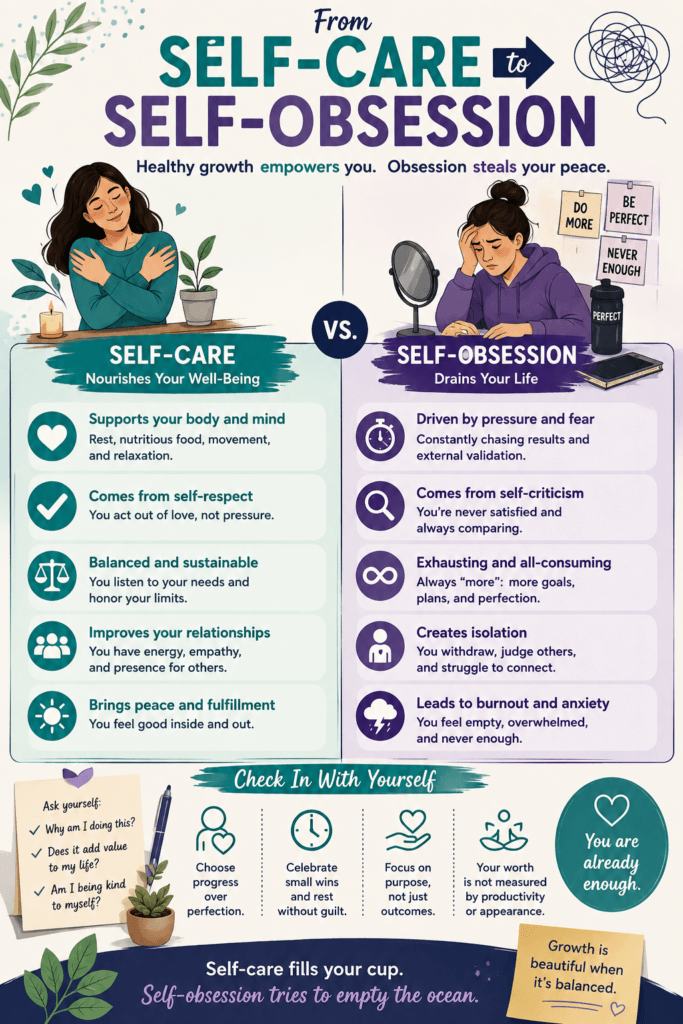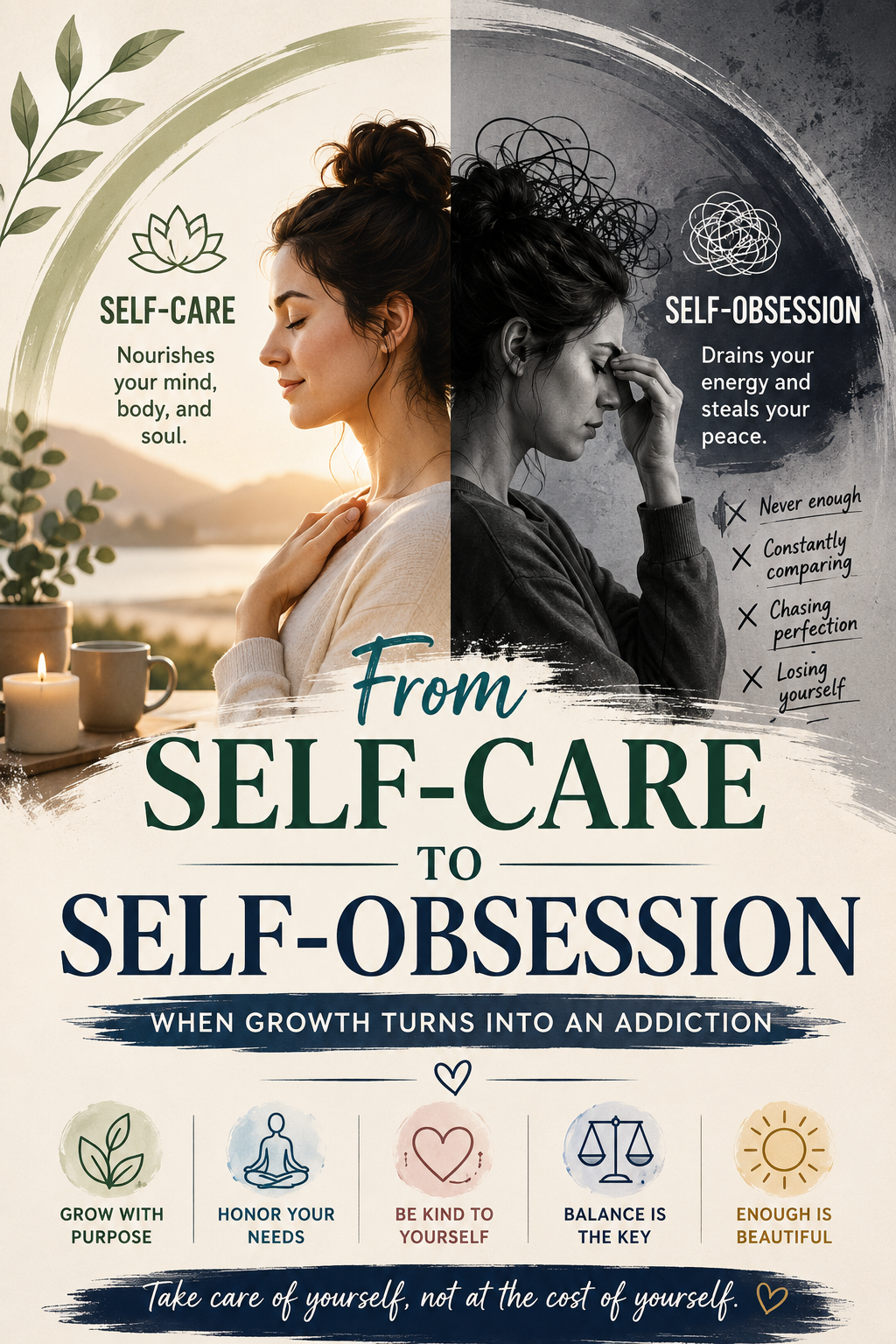
Self-improvement has become a major part of modern culture. From books and podcasts to wellness influencers and social media, we are constantly encouraged to become healthier, happier, more productive, and more successful. Personal growth can be positive, but the pursuit of improvement can become unhealthy when nothing ever feels good enough. Instead of celebrating progress, a person may become consumed with achieving more, looking better, or reaching an unrealistic version of perfection. The goal gradually shifts from improving quality of life to constantly fixing or reinventing oneself. Celebrity culture can intensify this pressure, as appearance, performance, fitness, and success are often subjected to constant public scrutiny. Some celebrities have openly shown how extreme routines and relentless expectations can lead to emotional and physical consequences. Understanding when healthy ambition crosses into obsession can help us recognize an important truth: genuine self-improvement should enhance your life, not make you feel as though you are never enough.
What Happens When Self-Help Turns Into an Obsession?
The motivation to be better is pretty common, and for some people, that push is their secret sauce for success. Celebrities regularly talk about their strict routines, extreme diets, or nonstop hustle in interviews; it basically sounds like self-improvement 24/7. But turning self-help practices into a nonstop obsession can be risky. You end up constantly hunting for flaws and quick fixes, rather than taking care of yourself in a real, meaningful way.
I’ve noticed the self-improvement craze isn’t just about working out, eating healthy, or reading new books—it’s about constantly measuring up to a moving standard. That’s a tough game to win, and it can leave even the biggest stars feeling like they’re not enough. This mindset switch turns healthy habits into pressure, and for some folks in the spotlight, that pressure becomes overwhelming. When not every achievement feels satisfying, it creates a self-perpetuating cycle that keeps the pressure strong.
Celebrity Culture and the Self-Improvement Trap
Hollywood is practically built on transformation. Stories of weight loss, glow-ups, and eye-catching comebacks grab tons of attention. But under the surface, there’s a darker side to this endless self-upgrade mindset. The intense scrutiny celebrities face fuels insecurity, leading some down a road of trying everything, no matter the cost or consequences.
Public expectations and brand deals only add to that stress. When your looks, lifestyle, or even mental health get analyzed on social media or in magazines, it’s easy to see how celebs can develop a relentless urge to keep fixing themselves. The result? Some go so far with self-improvement that it starts to look more like addiction than healthy curiosity.
- Plastic surgery marathons: Some celebrities have undergone dozens of procedures, chasing an ever-changing ideal of beauty.
- Extreme diets and cleanses: Many have shared stories of skipping entire food groups, fasting for weeks, or bouncing between unhealthy fads.
- Obsessive workout regimens: From multiple daily sessions to hiring pricey “body transformation” teams, the quest for perfection can take over every waking moment.
- Supplements and “biohacking”: Some latch on to the latest wellness trends, loading up on pills, powders, and unproven tech gadgets, believing each will unlock a better self.
Warning Signs: When “Better” Turns Into “Never Enough”
A little ambition can be handy if you want to make changes in your life. But it’s super important to watch out for warning signs when things are going overboard, especially for people in the public eye. The pattern tends to look like this:
- Never happy with results, no matter how much progress is made
- Increasing time and money spent on new procedures, new routines, or new self-improvement products
- Physical side effects, like constant fatigue, injuries, or unhealthy weight changes
- Mood problems, for example, anxiety, irritability, or depression, linked to constant self-criticism
- Relationship troubles, like withdrawing from friends or family to prioritize self-improvement rituals
The celebrity world probably puts these behaviors on blast more than most, but it’s easy for anybody to fall into this mindset. Social media tends to reward “hustle” and “grind” culture, and if everyone around you seems to be improving themselves, it’s tempting to compete. Even outside the spotlight, the pressure can feel inescapable.
Real Stories: Celebrities and the Hazards of Overdoing Self-Help
From the outside, it might seem like celebrities have it all figured out. But many stars have spoken openly about the pitfalls of continuous self-improvement. Here are a few examples (I’ve skipped shaming or gossiping, because this stuff is all too real):
- Demi Moore: Known for her ever-changing looks, Moore shared in her memoir about how chasing perfection, through surgeries, diets, and treatments, left her feeling more empty than before. At a certain point, no new change felt satisfying, and it took therapy to hit pause and rethink her relationship with self-image.
- Zac Efron: After starring in “Baywatch,” Efron talked about the pressures behind getting (and keeping) a “perfect” body. Achieving those superhuman abs took a toll on his physical and mental health. The obsession with fitness and diet didn’t make him feel better about himself; instead, he described feeling anxious and disconnected until he learned to relax his routines.
- Jocelyn Wildenstein, often called “the Catwoman,” made her many surgeries a defining part of her story. Wildenstein’s story is a cautionary tale about chasing beauty so hard that it can result in a look so different it’s hard to recognize, even to the person themselves.
- Khloé Kardashian: She’s spoken aloud about going to extremes with diet and exercise after years of public criticism. Kardashian used fitness almost as a form of control in her life, but later reflected that being “addicted to change” was just another way of chasing approval she wasn’t finding within.
The Science of Self-Improvement Addiction
There’s actual research supporting the idea that self-improvement can become an unhealthy habit. Dopamine, the brain’s feel-good chemical, gets released when you chase a new goal or hit a milestone. Some people can get hooked on that sensation, powering through tougher routines, stricter diets, or bigger changes because each offers a little temporary satisfaction. Soon, though, it starts to feel like those highs only come when you’re doing something new to “fix” yourself.
This cycle is called “self-optimization addiction.” It’s linked to higher rates of burnout, disordered eating, and anxiety disorders, not just among celebs, but regular people too. For a lot of folks, it takes a friend, a therapist, or a wake-up call to break out of the loop.
Healthy Self-Help vs. Going Too Far: How to Tell the Difference
Trying to get better or stronger isn’t bad at all. But it’s worth checking in with yourself or paying attention to someone else if certain behaviors show up:
- You feel intense guilt or fear when you can’t stick to routines
- There’s more focus on what’s “wrong” with yourself than what’s already good
- Your self-worth is tied to constant change, with no ability to rest or slow down
- Time spent on self-improvement starts to crowd out social activities or hobbies
If you or somebody you know recognizes these patterns, reaching out for professional help can be a really smart step. Finding balance is possible, even in an industry that makes money selling the idea that nobody is ever “good enough.” Remember, self-improvement should make you feel more whole, not constantly lacking.
What Drives Celebs Past the Point of Balance?
A lot of it comes down to money and attention. Looking younger, thinner, or more energetic often brings more fans, more roles, and bigger endorsement deals. Public feedback, whether it’s online trolls or glowing magazine features, has a big impact, too. Sometimes it feels like your image is the only thing that matters, and that’s a tough mindset to shake.
Private struggles often get masked under a polished exterior, and some stars have only felt comfortable opening up after years of racing down the self-improvement rabbit hole. Authentic conversations can help chip away at the harmful idea that the only way to be “successful” is to be constantly changing. Support systems like close friends, therapy, and honest role models are crucial for pulling back and making room for self-acceptance.
Better Approaches to Real Growth
The healthiest version of self-improvement is pretty simple: it’s about small changes, staying kind to yourself, and celebrating progress, not perfection. Even A-listers who used to be big on extreme routines have started talking about slowing down, listening to their real needs, and making time for real rest. Building confidence, instead of chasing endless fixes, usually leads to longer-lasting happiness. I always appreciate it when someone famous talks about going to therapy, setting boundaries, and finding joy in things that aren’t about fixing themselves all the time.
- Set realistic, meaningful goals (not ones based on random trends).
- Check in with your mental health regularly and talk to trusted people.
- Take breaks; sometimes the best way forward is to chill out.
- Surround yourself with people who value the “real” you, not just your image.
Frequently Asked Questions
Here are some questions I often hear about self-improvement and celebrity culture:
Question: Can self-improvement become a real addiction?
Answer: Yes, especially when the need to keep optimizing takes over daily life or starts to hurt your mind, body, or relationships. That’s when it’s time to talk to someone or rethink your approach.
Question: Why do celebrities seem so drawn to extreme self-improvement?
Answer: The nature of fame means being under constant public scrutiny. Image is a huge part of the job, and many celebrities feel pressure to look a certain way or keep up with trends to stay relevant.
Question: How do you know when self-help habits become unhealthy?
Answer: Warning signs include constantly feeling dissatisfied, focusing only on fixing yourself, and letting self-improvement cut into relationships or self-esteem.
Bottom Line: Growth is Great, But So is Balance
Everyone’s a work in progress, but there’s a difference between healthy ambition and a never-ending chase for more. Taking a step back, appreciating what you’ve already achieved, and looking after your mental health are just as important as any improvement plan. Celebrities are just people, and their stories are a reminder that sometimes, being enough is more valuable than always striving for more.
Video: When Self-Care Becomes a Trap: Signs You Need to Stop