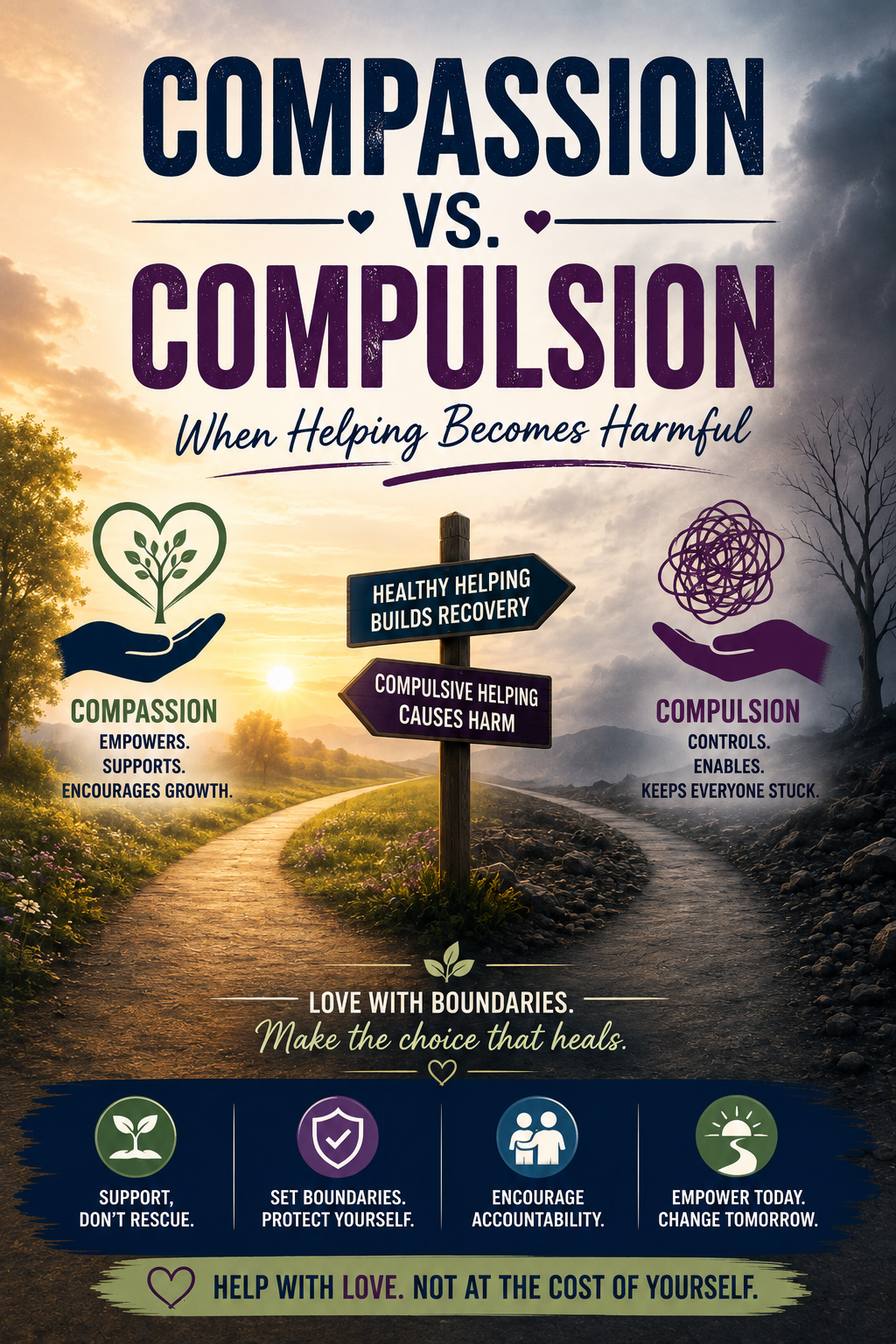
Compassion is something that’s hardwired into most of us. Lending a hand and being there for someone else gives us a warm feeling and often strengthens our bonds. But sometimes, what starts out as genuine care drifts into doing things out of guilt or pressure. Suddenly, helping isn’t about kindness; it’s about obligation. That’s where compassion can mix with compulsion, and in some cases, the act of helping may actually cause harm.
Understanding Compassion and Compulsion
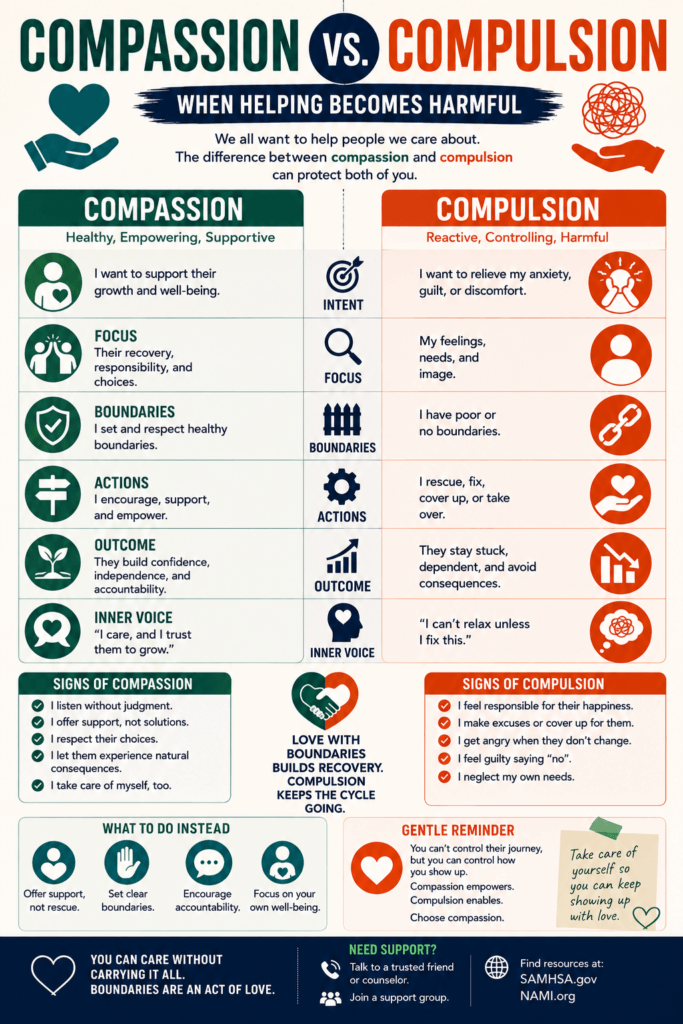
Compassion is all about connecting with others’ pain in a meaningful way. It comes from a place of empathy and presence, wanting to support without needing to control or fix everything. Lots of people think being compassionate means always stepping in, but it doesn’t have to look the same for everyone. Genuine care has room for healthy boundaries and recognizes people’s autonomy.
Compulsion, on the other hand, creeps in when the urge to help tips into anxiety, guilt, or social pressure. Maybe you feel like saying no will make you a bad friend, or you jump in to fix things just to ease uncomfortable feelings. This isn’t always obvious right away, but the urge to constantly rescue or solve other people’s problems can get overwhelming, and sometimes even disrespectful.
Spotting When Helping Shifts from Healthy to Harmful
It’s pretty common to go overboard when you care about someone. Here’s what I notice happens as compassion quietly turns into compulsion:
- Feeling responsible for someone else’s emotions – If I’m feeling anxious or guilty because someone else is hurting, I need to check my motivation before offering help. Am I there because I want to, or because I feel like I have to?
- Saying yes all the time – Overcommitting can sometimes signal that my boundaries are slipping, especially when I’m stretched thin but keep agreeing to help out.
- Fixing instead of supporting – Compassion is about showing up; compulsion tries to fix everything, sometimes without being asked.
- Resentment building up – When I find myself feeling resentful or burnt out after helping, that’s usually a sign my care has flipped into compulsion.
Common Situations Where Helping Can Hurt
There are classic situations where the urge to help crosses the line and starts causing problems:
- Parenting and Overprotection – Parents want to safeguard their kids, but always stepping in to resolve every struggle can prevent children from learning independence or solving problems on their own.
- Friendships and Burnout – When one person becomes the go-to fixer, the dynamic gets unbalanced. Constantly bailing out a friend who refuses to change can lead to frustration for both people involved.
- Workplace Favor Trading – At work, helping colleagues is often seen as teamwork, but saying yes to every request can leave me overwhelmed, draining my energy and making it hard to get my own work done.
- Caring Professions – Nurses, therapists, and teachers are especially prone to compassion fatigue. Continually giving without replenishing my own well-being can have major emotional and physical impacts.
Another instance is in family relationships, such as between siblings or extended family. The person who always acts as the “peacemaker” can find that their efforts are not always appreciated and may end up taking on more emotional labor than is healthy. In romantic partnerships, one partner constantly trying to protect or save the other may lead to imbalance and codependency, which can, surprisingly, weaken the relationship over time.
Why Helping Sometimes Backfires
It seems strange that helping could be harmful, but it happens more than people realize. Here are a few reasons why:
- Loss of Autonomy – When I solve someone else’s problems for them, I might be taking away their sense of agency. They don’t get the satisfaction or confidence that comes from working through challenges on their own.
- Reinforcing Dependency – Consistently rescuing someone can accidentally encourage them to expect help, rather than build their own skills or resilience.
- Hidden Expectations – Sometimes, even when I think I’m giving unconditionally, there’s a sneaky hope for gratitude in return. If it doesn’t come, both sides can feel let down or misunderstood.
Sometimes, by continually stepping in, you might unwittingly convey that you don’t believe the other person can manage on their own. This pattern not only discourages growth but also complicates the relationship dynamics. Over time, people might lose their self-confidence or become resentful, while helpers feel burned out or underappreciated.
Questions to Ask Before Stepping In
Whenever I feel compelled to help, I find it helpful to check in with myself using a few simple questions:
- Did the person actually ask for my help, or am I stepping in on my own?
- Do I want to help, or do I feel like I have to?
- Is my assistance making things better, or am I just making myself feel useful?
- Will my involvement help the other person grow, or am I creating dependency?
Reflecting on these questions helps me ensure my compassion is genuinely helpful, not driven by my own discomfort or the need to feel needed.
How to Offer Healthy, Compassionate Help
It’s possible to support others without losing myself in the process. Here are some practical tactics I’ve found helpful:
- Practice Listening – Sometimes, the most helpful thing I can do is simply listen without offering solutions or advice unless it’s asked for.
- Respect Boundaries – I give people space to solve their own problems, only stepping in when they really need and welcome a hand.
- Check My Motivation – I slow down and notice why I want to help. If it’s coming from guilt or anxiety, I take a step back and recharge.
- Communicate Openly – If I’m not able to help, I say so honestly without feeling bad. Sometimes, being upfront is the most respectful option.
Another way to boost healthy help is to encourage problem-solving skills in the person you want to support. Instead of providing the solution, you might ask questions like, “What would you like to do?” or “How do you think you can approach this?” That way, you’re showing belief in their ability to manage and helping without taking over.
Seeking Support as a Helper
If you’re someone who feels constantly drawn into other people’s issues, it’s not a bad idea to get support for yourself too. This could look like talking with a trusted friend, setting up boundaries with a counselor, or joining a peer support group. I’ve found that learning about healthy boundaries and practicing saying “no” is really freeing, even if it feels awkward at first.
Personal Experience
When I first started setting limits around how much I helped others, I worried it would make me seem cold or selfish. Instead, I noticed my relationships often improved. By focusing on quality over quantity and offering support in ways that respected both my energy and the other person’s autonomy, I was able to be present without burning out.
It was eye-opening to realize how much pressure I was putting on myself to be “the helper.” Once I began to get a sense of the difference between genuinely supporting and compulsively helping, it became easier to track down healthier patterns. People close to me actually appreciated my honesty, even if it took some getting used to.
Real-World Examples and Research
Psychologists call the tendency to jump into problem-solving “enabling,” and it can happen with the best intentions. For example, research at the University of California, Berkeley suggests that enabling behaviors often lead to greater struggles for those being helped, because they never develop their own problem-solving tools (Greater Good Science Center).
In some caring professions, studies show that workers who maintain strong boundaries not only reduce their own rates of burnout but are also more effective in their roles. Check out resources from the American Psychological Association for more on this topic (APA: Burnout).
According to recent data published in mental health journals, helpers with structured self-care routines, such as regular check-ins with mentors or colleagues, tend to experience fewer symptoms of compassion fatigue. This supports the idea that maintaining your own well-being actually strengthens your support for others over the long term.
FAQ: Compassion Versus Compulsion
Q: Is it ever wrong to help someone?
A: Not usually, but it depends on how you help, your motivation, and whether it supports their growth. Helping isn’t bad, but overhelping or enabling can be. Stay mindful and try to balance care with respect for the other person’s choices.
Q: How can I tell if I’m helping too much?
A: If you’re feeling tired, resentful, or like you’re the only one putting in the effort, it’s worth taking a step back. Pay attention if you’re helping to avoid your own discomfort or out of fear of letting people down.
Q: What are some healthy ways to support others?
A: Listen more than you speak, ask open questions, offer help only when asked, and be honest about your ability to help. Encourage autonomy rather than jumping in to solve everything.
Wrapping Up: Finding Balance Between Helping and Letting Go
Caring for people in meaningful ways is something I really value. But the quality of my help isn’t about how often or how much I do; it’s about presence, boundaries, and trusting that the people I care about can grow too. Paying attention to the difference between compassion and compulsion helps me offer support in healthier, more respectful ways, creating stronger connections along the way.
Learning the difference between compassion and compulsion isn’t about pulling away; it’s about supporting others (and myself) in a way that works for everyone. The next time you feel the nudge to jump right into someone’s struggles, take a breath and check in with yourself—you just might find that stepping back is what actually gives both of you a boost.
Video: Real Compassion vs. Compulsive Helping: What You Need to Know