Toxic shame can quietly take root and shape nearly every part of life, including how you view yourself and the world around you. This type of shame can weigh you down emotionally and mentally, often making it tricky to spot and even harder to shake. After a lot of personal research and reflection, I’ve found that recognizing toxic shame is the first step toward real healing, so I’m sharing what I’ve learned, hoping it will be helpful for anyone working through this tough feeling.
Understanding Toxic Shame and How It Shows Up
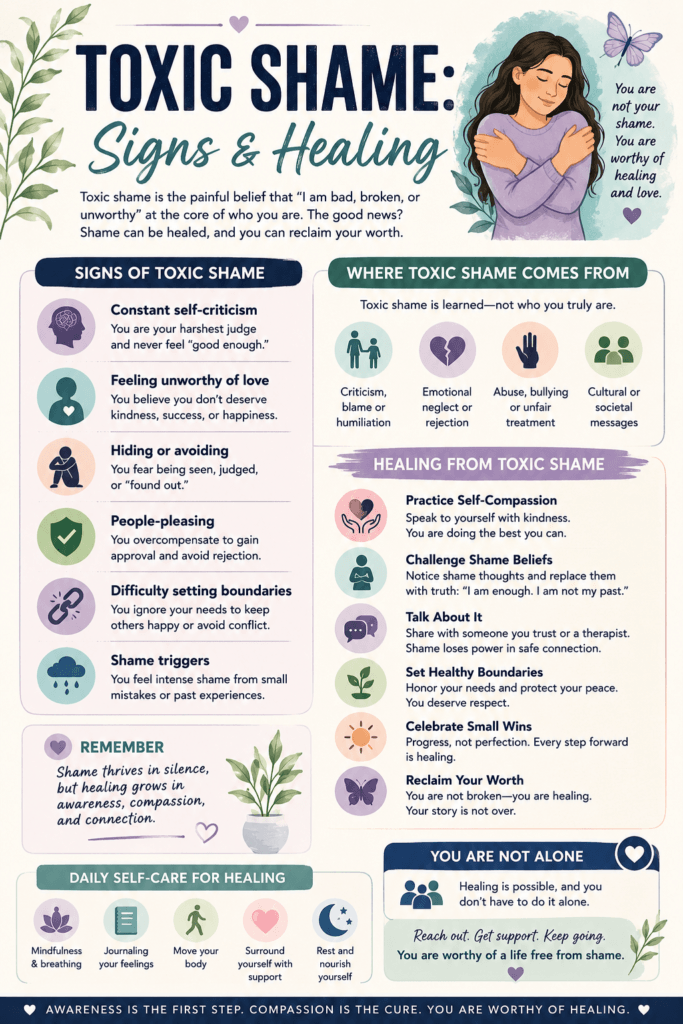
Toxic shame goes way beyond feeling embarrassed or guilty about a specific mistake. While regular shame can actually push us toward growth or positive change, toxic shame sticks around and leaves you feeling like there’s something deeply wrong with you at your core. It can come from childhood experiences, family patterns, bullying, or traumatic events, and sometimes it’s hard to trace back to a single source.
Toxic shame shows up quietly but powerfully. Rather than thinking, “I made a mistake,” the feeling becomes, “I am a mistake.” This lingering sense often comes with heavy self-blame, low self-worth, and a constant underlying feeling of being different or not good enough. Over the years, mental health experts like Brené Brown and John Bradshaw have talked a lot about toxic shame and its long-term impact on overall well-being. Recognizing when shame crosses the line into something toxic is really important if you want to start healing and build self-acceptance.
It’s also important to note that toxic shame can stick around through different stages of life. Sometimes, when life gets stressful or we experience failure, these old patterns show up even stronger. Add to that, our society can sometimes send messages that reinforce shame, especially regarding emotions and personal struggles. Recognizing these outside influences can help you spot when shame is not really coming from you, but rather from ingrained messages or expectations.
Common Signs of Toxic Shame
Spotting toxic shame in yourself can be tough, especially because it likes to hide behind everyday habits and thoughts. Still, there are some red flags I watch for in myself and others, which might help you notice them in your own life too:
- Constant Self-Criticism: If you find yourself picking apart every decision you make or beating yourself up for tiny slip-ups, this might be toxic shame in disguise.
- Chronic Feelings of Unworthiness: No matter how much you achieve, you may still feel like you’re not enough or don’t deserve kindness from others or yourself.
- Difficulty Accepting Compliments: When praise feels confusing or uncomfortable, toxic shame might block the ability to accept positive feedback.
- Perfectionism and People Pleasing: Pushing yourself to always do more or say yes to everything, just to earn approval, can be a big sign that shame is working in the background.
- Isolation and Withdrawal: Avoiding close relationships or hiding parts of your life from others is often rooted in fear of exposure or judgment.
- Physical Symptoms: Chronic stress from shame can show up as headaches, stomach aches, muscle tension, and trouble sleeping.
When I started spotting these patterns in my own life, it got a little easier to name them for what they were, instead of just thinking something was wrong with me. If you notice these patterns crop up only at certain times—like after criticism or a failure—it can help to make a note of them or talk them over with someone you trust.
Where Toxic Shame Comes From
Toxic shame doesn’t just appear from nowhere. For a lot of people, including myself, it links back to experiences in childhood or times when you felt deeply rejected, humiliated, or violated in some way. Sometimes, toxic shame comes from messages you heard growing up, like “You’re so lazy” or “Why can’t you be more like your sibling?” These comments build up, and over time, they start to shape how you see yourself.
Even as adults, we can pick up toxic shame after experiences of bullying, harsh criticism, public embarrassment, or toxic relationships. The problem isn’t just what happened, but the belief you absorbed: that you’re somehow broken, unlovable, or fundamentally flawed. Books like John Bradshaw’s “Healing the Shame That Binds You” break down this cycle in more detail, and reading those really opened my eyes to patterns I hadn’t noticed before.
It also helps to recognize that toxic shame can get passed down through families without anyone realizing it. If your parents struggled with shame, they may have unintentionally taught you the same patterns. Cultural or social expectations also play a role, leading us to internalize judgments or impossible standards that are hard to shrug off.
Healing from Toxic Shame: First Steps
Healing from toxic shame takes real effort and patience. I’ve tried a lot of different approaches, and the following strategies have actually helped me—and might help you, too:
- Acknowledge and Name the Shame: Start by noticing the inner critic and calling out shame when it shows up. Just saying, “This is shame talking,” can take away some of its power.
- Talk to Someone Safe: Sharing your feelings with someone trustworthy can be a huge relief. Sometimes, just saying things out loud helps loosen shame’s grip.
- Challenge Negative Beliefs: When you catch yourself thinking, “I’m such a failure,” gently question that belief. What’s the evidence for that thought? Is it really true?
- Practice Self-Compassion: Being kind to yourself during hard times is super important. This might look like forgiving yourself for past mistakes or reminding yourself you’re worthy, even when you don’t feel like it.
- Use Mindfulness and Grounding: Mindfulness isn’t about fixing everything, but it helps break the loop of shame by bringing your attention to the present moment.
Therapy and support groups focused on shame and self-acceptance also make a real difference. I personally found talking with a trained therapist really helpful, especially when shame felt overwhelming or confusing. In addition, reading memoirs by others who have moved through toxic shame can be incredibly validating and inspiring.
Everyday Habits That Support Healing
Small, consistent changes can help loosen shame’s grip, even when progress feels slow. Here are some habits that I use daily or weekly:
- Journaling: Writing down thoughts and feelings is a private way to process shame and track patterns over time. I use journal prompts like “What would I say to a friend in my shoes?”
- Setting Boundaries: Saying no to people or situations that trigger old shame is harder than it sounds, but it’s one of the most powerful steps I’ve taken.
- Gentle Movement: Activities like yoga, walking, or stretching seem simple, but they help me reconnect with my body and release tension tied to shame.
- Positive Affirmations: Affirmations don’t fix everything overnight, but repeating kind messages—even if it feels awkward—eventually helps rewire negative beliefs.
- Creative Expression: Art, music, or crafting let me express feelings in ways that words sometimes can’t. This approach sometimes gets past shame’s defenses and offers relief.
In my case, establishing routines that support mental wellness made a big difference. Even small actions, like taking a few minutes to breathe deeply or reading something that lifts your spirits, add up over time. It can also help to track your progress so that on hard days, you can look back and see how far you’ve come.
Making Support Systems Work for You
Building a good support network is really important for shame recovery. Whether it’s a close friend who gets it, a therapist, or an online group dedicated to healing from shame, having a safe place to be yourself makes a huge difference. I’ve joined several online communities, and while I was nervous at first, I found that just reading other people’s stories helped me feel less alone. Over time, I was able to open up and share my own story, too.
Overcoming Common Challenges with Healing
- Patience with Yourself: Healing from toxic shame isn’t fast. There will be good days and tough days; it’s all part of the process and doesn’t mean you’re failing.
- Dealing with Setbacks: When old patterns pop up, I try not to judge myself. Instead, I look at setbacks as reminders to practice extra self-care, not reasons to give up.
- Managing Triggers: Triggers such as criticism, rejection, or failure can quickly bring shame back. Having a plan for tough moments, such as pausing, breathing, or reaching out for support, really helps.
Real Life Examples and Experiences
Over the years, I’ve talked to and heard from many people dealing with toxic shame. For example, one friend grew up hearing they were “too sensitive.” As adults, they found themselves hiding emotions at work and in relationships. Another person I met couldn’t accept a promotion because, deep down, they felt like they would always mess up. It wasn’t until they talked to a counselor and found language for toxic shame that they could start breaking down these old patterns.
Another common story is people who avoid trying new things because they’re sure they’ll fail or embarrass themselves. Hearing about others pushing through similar feelings can be encouraging—sometimes the simple knowledge that you’re not alone makes it easier to try again.
Frequently Asked Questions
Some questions come up again and again with toxic shame, so I’m sharing answers that I’ve found useful in my own experience:
Question: What’s the difference between guilt and toxic shame?
Answer: Guilt is about actions (“I did something wrong”), while toxic shame is about identity (“There’s something wrong with me”). Guilt can motivate change; shame makes you want to hide.
Question: Can toxic shame ever go away completely?
Answer: It’s possible to heal and lessen toxic shame’s hold, but some people find that it can flare up in stressful moments. The goal isn’t perfection, but awareness and self-kindness.
Question: Are there books or resources worth checking out?
Answer: I recommend “The Gifts of Imperfection” and “Daring Greatly” by Brené Brown, and “Healing the Shame That Binds You” by John Bradshaw. These books break down the difference between healthy and toxic shame and provide practical exercises.
Final Thoughts on Moving Forward
Recognizing and healing from toxic shame isn’t about becoming perfect or erasing the past. For me, it’s about learning to see myself with gentleness and understanding, even when old habits try to pull me back. Taking time to celebrate small wins, asking for help, and forgiving setbacks all help lighten the load. Over time, building a new relationship with yourself that’s grounded in kindness and acceptance is absolutely possible, and little by little, life starts to feel lighter again.
Video: The Guilt That Never Goes Away Is Actually Shame #Psychology