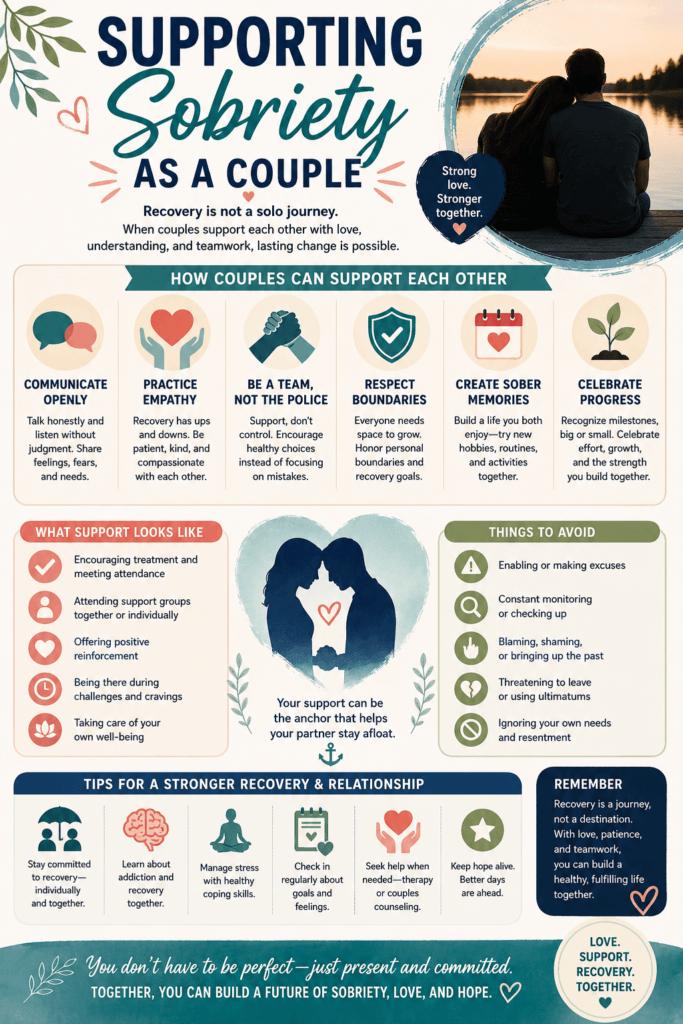
Recovery is a personal journey, and no two people experience it in exactly the same way. When couples navigate recovery together, they may face unique challenges, but they also have opportunities to strengthen trust, communication, and emotional connection. A healthy recovery partnership involves supporting one another without losing sight of individual needs, recognizing progress, working through setbacks, and celebrating meaningful milestones along the way. With patience, honesty, healthy boundaries, and mutual encouragement, couples can build a relationship that supports both recovery and long-term well-being. This article explores practical ways partners can support each other, characteristics of a healthy recovery relationship, and small but meaningful steps couples can take toward healing. By approaching recovery as a partnership grounded in respect, compassion, and teamwork, couples can create a stronger foundation for a healthier future.
Understanding Recovery as a Couple
Supporting a partner in recovery is often more complex than simply “being there.” Whether the recovery is from addiction, trauma, mental health issues, or even tough life changes, both partners are impacted. Learning what recovery really means, why relapse can happen, and what kind of support actually helps is pretty important.
A supportive partnership involves open communication, understanding boundaries, and adapting to new routines. The ripple effects of one partner’s recovery go beyond the individual. For example, if a partner is dealing with substance use recovery, routines at home may change. Social patterns, family roles, and even money matters may shift a bit or, in some cases, a lot.
I’ve seen couples work wonders when they both acknowledge that recovery isn’t just an individual adventure. It’s a shared challenge, and when it works, both people are invested in healing—each in their own way as well as together.
How Couples Can Show Support in Everyday Life
Daily support looks different for everyone, but there are a few practices most couples in recovery find helpful. Creating a safe space is always high on the list. This isn’t just about avoiding triggers; it’s about building trust, so both partners feel comfortable opening up about what’s tough and what’s working.
- Open Communication: Check-ins are useful, but even small chats about daily ups and downs go a long way. Keeping communication honest but gentle helps prevent misunderstandings and builds emotional safety.
- Respecting Boundaries: Everyone needs something different. Some people want to talk things out, while others might need a little space. Respecting your partner’s request for quiet time or privacy really helps maintain harmony.
- Celebrating Progress: Not every win is huge. Sometimes just getting through a hard day or making it to a support group counts. Recognizing and feeling proud of even small steps can keep motivation strong for both of you.
- Routines and Rituals: Setting aside time for activities you both enjoy, like evening walks or watching a show together, builds positive associations that aren’t connected to old habits you’re both working to leave behind. Some couples create new traditions or weekend routines that prioritize healthy connection.
For couples just starting their recovery journey, professional support, such as couples counseling or family support groups like Al-Anon or SMART Recovery Family & Friends, is worth exploring. These spaces offer guidance and connect you with others facing similar challenges, helping relieve that “just us” isolation.
Overcoming Challenges Together
Recovery rarely follows a straight line. Relapse, slips, or emotional setbacks can pop up at any time. A slip doesn’t mean failure for either person. Facing challenges as a team is all about building resilience and finding practical ways to get back on track—together.
- Relapse or Setbacks: It’s easy to feel discouraged if one partner slips up. Try to avoid blame. A supportive reaction means checking in on what went wrong together and figuring out tweaks for next time. Asking “What can we both do differently?” sparks teamwork rather than criticism.
- Emotional Ups and Downs: Mood swings, anxiety, or frustration come with the territory, especially in early recovery. Both partners need self-care. It could be a solo jog, time with friends, or even some light mindfulness exercises. You don’t always have to “fix” it for each other—sometimes just listening and being present helps the most.
- Different Speeds of Healing: This is really common. Sometimes one partner feels further along than the other. Don’t compare progress—focus on each person’s growth, and remember everyone heals at their own pace. Knowing this reduces resentment and helps you both stay patient.
Quick Guide: Building a Strong Recovery Partnership
Here’s a quick checklist of habits and mindsets that help couples keep their recovery adventure positive and productive:
- Communicate Regularly: Even five minutes a day to chat about feelings or share gratitude can strengthen your bond. Make it a habit, no matter how simple it seems.
- Set Clear Boundaries: Talk about needs around privacy, social plans, or triggers at home. Understanding exactly what helps or hurts recovery efforts creates a shared sense of safety.
- Make Time for Each Other: Find activities you enjoy that aren’t tied to your struggles. Something as simple as puzzle nights, a walk, or a favorite board game gives you a breather from heavier conversations.
- Stay Connected with Support Networks: Both partners can benefit from reaching out to their own support groups or friends. A fresh perspective can recharge your emotional batteries.
- Share Progress and Worries: Celebrating a new milestone or discussing a rough patch together helps you both feel seen and supported. Don’t wait for big events—small, regular check-ins matter.
Small actions stack up. The main thing is consistency, not perfection. As you build these habits, you’ll see more teamwork and less tension day-to-day.
Useful Tips for Handling Common Hurdles
Most couples will hit a few bumps along the way. These tips can help keep things on track:
- Dealing with Triggers: Identify triggers together and develop action plans, such as safe words or cool-down routines, for when things get tense. Having a clear plan makes tricky situations feel more manageable.
- Staying Accountable: Some couples like to set weekly check-ins, while others find comfort in sharing daily intentions. Find a rhythm that feels doable—not forced or overwhelming.
- Managing External Pressure: Friends and family can accidentally add pressure to “move on” or “get over it.” Practice gentle replies and know it’s okay to protect your boundaries together. A supportive couple doesn’t have to answer to everyone else.
Communication Around Triggers
Triggers can pop up unexpectedly—a song, a place, or old friends. Couples who talk about triggers without judgment are more likely to respond with empathy instead of anger or panic. For instance, if going to a certain restaurant is tough, agree on a backup spot. Even without long explanations, having a shared plan makes a big difference for both people.
Reconciling Different Needs
One partner might want to talk things out, while the other prefers journaling or quiet reflection. There’s no single right way to process emotions. Stay flexible and open, revisit your strategies, and check in regularly to see if needs or preferences are changing as you both grow.
Using Professional Support
Not every issue needs a therapist, but sometimes couples therapy offers a neutral ground for stubborn conversations or long-term patterns that feel tough to change. Therapists can help couples uncover old habits, heal resentments, and create new routines that emphasize healthy connection and understanding.
What Makes a Recovery-Supportive Relationship?
From what I’ve seen, recovery-supportive relationships have a few things in common:
- Empathy: Both partners try to see things from the other’s perspective, even when it’s uncomfortable or inconvenient.
- Patience: Setbacks aren’t emergencies; they’re just part of real life. Staying patient with yourself and your partner keeps hope alive and eases the emotional strain.
- Growth Mindset: You approach recovery as an ongoing process and celebrate progress rather than demanding perfection. This makes hard moments less discouraging and helps you both stay motivated over the long haul.
Conflicts will still pop up, but couples who use recovery tools like nonviolent communication, honest check-ins, and mutual support bounce back stronger each time. The foundation is trust and shared hope for the future.
- Real-Life Example: I know a couple who schedules a weekly “progress chat” in a local park. They talk about upcoming challenges, give each other space to share, and finish with something fun, like grabbing coffee or people-watching. It keeps their momentum going and feels much less intimidating than a formal sit-down.
Frequently Asked Questions
Here are some questions couples often ask about supporting each other in recovery:
Question: Can couples recover together, even if only one partner struggles with addiction or trauma?
Answer: Absolutely. Supporting a partner through recovery can bring up your own emotions and areas for growth. Many couples report stronger connections after working through tough times as a team.
Question: What should I do if my partner has a setback?
Answer: Avoid blame or tough love. Offer empathy, check in about what happened, and encourage honest communication. Sometimes, outside help is useful for navigating recurring setbacks or figuring out what needs to change.
Question: How do we talk about recovery with friends or family?
Answer: Decide together how much you want to share and with whom. A united front helps protect your privacy and boundaries, and it keeps you both feeling safer when tough questions come up.
Moving Forward Together
Supporting each other in recovery is about small choices made day after day: listening more, responding with empathy, and celebrating progress. These steps aren’t always eye-catching or Instagram-worthy, but they’re the foundation for stronger, happier relationships. If you and your partner find a routine, gather the right support, and stay open to learning, healing together feels possible—even when setbacks occur. Remember, you’re not alone; so many couples are walking this road, and support is never far away if you need it.
Video: Love In The Time Of Recovery: How To Make It Work #love #recovery