Recovering from addiction can be one of the most challenging journeys a person experiences. While professional treatment, personal determination, and healthy lifestyle changes matter, recovery becomes more manageable when someone understands your struggles and offers consistent encouragement.
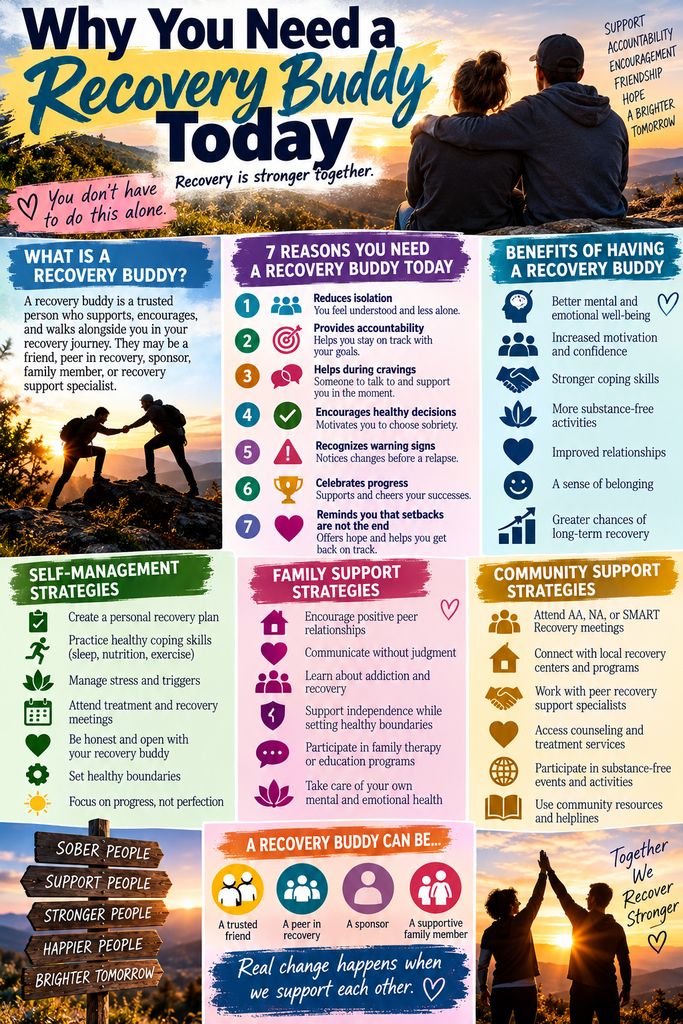
A recovery buddy is a trusted person who provides emotional support, accountability, motivation, and companionship throughout recovery. This individual may be a friend, peer in recovery, sponsor, or trained recovery support specialist.
Whether someone is newly sober, returning to treatment after a relapse, or maintaining years of recovery, having a recovery buddy can help reduce isolation, strengthen coping skills, and encourage healthier decisions.
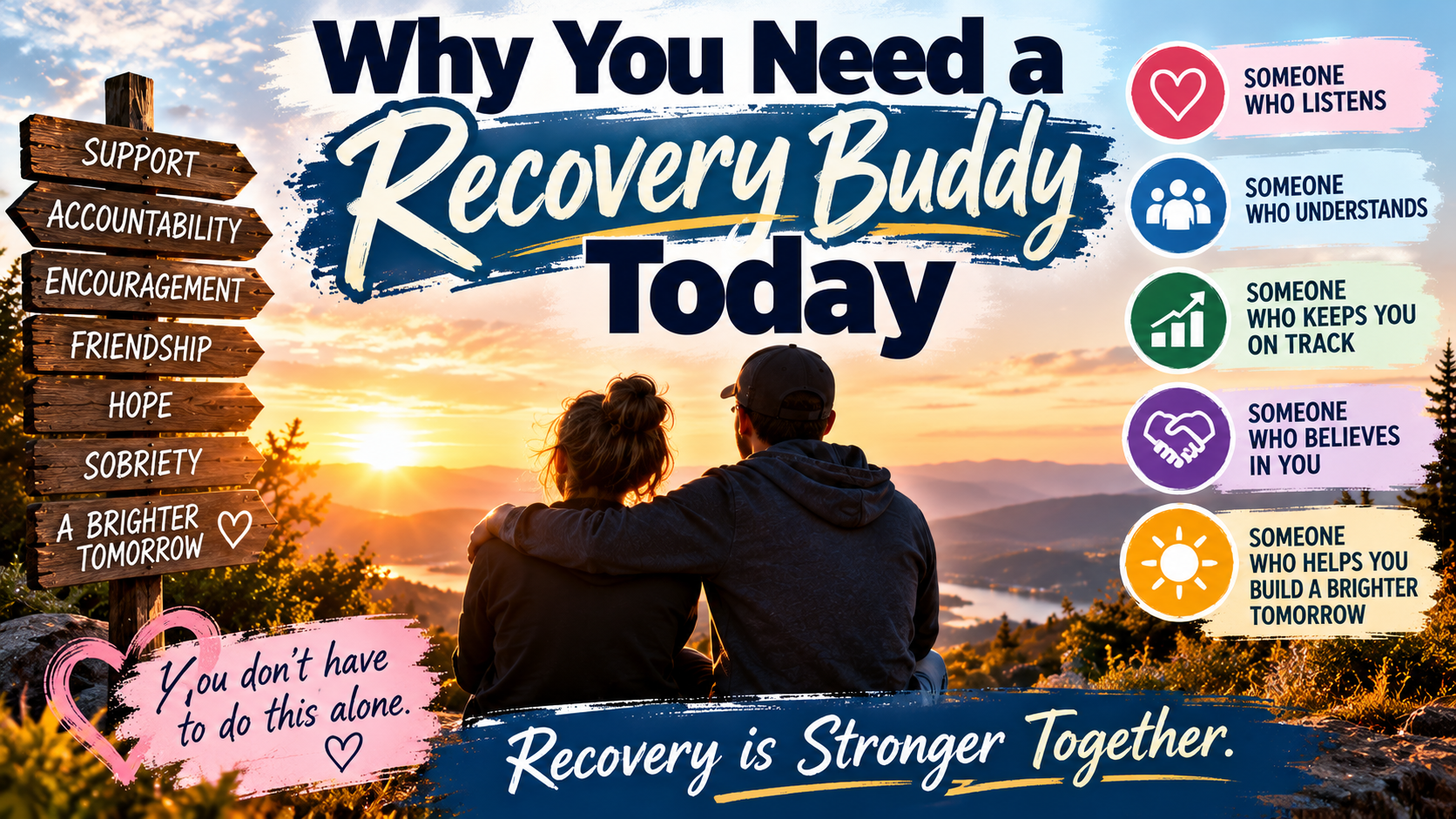
Recovery requires personal commitment, but you don’t have to experience it alone.
Understanding how recovery buddies work, why supportive relationships matter, and how self-management, family involvement, and community resources contribute to long-term recovery can help individuals build a stronger foundation for sobriety.
What Is a Recovery Buddy?
A recovery buddy is someone who provides encouragement and practical support to a person working toward recovery from alcohol or drug addiction.
Unlike a healthcare professional, a recovery buddy does not necessarily provide clinical treatment. Instead, the relationship focuses on shared understanding, encouragement, accountability, and connection.
Recovery buddies may include:
- A trusted friend who supports sobriety.
- Someone with lived experience of addiction recovery.
- An Alcoholics Anonymous (AA) or Narcotics Anonymous (NA) sponsor.
- A peer recovery support specialist.
- A person participating in the same recovery program.
- A supportive family member who understands healthy boundaries.
Although sponsors, peers, and family members can all support recovery, their roles differ. Sponsors generally work within specific recovery programs, while certified peer specialists may receive formal training to provide structured support.
The most important qualities are trust, reliability, respect, and a shared commitment to recovery.
Why Addiction Recovery Can Feel Lonely
Addiction often affects relationships, employment, emotional well-being, and social connections.
During active substance use, individuals may withdraw from supportive friends and family members or become surrounded by people whose activities involve alcohol or drugs.
As recovery begins, leaving these environments may create temporary loneliness.
Common challenges include:
- Losing friendships associated with substance use.
- Feeling misunderstood by people who have never experienced addiction.
- Experiencing shame or guilt about past behaviors.
- Struggling with cravings during stressful situations.
- Feeling uncomfortable attending social events without substances.
- Difficulty rebuilding trust with loved ones.
- Fear of being judged after a relapse.
Social isolation can increase emotional distress and reduce access to helpful coping resources.
A recovery buddy provides a consistent point of connection during this transition.
Seven Reasons You Need a Recovery Buddy Today
1. A Recovery Buddy Helps Reduce Isolation
Connection is key to emotional well-being.
Having someone to talk to during difficult moments can help individuals feel understood and supported.
A recovery buddy may offer companionship through conversations, recovery meetings, shared activities, and regular check-ins.
This connection can be especially valuable early in recovery, when individuals adjust to major lifestyle changes.
2. A Recovery Buddy Provides Accountability
Accountability means taking responsibility for recovery goals while receiving encouragement from someone who respects them.
A recovery buddy can help by:
- Checking in about recovery progress.
- Encouraging attendance at treatment appointments.
- Supporting healthy daily routines.
- Discussing challenges without judgment.
- Helping identify situations that increase relapse risk.
- Celebrating meaningful achievements.
Accountability should promote independence, not create pressure, shame, or excessive monitoring.
3. A Recovery Buddy Can Help During Cravings
Cravings are common during recovery and do not automatically indicate treatment failure.
They may be triggered by stress, certain locations, social situations, emotional discomfort, or reminders of previous substance use.
A recovery buddy can support you by talking through the craving, suggesting healthy distractions, or helping you use an established coping plan.
However, severe withdrawal symptoms, overdose risk, or psychiatric emergencies require professional or emergency assistance rather than peer support alone.
4. A Recovery Buddy Encourages Healthy Decisions
Recovery often means changing daily routines, social environments, and how you respond to stress.
A supportive buddy can encourage healthier choices, such as attending meetings, avoiding high-risk situations, staying in treatment, and participating in substance-free activities.
Over time, these repeated decisions can strengthen confidence and recovery-related habits.
5. A Recovery Buddy Helps Recognize Warning Signs
Changes in behavior, mood, and routine may indicate increased vulnerability to substance use.
Possible warning signs include:
- Missing treatment appointments or recovery meetings.
- Increasing social isolation.
- Romanticizing previous substance use.
- Returning to environments associated with drinking or drug use.
- Neglecting sleep, nutrition, or personal responsibilities.
- Experiencing worsening depression or anxiety.
- Expressing hopelessness about recovery.
A recovery buddy may notice these changes and encourage the individual to seek additional support.
6. A Recovery Buddy Celebrates Progress
Recovery involves more than counting days without alcohol or drugs.
Progress may include improved relationships, better emotional regulation, stable housing, employment, and healthier coping skills.
A recovery buddy can celebrate milestones such as completing treatment, attending appointments, managing a difficult craving, or rebuilding trust.
Recognizing progress helps reinforce motivation and confidence.
7. A Recovery Buddy Reminds You That Setbacks Do Not End Recovery
Returning to substance use can occur during recovery, but it does not erase previous progress or mean that future improvement is impossible.
A recovery buddy can respond with compassion while encouraging the individual to reconnect with professional treatment, reassess triggers, and strengthen their recovery plan.
For opioid use disorder, returning to use after a period of abstinence can carry a particularly high overdose risk because tolerance may decrease.
Support should therefore include practical safety planning, access to naloxone when appropriate, and timely medical care.
Self-Management Strategies: Taking Responsibility for Your Recovery
Although a recovery buddy provides encouragement, individuals remain active participants in their own treatment and recovery.
Self-management involves developing skills to recognize triggers, manage emotions, maintain treatment, and make decisions that support long-term well-being.
1. Create a Personalized Recovery Plan
A recovery plan identifies goals, coping strategies, and support resources.
Important components include:
- Identifying personal substance use triggers.
- Establishing short-term and long-term recovery goals.
- Scheduling treatment appointments.
- Developing strategies to manage cravings.
- Maintaining healthy sleep and nutrition.
- Identifying emergency contacts.
- Creating a plan for responding to setbacks.
2. Practice Healthy Coping Skills
Stress, loneliness, and emotional discomfort may increase the temptation to return to substance use.
Healthy coping strategies include:
- Mindfulness and meditation.
- Regular physical activity.
- Journaling and emotional reflection.
- Deep breathing exercises.
- Spending time outdoors.
- Participating in hobbies.
- Seeking professional counseling.
A recovery buddy can encourage these activities, but individuals should develop coping skills they can also use independently.
3. Communicate Honestly With Your Recovery Buddy
Trust is essential in a recovery-support relationship.
Individuals should feel comfortable discussing cravings, emotional struggles, setbacks, and treatment concerns.
Honest communication helps the recovery buddy offer appropriate encouragement and recognize when additional professional help may be needed.
4. Establish Healthy Boundaries
Recovery support should never become controlling or emotionally harmful.
Healthy boundaries include:
- Respecting each person’s privacy.
- Agreeing on reasonable communication expectations.
- Avoiding financial dependence.
- Respecting personal time and responsibilities.
- Maintaining relationships outside the recovery partnership.
- Recognizing when professional assistance is needed.
Family Support Strategies: Encouraging Recovery Connections
Families can play an important role in helping loved ones develop supportive recovery relationships.
However, relatives may struggle with balancing encouragement, independence, and concerns about relapse.
1. Encourage Positive Peer Relationships
Family members can support participation in recovery meetings, peer support programs, and substance-free social activities.
Encouraging friendships with people who respect recovery goals can help individuals develop a healthier social environment.
2. Avoid Controlling the Recovery Relationship
Families should avoid using recovery buddies as informants or expecting them to report every detail about a loved one’s behavior.
Recovery partnerships work best when they are based on mutual trust and respect.
3. Participate in Family Education
Understanding addiction can help relatives respond more effectively to recovery challenges.
Family education programs may address:
- The biological and behavioral aspects of addiction.
- Relapse prevention.
- Communication techniques.
- Healthy boundaries.
- Family stress and caregiver burnout.
- The importance of ongoing treatment.
4. Support Recovery Without Judgment
Individuals may experience cravings, emotional setbacks, or difficulties maintaining routines.
Families can encourage progress by recognizing effort, avoiding shame-based language, and supporting appropriate treatment.
5. Protect Family Well-Being
Family members also need emotional support.
Counseling, peer support groups, and healthy boundaries can help relatives maintain their own mental health while supporting someone in recovery.
Community Support Strategies: Building a Recovery Network
Community resources offer opportunities to connect with others who understand addiction and recovery.
You can often find recovery buddies through structured support programs, treatment facilities, and peer-led organizations.
1. Alcoholics Anonymous and Narcotics Anonymous
AA and NA provide peer-based recovery meetings where individuals can share experiences and build supportive relationships.
Participants may develop friendships or establish sponsor relationships that provide encouragement and guidance.
2. SMART Recovery
SMART Recovery offers mutual support using evidence-informed approaches to motivation, coping with urges, managing thoughts and behaviors, and building a balanced life.
Participants may connect with others who share similar recovery goals.
3. Peer Recovery Support Programs
Certified peer recovery specialists use lived experience and specialized training to support individuals navigating addiction recovery.
Services may include recovery planning, mentorship, resource navigation, and encouragement.
4. Outpatient and Residential Treatment Programs
Treatment facilities may offer group therapy, alumni programs, and continuing-care services that help individuals establish recovery connections.
Professional treatment remains important, especially for individuals with severe substance use disorders or co-occurring psychiatric conditions.
5. Community Recovery Centers
Recovery community organizations may provide:
- Peer support meetings.
- Recovery coaching.
- Employment assistance.
- Housing resources.
- Substance-free social events.
- Educational workshops.
- Family support programs.
These services help individuals develop connections that extend beyond formal treatment.
How to Choose the Right Recovery Buddy
Not every supportive person is a good recovery buddy.
A healthy recovery partnership requires compatibility, trust, and respect.
Look for someone who:
- Respects your recovery goals.
- Communicates honestly and without judgment.
- Maintains appropriate personal boundaries.
- Encourages professional treatment when needed.
- Understands that recovery is an individual process.
- Demonstrates reliability and emotional maturity.
- Supports healthy choices rather than enabling substance use.
Avoid relationships that involve manipulation, coercion, exploitation, or pressure to discontinue treatment.
A Practical Seven-Day Plan for Finding a Recovery Buddy
Your 7-Day Recovery Connection Checklist
0 of 7 completed
Day 1: Identify two trusted people who support your recovery goals.
Day 2: Attend an in-person or online recovery support meeting.
Day 3: Introduce yourself to someone whose recovery approach feels compatible.
Day 4: Ask about their experience with peer support or recovery partnerships.
Day 5: Discuss expectations, boundaries, and preferred communication.
Day 6: Schedule a short check-in or substance-free activity.
Day 7: Review whether the relationship feels supportive, respectful, and sustainable.
Copy checklist
You don’t need to find a recovery buddy immediately. The goal is to build a trustworthy relationship, not rush into one.
What a Recovery Buddy Cannot Replace
Recovery buddies provide valuable emotional and social support, but they don’t replace licensed healthcare professionals.
Individuals may still require:
- Medically supervised withdrawal management.
- Addiction counseling or psychotherapy.
- Medication treatment for opioid or alcohol use disorder.
- Psychiatric evaluation.
- Residential or intensive outpatient treatment.
- Emergency intervention during overdose or psychiatric crises.
For opioid use disorder, medications such as buprenorphine and methadone are evidence-based treatments associated with reduced overdose and mortality risk.
Peer support can complement these treatments but should not replace them.
The Long-Term Benefits of Recovery Connections
Healthy recovery relationships can provide more than temporary encouragement.
Over time, they may help individuals develop stronger social networks, healthier routines, greater confidence, and a renewed sense of belonging.
Potential benefits include:
- Reduced feelings of loneliness.
- Increased motivation to remain engaged in recovery.
- Improved emotional support.
- Greater participation in treatment and peer meetings.
- Stronger coping and communication skills.
- More opportunities for substance-free activities.
- A sense of purpose through helping others.
Peer support is a valuable component of recovery-oriented care, although outcomes vary and evidence does not establish that having one recovery buddy alone prevents relapse.
Conclusion: Recovery Is Stronger With Connection
Addiction recovery requires commitment, patience, effective treatment, and ongoing support.
While individuals must make their own recovery decisions, they do not need to navigate every challenge alone.
A recovery buddy can provide encouragement during cravings, celebrate meaningful progress, offer accountability, and help reduce the isolation that often accompanies early sobriety.
Self-management builds personal coping skills and responsibility. Family support creates an environment of understanding and encouragement. Community resources connect individuals with treatment, mentorship, and supportive relationships.
Together, these elements can strengthen recovery and improve overall well-being.
You don’t have to face every difficult moment alone. Sometimes, one trustworthy connection can become an important part of a lasting recovery network.
If you are beginning recovery or feeling disconnected from your support system, reach out to a trusted person or attend a peer recovery meeting today.
That first conversation may start a meaningful, supportive relationship.
Frequently Asked Questions and Answers
Understanding Recovery Buddies and Their Importance
1. What is a recovery buddy?
A recovery buddy is a trusted individual who provides encouragement, emotional support, accountability, and companionship to someone recovering from alcohol or drug addiction. This person may be a friend, peer in recovery, sponsor, supportive family member, or trained recovery support specialist. A recovery buddy helps individuals navigate challenges while encouraging healthy decisions and continued engagement in recovery.
2. Why is having a recovery buddy important?
A recovery buddy provides emotional connection, encouragement, and accountability throughout recovery. Addiction often contributes to social isolation, damaged relationships, and feelings of shame. Having someone who understands these challenges can reduce loneliness, strengthen motivation, and help individuals remain connected to treatment and recovery resources.
3. Can a recovery buddy help prevent relapse?
A recovery buddy may help reduce relapse risk by encouraging healthy coping skills, recognizing warning signs, and providing support during cravings or stressful situations. However, a recovery buddy cannot guarantee that relapse will not occur. Peer support is most effective as part of a comprehensive recovery plan that may include counseling, medications, and ongoing treatment.
4. Who can become a recovery buddy?
A recovery buddy may be:
- A trusted friend who supports sobriety.
- Someone with lived experience of addiction recovery.
- An Alcoholics Anonymous or Narcotics Anonymous sponsor.
- A certified peer recovery support specialist.
- A supportive family member.
- Another individual participating in a recovery program.
The most important qualities are trustworthiness, reliability, healthy boundaries, and respect for personal recovery goals.
5. Does a recovery buddy need to have experienced addiction?
No. Although someone with lived recovery experience may offer valuable understanding, a recovery buddy does not necessarily need a personal history of addiction. A supportive friend or family member can also provide encouragement. However, trained peer specialists and sponsors may offer additional recovery-specific guidance.
6. What is the difference between a recovery buddy and an AA or NA sponsor?
A recovery buddy provides general emotional support, encouragement, and accountability. An AA or NA sponsor typically guides another member through the principles and steps of a 12-step recovery program. Sponsors generally have personal recovery experience and participate in the same fellowship. A recovery buddy relationship may be less structured and does not necessarily involve a specific recovery philosophy.
7. Can someone have more than one recovery buddy?
Yes. Having several supportive relationships can strengthen a person’s recovery network. Different individuals may provide emotional encouragement, practical assistance, shared experiences, or guidance during difficult situations. Building a broader support network also reduces the risk of becoming overly dependent on one person.
Self-Management and Personal Recovery Strategies
8. How can a recovery buddy help someone manage cravings?
A recovery buddy can help individuals manage cravings by offering supportive conversation, encouraging healthy distractions, and reminding them of coping strategies they developed during treatment.
Helpful approaches include:
- Talking openly about cravings.
- Practicing breathing or relaxation exercises.
- Taking a walk or participating in physical activity.
- Avoiding high-risk environments.
- Attending a recovery meeting together.
- Contacting a treatment professional when cravings become difficult to manage.
9. How does a recovery buddy improve accountability?
A recovery buddy encourages individuals to remain engaged with their personal recovery goals. Regular conversations may help someone reflect on treatment attendance, emotional well-being, coping skills, and progress. Healthy accountability should promote personal responsibility, not surveillance, criticism, or punishment.
10. What self-management strategies work best alongside recovery buddy support?
Effective strategies include:
- Developing a personalized recovery plan.
- Recognizing substance use triggers.
- Maintaining consistent sleep and exercise routines.
- Attending counseling or treatment appointments.
- Taking prescribed medications as directed.
- Practicing mindfulness and stress management.
- Creating a relapse prevention plan.
- Communicating honestly about setbacks and concerns.
Recovery buddies can encourage these behaviors, but individuals should also develop independent coping skills.
11. How often should someone communicate with a recovery buddy?
Communication frequency depends on individual needs, recovery stage, and mutual availability. Some individuals benefit from daily check-ins during early recovery, while others prefer several conversations each week. Both people should agree on reasonable expectations and respect each other’s schedules and boundaries.
12. What should someone discuss with a recovery buddy?
Conversations may include cravings, emotional challenges, treatment progress, stressful situations, recovery goals, and personal achievements. Individuals can also discuss relationship, employment, or social concerns that affect recovery. Honest communication builds trust and makes support more meaningful.
13. Can a recovery buddy help someone manage stress and anxiety?
Yes. Supportive relationships can reduce loneliness and provide opportunities to discuss stressful experiences. A recovery buddy can encourage healthy coping activities such as exercise, mindfulness, hobbies, and professional counseling. However, persistent anxiety, depression, or other psychiatric symptoms should be evaluated by a qualified healthcare professional.
14. How can a recovery buddy help someone recognize early warning signs of relapse?
A recovery buddy may notice behavioral changes such as increasing isolation, missed recovery meetings, disrupted routines, or renewed contact with substance-using environments. They can express concerns respectfully and encourage the individual to review their recovery plan or contact a treatment professional.
Warning signs should prompt supportive discussion rather than blame or assumptions.
15. What should a recovery buddy do if someone returns to substance use?
A recovery buddy should respond with compassion while prioritizing safety.
Helpful actions include:
- Checking whether the person needs urgent medical attention.
- Avoiding shame, threats, or humiliation.
- Encouraging prompt contact with a treatment professional.
- Helping identify triggers and contributing circumstances.
- Supporting a revised recovery plan.
- Encouraging re-engagement with counseling or peer support.
For opioid use, overdose risk can increase after a period of abstinence because tolerance may decrease. Naloxone should be administered when an opioid overdose is suspected, and emergency services should be contacted.
Family Support and Healthy Relationships
16. Can a family member serve as a recovery buddy?
Yes. A trusted family member may provide encouragement, accountability, and emotional support. However, family relationships sometimes involve unresolved conflict or caregiving stress. In these situations, an independent peer recovery supporter may offer a more neutral relationship. Families should avoid turning recovery support into excessive monitoring or control.
17. How can families encourage someone to find a recovery buddy?
Families can help by:
- Sharing information about recovery support groups.
- Encouraging participation in peer recovery meetings.
- Offering transportation to treatment or community programs.
- Respecting the individual’s choice of recovery supporters.
- Supporting substance-free social activities.
- Avoiding criticism or pressure.
- Encouraging professional treatment alongside peer support.
18. What boundaries should recovery buddies establish?
Healthy boundaries protect both individuals and promote a sustainable relationship.
Important boundaries include:
- Respecting confidentiality and privacy.
- Agreeing on communication expectations.
- Avoiding financial exploitation or dependence.
- Maintaining personal responsibilities.
- Respecting emotional and physical safety.
- Recognizing when professional intervention is necessary.
- Avoiding controlling or manipulative behavior.
19. Can recovery buddy relationships become unhealthy?
Yes. A recovery relationship may become unhealthy if it involves excessive dependence, manipulation, dishonesty, pressure, or disrespect for personal boundaries. Recovery buddies should encourage independence and healthy decision-making rather than attempting to control another person’s life. If the relationship becomes harmful, it may be appropriate to seek a different support person.
20. How can families support recovery without interfering with the recovery buddy relationship?
Families should respect the individual’s privacy and allow recovery relationships to develop naturally. They can encourage the person without asking the recovery buddy for personal information. Family education and counseling may also help relatives understand their supportive role.
Community Support and Recovery Resources
21. Where can someone find a recovery buddy?
Recovery buddies may be found through:
- Alcoholics Anonymous (AA).
- Narcotics Anonymous (NA).
- SMART Recovery meetings.
- Outpatient addiction treatment programs.
- Residential treatment alumni groups.
- Recovery community organizations.
- Certified peer recovery support programs.
- Substance-free community activities.
Individuals should choose supportive relationships carefully and establish trust over time.
22. Are online recovery buddies effective?
Online recovery relationships can provide convenient emotional support, especially for people living in rural areas, facing transportation challenges, or seeking additional connections. Virtual recovery meetings and moderated communities may help reduce isolation.
However, online support quality varies. Individuals should protect personal information, recognize potential scams, and avoid relying exclusively on unverified advice.
23. What role do peer recovery support specialists play?
Peer recovery support specialists are individuals with lived experience of recovery who receive training to help others navigate substance use challenges. They may help with recovery planning, engaging in treatment, navigating resources, and building community connections.
Their services complement, rather than replace, professional addiction treatment.
24. Can recovery buddies help individuals with co-occurring mental health disorders?
Yes. Individuals experiencing both substance use disorders and psychiatric conditions may benefit from supportive peer relationships. Recovery buddies can encourage participation in treatment, healthy routines, and social connection.
However, conditions such as bipolar disorder, schizophrenia, severe depression, and post-traumatic stress disorder may require specialized psychiatric treatment. When possible, coordinate peer support with appropriate professional care.
25. Do recovery buddies replace professional addiction treatment?
No. Recovery buddies provide social and emotional support but do not replace medical treatment, psychotherapy, or addiction medications.
For opioid use disorder, medications such as buprenorphine and methadone are evidence-based treatments that reduce overdose and mortality risk. For alcohol use disorder, medications such as naltrexone and acamprosate may help reduce drinking or support abstinence.
Peer support can strengthen engagement with these treatments.
Long-Term Recovery and Personal Growth
26. Can a recovery buddy help someone rebuild confidence and self-esteem?
Yes. Encouragement, recognition of progress, and supportive relationships may help individuals develop confidence during recovery. A recovery buddy can celebrate achievements, reinforce healthy decisions, and remind someone that setbacks do not eliminate their potential for improvement.
27. How can recovery buddies celebrate sobriety milestones?
Recovery buddies can celebrate milestones through substance-free activities such as sharing a meal, taking a walk, attending a recovery event, or acknowledging personal achievements.
Milestones may include participating in treatment, improving relationships, maintaining stable employment, or managing difficult situations without substance use. Celebrations should respect individual preferences and avoid creating pressure around sobriety dates.
28. Is a recovery buddy still helpful after years of sobriety?
Yes. Long-term recovery often benefits from continued social connection, healthy routines, and supportive relationships. Recovery buddies can offer encouragement during major life changes, stressful events, or emotionally difficult periods. Some individuals also find purpose in mentoring others.
29. Can helping someone else in recovery strengthen personal recovery?
Providing appropriate support to others may increase feelings of purpose, connection, and personal responsibility. Peer mentorship can reinforce recovery-related skills and encourage meaningful social involvement.
However, individuals should avoid taking on more responsibility than they can manage and should maintain their own treatment and self-care priorities.
30. What is the most important benefit of having a recovery buddy?
One of the most important benefits is knowing you don’t have to face recovery challenges in isolation.
A trustworthy recovery buddy provides emotional connection, encouragement, and a sense of belonging. These relationships may strengthen motivation and help individuals remain engaged with their recovery goals.
Video: How to Find a Sober Buddy Who Actually Shows Up #sobriety #recovery