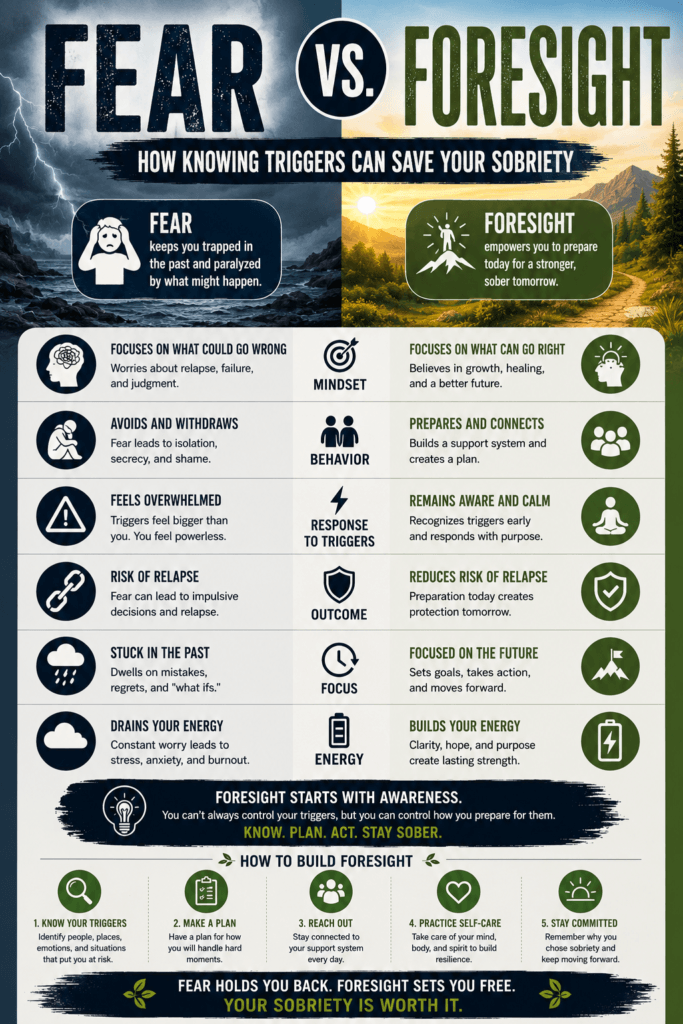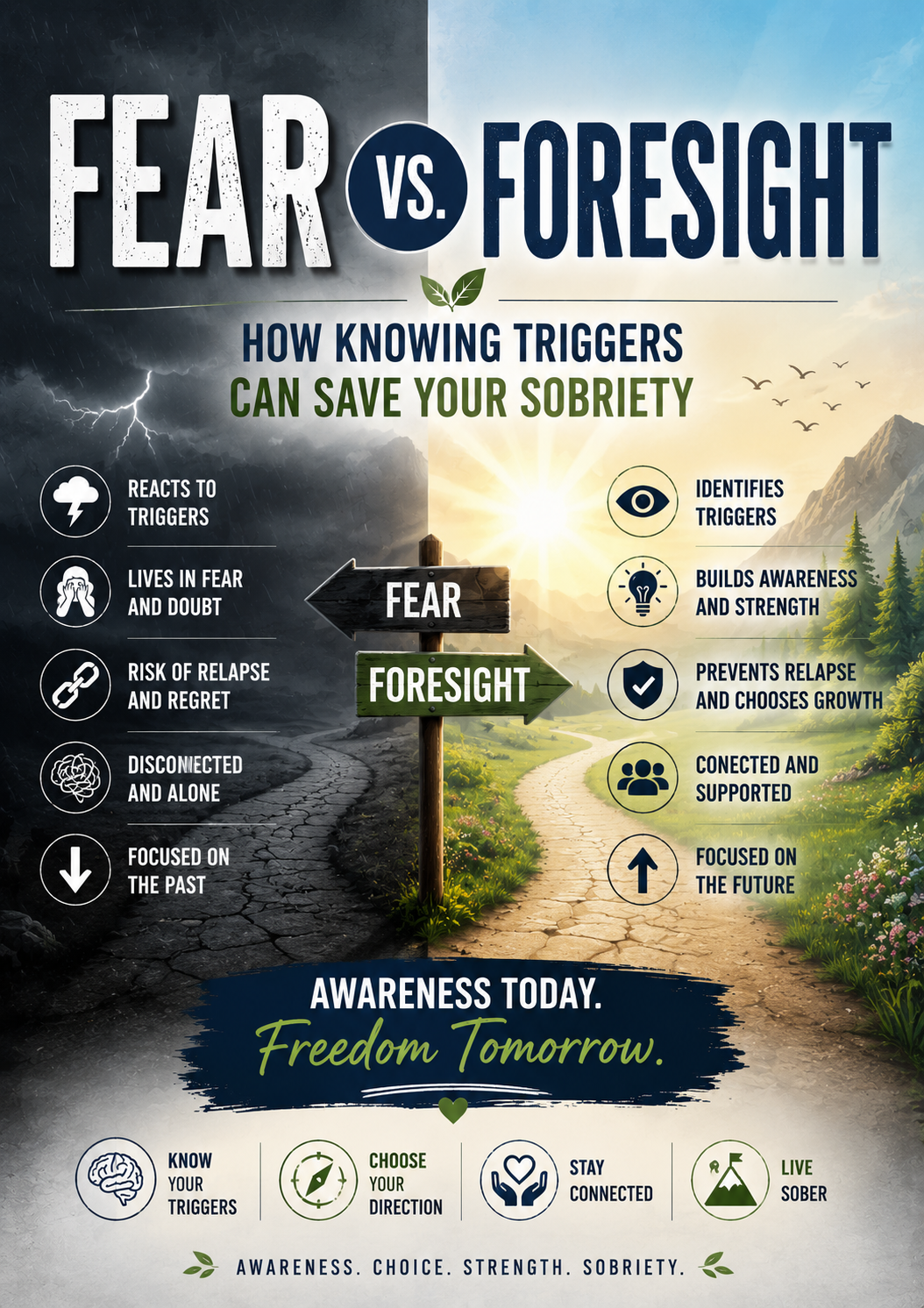
If you’re working on staying sober, triggers can feel like landmines that show up out of nowhere. One minute everything’s fine; the next, a smell, a place, or a stressful moment brings up cravings and shakes your confidence. Fear of these moments can make recovery feel unpredictable. That’s why learning the difference between fear and foresight and getting to know your own triggers is really important for protecting your sobriety.
Understanding Triggers in Sobriety
Triggers are anything—big or small—that spark a craving or thought about using substances again. These can be obvious, like running into an old drinking buddy, or subtle, like a stressful day at work or a certain song on the radio. The way triggers pop up is unique for each person, so it’s not always easy to predict what will set you off.
Most people in recovery eventually face triggers. A research review from the National Institutes of Health (NIH) found that negative moods, social pressure, and exposure to drugs or alcohol are some of the most common types. Recognizing triggers gets easier over time, but it takes patience and a willingness to pay attention to your own reactions.
Fear often creeps in when you’re not sure what could trigger you, or if you worry that a single slip will lead to a full relapse. But fear alone usually leads to feeling tense and keeping an eye out, ultimately making it harder to stay present and calm. Foresight is a little different: it’s about knowing what’s likely to happen and having a plan to get through tough spots.
The Power of Foresight in Staying Sober
Foresight is a pretty handy tool for anyone in recovery. Instead of constantly bracing for the worst, having foresight lets you anticipate challenges without panicking. I’ve met plenty of people who say just naming their triggers made them feel more confident about seeing them coming.
This isn’t about predicting the future or controlling every situation. It’s about building some self-awareness and using that to your advantage. When you recognize that seeing certain friends, going certain places, or feeling certain emotions is likely to spark cravings, you can make plans ahead of time for how to handle those situations.
Types of Triggers You Might Face
Personal triggers can be different for everyone, but most fall into a few main categories. Getting clear on the difference between internal and external triggers is especially helpful:
- External Triggers: These are things outside yourself, like seeing other people drink, being offered substances, passing by a bar, or attending parties where you used to use.
- Internal Triggers: These come from inside: thoughts, emotions, or even physical sensations. I’ve talked with people who realized that anxiety, loneliness, frustration, or even excitement could all spark old urges.
- Situational Triggers: Certain times of year, anniversaries, or even payday can bring up the urge to use, especially if they’re linked to old routines.
- Social Triggers: Sometimes, specific people or ongoing relationship drama provoke cravings or thoughts about old habits.
Knowing which type of trigger is most likely for you is really helpful. I recommend jotting down a list of situations, feelings, or people that you know put your recovery at risk. It sounds simple, but just seeing those written out makes a big difference.
Fear vs. Foresight: Why the Distinction Matters
Fear pops up when we think about the worst-case scenarios. For example, “What if I bump into an old buddy from my drinking days?” or “What if I get fired and want to drink?” That kind of thinking leaves you feeling stuck, and sometimes it even makes those outcomes more likely by putting you on edge.
Foresight is more about preparation than worry. For example, instead of thinking, “What if I feel lonely and relapse?” you could say, “If I start feeling lonely, I’ll call someone from my support network or check out a meeting.” It’s a switch from dreading what might happen to planning what you’ll do if it does.
- Fear leads to stress, avoidance, and feeling overwhelmed.
- Foresight leads to having a plan, like keeping a trusted friend on speed dial or having a canned response ready if someone offers you a drink.
There’s no way to eliminate every trigger, so getting good at foresight is super useful. It gives you the confidence that you can handle what comes up, even if it’s not easy.
A Practical Guide: Identifying Your Triggers
Identifying personal triggers takes a little detective work. I often hear from people who say that the first few weeks of sobriety are the toughest because so many triggers reveal themselves for the first time. Here’s a step-by-step process I’ve found really helpful:
- Track Your Cravings: For a couple of weeks, try keeping a notebook or using a note app to jot down any time you notice a craving. What happened right before? Who were you with? How were you feeling?
- Look for Patterns: After a bit, you’ll probably start spotting patterns- maybe it’s always right after work, or after a stressful phone call, or on Friday nights.
- Rate Their Power: Give each common trigger a rating from 1-10 based on how strong it feels or how often it shows up. This helps you know which ones need the most attention.
- Share with Someone: Telling a sponsor, therapist, or trusted friend about these triggers can help make them feel less intimidating, and you’ll probably get some good advice on how others handle these moments.
Coping Skills: Building a Realistic Game Plan
Once you know your triggers, having practical plans for each makes a big difference. There’s no one-size-fits-all approach, but here are a few things plenty of people swear by:
- Distraction: Simple activities like going for a walk, playing a favorite game, or cooking a meal can help redirect your attention away from cravings.
- Reach Out: Calling someone you trust- a sponsor, a supportive friend, or someone from your recovery group- can help break the cycle of rumination.
- Mindfulness: Paying close attention to what’s happening in the moment, without beating yourself up for craving, can lower the urge to act on it. Apps like Headspace or free breathing exercises on YouTube are easy ways to get started.
- Change Your Environment: If possible, leave the situation that’s triggering you. Even stepping outside for fresh air or into a different room can help reset your mind.
The important part here isn’t ignoring the fear. Acknowledge it, then act with foresight by carrying out your plan.
Common Roadblocks and How to Deal With Them
Even with great planning, nobody bats 1,000 every day. Here are a few challenges and some ideas for working through them:
- Unexpected Triggers: Sometimes a new or forgotten trigger will pop up. When that happens, treat it as an opportunity to add it to your list and update your plans, not as a failure.
- Relapse Fears: If fear of relapse is getting loud, consider reaching out for extra help, whether it’s more meetings, extra therapy sessions, or just talking through it with someone who gets it.
- Denial: It’s common to think, “This event won’t get to me,” only to be surprised later. Checking in with yourself beforehand helps keep surprises to a minimum.
- Lack of Support: Building a new support system takes time and effort. Keep showing up for sober support, online meetings, message boards, or IRL groups, and eventually, you’ll find your crew.
Bonus Tips from People Who’ve Been There
One trick I picked up from a friend in long-term recovery: She keeps a small note in her wallet listing her top triggers and a three-step plan for emergencies. She says just knowing it’s there makes her feel more secure.
Others recommend having nonalcoholic drinks on hand at gatherings, practicing what you’ll say if someone offers you a drink (“No thanks, I’m good”), and breaking the day into smaller chunks if a whole night or weekend feels overwhelming.
Frequently Asked Questions
Here are a few questions that come up often when I talk with people about triggers and staying sober:
Question: Is it possible to avoid all triggers?
Answer: No, and that’s okay. Some can be sidestepped (like skipping the bar), but others just show up. What matters more is how you respond when you notice them.
Question: How do I know if a craving is a trigger or just a passing thought?
Answer: Triggers are usually linked to something specific, an event, person, place, or feeling. If the craving recurs in similar situations, it’s probably tied to a trigger worth addressing.
Question: What should I do if a trigger catches me off guard?
Answer: Pause, take a few deep breaths, and use whatever plan you have available. It’s okay if that plan is as simple as texting a friend or stepping away for a bit.
Question: How do I build up more foresight?
Answer: Self-check-ins, journaling, and talking things through with others in recovery help boost your self-awareness over time.
Building Confidence Along the Way
Staying sober isn’t about having zero fears; it’s about using the information you have to make more confident choices. Learning your triggers and working through them with a game plan can make your recovery adventure feel a little less wild and a lot more connected. Take it step by step, keep your support network close, and give yourself credit for being honest about what really sets you off. Over time, the balance switches from fear to foresight; that’s something worth celebrating.
Video: Fear vs Foresight: which one will you choose? #sobriety #motivation