Kicking the smoking habit is one of those goals that’s tough to meet, especially when nicotine cravings just won’t let up. I’ve seen plenty of quit-smoking gimmicks over the years, but Chantix has stood out because of the unique way it helps rewire cravings in the brain. Instead of just swapping one source of nicotine for another, this prescription medication works directly in the brain’s reward system, making it a pretty interesting option for anyone who’s truly ready to put cigarettes behind them. If you’re curious about the science (and some practical tips for success), here’s a closer look at how Chantix actually works, along with some advice from people who’ve gone through the process themselves.
How Chantix Works: A Peek Into the Science
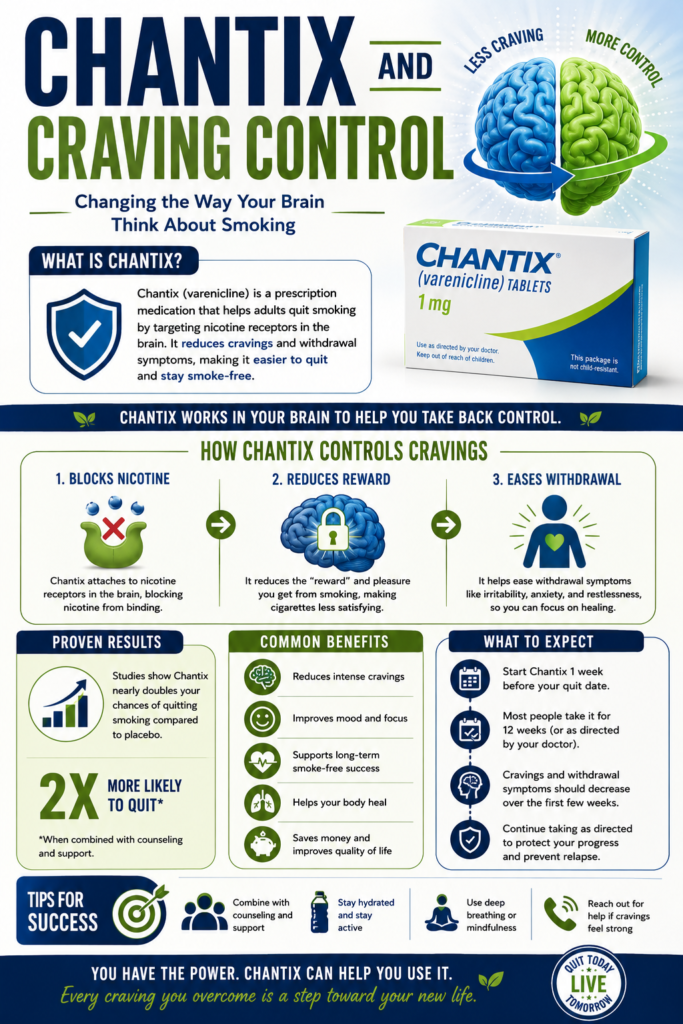
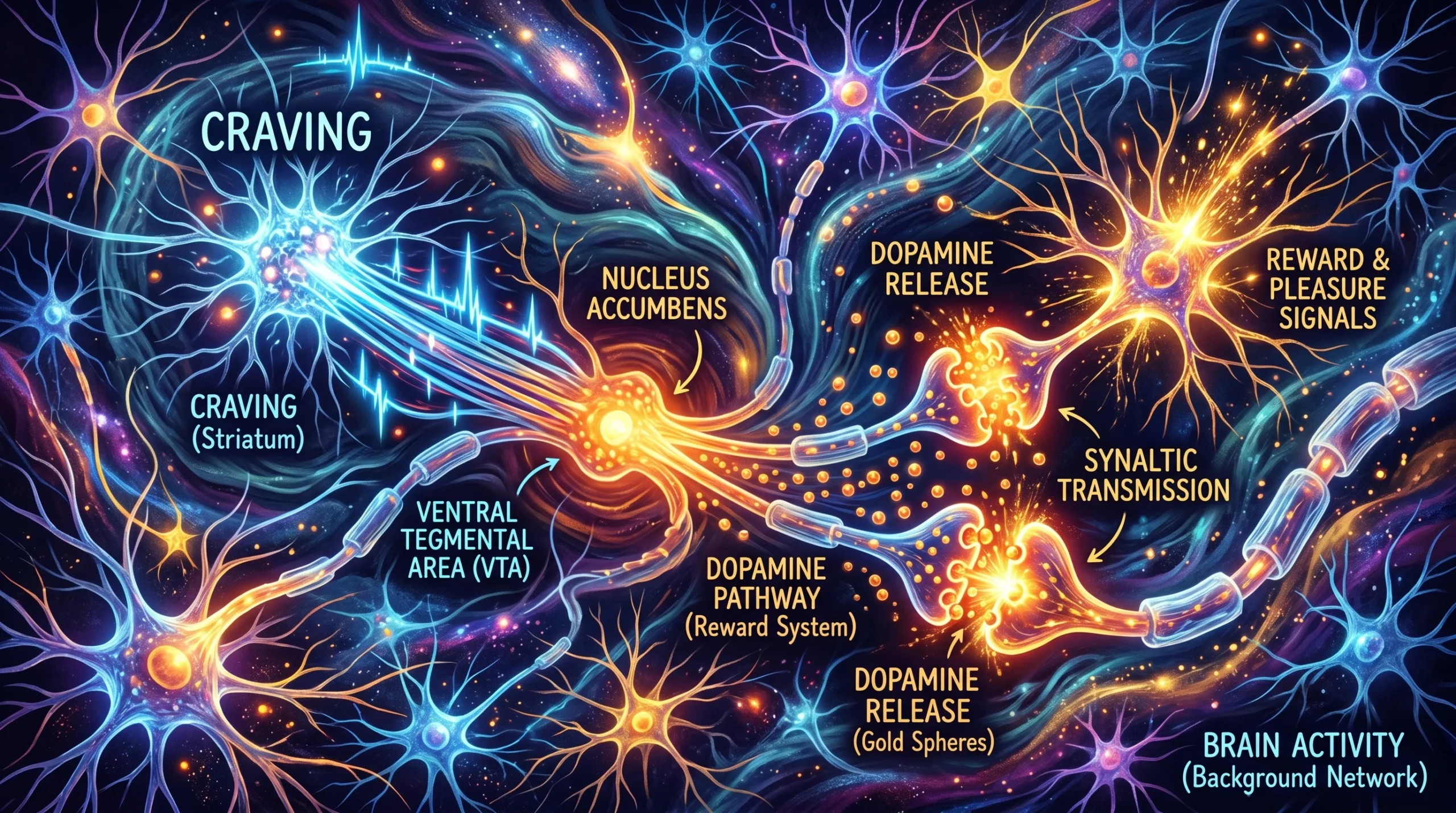
Chantix, which you might have also heard called varenicline, is a medication designed specifically for smoking cessation. Unlike nicotine replacement therapies, Chantix operates on the biochemical level by targeting the same brain receptors activated by nicotine. Here’s why this is interesting. When you smoke, nicotine binds to receptors in the brain that release dopamine, a brain chemical that feels pretty nice and keeps you coming back for more cigarettes.
Chantix steps in and does two things at once. First, it partially stimulates those nicotine receptors, creating a smaller dopamine release that tricks your brain just enough to ease withdrawal and reduce cravings. Second, if you do take a puff while on Chantix, it blocks nicotine from fully activating those receptors and dulls the satisfaction you normally get from smoking. It doesn’t just tell your brain to stop wanting cigarettes. It actually changes how your brain expects and responds to them, which is pretty wild from a scientific perspective.
- Partial Agonist: Activates nicotinic receptors but with lower potency.
- Nicotine Blocker: Prevents nicotine from activating those same receptors if you smoke.
- Less Dopamine Rush: Takes away the rewarding rush that keeps smokers reaching for another cigarette.
This combination can make quitting a lot less grueling because you’re not stuck in the usual cycle of “crave, smoke, feel good, repeat.” Instead, your brain slowly adjusts to life without cigarettes in a way that feels much more manageable for a lot of people.
Why Brain Rewiring Beats Willpower Alone
I’ve come across many folks who think quitting is just about gritting your teeth and pushing through. But nicotine addiction isn’t just a matter of habits. It’s actually about how your brain has physically changed to expect certain rewards. The craving doesn’t disappear just because you want it to; those neural pathways are well-worn from repeated use.
Chantix works because it taps into what’s really going on inside your head, not just what you’re telling yourself. The idea of “rewiring cravings” speaks to the fact that, as you take Chantix, your brain begins to expect less and less from smoking. The more consistently you use it as prescribed, the more those neural cravings weaken over time.
- Reduces reinforcement: Without that dopamine hit, there’s less reason for your brain to keep nagging you for a cigarette.
- Helps break routines: With lower cravings, it’s a lot easier to change up daily patterns that used to involve smoking.
- Provides a cushion: Withdrawal symptoms aren’t usually as overwhelming, making relapses less likely during tough moments.
People often assume that sheer determination is all it takes to quit, but overcoming a substance that alters your brain chemistry requires a strategy. This is where Chantix puts you on a better footing, giving you a fighting chance against cravings that have felt baked into your daily life for years. Paired with a solid support system, the results can be impressive. One study published in the New England Journal of Medicine demonstrated that varenicline led to higher continuous abstinence rates compared to both placebo and bupropion, another quit smoking medication. The medication’s ability to target brain chemistry gives a genuine boost to those looking to quit for good.
Getting Started With Chantix: What To Expect
If you’re talking to your doctor about Chantix, it helps to know what the timeline looks like. There’s usually a period where you start the medication while still smoking. Most people keep smoking during the first week, setting a “quit day” somewhere in the second week. This might sound odd, but it allows Chantix to build up in your system and start blunting that dopamine rush right as you’re preparing to quit.
Here’s what many users experience in the first few weeks:
- Cravings gradually dull and become easier to brush off.
- Cigarettes lose their “kick,” so you don’t get the same pleasure even if you slip up.
- Withdrawal symptoms like irritability and stress aren’t as intense as quitting cold turkey.
Doctors will usually recommend sticking with Chantix for three months. Some people need more or less time, so it’s flexible; it all depends on how your cravings respond and what your goals are. Many people find it helpful to set small, concrete goals throughout these months and track their progress, either in a journal or in an app. This small habit can highlight just how much progress you’re making, even on tough days.
In addition to medication, some clinics also offer group support sessions for those using Chantix. These sessions add accountability, and sharing the experience can lead to valuable tips or new coping methods. The period right before, during, and after your quit date is often the trickiest, so having support and a plan can really make a difference in staying smoke-free.
What To Watch Out For: Side Effects and Tips
Pretty much every medication has some side effects, and Chantix isn’t an exception. Most commonly, users report things like nausea, weird dreams, or trouble sleeping, especially in the first week or two. Less often, some folks feel mood changes, anxiety, or mild headaches.
- Nausea: Taking Chantix after eating, with a full glass of water, usually helps.
- Sleep disturbances: If vivid dreams become too much, talk to your doctor; sometimes adjusting the timing of your dose can help.
- Mood changes: Monitoring your mood is not a bad idea. Let your doctor know if you start feeling depressed or unusually restless.
While most side effects are manageable, checking in regularly with your doctor makes the whole process safer and smoother. If you notice anything that concerns you—a sudden mood swing or physical reactions—it’s worth reaching out right away for advice on the next steps. In some rare cases, more serious side effects such as aggressive urges or suicidal thoughts have been reported, so always stay alert and communicate openly with your healthcare provider.
Combining Chantix With Other Quit-Smoking Tools
Some people try using nicotine patches, gum, or lozenges while on Chantix, but doctors typically recommend just sticking to one major quit aid at a time. Where Chantix really shines is when it’s paired up with practical strategies and support networks:
- Use tracking apps to log cravings and celebrate smoke-free milestones.
- Set reminders of your reasons for quitting in places you usually smoked (your car, balcony, etc.).
- Find support groups or online forums for extra encouragement between doctor visits. There’s a ton of helpful stories and advice out there.
- Make a list of things you actually enjoy that don’t involve smoking. You’ll want these on hand when cravings hit.
Blending medications like Chantix with lifestyle changes creates a bigger safety net, especially during the moments when cravings pop up unexpectedly. You can also ask your healthcare provider about behavioral therapy or counseling; these services offer additional perspective and actionable tools to support your success. Over time, these new routines can become habits that push smoking firmly into your past.
Personal Experience: Real Stories From Chantix Users
Hearing real experiences can be super reassuring when making a decision about quitting. A friend of mine, Sarah, was a pack-a-day smoker for over 15 years. She tried cold turkey, patches, and even e-cigarettes, but nothing stuck. After talking to her doctor about Chantix, she noticed by week two that she just wasn’t thinking about cigarettes in the same way. That midday rush to smoke became a “maybe later,” and soon it was “not really interested.” She mentioned the dreams were pretty wild at first, but as the cravings melted away, her motivation felt more natural day by day.
Stories like this are actually pretty common in online quit-smoking forums. People share how the “rewiring” happened gradually, not overnight. The cravings didn’t disappear entirely, but they dulled enough to feel manageable, especially when paired with small changes in their daily routine. Another user recounted how tracking days since quitting and chatting with others on similar paths gave them the accountability and camaraderie they needed to stick with their goal, even during rocky moments.
Many report that family and close friends play a pivotal role by offering encouragement and gentle reminders to stay focused on the “why” behind quitting. This supportive environment, combined with Chantix’s brain chemistry effects, gives smokers a realistic chance to finally break free from addiction’s grip.
Frequently Asked Questions
Here are some of the most common things people want to know about Chantix’s unique brain-rewiring trick:
Question: Can I smoke while taking Chantix?
Answer: It’s fine to keep smoking when you first start. Chantix is designed to be taken before your actual quit date, easing you off gradually. By the time your quit date arrives, cravings should already feel lighter.
Question: Is it normal for cigarettes to taste different while on Chantix?
Answer: Many people say cigarettes don’t just lose their appeal; they sometimes taste awkward or even unpleasant. This is a sign that the receptors in your brain aren’t getting the expected reward from nicotine anymore.
Question: Does Chantix work for everyone?
Answer: Results can vary. Some folks find that the cravings drop off quickly, while others might need the full three months or longer. If one method doesn’t feel right, your doctor can help with other options or adjustments.
Question: Are there people who shouldn’t use Chantix?
Answer: People with certain mental health conditions or a history of severe depression should talk to their doctor before using Chantix. Your medical team can help weigh the benefits against possible risks and find the safest quit plan for you.
Why the “Secret” Is Actually Science
There’s no magic to how Chantix helps rewire cravings; it’s just solid neuroscience. By gently stimulating and then blocking the brain’s response to nicotine, it makes quitting feel less like a battle of willpower and more like a steady shift in how you experience cravings. I’ve seen plenty of people who thought they’d never break free from smoking habits gradually reclaim their days, surprising themselves with how little cigarettes matter after a few weeks. For anyone ready to try something different under a doctor’s care, Chantix is well worth a closer look, especially if nothing else has worked so far.
Video: The Receptor Hack That Stops Cigarette Cravings #addiction #health #mechanism