If you’ve ever experienced problems right after eating something, you might find yourself wondering whether it’s a food allergy or a food intolerance. Both can be pretty uncomfortable, but they’re not the same. Knowing the difference can really help with feeling better and making safer choices. I’ll walk you through what sets them apart, how to spot each one, and what you can do about it.
Getting Clear on Food Allergy vs Food Intolerance
People often mix up food allergies and food intolerances, probably because the symptoms can look similar at first glance. But behind the scenes, they’re actually caused by totally different things happening in your body.
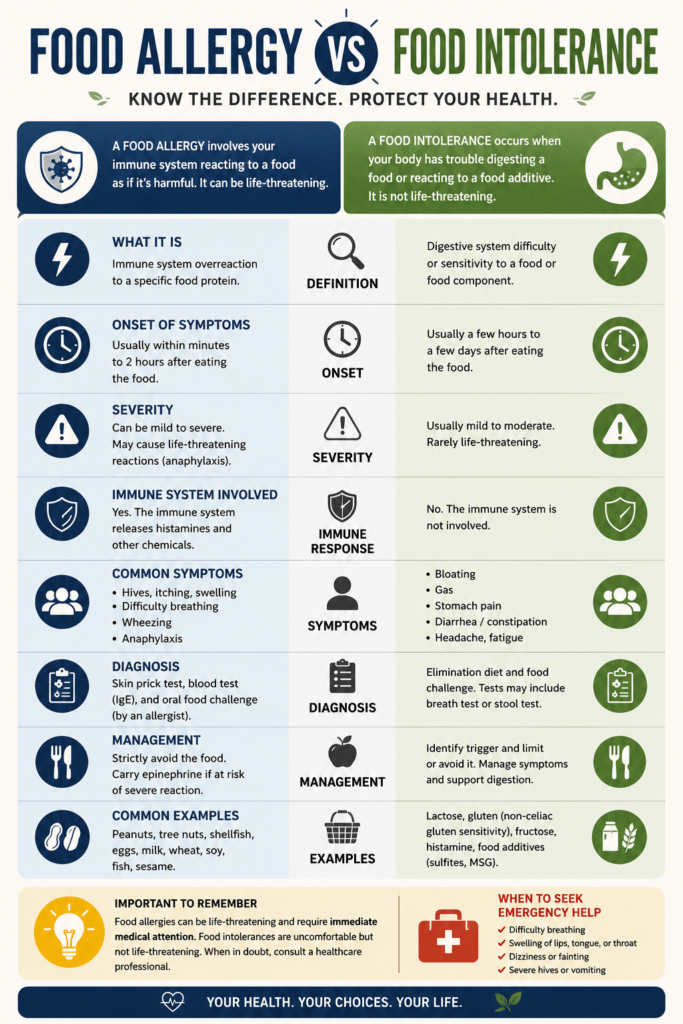
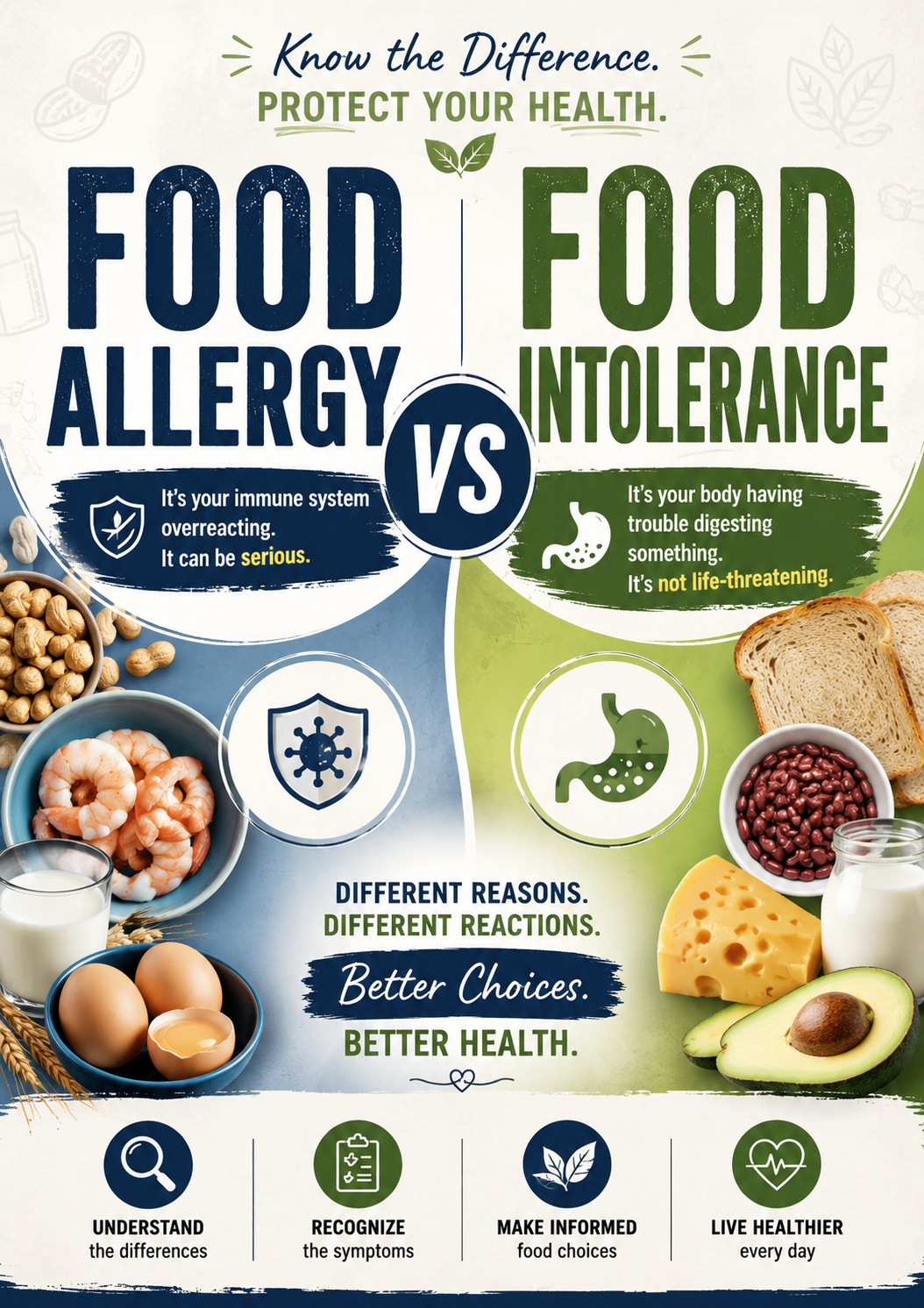
A food allergy happens when your immune system goes a little overboard. It treats a harmless food, like peanuts or shellfish, as an invader and launches an attack. This can lead to some pretty obvious and even dangerous reactions. Hives, trouble breathing, or swelling can quickly appear.
Food intolerance is a different story. Here, the problem usually comes from your digestive system, not your immune system. Common food intolerances include lactose intolerance (difficulty digesting the sugar in milk) and gluten intolerance (difficulty digesting the protein found in wheat). The result is usually stomach trouble, like bloating, gas, or cramps, but it’s not as dangerous as a serious allergy.
What’s Really Happening: Immune vs. Digestive Reactions
I noticed that allergies get a lot of attention because they can get scary fast, but intolerances are way more common. Allergies involve IgE antibodies and a whole immune response, while intolerances generally involve a lack of enzymes or irritation in the gut.
- Food Allergy: Your immune system misidentifies the food as something harmful and releases chemicals like histamine. This can cause hives, swelling, or even anaphylaxis, a life-threatening reaction that needs immediate help.
- Food Intolerance: Your digestive system doesn’t handle a certain food well. This often means your body lacks the enzyme to break it down (such as lactase for lactose intolerance) or reacts to food additives or chemicals.
Sometimes, the only way to tell the difference is by looking at exactly what happens after you eat a certain food. If you ever have trouble breathing or swelling after eating, it’s really important to get medical attention right away.
How Symptoms Show Up: Allergies vs Intolerances
Allergies and intolerances can both lead to discomfort, but the symptoms are usually quite different if you know what to look for.
- Common Food Allergy Symptoms:
- Hives, rash, or itching
- Swelling of the lips, face, or throat
- Shortness of breath or wheezing
- Trouble swallowing
- Stomach pain, vomiting, or diarrhea (sometimes)
- Dizziness or fainting
- Common Food Intolerance Symptoms:
- Bloating and gas
- Stomach pain or cramps
- Diarrhea or loose stools
- Unpleasant taste in the mouth
- Headaches or migraines (in some cases)
Food allergy symptoms often hit fast, usually within minutes to a couple of hours after eating. Food intolerance symptoms tend to appear more slowly, sometimes a few hours after eating, and are usually stomach-related.
Main Culprits: Foods that Trigger Allergies vs Intolerances
The list of foods most likely to cause problems is pretty well known by now. For allergies, there’s a “top eight” group that causes most reactions. For intolerances, it’s often about sugars, proteins, or additives that some people struggle to digest.
- Top Food Allergens: Peanuts, tree nuts, shellfish, fish, milk, eggs, soy, and wheat.
- Common Food Intolerances: Dairy products (lactose), wheat/gluten, certain fruits and vegetables (like onions or beans), food additives (like sulfites), and caffeine.
It’s possible to have both an allergy and an intolerance to the same food, but that’s not very common. Still, knowing what foods are likely to cause trouble can help you avoid unnecessary problems.
Diagnosing Food Allergy and Food Intolerance
Getting to the bottom of what’s causing your symptoms can be tricky without help from a doctor or dietitian. Allergies are usually diagnosed with tests like:
- Skin prick tests (where a tiny bit of the food gets scratched into your skin to see if it reacts)
- Blood tests (looking for allergy-specific antibodies)
- Supervised food challenges in a clinic
Food intolerances are a little different. There isn’t a single test that gives you a clear answer in most cases. Doctors might suggest keeping a food diary, cutting foods out and adding them back in (an elimination diet), or using breath tests for certain issues like lactose intolerance.
It’s really useful to write down what you eat and how you feel. I’ve seen people get to the root of their tummy troubles just by keeping track for a few weeks. If symptoms are severe, getting tested is always best before making big changes to your diet.
Treatment and Management Options
The approach for living with a food allergy or intolerance is pretty different. If you have a food allergy, you want to completely avoid the food that triggers it. For serious allergies, carrying an epinephrine auto-injector (like an EpiPen) can save your life. Reading ingredient labels and asking questions at restaurants is super important, too.
Food intolerance often means figuring out your threshold—how much you can eat without feeling sick. For lactose intolerance, for example, some people can handle a little milk or cheese but get symptoms if they go overboard. Lactase enzyme pills or lactose-free products can be really handy.
I’ve found that for many intolerances, experimenting with smaller portions can really help. There’s a big difference between what triggers a full-blown allergic reaction and just feeling off after a meal. If someone in your household has a food allergy, consider separating cooking utensils or designating shelves to avoid cross-contact.
Some families manage this by meal prepping allergen-free versions of daily favorites. If you need to provide food for gatherings or schools, labeling snacks and ingredients helps everyone stay safe. Over time, you’ll get comfortable adjusting recipes and finding new alternatives.
Things to Think About If You or Someone You Know Has Reactions to Food
Living with a food allergy or intolerance means you need to be a bit more aware, but it doesn’t need to be overwhelming.
- Always read food labels, even on products you’ve had before. Ingredients change sometimes, and it’s worth checking.
- If you have a serious allergy, let friends, family, schools, and coworkers know. It makes it easier if something goes wrong.
- Some foods are hidden in sauces, dressings, and baked goods. Asking questions at restaurants is never overdoing it.
- If you’re not sure whether it’s an allergy or an intolerance, get it checked by a doctor. It’s better not to guess when your health is on the line.
Common Challenges and How to Tackle Them
- Hidden Ingredients: Some allergens hide behind names on ingredient lists (like ‘casein’ for milk or ‘albumin’ for egg). Learning what to look for is really important.
- CrossContact: Even a tiny amount of an allergen can cause problems if it comes into contact with safe foods. This is especially true in kitchens or shared spaces.
- Travel and Eating Out: Researching menus or packing snacks before you go can take a lot of stress out of travel.
- Social Events: Let hosts know about your needs. When in doubt, bring your own food.
Enzyme Supplements for Intolerance
Some products, like lactase drops or tablets, can help people digest dairy. These are easy to find at most grocery stores or pharmacies. There are even glutendigesting enzymes out there, but it’s a good idea to check with your doctor before trying them, as some don’t work as well as people hope.
You might also come across products that promise help with other intolerances. Sometimes herbal blends can settle the stomach, but always read labels carefully to avoid ingredients that might trigger an allergic reaction.
Frequently Asked Questions
Here are a few of the most common questions I get from folks sorting out food allergies and intolerances:
Question: How can I know if it’s a food allergy or an intolerance?
Answer: Food allergies usually cause quick reactions like hives, swelling, or even breathing problems. Intolerances mostly cause stomach aches, bloating, or feeling off a few hours later. When in doubt, talking to a doctor is the safest bet.
Question: Can someone outgrow food allergies or intolerances?
Answer: Kids sometimes outgrow allergies like milk or egg, but peanut, tree nut, and shellfish allergies often stick around. Some intolerances can get better, like lactose intolerance after an illness, but not always.
Question: Is a food intolerance ever dangerous?
Answer: Food intolerances are almost never life-threatening, but repeated exposure can make you feel pretty lousy. It’s still worth tracking symptoms and talking with a doctor.
Question: Can stress or anxiety make reactions worse?
Answer: Stress can sometimes make digestive symptoms feel worse, and anxiety can mimic or worsen mild reactions. If you notice symptoms after stressful events, it might help to mention them to your doctor and track your food and mood.
Living Well with Food Allergies and Intolerances
Dealing with food allergies or intolerances is a learning experience, but it doesn’t mean giving up on favorite foods forever. There are so many substitutions and options available now, like dairy-free cheeses, gluten-free breads, and allergen-free snacks. Reading up, experimenting with recipes, and being upfront about your needs with others can make a big difference day to day.
Support groups or online communities can be a great place to get recipe ideas or learn new ways to keep things interesting in the kitchen. More chefs and restaurants are offering allergen awareness training than ever before, so don’t hesitate to ask questions and advocate for your needs.
Knowing the difference between food allergies and food intolerances helps you make better choices, gets you on the path to feeling better, and keeps you safer if you ever have a reaction. If you ever feel unsure, don’t wait to reach out to a healthcare professional. They’re really great at helping people navigate this stuff and can recommend resources for ongoing support.
With some patience and preparation, you can stick to your dietary needs and still enjoy meals, travel, and gatherings. Whether you’re shopping for safe snacks or sharing your allergy plan with friends, every small step makes the adventure a little easier and a lot safer.
Video: Non-conventional allergies be like… #allergy #foodallergy #mistake