Recovery with a Sense of Humor
AA Rule 62 — “Don’t take yourself too damn seriously” — is an informal yet enduring principle within Alcoholics Anonymous. Though not part of the official Twelve Steps or Twelve Traditions, it reflects a core recovery value: humility. Originally coined to ease tension during early group conflicts, Rule 62 reminds members that ego, pride, and … Read more
Technology Use and Mental Health

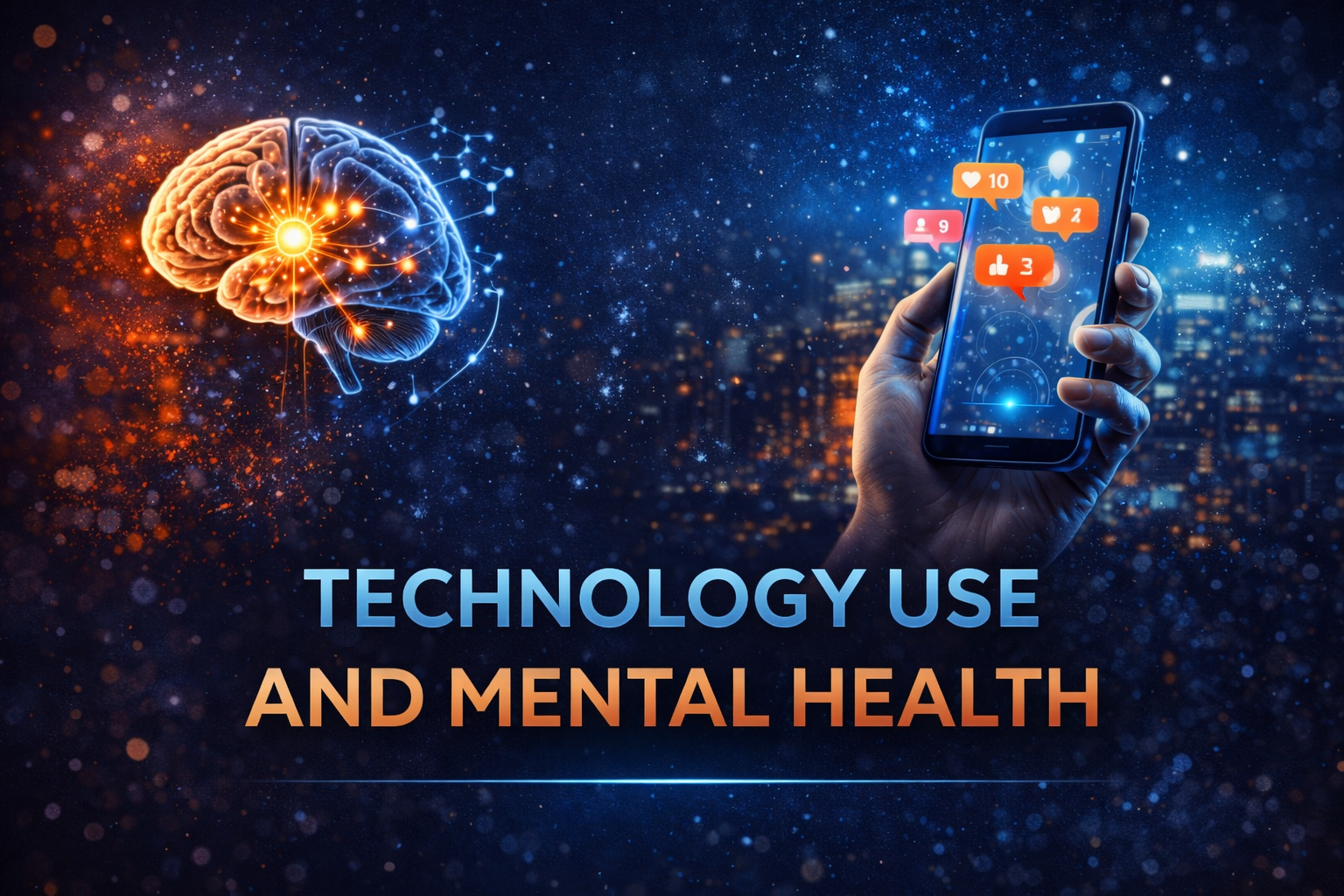
Technology plays a central role in modern life, shaping how people communicate, work, learn, and relax. While smartphones, social media, and digital platforms provide connection and convenience, excessive or unstructured use can contribute to anxiety, depression, sleep disruption, and attention difficulties. Understanding technology’s impact on mental health requires a balanced view that recognizes both its … Read more

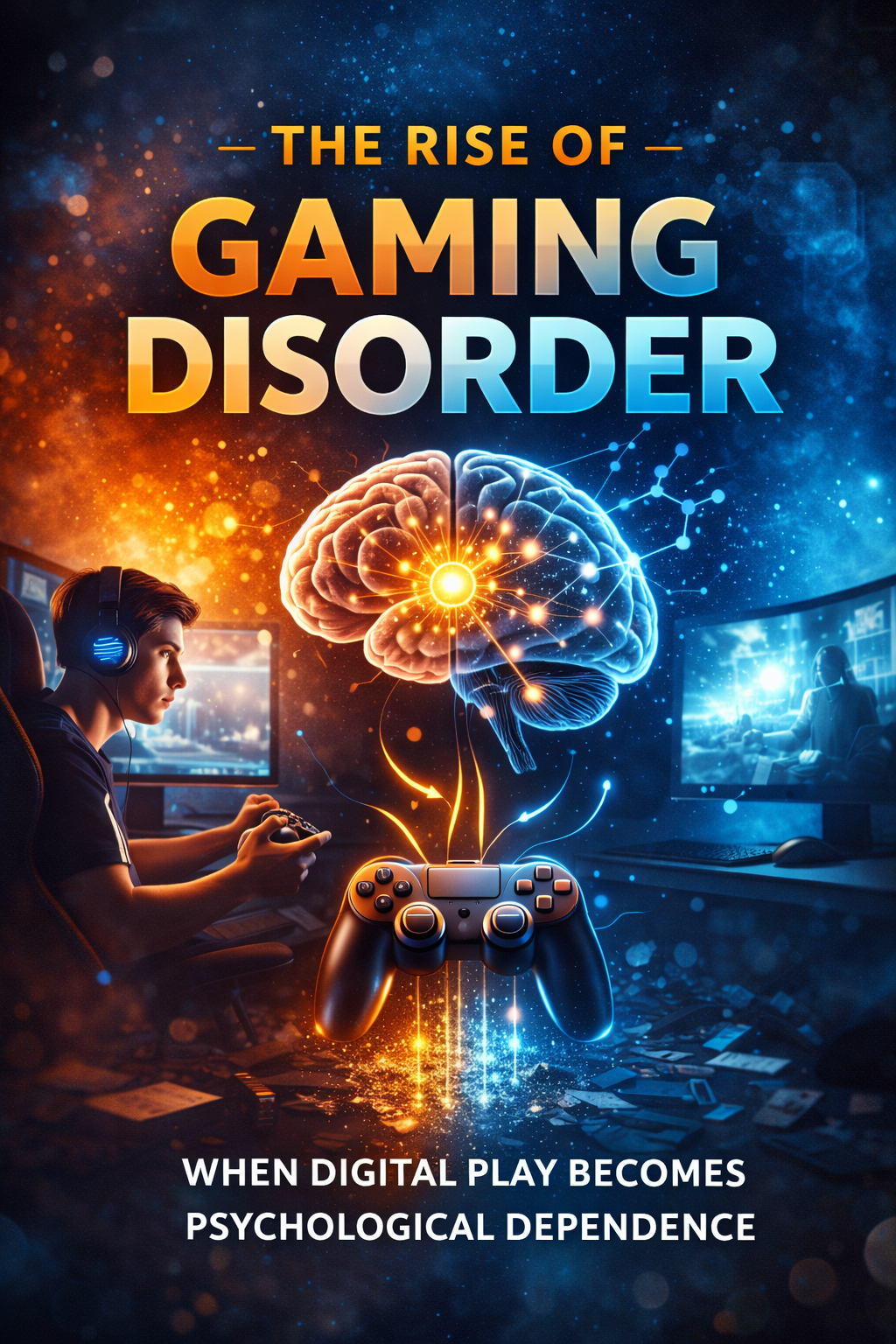
The Rise of Gaming Disorder

The rise of Gaming Disorder reflects the rapid transformation of digital entertainment in the 21st century. What was once a casual recreational activity has evolved into an immersive, socially integrated, and highly engineered experience designed to maximize engagement. With advanced reward systems, online multiplayer platforms, and constant accessibility through mobile devices, gaming now occupies a … Read more

Stage an Intervention Safely

Staging an intervention can be a life-changing moment for someone struggling with addiction or destructive behaviors. However, it is a delicate process that requires careful planning, emotional regulation, and professional support. If done poorly, interventions can cause emotional harm, escalate conflict, or further damage relationships. For an intervention to be effective, it must be conducted … Read more

Understanding the 3 C’s of Al-Anon

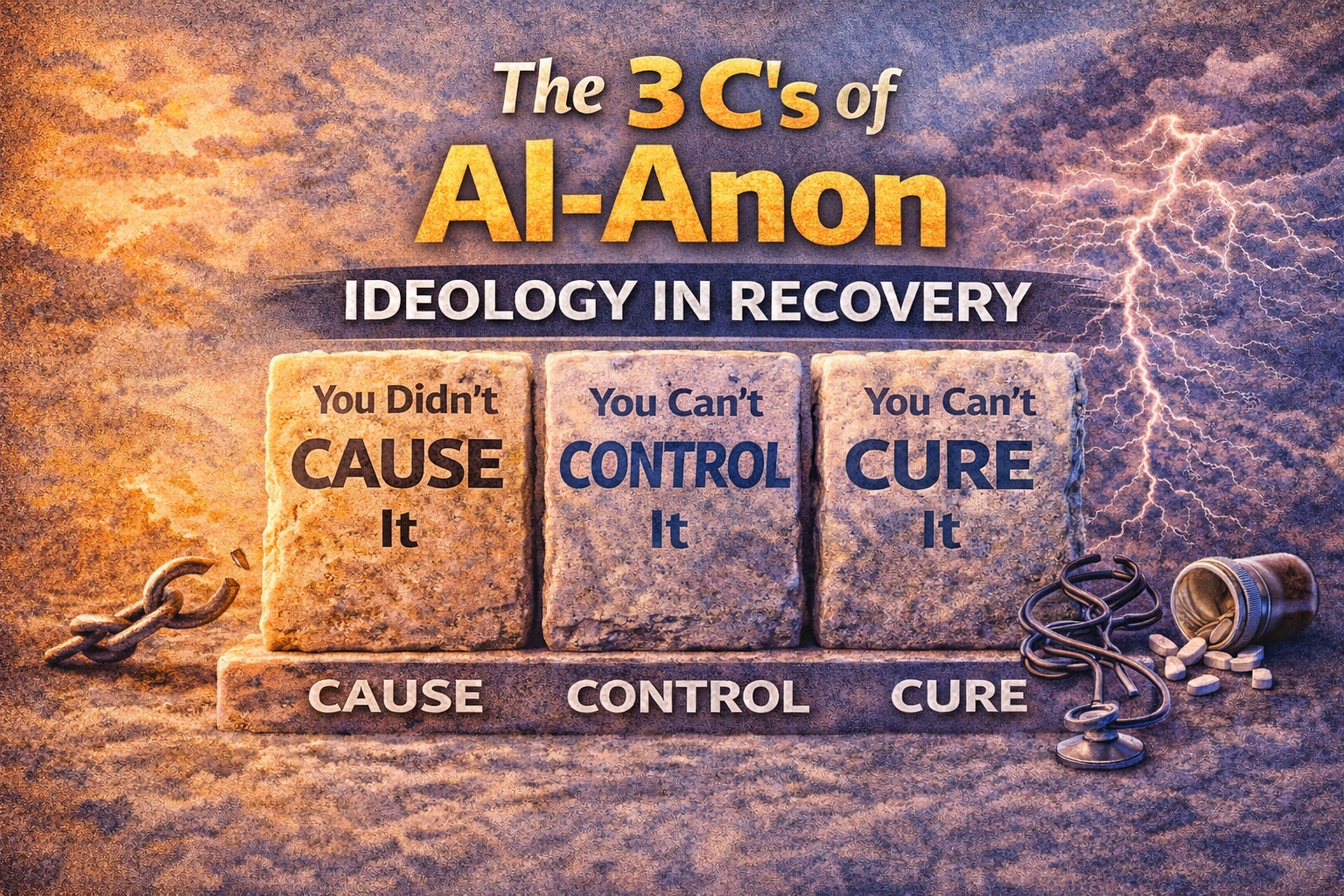
The 3 C’s of Al-Anon Family Groups—You didn’t Cause it, You can’t Control it, and You can’t Cure it—form a foundational philosophy for families and loved ones affected by addiction. These principles were developed to help individuals detach from misplaced guilt, excessive responsibility, and the emotional exhaustion that often accompanies supporting someone with a substance … Read more

Early Recovery: The First 30 Days

The first 30 days after stopping substance use represent one of the most critical and vulnerable stages of recovery. During this period, the body begins to detoxify, and the brain starts adjusting to the absence of substances that previously altered its reward and stress systems. Individuals may experience physical withdrawal symptoms, emotional instability, cravings, and … Read more

Addiction versus Mental Disorder

Addiction and mental health disorders are closely related yet distinct conditions that significantly impact an individual’s thoughts, emotions, and behaviors. Addiction, often referred to clinically as a Substance Use Disorder (SUD), is characterized by compulsive substance use despite harmful consequences and involves measurable changes in brain structure and function. Mental health disorders, such as depression, … Read more

Stars Who Fought Addiction Battle

Talking openly about addiction takes courage, especially for celebrities who usually have their private struggles publicized every day. I’ve seen how putting tough moments out there can make a difference for regular people, simply by showing that even the rich and famous can feel lost or overwhelmed by addiction. When stars step up and share … Read more

Year One: Grief and Growth

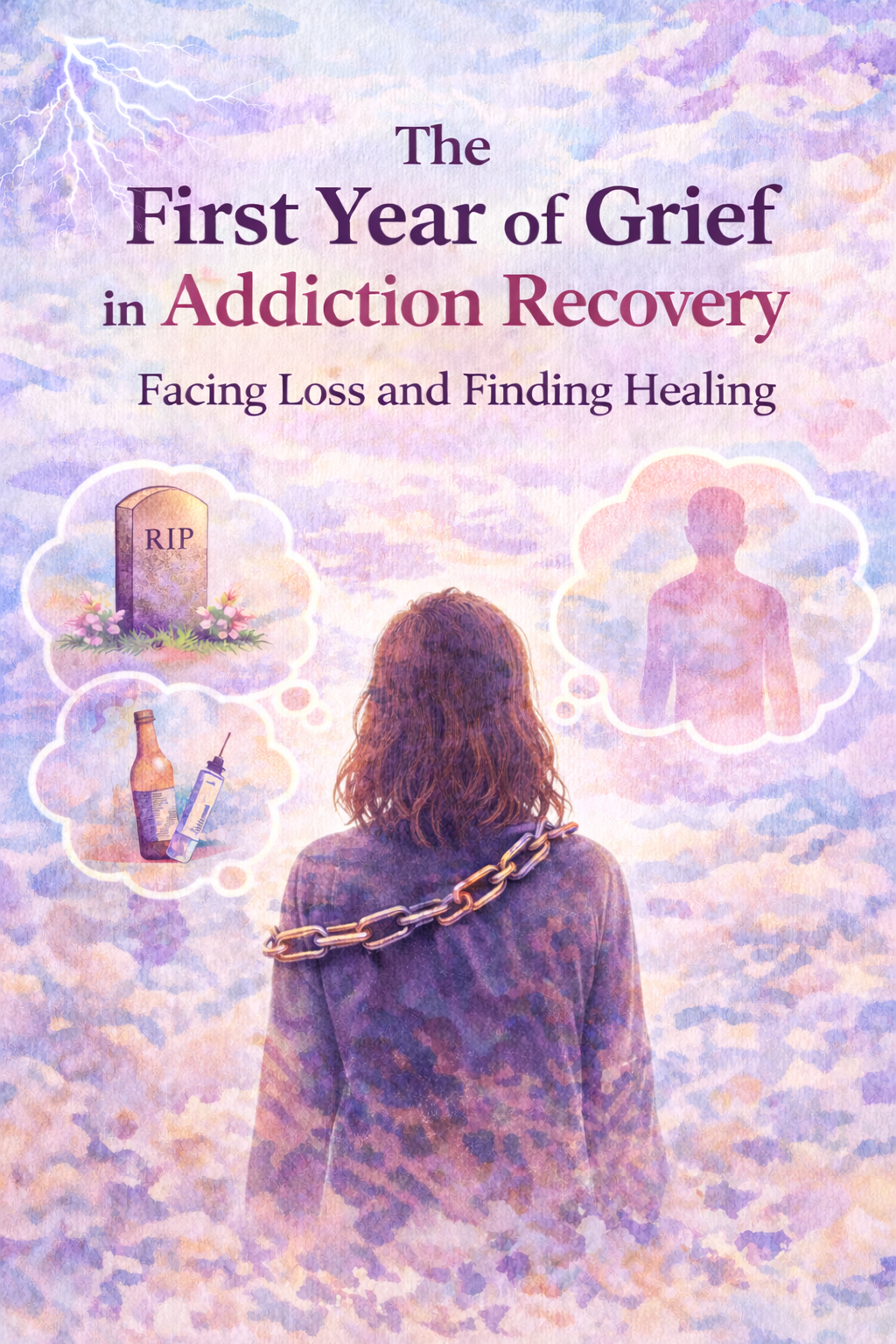
The first year of grief in addiction recovery is often one of the most emotionally complex phases of healing. While sobriety marks a critical milestone, it also brings heightened awareness of losses connected to addiction—lost time, strained relationships, missed opportunities, and the absence of a substance that once served as a coping mechanism. As the … Read more

Approval-Seeking in Recovery

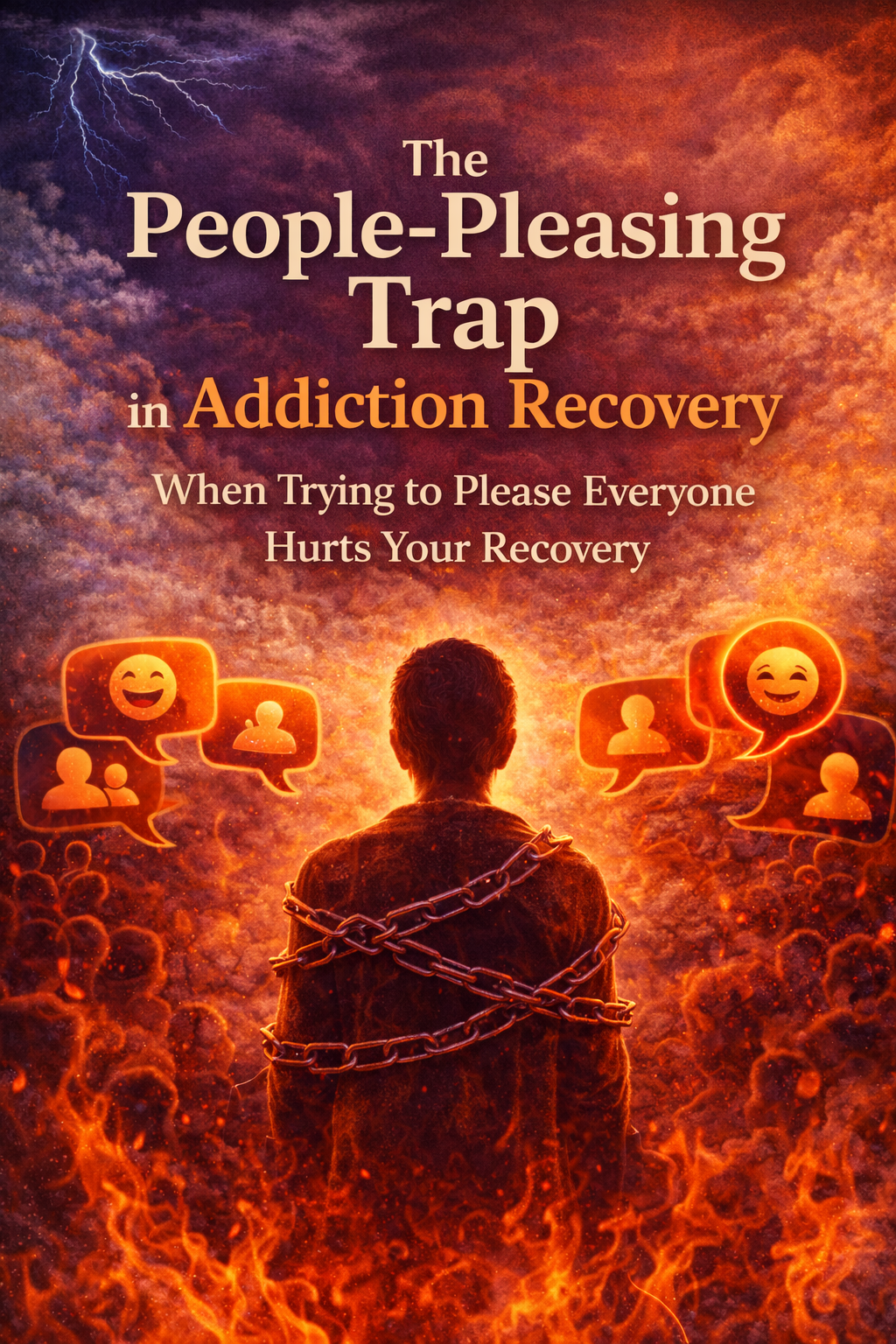
The people-pleasing trap in addiction recovery is a subtle yet significant challenge that can undermine long-term stability. During recovery, individuals often feel compelled to repair past harm, regain trust, and demonstrate change. While these intentions are rooted in accountability and growth, they can evolve into excessive approval-seeking, boundary neglect, and emotional overextension. People-pleasing shifts the … Read more