Caretaking versus Caregiving

Addiction is a complex and deeply personal struggle that often extends beyond the individual to impact family members and loved ones. In an effort to help, many people take on supportive roles—but not all forms of support are beneficial. Two commonly misunderstood approaches, caretaking and caregiving, differ significantly in their impact on recovery. Caretaking often … Read more

Empathy and the Recovery Ethics

Addiction recovery is often approached through frameworks of responsibility, treatment, and behavioral change, yet these perspectives can overlook a critical ethical dimension: empathy. Empathy—the ability to understand and share the experiences of others—plays a central role in shaping how individuals, families, and societies respond to addiction. In environments where stigma and judgment are prevalent, a … Read more

The Psychology of Resisting Sleep

Resisting sleep is a common but often misunderstood behavior that goes beyond simple procrastination. Many people stay up despite feeling tired, caught between knowing they need rest and struggling to act on it. This pattern is often driven by emotional avoidance, the need for personal time, and the brain’s preference for immediate rewards. Understanding these … Read more

Intrusive Thoughts Management

Intrusive thoughts are a common yet often misunderstood part of mental health. These unwanted, automatic thoughts can feel distressing, especially when they conflict with your values or sense of self. Many people struggle not because of the thoughts themselves, but because of how they respond to them—trying to suppress, analyze, or control them. Learning to … Read more

Feeling Worthless After a Breakup

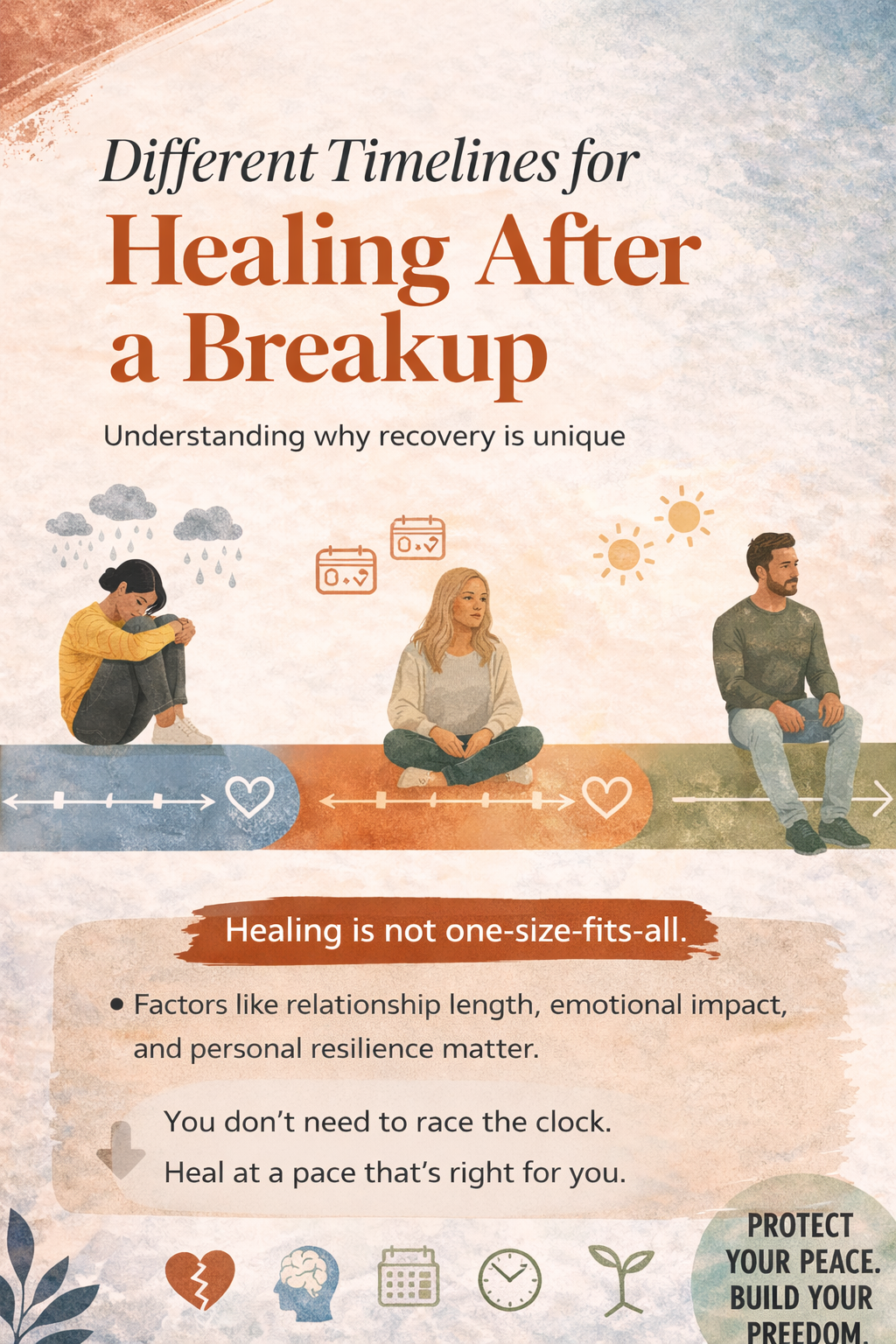
Feelings of worthlessness after a breakup are deeply emotional and often overwhelming. When a relationship ends, it can feel like more than just a loss of connection—it can feel like a loss of identity, validation, and self-worth. Many people begin to question their value, wondering if they were “enough” or why they were not chosen … Read more

Sleep and Detox During Recovery

Sleep disturbances are common and challenging during detox and early recovery. As the body clears substances and the brain works to regain balance, normal sleep patterns are often disrupted, leading to insomnia, frequent awakenings, vivid dreams, or poor sleep quality. While frustrating, these issues reflect the brain’s active process of restoring neurotransmitters and healthy sleep … Read more

Mistakes, Memory, and the Brain

Mistakes are often seen as setbacks, but from a neuroscience standpoint, they play a vital role in how the brain learns and adapts. Each error delivers important feedback, signaling that a change or adjustment is needed. Through systems involving attention, memory, and reward, the brain uses these moments to strengthen neural pathways and improve future … Read more

The Factors That Fuel Addiction

Addiction is a complex condition that develops over time and is often influenced by multiple emotional, psychological, and social factors. While substances or addictive behaviors may appear to be the main problem, they are usually symptoms of deeper issues that fuel the addiction cycle. Common factors that fuel addiction include emotional pain, stress, trauma, mental … Read more

#1 Cause of Addiction

Addiction is a complex condition that affects millions of individuals and families around the world. While many factors, such as genetics, environment, and social influences, can contribute to addiction, experts often identify unresolved emotional pain and the desire to escape difficult feelings as one of the primary underlying causes. Individuals may turn to substances or … Read more

Two Core Principles of AA

In Alcoholics Anonymous (AA), recovery is built on the foundations of personal responsibility, spiritual growth, and the support of a caring community. Members are encouraged to examine their behaviors, develop honesty about their struggles, and commit to meaningful personal change. Within this philosophy, a widely held idea is that there are two “sins”: interfering with … Read more