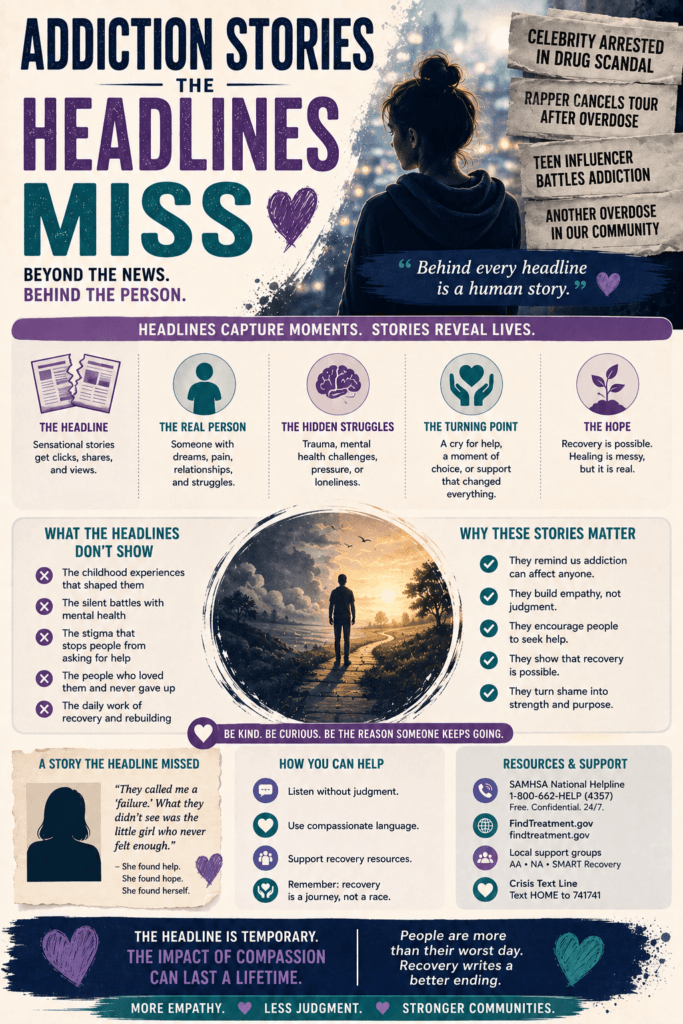
Stories about addiction often pop up in news headlines, usually tied to celebrities, high-profile cases, or shocking statistics. But there’s so much more to learn when you start listening to the real people behind those headlines. I’ve seen firsthand just how powerful and complex addiction can be, both through personal experiences and supporting friends who have gone through it. In this article, I want to pull back the curtain on some of these stories, talk about what’s missing from the usual news cycle, and share actionable guidance for anyone trying to navigate this topic with a bit more understanding.
Why News Headlines Don’t Tell the Whole Story
News about addiction often focuses on worst-case scenarios: big busts, rehabs gone wrong, or tragic endings. While these stories grab attention, they only show a slice of what addiction actually looks like. The numbers are staggering: more than 20 million Americans struggle with substance use disorders, according to the Substance Abuse and Mental Health Services Administration (SAMHSA). Yet, most news stories never touch on how everyday people and families deal with addiction’s ripple effects.
Headlines tend to focus on blame or sensational details, leaving out the day-to-day reality—the chronic cravings, financial stress, mental health struggles, and the long, messy process of trying to get better. These missing details are super important for anyone who wants to really understand what people go through. Focusing on these stories paints a fuller, more accurate picture of addiction in real life.
Real-Life Addiction Stories: What’s Happening Behind the Scenes?
I’ve spent time volunteering at local recovery centers and listening to people share their paths into addiction. Sometimes it starts with a painkiller prescription after an injury; other times, it’s gradual. One drink turns into a habit, and suddenly it’s tough to get through a day without it. Here are some key themes I’ve gathered from these stories:
- It hits everyone differently: Addiction doesn’t care how old someone is, where they live, or what job they have. I’ve met teachers, parents, college students, office managers, and even retired folks facing the same kind of struggle.
- Stigma adds another layer of difficulty: many people stay quiet for fear of judgment from family, friends, or employers. This silence can make recovery even tougher, since it’s hard to get help when you can’t talk about what’s going on.
- Recovery is a winding road: Most people I’ve talked to describe recovery as a series of ups and downs, not a straight line to feeling better. Setbacks are really common. For example, someone might stay clean for months, then slip after a stressful event or even a casual social drinking session.
Stories like these rarely make the headlines, but they’re happening all around us. I always remind people that what we see on TV or online is a tiny piece of a much bigger picture. This reminder alone can help people approach the subject with more empathy and less judgment.
Common Misconceptions About Addiction
There’s a lot of misinformation floating around about addiction. One of the biggest myths is that it’s just a lack of willpower. But after hearing story after story, I’ve learned addiction is a complicated mix of biology, mental health, family history, trauma, and even environment. Here are a few other misunderstandings that real stories help clear up:
- Addiction is treatable: Even when someone has struggled for years, recovery is possible with support and the right approach.
- Not all addictive behaviors are tied to illegal substances: Prescription medicines, alcohol, and even gambling or social media can contribute to addiction for some people.
- People aren’t defined by their addiction: A lot of people I’ve met lead incredibly full, interesting lives with family, work, and hobbies. Addiction is just one (often temporary) chapter, not the whole story.
The more you hear first-hand experiences, the clearer it becomes that addiction is multi-faceted and not a one-size-fits-all problem.
Quick Guide to Finding Help and Hope
If you or someone you care about is dealing with addiction, knowing where to begin can feel overwhelming. Here are a few steps drawn from both research and advice I’ve heard at support groups:
- Reach out for connection: Talking to someone you trust, whether it’s a friend, family member, or professional, can kickstart the recovery process. There are also anonymous support groups like Alcoholics Anonymous (AA), Narcotics Anonymous (NA), and SMART Recovery.
- Find the right treatment approach: There isn’t a one-size-fits-all solution for addiction. Some people respond well to therapy and medication, while others find group support or holistic approaches more helpful. SAMHSA’s National Helpline (1-800-662-HELP) is a super useful resource for finding local treatment options. Don’t hesitate to call them and check out what’s available in your area.
- Set realistic expectations: Relapse is common and not a sign of failure. Treating addiction is a long-term process and sometimes means starting over or mixing up what isn’t working.
- Take care of mental health: Addressing anxiety, depression, or trauma at the same time as substance use often gives a boost to results and builds resilience for long-term recovery.
These first steps aren’t always easy, but each one can make the road ahead a little smoother. Along this ride, patience and persistence play big roles.
Things People Don’t Always Consider About Addiction
I know it’s easy to focus on the medical side of addiction: detox, treatment centers, medication. That’s often where the headlines stop. But there’s a lot more that affects day-to-day life:
- Financial challenges: Addiction can drain savings and impact job security, making everyday bills and responsibilities harder to handle.
- Impact on relationships: Friends and family sometimes step back because they don’t know how to help or are afraid of getting hurt. But I’ve seen many families come back together during and after recovery, especially when honest conversations start happening.
- The role of community support: Whether it’s a church group, neighbors, a sports team, or online recovery forums, having a network can make a huge difference. Some of the strongest recoveries I’ve seen happen in communities that show understanding and offer practical help, like rides to appointments or just showing up to check in.
- Staying healthy day-to-day: From meal planning to sleep routines to managing cravings, people in recovery need a toolbox of small habits to stay on track. Apps like Sober Grid and MyRecovery help users track their progress and connect them with peers.
Financial Stress
Addiction often leads to lost jobs, mounting debt, and even housing insecurity. While most headlines don’t cover this, I’ve found resources like local credit counseling and job training programs can offer some breathing room for people trying to get back on their feet. If you’re struggling financially, reaching out to local support services is a smart step.
Family and Relationship Dynamics
It’s common for trust to take a hit during active addiction. Some people attend family therapy to rebuild communication, while others use text or email check-ins to ease back into everyday life. Repairing these connections takes time but usually pays off with a stronger support system. Remember, giving each other space and being honest are key to rebuilding trust and understanding.
Mental Health Support
Many folks stumble upon the idea that therapy aimed at both addiction and underlying issues (like anxiety or PTSD) gets to the root of the struggle faster. Telehealth services have made it easier than ever to schedule regular check-ins with therapists and support groups, turning what was once a barrier into a helpful resource accessible from home.
Practical Recovery Tips from Real People
There’s a lot of advice floating around about addiction recovery, but here are a few practical strategies I’ve picked up from talking to people who’ve been there:
- Routine is your friend: Scheduling meals, sleep, and downtime makes it easier to avoid surprise stressors that can trigger cravings. A predictable schedule can keep your mind centered.
- Celebrate small wins: Whether it’s a week, a month, or even a single day sober, marking milestones builds motivation. Even writing these victories down or sharing them with a friend helps make progress feel real.
- Don’t go it alone: Most people I’ve met say having at least one person to check in with helps, even if it’s just sending a quick “I’m struggling” text. Sometimes, reaching out in tough times opens the door for a helpful conversation.
- Plan for tough moments: Many relapses occur during holidays, due to work stress, or following sudden disruptions. Having a plan in place, even if it’s just a backup friend to call, can make a huge difference. Try to project what you’ll need in tough times and set up some support in advance.
Frequently Asked Questions
Here are some questions I get a lot when people are trying to get beyond the surface of addiction:
Question: Is addiction really a disease or just a bad habit?
Answer: Research by the National Institute on Drug Abuse (NIDA) points out that addiction changes how the brain works, which is why it’s considered a medical disease, not just a series of choices.
Question: Can people recover even after multiple relapses?
Answer: Absolutely. Setbacks happen for all sorts of reasons and do not mean recovery isn’t possible in the long run.
Question: Are there non-12-step programs that work?
Answer: Yes. Many people find success with alternatives such as SMART Recovery or online communities that focus on different approaches. The best method is the one that fits your needs and values.
Looking Beyond the Headlines: What Really Matters
Real addiction stories hold lessons you won’t find in most news coverage. Whether you’re coping with addiction yourself or just want to learn more, listening to real voices opens up understanding and hope that doesn’t come through in a headline. Compassion, practical help, and community make a much bigger difference than empty statistics ever could. If you’re seeking more support, SAMHSA (samhsa.gov) and resources like the Recovery Research Institute (recoveryanswers.org) are worth checking out.
Everyone’s adventure is a little different, and recovery can happen in all kinds of ways, even if you never read about it in the news.
Video: The Addiction Stories the Media Won’t Tell You