If you or someone you care about uses opioids or other substances, having an emergency overdose plan can make a huge difference down the line. Overdoses can happen fast, and having clear, easy-to-follow steps lets you respond confidently and safely. I’m going to walk you through the basics of overdose prevention, the key elements of an emergency plan, common challenges, tips for strengthening your plan, and practical tools that could save a life.
Overdose Prevention: Why It Matters and How to Approach It
Opioid overdose is a real concern today, whether it’s related to prescription painkillers, heroin, or synthetic drugs like fentanyl. An effective emergency plan isn’t just about reacting in the moment; it’s also about lowering your risk ahead of time. With accidental overdoses hitting the news and communities feeling the impact, understanding preventive strategies is super important.
I get that talking about overdose prevention can feel heavy, but the reality is that even a few practical steps can help you or your friends stay safer. Overdoses are more common in some groups, like people with reduced tolerance following detox, those using alone, or people who mix substances. Being ready with a plan increases the chances of a good outcome if things take a bad turn.
Building Your Personal Emergency Overdose Plan
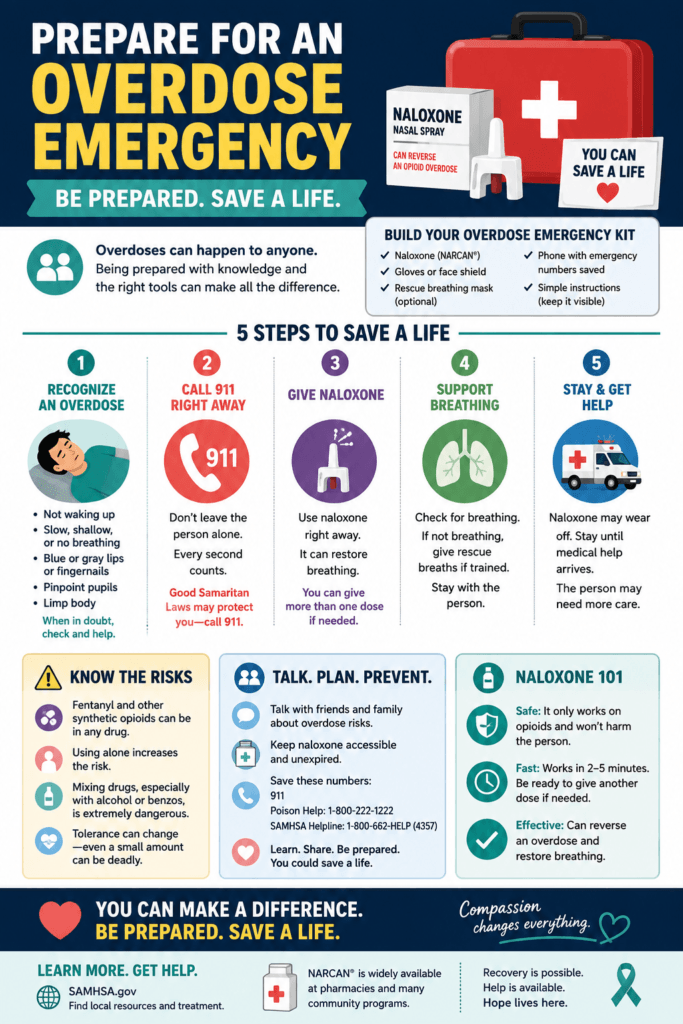
An emergency overdose plan is basically a roadmap for what to do if someone overdoses on opioids or another risky substance. The goal is to respond quickly and avoid panic. I recommend writing things down, using clear language, and letting others know about your plan if you feel comfortable sharing. Here’s what a practical plan usually covers:
- Identify Overdose Warning Signs: Watch for very slow or no breathing, blue or gray lips and nails, choking sounds (sometimes called ‘death rattle’), extreme sleepiness, or difficulty waking up.
- Know Where Naloxone Is Stored: Naloxone (sometimes called Narcan) is a medication that reverses opioid overdose effects quickly. Keeping it close and knowing how to use it is vital.
- List Emergency Contacts: Have a list of people to call—including 911 or your country’s emergency number. Make these numbers easy to find.
- Step-by-Step Actions: Write out what to do: call for help, give naloxone, and start rescue breathing if trained to do so.
Some folks hang a simple guide on the fridge or program emergency info into their phone. The main idea is to keep things practical and usable, even in stressful moments.
Quick Steps to Take During an Overdose Emergency
A calm, fast response is critical during an overdose. Here’s a simple process I keep in mind, based on harm reduction guidelines and expert advice:
- Check for Responsiveness: Try to wake the person. Call their name loudly, and if that doesn’t work, rub your knuckles firmly on their breastbone for a few seconds.
- Call for Help: Dial 911 or the relevant emergency number even if you’re not 100% sure it’s an overdose. Paramedics would rather come for a false alarm than arrive too late.
- Administer Naloxone: If you have naloxone and know how to use it, give it right away. It comes in a nasal spray or auto-injector. Watch for changes in their breathing.
- Support Breathing: If the person isn’t breathing or is breathing very slowly, start rescue breaths if you know how. Tilt the chin back and take one breath every 5 seconds.
- Stay With Them: Keep checking their breathing and responsiveness until help arrives. People can slip back into overdose after naloxone wears off, which sometimes happens within 20-40 minutes.
I always tell people to practice with a trainer naloxone kit. It’s simple to use; knowing the motions helps a lot in a real emergency.
Personalizing Your Emergency Plan
Everyone’s life is a bit different, so making your plan fit you helps ensure it actually works. Here are a few points I consider whenever I’m helping someone put together their emergency strategy:
- Where will you keep naloxone? I keep a kit in my backpack and one at home. Others stash one in the car’s glove compartment.
- Who knows how to respond? Sharing your plan with a trusted friend or roommate can be very helpful. Some people make an agreement to always call 911 if overdose signs appear—no questions asked.
- Do you have a practice routine? Going through the plan with people who might be around is smart, maybe once or twice a year.
Common Challenges and How to Solve Them
There are some hurdles that make overdose response more difficult. Here’s how I approach these challenges:
- Fear of legal trouble: Many people worry about getting arrested if they call for help during an overdose. “Good Samaritan” laws often offer some protection, but the rules differ by location. It helps to know your local laws or ask a community health org for info.
- Not enough naloxone: Sometimes only one dose is available, and with strong drugs like fentanyl, more than one dose may be needed. Keep extra kits on hand if possible.
- Not familiar with naloxone: People might be unsure how to use the spray or how to freeze it under pressure. Free training is available in many places, and practice kits build confidence.
- Stigma and privacy concerns: If you want to keep your substance use private, you might be hesitant to share your plan. Writing it for yourself is perfectly okay; just make it easy to find in a crisis.
Fear of Legal Trouble
Even with “Good Samaritan” policies, people are still hesitant to call for help. I suggest keeping a printout of your local overdose-response laws in your kit for added peace of mind. Community organizations can offer simple, nonjudgmental info about your rights.
Not Enough Naloxone
Fentanyl and similar substances can make overdoses much harder to reverse. Extra doses make a big difference, so carry more than one kit if you can. Pharmacies and clinics often let you pick up several.
Not Familiar with Naloxone
Nasal sprayers are easy to use, but if you haven’t used one before, it’s natural to feel blanked out during a crisis. Apps, YouTube tutorials, and community classes can help you get comfortable. I recommend checking out resources from Get Naloxone Now or your local harm reduction group.
Stigma and Privacy Concerns
If privacy is on your mind, create your own plan and keep it somewhere safe. Some people use codes or symbols they’ll understand—whatever works, just make sure it’s usable if things go south.
Tackling these challenges helps people build confidence to act quickly and make a difference. Practicing and getting familiar with your plan makes it easier to handle emergencies without freezing up.
Advanced Tips for Better Overdose Prevention
Once you know the basics, small tweaks can make your plan a lot stronger. Here are a few extra suggestions:
Keep Rescue Breathing Masks Handy: Disposable face shields or rescue masks make it safer and cleaner to give breaths. Many naloxone kits now include these, and they’re easy to carry.
Set a Reminder to Replace Expired Kits: Naloxone expires, so a yearly calendar alert to double-check expiration dates ensures you’re ready when needed.
Use Buddy Systems: If you’re using substances, consider a buddy system. It could be in person, or, if you use it alone, you can try a safety app or service. In North America, apps like the Never Use Alone hotline can stay on the line and send help if you don’t respond.
Carry an “Emergency Card”: Some people use a wallet card or phone note listing allergies, medications, and emergency contacts. If you’re found unresponsive, responders can act faster.
I’ve also heard of people programming emergency contacts as “ICE” (In Case of Emergency) on their phones so caregivers and responders can see the info even if the screen is locked.
What Tools and Supplies Make a Difference?
A strong emergency overdose plan isn’t just a set of steps written down. Having the right supplies smooths the way. This is what I keep in a basic overdose response kit:
- Naloxone (Narcan): The most essential supply—aim for at least two doses if possible.
- Rescue Breathing Mask or Mouth Shield: Reduces risk when you’re giving breaths to someone.
- Gloves: Disposable gloves protect you while helping someone else.
- Instruction Card: Quick reference with key reminders (often included in naloxone kits).
You can get these kits at many pharmacies and community clinics, and sometimes even at libraries or health fairs. Many offer them free—don’t hesitate to check in if cost is an issue.
- Note: Overdose plans and kits may vary by location, so follow your local harm reduction and emergency guidance.
Frequently Asked Questions
Here are some questions I often get when talking to people about setting up an emergency overdose plan:
Question: Should I still call 911 if I give naloxone and the person wakes up?
Answer: Yes, definitely. Opioid overdoses can return after naloxone wears off, so having medical backup is always safer—even if the person seems much better right after.
Question: Is there a difference between naloxone nasal spray and injector kits?
Answer: Both can reverse overdoses. The nasal spray (like Narcan) is generally easier for people with no medical background. Either one works if used properly in an emergency.
Question: Can I be arrested for having or using naloxone?
Answer: In most places, it’s legal to carry and use naloxone in emergencies—even if you don’t have a prescription. A lot of regions have special laws to protect people who help in overdose cases.
Question: Where can I get free naloxone?
Answer: Many community health centers, harm reduction organizations, and some pharmacies offer naloxone at no cost. It’s worth checking out local resources or Next Distro for online options.
Wrapping Up: Why a Plan Makes the Difference
Having a good emergency overdose plan means you can act quickly if the need ever arises. Simple steps—keeping naloxone close, learning how and when to use it, and practicing your plan—can genuinely save a life. Whether you use substances or care about someone who does, preparing now can ease overwhelming moments if they happen. Stay safe, and remember: you’re not alone; plenty of people and groups are ready to help you build a plan that works for your situation.
Video: What to Do When Someone Overdoses (Emergency Protocol)