If you’ve ever wondered why having money, or even thinking about it, can throw you right back into old addictive habits, you’re definitely not alone. I’ve seen firsthand how money gets tangled up with addiction, whether it’s gambling, alcohol, drugs, or shopping. It’s not just about the cash itself; it’s what money comes to represent over time. So here, I’m breaking down how money can set off your addiction, what’s really going on in your mind, and some smart ways to handle it.
How Money Becomes a Trigger for Addiction
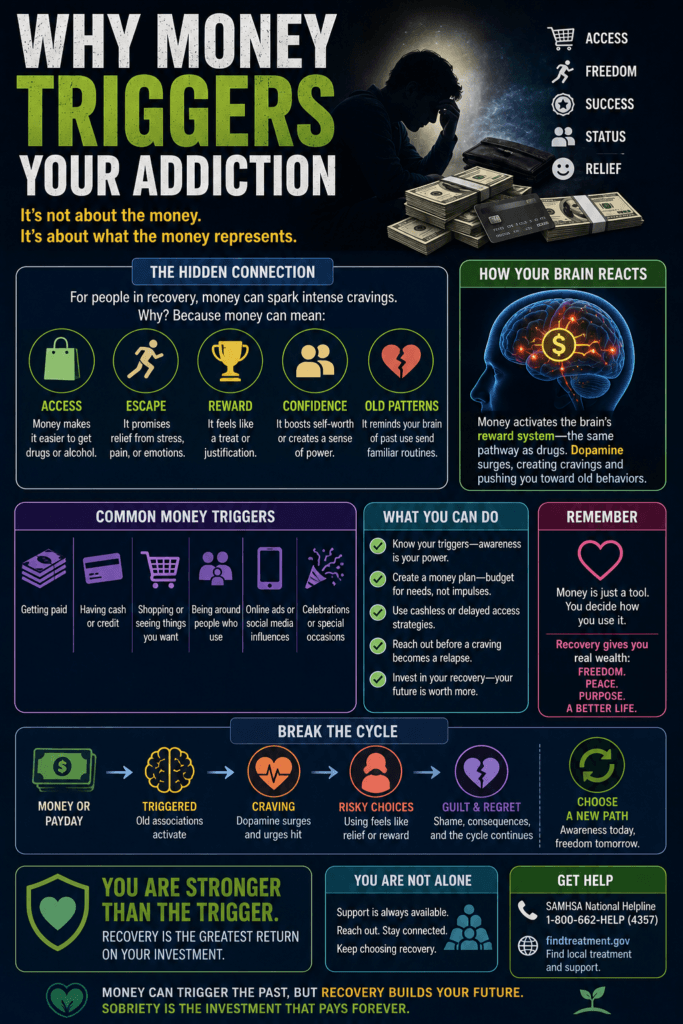
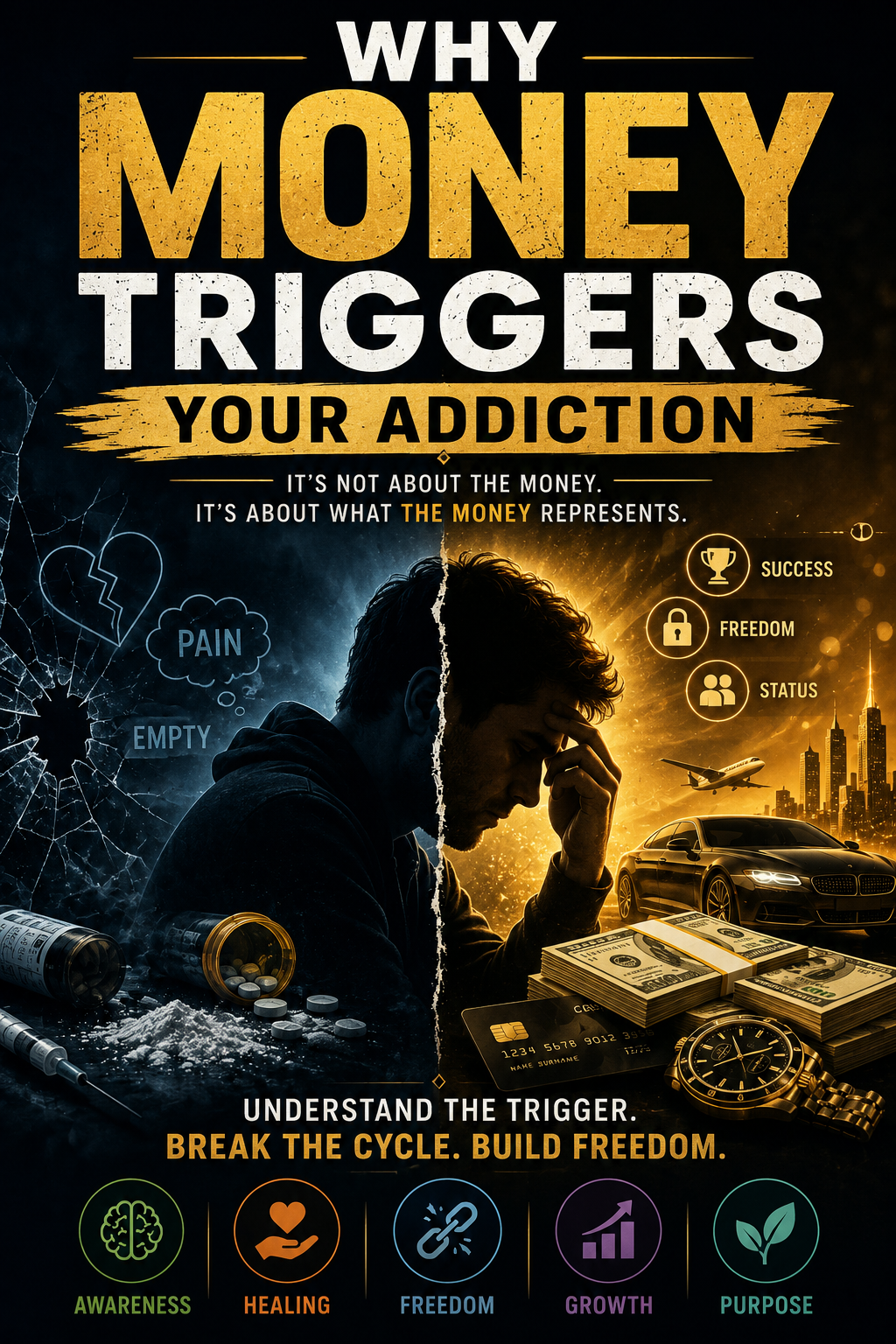
Money itself isn’t the problem. How it’s tied to your thoughts, emotions, and memories is a huge part of what makes it such a strong trigger. For a lot of us dealing with addiction, money gets woven into patterns of reward and relief. Once you connect cash with the excitement of your addiction, like a rush when you get paid or the itch to spend on a bender, it’s really tough to separate the two.
If you’ve used money in the past to score drugs, gamble at the casino, go on shopping sprees, or throw wild parties, your brain remembers that pattern. Just having money on hand can start a wave of cravings, because your mind has learned to expect a reward.
Researchers have found that for people with addictive behavior, the brain’s reward system actually lights up at the sight or thought of money. It’s almost as if your brain is already halfway into your next relapse before you even touch your paycheck.
Why Money Triggers Cravings: A Closer Look
The connection between money and addiction has a lot to do with how your brain responds to cues. Money becomes a powerful cue (or trigger) in a few different ways:
- Emotional associations: For many, money means freedom, escape, or a quick fix to stress; feelings that are extra tempting during tough days.
- Memories and habits: Past experiences set routines. If every payday ended in a binge, your body might start to feel restless or excited before money even lands in your pocket.
- Social influences: Seeing others spend recklessly or join in addictions using money can push those old buttons, too.
- Accessibility: Simply knowing you have money available can lower your resistance and crank up the urge to act out on addictive impulses.
When these triggers combine, it’s easy to feel like you’re stuck in a cycle. Breaking that cycle isn’t just about managing your spending; it’s about looking at the emotions and beliefs you’ve attached to money over time.
Early Warning Signs That Money Is Becoming a Trigger
I’ve noticed that paying attention to signs that money is starting to set off your cravings makes a big difference. There’s usually a pattern. Here are a few early signs to keep in mind:
- You notice your thoughts drifting toward your addiction whenever you check your bank balance or get a cash windfall.
- You start justifying “one small treat” after getting paid, which can spiral into bigger relapses.
- You feel anxious or fidgety when you’re holding cash, or when you know a paycheck is coming up.
- Old routines, like visiting your favorite bar, online shop, or gambling site, start creeping into your plans right after payday.
Recognizing these early warning signs can give you a jump on taking action before cravings get out of hand. Sometimes just knowing what’s happening and why is enough to help you interrupt the cycle before it ramps up.
How Society and Upbringing Play a Role
The pull of money isn’t just wired into our brains; it’s reinforced by how society talks about wealth, success, and happiness. Some of us grew up with messages like “money fixes everything” or “money equals security.” If you’ve grown up seeing adults use money to cope with stress or celebrate, it’s easy to pick up those habits, too.
Cultural messages also push the idea that spending equals happiness. Ads promise that buying the right product will make you feel better, and gambling ads are everywhere, pushing quick riches. This stuff adds fuel to the fire, especially when you’re trying to recover.
Your own upbringing might have included either strict control of money or the opposite: no rules at all. Either can lead to money handling that feeds addictive behaviors later on. Unpacking what you learned about money as a kid can actually help loosen some of those triggers today.
Practical Ways to Reduce Money-Related Triggers
Steering through recovery with money triggers hanging around is tricky, but there are a few approaches that have helped me, and others cut down those relapses:
- Remove easy access: Keep only small amounts of cash on hand, use direct deposit, or limit yourself to one debit card. Setting up bills and essentials to come out automatically can also put a buffer between you and impulse spending.
- Share control: Sometimes it helps to have a supportive friend or family member help manage your finances for a while. Swapping out old habits for new routines, like transferring “extra” cash to savings or a different account, builds in a delay so your brain can catch up before you act on a craving.
- Track your spending: Using simple budget apps or even just writing things down in a notebook helps you spot patterns and hold yourself accountable. Tracking turns abstract triggers into something you can see and work with.
- Replace rituals: If you usually splurge or use when you get paid, swap that ritual with something healthy, like going to a movie, attending a support group, or taking a walk.
Sticking to these steps isn’t always smooth, but every time you resist the urge, you’re actually rewiring your brain’s reward system. This makes future triggers less powerful.
Building coping skills for money triggers can feel like learning to ride a bike all over again—wobbly at first, but the more you practice, the steadier you get. Setting boundaries around money can offer not only financial security but a bit of freedom from constant temptation. Sometimes adding new hobbies or daily routines, like meditating or calling a friend, supplies the extra support you need when old patterns resurface.
Common Challenges and How to Tackle Them
- Overspending on Paydays: Lots of people in recovery find the urge to overspend, or relapse, is hardest right after getting paid.
- Resisting social pressure: Friends, coworkers, or family sometimes don’t get what you’re going through. It’s totally okay to say no to invites if you feel like they’ll put your recovery at risk. Having a script ready or setting boundaries in advance can make this easier.
- Managing windfalls: Extra cash from bonuses, inheritance, or even found money can trigger a “treat yourself” mentality. Consider putting big deposits into a locked savings account or having a trusted person hold onto windfalls until you have a plan.
When Coping Gets Tough
Some days, no plan seems to cut it. If you feel like your triggers are driving you toward relapse, reaching out for outside support makes all the difference. This might mean talking to a counselor, attending a local recovery group, or even chatting online with support communities (like those offered by Alcoholics Anonymous or SMART Recovery).
How Money Triggers Fuel Different Types of Addictions
- Gambling: This one’s the most obvious; money is literally the fuel for the addiction. Gambling addiction often ramps up right after paydays, bonuses, or even a small lottery win. Setting up barriers, such as self-exclusion lists, on casino sites can help reduce temptation.
- Substance use: Whether it’s alcohol or drugs, money means access. Financial windfalls can quickly get turned into purchases for drugs or big drinking nights out. Some find it helps to split paychecks so essentials come first.
- Shopping and food: For some, the cycle is all about the buzz of buying or eating. Shopping therapy isn’t always harmless; credit cards and cash can make it way easier to fall back on these habits.
Knowing which addictions hit you hardest when you have money can give you a head start on coming up with a plan for your next payday or financial bump.
Frequently Asked Questions About Money and Addiction Triggers
Question: Why do I get cravings right after getting paid?
Answer: Your brain links money to past rewards and relief from stress, so payday becomes a cue for your addiction. Planning ahead with new routines and reducing easy access to cash can really help.
Question: Can budgeting help with recovery?
Answer: Absolutely. Even simple budgeting adds structure and helps you recognize triggers before they spiral. Many people in recovery find that tracking spending lowers stress and boosts confidence.
Question: Should I let someone else manage my money during recovery?
Answer: Handing over financial responsibility can be super useful, especially in early recovery. Even temporarily, it can help break those automatic patterns between money and relapse.
Building a Healthier Relationship with Money
Learning how to see money in a new light takes time, but small steps forward make a big difference. Journaling about your money triggers, talking with others who get it, and setting up support before you get paid all help drain the power that money holds over your addiction. With practice, money becomes just a tool, not a tripwire.
It’s definitely possible to recover with money triggers in the picture. With awareness and a bit of planning, you’re already ahead of the game, ready to build a balanced, safer future.
Video: The money trigger you didn’t know about #addiction #recovery