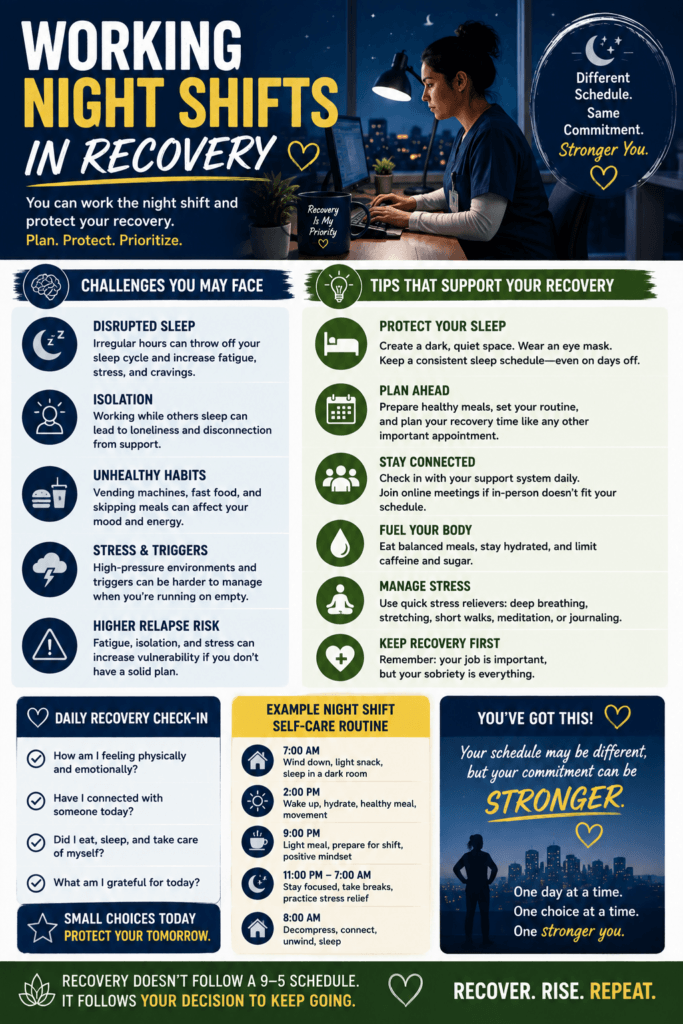
Juggling night shifts while staying committed to recovery feels like living in two separate worlds. On one side, there’s the progress and hope of healing. On the other, there are real challenges that pop up when most people are asleep. I’ve seen firsthand just how different working night shifts can feel, especially when you’re focused on steadying yourself through recovery from addiction, mental health struggles, or any major health change. Here’s a look at what it’s really like, how to manage the hurdles, and the tiny wins along the way.
The Reality of Night Shifts During Recovery
Night shifts create a rhythm that clashes with how our bodies are naturally wired. Most people find these hours tough, even if they’re not in recovery, since your body wants to sleep at night and be active during the day. But during recovery, that challenge ramps up. People might not realize how much structure, social connection, and regular sleep matter for anyone rebuilding their life or health. Suddenly, you’re awake when your recovery support system is quiet, but cravings or tough emotions might be wide awake with you.
There’s another layer to this: night shifts can mess with energy, mood, and focus. Fighting fatigue on its own can make it harder to stick with healthy routines. Combine that with stress and the strange quiet of the middle of the night, and plenty of people in recovery find that temptations or negative thinking can creep in when you least expect it. Sometimes, it’s not just about hours worked; it’s about fighting through the deepest stretches of darkness and quiet, where support can be hardest to track down.
Navigating Sleep, Nutrition, and Energy
Getting good sleep is one of the first things that can fall apart on nights. I found it helps to treat sleep like a serious appointment: dark curtains, a phone set to do-not-disturb, and sticking to a wake-up schedule, even if it means missing out on social stuff sometimes. Earplugs and sleep masks come in handy more often than you’d guess. Sometimes I even add white noise, like a fan, to help me rest during a busy day at home.
Recovery can make the body extra sensitive to fatigue or hunger. I keep snacks ready in my bag, usually things with some protein or fiber, to avoid blood sugar crashes or late-night junk food temptation. Drinking water throughout the shift keeps my mind sharper, and I avoid caffeine after midnight if I want to sleep well later. Routines matter—packing meals in advance gives a lot more control than trusting what the vending machine offers at 3 a.m. If I miss a meal break, I try to make up for it with a nutrient-packed quick snack rather than running on empty.
Staying Connected and Supported
Night shifts isolate you from most people, which can chip away at the connection that’s so important in recovery. Support group meetings, therapy appointments, and calls with friends can seem tough to schedule when your off-hours don’t line up with anyone else’s. I started downloading podcasts by recovery speakers and keeping a group text going with friends who understood the night-shift struggle. It wasn’t the same as being there in person, but it helped more than I expected.
Some workplaces have quiet corners or break rooms that are perfect for texting a sponsor, reading, or even journaling out tough thoughts. If there are others at work who are on their own recovery adventure, linking up for breaks or just checking in can keep the loneliness at bay. A little check-in before or after shifts can make a surprising difference.
Challenging Moments and How to Handle Them
- Triggers from Boredom: Long, quiet hours sometimes lead the mind to wander back to old habits. I try to pack my schedule with simple tasks, healthy distractions, or even puzzles. Sometimes, taking a walk around the building or treating myself to a music playlist helps break up tough stretches. Bringing a book or learning something new during downtime steers my thoughts in a positive direction.
- Fatigue and Setbacks: There are moments when feeling super tired feels like an excuse to skip healthy habits, like not calling someone when I feel down or skipping a decent meal. Keeping a tiny checklist in my pocket as a gentle reminder helps me stick to the basics: eat, drink, breathe, connect. If I forget, I try not to beat myself up and just double down the next day.
- Less Access to Help: If a crisis or wave of anxiety hits during the night, most regular resources aren’t available. I keep a list of helplines, calming apps, and favorite readings on my phone. Having a plan written out, even just a sticky note on my fridge, makes it easier to ride out tough patches.
Dealing With Relapses or Slips
It’s honest to say slips can happen, especially when schedules get flipped and support is scarce. For me, the trick was not turning a bad night into a bad week. I give myself permission to restart, reach out to my network as soon as possible, and remember that recovery isn’t a straight line, especially with night shifts thrown in the mix. There’s always another chance to start fresh, even if it’s just after sunrise at the end of a long shift.
Building Structure and Coping Skills
Night workers in recovery need routines even more than the average shift worker. My go-to strategies include filling the off-work hours with activities I care about, like a morning walk or some quiet reading before bed, to give my brain a cue that it’s okay to unwind. I also keep a journal for marking down wins—big or small—to remind myself that progress is happening, even if it looks a little different during these nighttime stretches.
Mindfulness and breathing exercises sound a bit cheesy at first, but during stressful moments at work, they help a lot. I use apps for short, guided meditations between tasks or on breaks. Keeping healthy distractions nearby, like a sketchbook, crossword puzzles, or a favorite healthy snack, gives my brain something positive to focus on. A little bit of movement, like stretching, also helps keep my focus from wandering into tough territory.
What Others Don’t Always See About Night Shifts in Recovery
Family and friends sometimes think that night shifts are just hard because they’re tiring. It’s a lot more than that. Working nights can mean missing out on daytime recovery meetings or turning down invitations. Sometimes, it’s about facing your own thoughts during the quietest hours of the day. There’s a feeling of missing out on life, but there’s also a quiet pride that comes from showing up, shift after shift, and keeping your own promises. Each night brings a new opportunity to stand behind yourself and grow stronger in recovery.
Building understanding with family or roommates has made things go more smoothly for me. A quick heads-up about why my schedule is weird, or an explanation of why certain temptations feel stronger during night shifts, can help them support you rather than unintentionally add pressure. If you find your people are struggling to understand, sharing this with them can help put things in perspective.
Tips for Anyone Managing Night Shifts in Recovery
- Create a Sleep Sanctuary: Block out daylight and reduce noise to help ensure quality rest, even when everyone else is awake.
- Stick to a Routine: Eating, taking meds, and relaxing at set times gives the body and mind some predictability, which is super important in recovery.
- Prep Support Ahead of Time: Schedule messages, set call reminders, or plan to check in with someone before you start your shift or after you wind down. Consider joining virtual meetings tailored for those on alternative schedules if available.
- Find Small Joys: Whether it’s a favorite drink, a podcast, or watching the sunrise on the way home from work, little traditions help mark the end of a shift and add something uplifting to the day. A simple routine, like reading a few pages of a good book after work, creates a sense of accomplishment and comfort.
- Speak Up For Yourself: If your workplace allows, ask about break spaces, flexible scheduling, or even access to mental health resources. Sharing your needs helps lighten the load and creates a better environment for everyone.
Frequently Asked Questions
Can working night shifts slow down recovery?
Night shifts bring unique challenges and may increase stress, but with careful routines and support, recovery can still move forward. Regular sleep, nutrition, and check-ins make a big difference.
How do I explain my recovery needs to my boss or coworkers?
It can feel awkward, but sharing that you’re focused on your health and need predictable breaks or a safe space can foster understanding. You don’t need to share every detail; just what helps you do your job and stay healthy.
Are there good resources for night shift workers in recovery?
Look for virtual meetings, recovery hotlines that run overnight, and online forums. Recording or downloading helpful materials before your shift starts also helps in moments when you need extra support.
Final Thoughts
Working night shifts in recovery definitely brings some ups and downs. Small victories, like getting enough sleep, planning meals, or finishing a shift without giving in to cravings, mean a lot and add up over time. Staying mindful of the rhythms that help, reaching out when things get rough, and building little routines make the night hours more manageable. And if you’re in this situation, you’re definitely not the only one. Plenty of people chart this path every day and night, and keep moving forward.
Video: Why Night Shifts Are Dangerous for Your Sobriety (And How to Fix It)