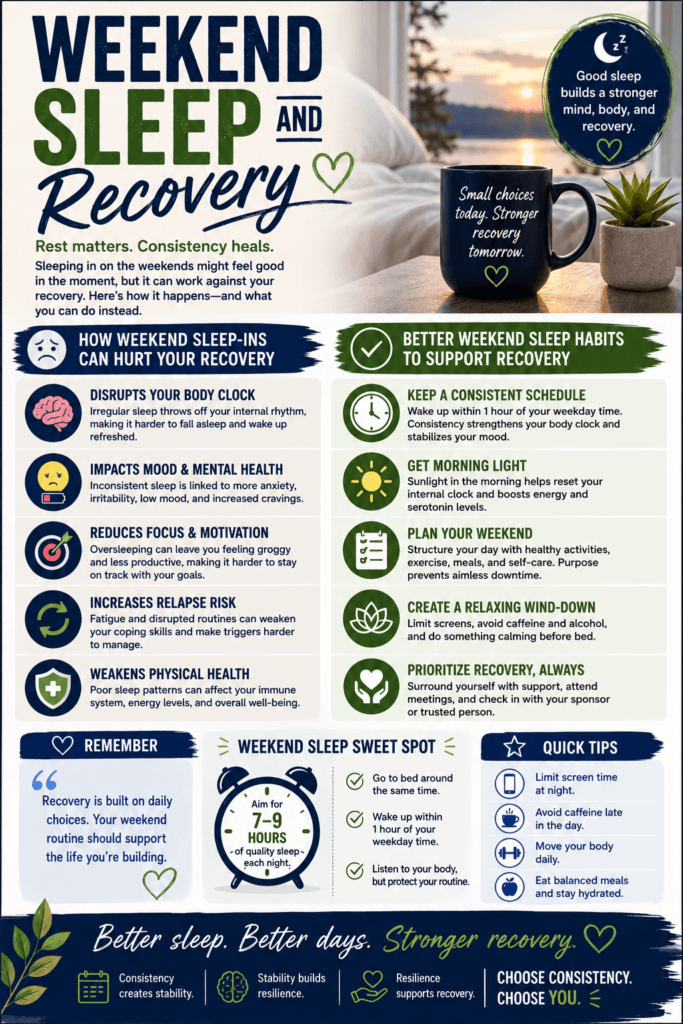
Getting good-quality sleep on weekends is something a lot of us look forward to after a busy week. If you’re in a recovery process, whether it’s from workouts, injury, or just everyday stresses, those extra hours in bed might feel like a reward. But sleeping weekends (basically, sleeping significantly longer than you do on weekdays) can have different effects on how well and how quickly your body recovers. I’ll walk through what’s really happening in your body when you sleep in, what the science says, and how you can actually help your recovery with some smart habits.
Understanding Sleep-in Weekends: What’s Actually Going On?
Most people have a different sleep schedule once Friday night hits. Waking up an hour or two (or even more) later on Saturday and Sunday can feel fantastic at first, especially if you’ve built up a sleep debt during the week. Sleep debt means your body isn’t getting the hours it needs, so extra sleep on weekends might seem like it helps you catch up.
But your body uses routines and rhythms called circadian rhythms to keep everything running smoothly. When you switch up your sleep and wake times around on weekends, you can actually throw off this natural cycle. A lot of folks call this effect “social jet lag” because it’s like flying to a different time zone without leaving your town. Over time, social jet lag can make you feel groggy, slow down your physical and mental recovery, and disrupt how your body handles inflammation and stress.
Research reported by the journal Sleep Foundation shows that recovery depends on getting enough quality sleep, not just quantity all at once. Sleeping in late can actually confuse your body more than help it.
Why Sleep Consistency Is Super Important for Recovery
If your body is healing after tough exercise, illness, or general fatigue, sleep is one of your best tools. During deep sleep, your body releases growth hormone, repairs tissues, and resets your metabolism. Consistency is what makes this repair process really solid. Your brain and body like knowing when to expect sleep, and they get the most out of it when you keep it regular.
- Physical Recovery: Muscles and tissues rebuild best when deep sleep stages are reached regularly. These healing windows are tightly tied to your set routine.
- Mental Recovery: Your brain processes stress, emotions, and memories while you sleep. Messing up your sleep schedule can make it harder to reset mentally.
- Hormones: From stress hormones like cortisol to appetite regulators, your hormonal system needs a steady pattern to function properly.
Snoozing till noon on weekends can mess with all of these, often leaving you feeling more tired when Monday rolls around.
How Sleep-in Weekends Might Impact Different Types of Recovery
Weekend sleep-ins affect people differently, depending on what they’re recovering from.
Exercise Recovery
If you’re an athlete or just started a new workout routine, keeping sleep consistent helps your muscles bounce back faster. When you suddenly shift your sleep schedule by several hours over the weekend, your circadian rhythm struggles to keep up. That might mean less refreshing sleep and slower recovery. Studies, National Library of Medicine soreness.
Illness and Injury Recovery
Healing from sickness or injury means your immune system needs to be in top shape. Sleep disruptions (yes, even from just staying in bed an extra hour or two some days) can confuse your immune response, making it less efficient. If you’re frequently switching sleep patterns, inflammation can last longer, and recovery may drag on.
Mental and Emotional Recovery
Good mood, focus, and emotional resilience all rely on your brain getting what it expects. Bouncing back mentally from a tough week is smoother when your body clock isn’t doing gymnastics. Big changes in sleep can leave you with a “Monday hangover” where you feel off track or even anxious. A Psychology Today article explains that longer weekend sleep doesn’t usually help your mood if you’re skipping regular weekly rest.
Pros and Cons of Weekend Sleep-ins
Extra sleep on weekends isn’t always good or bad; there are pros and cons, and it depends a lot on your weekly lifestyle.
- Pros: Temporary extra rest can help after a week with heavy sleep debt. Some people do feel more refreshed for a short time.
- Cons: Regularly switching your sleep schedule increases the risk of insomnia, slows recovery, and might leave you groggy at the start of the week.
If sleeping extra hours once in a while after a bad week makes you feel better, it’s probably not a big issue. But if every weekend comes with three more hours of sleep than weekdays, your body clock might get pretty mixed up, and your recovery could slow down overall.
Smart Habits for Weekend Sleep That Support Recovery
Regularity is your best friend when you want to recover well; here are some habits to try:
- Keep Wake-Up Times Similar: Aim to keep your wake-up time within an hour of your regular weekday routine to make a big difference. You still get a little extra rest without switching your body clock too much.
- Focus on Sleep Quality: A couple of hours less of solid, deep sleep is better than long hours of fragmented, low-quality rest.
- Power Naps Over Long Sleep-ins: If you feel tired on the weekend, a short nap (20-30 minutes) in the early afternoon can recharge you without messing up your main sleep routine.
- Wind Down Properly: Doing the same relaxing activities before bed every night signals your brain to get ready for sleep, supporting better recovery.
What About the Occasional All-Nighter or Busy Weekend?
So you had a late night out or a super busy Saturday; no big deal once in a while. Just aim to return to your regular sleep schedule at the next opportunity. Your body will bounce back if this isn’t a regular thing.
Common Sleepinweekend Myths That Slow Recovery
- Myth: “Extra sleep on weekends always erases sleep debt.”
Fact: You can’t fully repay hours of lost sleep, especially if you do it every week. Consistency is what counts for solid recovery. - Myth: “Sleeping in helps fix muscle soreness.”
Fact: Soreness fades best with routine sleep, not irregular sleep blocks. - Myth: “If I feel better after sleeping in, it must be working.”
Fact: You might feel better briefly but set yourself up for more weekday tiredness.
FAQs: Sleep-in Weekends and Recovery Progress
Here are a few common questions that pop up around weekend sleep habits and recovery:
Question: Is it ok to sleep in if I missed sleep during the week?
Answer: Catching up a little can help if you’re truly wiped out, but try not to let your wake time change by more than an hour or so.
Question: Can weekend sleep-ins mess with my training gains?
Answer: Yes, major changes in sleep schedule might limit your recovery from exercise or injury by disrupting important deep sleep cycles.
Question: What do I do if I work shift or irregular hours?
Answer: Try to keep sleep and awake times consistent within your schedule as much as possible, even if it’s different than 9to5. Consistency is more important than which exact hours you sleep.
Quick Tips for Optimal Recovery (Even With a Busy Life)
- Stick to a steady sleep schedule, even on weekends; try to stay within an hour of your usual time.
- Focus on making your sleep environment comfortable: cool, dark, and quiet spaces make a noticeable difference.
- Limit caffeine and heavy meals close to bedtime, especially on weekends when your routine might change.
- Take short naps if you need more rest, instead of a long morning sleep-in.
Extra Suggestions for Weekend Sleep and Recovery
To give your recovery an even stronger boost, keep a basic sleep diary for a couple of weekends. Jot down what time you go to bed and get up, plus how you feel each morning. Tracking simple habits can help you spot patterns and tweak your sleep without overthinking it. If you notice that you feel sluggish after a long sleep-in, try making gradual changes—waking up just 30 minutes earlier each weekend until you’re closer to your regular time. Add gentle stretching, hydration, and a light breakfast soon after getting up to help your body move into “daytime mode” comfortably.
Being consistent with your nighttime routine pays off big over the long haul, with better energy, stronger immune responses, and faster healing. Your body signals what it needs, so tuning in to how you feel after different sleep routines gives you clues about what actually works for you. Remember, smart tweaks add up over time.
Staying consistent with your sleep routine helps your body recover faster, feel more energized, and keep you on track for whatever challenges your week throws at you. While the occasional sleep-in won’t ruin your recovery, making it a regular habit can backfire. Stick with good habits and your body will thank you.
Video: Stop The Weekend Sleep-In: Why Consistency Matters More Than You Think