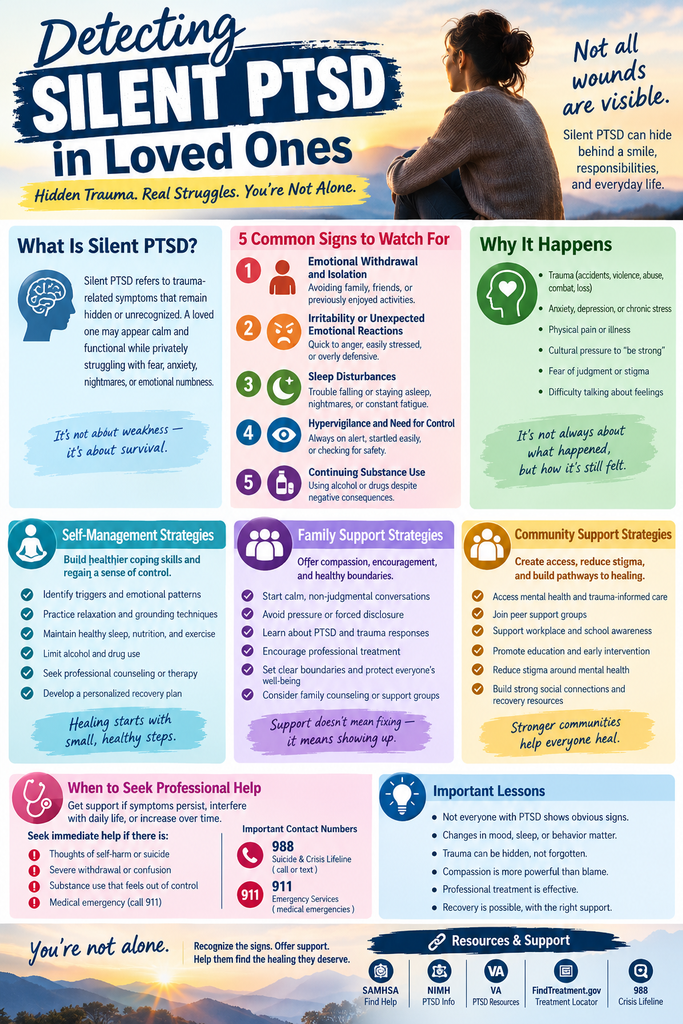
Post-traumatic stress disorder (PTSD) is often associated with visible emotional distress, flashbacks, nightmares, or dramatic reactions to reminders of traumatic experiences. However, not everyone living with PTSD displays obvious symptoms. Some individuals continue working, caring for their families, and participating in everyday activities while privately struggling with fear, emotional numbness, intrusive memories, and psychological exhaustion.
This less visible experience is sometimes described as silent PTSD. Although silent PTSD is not an official medical diagnosis, the term helps describe situations in which trauma-related symptoms remain unnoticed, concealed, or misunderstood by family members and friends.
A loved one may appear calm while experiencing intense anxiety. Another person may avoid emotional conversations, withdraw from relationships, or become unusually focused on controlling their surroundings. These behaviors may be mistaken for personality changes, irritability, or lack of interest rather than possible signs of unresolved trauma.
Recognizing hidden trauma is important because untreated PTSD can interfere with relationships, physical health, emotional well-being, and daily functioning. Some individuals may also turn to alcohol, drugs, or other unhealthy coping mechanisms to manage distressing symptoms.
Recognizing warning signs and offering compassionate support can encourage someone to seek appropriate care.
This article explores how to recognize less obvious signs of PTSD and examines self-management, family support, and community-based strategies that can help individuals navigate their healing journey.
Understanding Silent PTSD: Trauma That Others May Not See
PTSD is a mental health condition that can develop after experiencing or witnessing a traumatic event involving actual or threatened death, serious injury, or sexual violence.
Traumatic experiences may include military combat, physical or sexual assault, serious accidents, natural disasters, or other life-threatening situations.
Not everyone who experiences trauma develops PTSD. Some individuals recover naturally, while others experience persistent symptoms requiring professional treatment.
Why PTSD symptoms may remain hidden
Some individuals conceal trauma-related symptoms because they fear judgment, feel ashamed, want to protect family members, or believe they should manage their difficulties independently.
Others may not recognize their symptoms as trauma-related.
Common reasons include:
- Fear of appearing vulnerable.
- Concern about burdening loved ones.
- Cultural expectations surrounding emotional strength.
- Difficulty discussing traumatic experiences.
- Avoidance of painful memories.
- Limited understanding of PTSD symptoms.
- Previous negative experiences with mental health services.
- Belief that symptoms will eventually disappear without treatment.
A person may appear successful and emotionally composed while privately experiencing significant distress.
However, outward functioning does not reliably indicate the presence or absence of PTSD.
Recognizing the Hidden Warning Signs of PTSD
PTSD symptoms generally involve intrusive experiences, avoidance, changes in mood or thinking, and heightened reactions to perceived danger.
When symptoms are concealed or subtle, family members may notice changes in everyday behavior before understanding their possible connection to trauma.
Sign 1: Emotional withdrawal and isolation
A loved one may gradually stop participating in family activities, avoid social gatherings, or become less emotionally available.
They may spend more time alone or respond briefly to conversations.
Possible behaviors include:
- Avoiding friends and relatives.
- Losing interest in previously enjoyed activities.
- Appearing emotionally distant.
- Becoming uncomfortable with personal questions.
- Spending excessive time working or staying busy.
- Avoiding discussions about past experiences.
Withdrawal can also occur with depression, grief, burnout, or physical illness. It should not automatically be interpreted as PTSD.
Sign 2: Increased irritability or unexpected emotional reactions
Some individuals with PTSD experience heightened sensitivity to stress.
Minor disagreements, unexpected noises, or sudden changes in plans may trigger disproportionate reactions.
Warning signs may include:
- Becoming irritated over small problems.
- Reacting strongly to unexpected interruptions.
- Appearing constantly tense.
- Having difficulty relaxing.
- Becoming unusually defensive.
- Experiencing frequent arguments.
These reactions may reflect a heightened threat-response system, but they can also have other causes.
Sign 3: Sleep disturbances and recurring nightmares
Sleep problems are common among individuals with PTSD.
Someone may struggle to fall asleep, awaken frequently, or experience distressing dreams.
They may avoid discussing nightmares or minimize their sleep difficulties.
Potential signs include:
- Persistent insomnia.
- Frequent nighttime awakenings.
- Disturbing dreams.
- Daytime exhaustion.
- Difficulty concentrating.
- Avoiding sleep because of fear of nightmares.
Sleep disturbances can worsen emotional regulation and increase vulnerability to anxiety and depression.
Sign 4: Hypervigilance and an excessive need for control
Hypervigilance means staying unusually alert for possible threats, even in relatively safe environments.
A person may constantly scan their surroundings, startle at sudden sounds, or prefer to sit where they can watch entrances and exits.
Examples include:
- Frequently checking locks or windows.
- Becoming uncomfortable in crowded places.
- Reacting strongly to loud noises.
- Monitoring other people’s behavior.
- Avoiding unfamiliar environments.
- Feeling unsafe without an obvious immediate threat.
These behaviors may be attempts to maintain a sense of safety following trauma.
Sign 5: Avoidance of reminders and difficult conversations
Avoidance is a core feature of PTSD.
A person may avoid locations, people, conversations, or situations that remind them of traumatic experiences.
For example, someone involved in a serious accident may avoid driving, while a person who experienced violence may avoid certain environments.
Family members might notice:
- Refusal to discuss specific experiences.
- Avoidance of certain places.
- Sudden changes in routines.
- Emotional discomfort during particular conversations.
- Withdrawal when certain subjects arise.
Avoidance may temporarily reduce distress but can also maintain PTSD symptoms over time.
Sign 6: Emotional numbness and difficulty expressing affection
Some individuals experience emotional detachment or a reduced ability to feel positive emotions.
They may appear indifferent, even when they care deeply about family members.
Possible signs include:
- Difficulty expressing affection.
- Reduced enjoyment of hobbies.
- Feeling disconnected from others.
- Limited emotional responses.
- Describing themselves as empty or emotionally exhausted.
These symptoms can create relationship difficulties when loved ones interpret emotional distance as rejection.
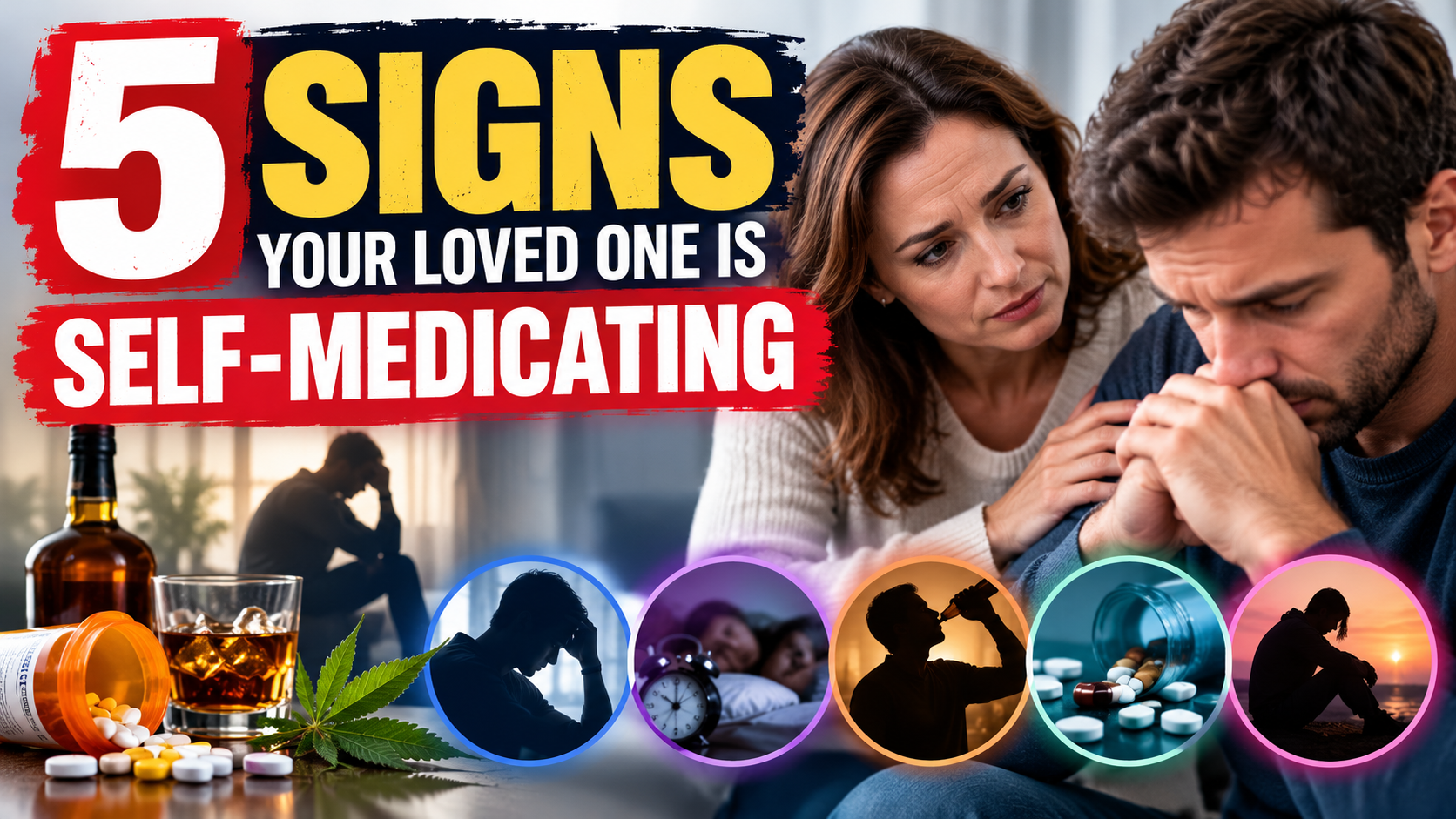
Sign 7: Using alcohol or drugs to manage distress
Some people use alcohol, cannabis, sedatives, or other substances to cope with nightmares, anxiety, intrusive memories, or sleep disturbances.
Although substances may temporarily reduce discomfort, repeated use can worsen symptoms and increase the risk of addiction.
Warning signs include:
- Drinking specifically to fall asleep.
- Increasing substance use during stressful periods.
- Using medication differently from prescribed instructions.
- Becoming uncomfortable without alcohol or drugs.
- Continuing substance use despite harmful consequences.
Not everyone with PTSD develops substance use problems, and substance use alone does not establish a PTSD diagnosis.
Understanding the Emotional Journey of Someone With Hidden PTSD
Living with trauma-related symptoms can involve a complicated mixture of fear, grief, anger, guilt, shame, and emotional exhaustion.
Some individuals struggle to understand why they continue reacting to events that happened months or years earlier.
Others believe they should have recovered already.
PTSD can affect how the brain processes threat-related information, memories, and emotional responses.
Common internal experiences
- Feeling unsafe even when no immediate danger exists.
- Experiencing unwanted memories.
- Feeling disconnected from family members.
- Struggling with guilt or self-blame.
- Becoming exhausted from remaining constantly alert.
- Avoiding situations that might trigger distress.
- Feeling frustrated by difficulty controlling emotional reactions.
These experiences can be difficult to communicate.
Family members may see irritability or withdrawal without understanding the distress occurring beneath the surface.
Compassionate curiosity can help create opportunities for discussion without forcing someone to reveal painful details.
Self-Management Strategies: Helping Individuals Regain Stability
Self-management strategies can help individuals manage PTSD symptoms and support recovery.
However, these approaches should complement, rather than replace, professional trauma-focused treatment when PTSD is present.
Develop awareness of triggers
A trigger is a reminder that activates trauma-related distress.
Triggers may involve sounds, smells, locations, anniversaries, or interpersonal situations.
Helpful techniques include:
- Recording situations that produce distress.
- Identifying physical warning signs such as muscle tension or rapid breathing.
- Recognizing patterns in emotional reactions.
- Discussing triggers with a mental health professional.
- Developing a personalized coping plan.
The goal isn’t to avoid every reminder indefinitely, but to develop safer, more effective responses.
Practice grounding techniques
Grounding exercises can help individuals reconnect with the present during periods of emotional distress.
One commonly used technique is the 5-4-3-2-1 exercise.
The 5-4-3-2-1 Grounding Exercise
- Identify 5 things you can see.
- Notice 4 things you can physically feel.
- Identify 3 sounds you can hear.
- Notice 2 things you can smell.
- Identify 1 thing you can taste.
Grounding can help manage distress, but it does not treat the underlying trauma on its own.
Establish healthy daily routines
Predictable routines can support emotional stability and reduce stress.
Helpful habits include:
- Maintaining consistent sleep and wake times.
- Participating in regular physical activity.
- Eating balanced meals.
- Limiting alcohol and recreational drug use.
- Practicing relaxation techniques.
- Scheduling enjoyable activities.
- Maintaining supportive social connections.
Seeking professional trauma-focused treatment
Evidence-based PTSD treatments include trauma-focused cognitive behavioral therapies, cognitive processing therapy, prolonged exposure therapy, and eye movement desensitization and reprocessing (EMDR).
Medication may also help some individuals, depending on their symptoms and medical needs.
Treatment should be individualized and provided by qualified professionals.
Practice self-compassion
Individuals with PTSD may criticize themselves for emotional reactions or difficulty recovering.
Self-compassion involves recognizing that trauma-related symptoms are understandable responses to overwhelming experiences and that seeking assistance is appropriate.
Recovery does not require pretending that the trauma never occurred.
Family Support Strategies: Helping Without Pressuring or Controlling
Family members often want to help but may feel uncertain about what to say.
Some may repeatedly ask questions about the traumatic event, while others avoid discussing mental health entirely.
A supportive approach respects the person’s autonomy, emotional boundaries, and readiness to seek treatment.
Begin conversations with concern
Choose a calm moment and describe observable changes.
For example:
“I’ve noticed you haven’t been sleeping well and seem more withdrawn lately. I’m concerned about how you’re feeling. I’m here if you’d like to talk.”
This approach communicates care without assuming a diagnosis.
Avoid forcing disclosure
Someone with PTSD may not be ready to discuss traumatic memories.
Pressuring them to describe the event can increase distress.
Families can support treatment without requiring detailed disclosure.
Learn about PTSD
Understanding trauma-related symptoms can reduce misunderstandings.
Families can learn about:
- Hypervigilance.
- Emotional avoidance.
- Intrusive memories.
- Sleep disturbances.
- Irritability.
- Trauma-related triggers.
- Evidence-based treatment options.
Encourage professional treatment
Family members can help locate qualified therapists, arrange transportation, or assist with practical responsibilities.
However, whenever possible, treatment decisions should involve the individual.
Maintain healthy boundaries
Compassion does not require accepting threatening or abusive behavior.
Families should establish clear expectations around safety, communication, and respectful conduct.
Protect family members’ emotional well-being
Living with someone experiencing severe trauma-related symptoms can be stressful.
Family counseling, individual therapy, and support groups may help relatives maintain healthy relationships and manage their own emotional needs.
Community Support Strategies: Creating Safe Environments for Healing
Community support can reduce isolation and help individuals access appropriate treatment.
Many people delay seeking help because of cost, transportation difficulties, stigma, or limited availability of trauma-informed services.
Communities can address these barriers through education and accessible mental health programs.
Expand access to trauma-informed healthcare
Community healthcare organizations can provide:
- PTSD screening and assessment.
- Affordable psychotherapy.
- Trauma-focused treatment.
- Psychiatric services when appropriate.
- Integrated addiction and mental health care.
- Crisis intervention.
- Long-term follow-up support.
Encourage peer support
Peer groups can provide opportunities to connect with people who have experienced similar challenges.
Specialized peer support may benefit veterans, survivors of violence, first responders, and other groups.
Peer support can complement clinical treatment but should not replace evidence-based PTSD care when needed.
Reduce stigma
Communities can normalize conversations about trauma and mental health without labeling individuals as weak or unstable.
Education can emphasize that PTSD is a treatable mental health condition rather than a character flaw.
Support trauma-informed workplaces
Employers can help by providing confidential mental health resources, appropriate accommodations, and supportive workplace policies.
Employees should not be pressured to disclose private traumatic experiences to receive general mental health support.
Strengthen social connections
Community centers, support groups, recreational programs, and volunteer organizations can help individuals rebuild relationships and a sense of belonging.
Social connection may support recovery, particularly when participation occurs at a comfortable pace.
PTSD and Addiction: Understanding the Connection
PTSD and substance use disorders can occur together.
Some individuals use substances to manage anxiety, intrusive memories, nightmares, or emotional numbness.
Unfortunately, alcohol and drug use can interfere with sleep, worsen emotional symptoms, and increase health risks.
Warning signs of co-occurring PTSD and substance use problems
- Drinking to suppress nightmares.
- Using drugs to avoid distressing memories.
- Increasing substance use during stressful periods.
- Experiencing relationship conflicts related to intoxication.
- Avoiding treatment because of shame.
- Continuing substance use despite worsening mental health.
Why integrated treatment matters
When PTSD and substance use disorder occur together, treating both conditions is often important.
Integrated care may include:
- Trauma-focused psychotherapy.
- Addiction counseling.
- Appropriate medication treatment.
- Relapse-prevention planning.
- Peer recovery support.
- Family counseling.
- Continuing mental health care.
People do not necessarily need to complete addiction treatment before beginning appropriate PTSD treatment. Qualified clinicians can develop coordinated plans based on safety and individual needs.
What Families Should Avoid When Supporting Someone With PTSD
Even well-intentioned responses can make conversations more difficult.
Families should avoid:
- Telling someone to simply forget the trauma.
- Comparing their experiences with someone else’s.
- Pressuring them to discuss painful memories.
- Assuming every emotional reaction is caused by PTSD.
- Using guilt to encourage treatment.
- Dismissing symptoms because the person appears successful.
- Encouraging alcohol or drugs as relaxation methods.
- Attempting to provide trauma therapy without professional training.
Instead, families can offer patience, emotional support, and assistance accessing qualified care.
When Should Someone Seek Professional Help?
Professional evaluation is appropriate when trauma-related symptoms persist, interfere with daily life, or create significant distress.
PTSD diagnosis generally requires symptoms lasting more than one month, along with other clinical criteria. People experiencing distress do not need to wait a month before seeking help.
Signs that professional assessment may be especially important
- Persistent nightmares or intrusive memories.
- Severe avoidance of everyday activities.
- Frequent panic or intense emotional reactions.
- Significant sleep disruption.
- Increasing alcohol or drug use.
- Relationship or employment difficulties.
- Emotional numbness or persistent hopelessness.
- Difficulty feeling safe in ordinary environments.
If someone expresses suicidal thoughts, appears at immediate risk of harming themselves or others, or experiences a medical emergency, urgent professional assistance is necessary.
In the United States, call or text 988 for suicide and mental health crisis support. Call 911 in an immediate emergency.
Important Lessons About Detecting Silent PTSD
Recognizing hidden trauma requires attention, patience, and an understanding that symptoms do not always appear dramatic.
Important lessons include:
- PTSD symptoms can remain unnoticed even when someone appears outwardly successful.
- Emotional withdrawal, irritability, sleep disturbances, and hypervigilance may warrant attention.
- Behavioral changes alone cannot establish a PTSD diagnosis.
- Trauma-related symptoms may overlap with depression, anxiety, substance use disorders, and physical illnesses.
- Compassionate conversations are more helpful than accusations.
- Family members should respect privacy and emotional boundaries.
- Self-management techniques can support stability but do not replace appropriate treatment.
- Trauma-focused psychotherapy is an effective treatment for many people with PTSD.
- Community support can reduce isolation and improve access to care.
- Recovery is possible, and individuals may improve meaningfully with appropriate treatment.
Conclusion: Seeing the Pain That Others May Miss
Silent PTSD describes the experience of trauma-related distress that remains hidden beneath everyday routines, professional responsibilities, or outward emotional control.
A loved one may appear calm while struggling with nightmares, intrusive memories, hypervigilance, emotional numbness, or fear.
Recognizing these possibilities does not mean diagnosing someone based on their behavior. Instead, it means responding thoughtfully when changes in mood, relationships, sleep, or daily functioning suggest someone may need additional support.
Through self-management, compassionate family relationships, trauma-informed professional treatment, and accessible community resources, individuals can develop healthier coping strategies and work toward improved emotional well-being.
Healing doesn’t require someone to reveal every painful memory or follow another person’s timeline.
Sometimes the most meaningful support begins with a simple message: “I care about you, I notice you’re struggling, and you don’t have to face it alone.”
Frequently Asked Questions and Answers
Understanding Silent PTSD
1. What is silent PTSD?
Silent PTSD is an informal term describing post-traumatic stress symptoms that are not readily visible to others. Someone may experience intrusive memories, emotional numbness, anxiety, avoidance, or sleep disturbances while appearing outwardly calm and functional. Silent PTSD is not a separate clinical diagnosis.
2. Can someone have PTSD without showing obvious symptoms?
Yes. Individuals may conceal their emotional distress or experience symptoms that others do not easily recognize. Some continue working, caring for family members, and maintaining social responsibilities despite significant internal struggles.
3. What causes PTSD?
PTSD can develop after experiencing or witnessing a traumatic event involving actual or threatened death, serious injury, or sexual violence. Examples include serious accidents, physical or sexual assault, military combat, and other life-threatening experiences. Not everyone exposed to trauma develops PTSD.
4. What are the most common hidden signs of PTSD?
Possible warning signs include:
- Emotional withdrawal and social isolation.
- Increased irritability or unexpected emotional reactions.
- Persistent sleep disturbances or nightmares.
- Hypervigilance and exaggerated startle responses.
- Avoidance of reminders of traumatic experiences.
- Emotional numbness or detachment.
- Increased reliance on alcohol or drugs to cope.
These signs can also occur with other medical or mental health conditions.
5. Why do some people hide their PTSD symptoms?
Some individuals fear judgment, feel ashamed, want to protect loved ones, or believe they should handle their difficulties independently. Others may have trouble describing their experiences or may not recognize that their symptoms are trauma-related.
6. Can PTSD develop months or years after a traumatic event?
Yes. PTSD symptoms often begin within the first three months after trauma, but delayed expression can occur. Some individuals do not meet full diagnostic criteria until months later.
7. Is silent PTSD the same as high-functioning PTSD?
Both are informal descriptions, not recognized diagnostic categories. They generally refer to individuals who continue meeting daily responsibilities despite experiencing trauma-related symptoms. A person’s outward functioning does not necessarily indicate the severity of their distress.
Recognizing Hidden PTSD Symptoms
8. How can emotional withdrawal indicate possible PTSD?
Someone with PTSD may avoid social activities, become less emotionally available, or spend more time alone. Withdrawal may reflect avoidance of trauma reminders, emotional numbness, or difficulty feeling connected to others. However, similar behavior can occur with depression, grief, or other conditions.
9. Why might someone with PTSD become unusually irritable?
PTSD can involve heightened arousal and increased sensitivity to perceived threats. This may contribute to irritability, anger, or strong reactions to unexpected events. Irritability alone does not establish PTSD.
10. Can sleep disturbances be a warning sign of PTSD?
Yes. PTSD may involve insomnia, recurring nightmares, frequent awakenings, and difficulty feeling safe enough to sleep. Persistent sleep disruption can also worsen concentration, mood, and emotional regulation.
11. What is hypervigilance in PTSD?
Hypervigilance means remaining unusually alert to potential danger. Someone may constantly monitor their surroundings, repeatedly check doors and windows, or feel uncomfortable in crowded places. It can occur when the nervous system remains highly responsive to perceived threats.
12. Why do people with PTSD avoid certain places or conversations?
Avoidance is a core feature of PTSD. People may avoid situations, memories, conversations, or environments that remind them of traumatic experiences. Although avoidance can temporarily reduce distress, it may also interfere with recovery.
13. Can PTSD cause emotional numbness?
Yes. Some individuals have difficulty feeling positive emotions, feel emotionally detached, or experience a reduced sense of connection with loved ones. Family members may mistake this behavior for indifference or rejection.
14. Can someone experience PTSD without having nightmares or flashbacks?
Yes. PTSD symptoms vary. A person does not need to experience every commonly recognized symptom, although diagnosis requires a specific pattern of symptoms, including intrusion, avoidance, changes in mood or thinking, and heightened arousal.
15. Can PTSD cause memory or concentration problems?
Yes. PTSD can interfere with attention, concentration, and aspects of memory. Poor sleep, anxiety, and intrusive thoughts may contribute to these difficulties. Evaluate persistent cognitive symptoms because they can have other causes.
PTSD, Mental Health, and Substance Use
16. Can PTSD lead to depression or anxiety?
PTSD frequently occurs alongside depression, anxiety disorders, and other mental health concerns. Symptoms may overlap, so professional assessment is important to identify the most appropriate treatment.
17. Can someone with PTSD develop alcohol or drug problems?
Yes. Some individuals use alcohol or drugs to manage anxiety, nightmares, intrusive memories, or emotional numbness. This can increase the risk of substance use disorders and worsen trauma-related symptoms.
18. Why is alcohol not an effective treatment for PTSD?
Alcohol may temporarily reduce distress, but it can disrupt sleep, worsen mood symptoms, impair judgment, and contribute to dependence. Evidence-based PTSD treatment addresses trauma-related symptoms without relying on harmful substance use.
19. Can chronic stress cause PTSD?
Chronic stress can contribute to significant mental and physical health problems. However, a PTSD diagnosis generally requires exposure to a qualifying traumatic event. Stressful experiences that do not meet that criterion can still cause serious distress and deserve appropriate care.
20. Can PTSD affect physical health?
Yes. PTSD may be associated with headaches, gastrointestinal symptoms, chronic pain, sleep disturbances, and increased physiological stress. Physical symptoms should be evaluated medically rather than automatically attributed to trauma.
Self-Management Strategies for PTSD
21. What self-management strategies can help someone experiencing PTSD symptoms?
Helpful strategies include:
- Maintaining consistent sleep routines.
- Participating in regular physical activity.
- Practicing grounding and relaxation techniques.
- Identifying trauma-related triggers.
- Reducing harmful alcohol or drug use.
- Maintaining supportive relationships.
- Seeking professional trauma-focused treatment.
- Developing a personalized coping plan.
Self-management can complement professional treatment but should not replace it when symptoms are significant.
22. What is a grounding technique, and how does it help?
Grounding techniques help individuals focus on their present surroundings during distress. One example is the 5-4-3-2-1 method, which involves identifying five things you see, four you feel, three you hear, two you smell, and one you taste. It may help manage distress, although it does not treat PTSD by itself.
23. Can exercise help manage PTSD symptoms?
Regular physical activity may improve sleep, mood, and stress regulation. Walking, swimming, cycling, yoga, and other activities can support general well-being. Exercise is best considered a complementary strategy rather than a replacement for trauma-focused psychotherapy.
24. What treatments are effective for PTSD?
Evidence-based treatments include cognitive processing therapy, prolonged exposure therapy, and eye movement desensitization and reprocessing (EMDR). Certain medications, including some antidepressants, may also be appropriate depending on individual circumstances.
25. Can someone recover from PTSD without medication?
Yes. Many individuals experience meaningful improvement through trauma-focused psychotherapy without medication. Others benefit from a combination of therapy and medication. Treatment decisions should reflect symptom severity, medical history, preferences, and clinical guidance.
Family Support Strategies
26. How can I talk to a loved one who may have hidden PTSD?
Choose a calm, private moment and express concern about specific changes you have noticed. For example:
“I’ve noticed you’ve seemed more withdrawn and haven’t been sleeping well. I’m concerned about you, and I’m here if you want to talk.”
Avoid assuming a diagnosis or pressuring the person to describe traumatic experiences.
27. Should I ask my loved one to explain what happened during their trauma?
Not unless they wish to share. Pressuring someone to discuss traumatic experiences can increase distress. You can offer support, listen respectfully, and encourage professional treatment without asking for details.
28. What should families avoid saying to someone with PTSD?
Avoid statements such as “Just get over it,” “That happened a long time ago,” or “Other people have been through worse.” These comments may minimize the person’s experience. Supportive language should emphasize understanding, safety, and access to appropriate care.
29. How can families support someone experiencing PTSD-related anger or irritability?
Families can remain calm, avoid escalating arguments, and discuss concerns when everyone feels safe. Establishing respectful communication boundaries is important. PTSD does not excuse threatening, controlling, or abusive behavior.
30. Can family counseling help someone with PTSD?
Family counseling can improve communication, strengthen understanding, and address relationship difficulties associated with trauma-related symptoms. Individual trauma-focused treatment may still be necessary for the person experiencing PTSD.
Community Support and Recovery
31. What community resources are available for people with PTSD?
Resources may include community mental health clinics, trauma-focused therapists, veterans’ services, survivor support organizations, peer groups, and crisis intervention programs. Accessible care can help reduce isolation and encourage early treatment.
32. Can PTSD support groups help with recovery?
Peer support groups can provide emotional connection, shared experiences, and practical encouragement. However, peer support should complement rather than replace evidence-based clinical treatment when PTSD symptoms require professional care.
33. How can workplaces and communities support people with PTSD?
Workplaces and communities can provide confidential mental health resources, promote trauma-informed practices, reduce stigma, offer appropriate accommodations, and improve access to professional treatment. Individuals should not be required to disclose private traumatic experiences unnecessarily.
34. When should someone seek professional help for suspected PTSD?
Professional help is appropriate when trauma-related symptoms persist, worsen, or interfere with sleep, relationships, employment, or daily functioning. PTSD diagnosis generally requires symptoms lasting longer than one month, but people can seek assistance sooner. Immediate help is necessary when someone is at risk of harming themselves or others.
35. What is the most important lesson about detecting silent PTSD in loved ones?
The most important lesson is that emotional suffering is not always visible. Someone may appear calm and capable while privately experiencing significant trauma-related distress.
Recognizing behavioral changes, offering compassionate support, respecting personal boundaries, and encouraging professional evaluation can help create a safer path to healing.
You don’t need to diagnose a loved one to recognize they may need support.
Video: