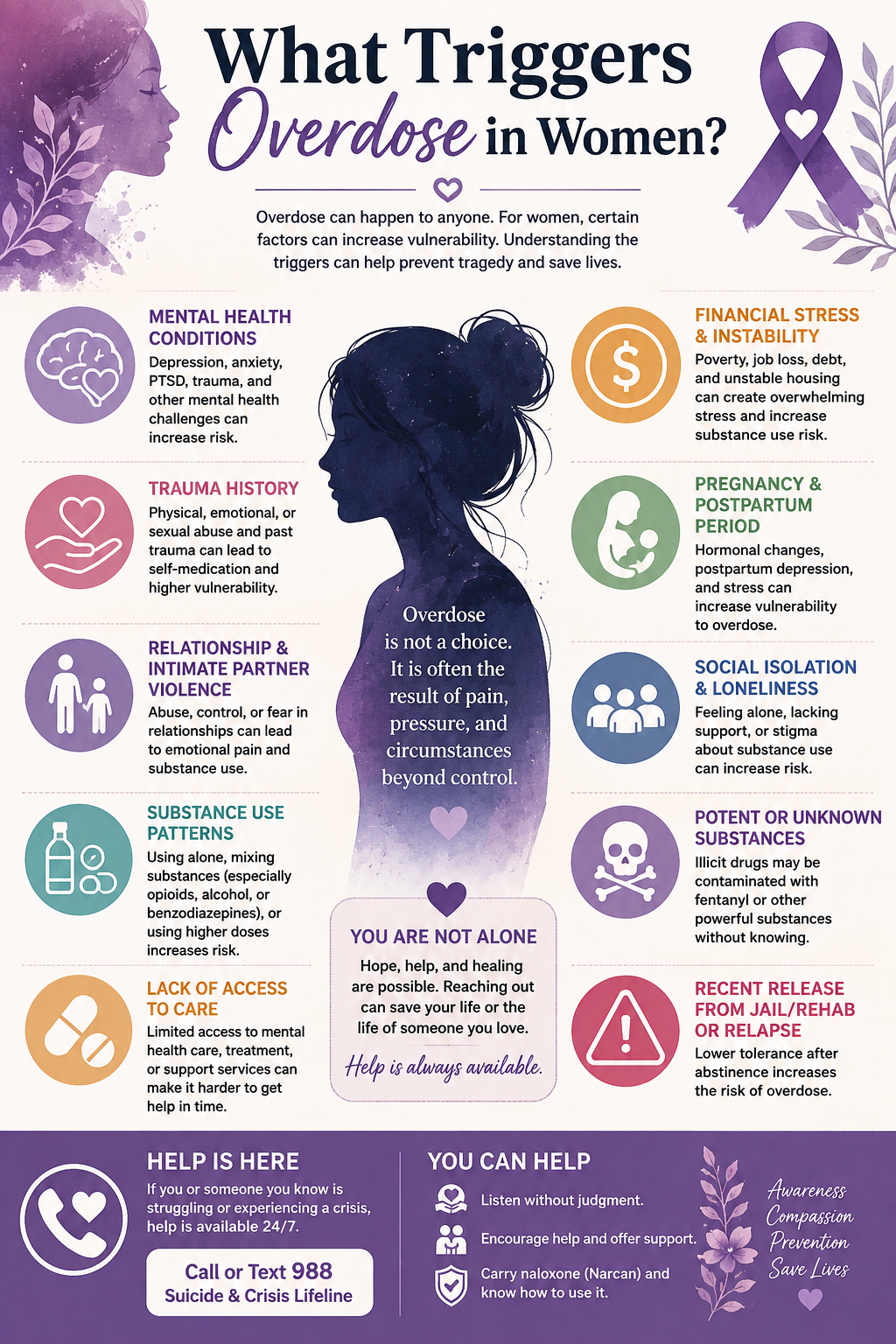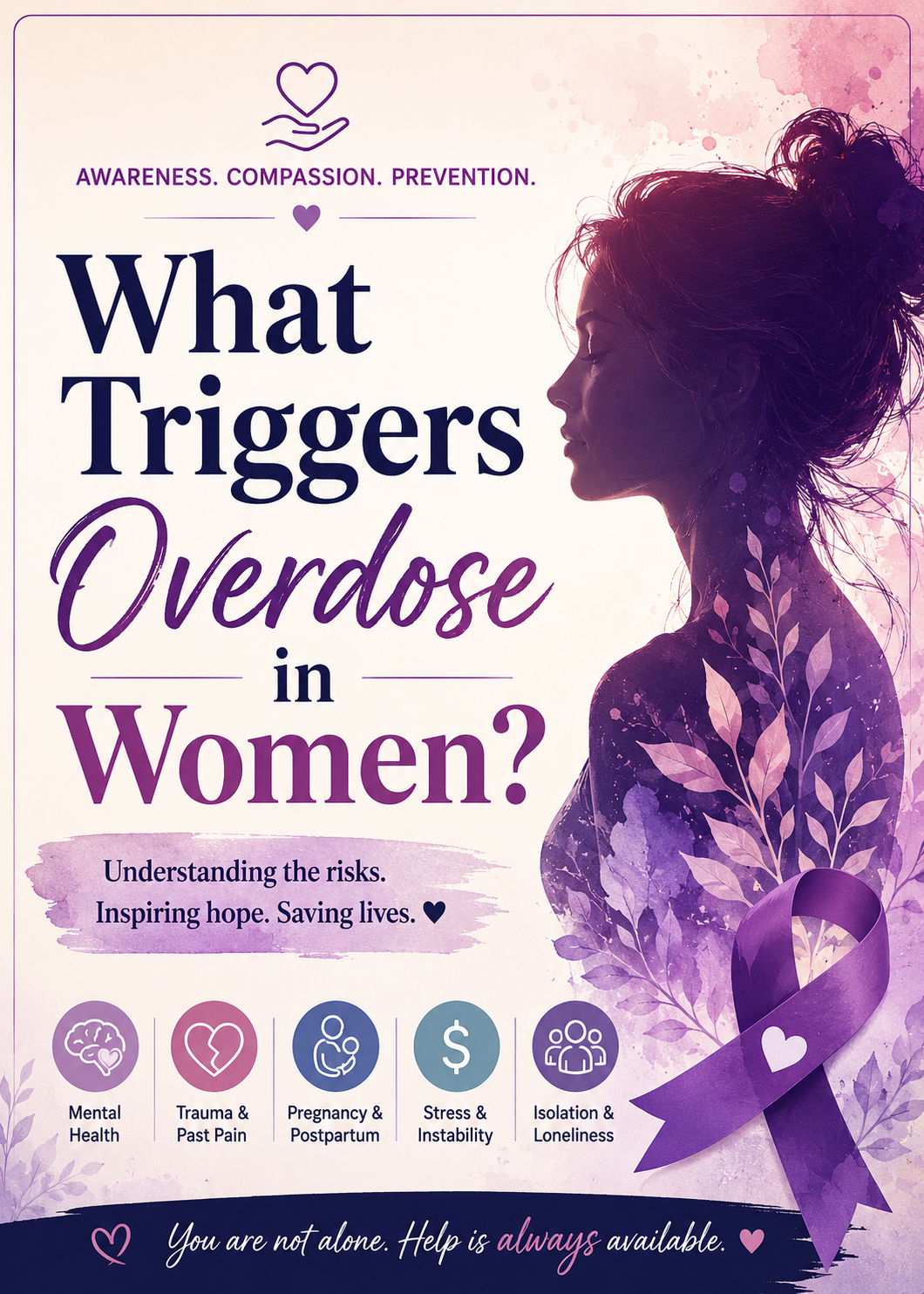
Overdose in women is a growing problem that doesn’t always get the attention it deserves. Many people think overdose is mostly an issue for men, but the numbers for women are rising fast across the world. There are lots of complicated reasons for this, but one hidden trigger stands out; it’s not just about taking too much medication or risky behavior. I’m going to walk you through the overlooked factors that put women at higher risk for overdose and share some helpful ways women, families, and communities can respond.
What Makes Overdose in Women Unique?
Overdose affects everyone, but women face some challenges that make things tougher. Social pressures, underlying health issues, and even how women’s bodies process medication all play a role. According to CDC statistics, overdose deaths among women have jumped in the past decade, especially for opioids and prescription drugs.
Here’s what makes the situation different for women:
- Prescription Patterns: Women are more likely to be prescribed pain relievers and anti-anxiety medications for longer periods.
- Metabolic Differences: Biological differences can mean women experience effects more strongly or require lower doses.
- Life Circumstances: Stress, childcare, trauma, and family expectations can lead to more substance use as a way to cope.
Understanding these differences is a big step in figuring out how to help women stay safer. Research shows that many doctors may not even realize just how much these unique factors add up to for women, making it vital to keep the conversation open at every healthcare visit.
The Hidden Trigger: Undiagnosed Trauma and Mental Health Struggles
While there are lots of things to blame for rising overdose numbers, one major trigger flies under the radar: untreated trauma and mental health struggles in women. Stressful events, such as domestic abuse, sexual assault, and ongoing emotional neglect, are incredibly common. According to the National Institute of Mental Health, women are twice as likely as men to experience depression and anxiety. Yet, many women don’t get the support or therapy they need.
When trauma isn’t acknowledged or handled, substances might seem like the only relief. Medications—including prescribed opioids, sedatives, or even alcohol—can feel like a shortcut to numbing the pain, even temporarily. Over time, this can spiral into accidental misuse or overdose. Some women may even be unaware that their struggles stem from earlier trauma, making it harder to get the right kind of help. Without practical coping tools or strong support, the trap of self-medicating can become a dangerous pattern.
Getting a Handle on Key Risk Factors
Being aware of risk factors helps women avoid overdose and make healthier choices. Here are a few things I think really matter:
- Mixing Medications: Combining pain pills with anxiety medicines (like benzodiazepines) or alcohol is really risky, but it’s more common than most people think.
- Prescription Overlap: Several doctors might unknowingly prescribe interacting drugs if they aren’t aware of the full medication list.
- Physical Health Changes: Hormonal changes, pregnancy, or menopause can change how the body handles medications, something that even doctors sometimes overlook.
- Social Isolation: Women who feel alone or unsupported are at greater risk of using substances to cope or slipping into dangerous patterns without anyone noticing.
Knowing what makes overdose riskier for women can help people catch problems earlier and take safer steps. Sometimes just having a friend check in or being aware of how your own body responds to new medications can keep things from spiraling out of control.
Practical Tips for Women and Loved Ones
- Talk About Mental Health: Honest conversations with a doctor or therapist about anxiety, depression, or trauma can open up options besides medication alone.
- Keep a Medication List: Writing down every medication (including over-the-counter products and supplements) and sharing it with each healthcare provider helps avoid dangerous interactions.
- Safe Medication Storage: Lock up or carefully track all medications at home, especially if there are kids or teens around.
- Check in Regularly With Trusted Friends or Family: Knowing there’s someone watching out makes it easier to spot when things start to go off track.
Small changes in daily habits add up; they might just save a life. Encouraging regular self-care and talking openly about stress can also make a big difference, especially for women trying to balance work, family, and personal challenges. When support feels accessible, reaching out doesn’t seem as daunting.
Common Barriers Women Face in Getting Help
Many women face real obstacles if they want to seek help for substance use or mental health trouble. Here’s what often stands in the way:
- Fear of Judgment: Worrying about being seen as a “bad mom” or as a failure at work can lead women to hide their struggles instead of asking for help.
- Lack of Access: Counseling or support groups aren’t always available, especially in rural areas or for those without insurance.
- Caregiving Responsibilities: Juggling kids, aging parents, or work often means women don’t prioritize their own health.
- Financial Stress: Even when services exist, the cost can put mental health or addiction help out of reach.
If the system made it easier for women to get quick, affordable, no-judgment help, a lot of overdoses could be prevented. Even a small subsidy or making counseling available virtually can break down some of these barriers. Community programs and peer support groups have stepped in to fill this gap in some places, showing that solutions do exist.
Signs and Symptoms That Deserve Attention
Knowing what to look for matters. These signs often show up before things get dangerous:
- Needing more medication to get the same effect
- Running out of prescriptions early
- Big mood changes, irritability, or sadness that doesn’t go away
- Withdrawing from friends and skipping activities
- Complaints of headaches, sleep trouble, or “just not feeling right”
If you recognize these in yourself or someone you care about, reaching out for help can make a world of difference. It’s crucial to remove the stigma and make these conversations routine, not rare. Sometimes even talking things through with a nonjudgmental friend can offer the space someone needs to seek professional help.
Overdose Prevention Resources and Harm Reduction Tools
I’ve seen plenty of stories where just one tip or tool helped someone avoid a serious overdose. A few things worth checking out include:
- Naloxone (Narcan): This medication reverses opioid overdoses and is safe for bystanders to give. Pharmacies in many places offer it without a prescription, making it a critical resource for families and friends.
- Text Hotlines and Support Groups: Sometimes texting feels easier than calling. Resources like the SAMHSA Helpline or local crisis lines are open 24/7 and can guide you toward support. These also allow people to remain anonymous, reducing stress about reaching out.
- Pill Packs and Blister Packaging: Organizing medication into daily doses helps prevent accidental double dosing and allows for better tracking if someone is struggling with memory or attention.
Using harm reduction tools doesn’t mean someone “plans” to misuse medication; it means they’re being careful, just in case. Everybody deserves that kind of safety net. More communities are hosting workshops to raise awareness about harm reduction and make resources easier to access. Advocates also encourage families to learn how to use naloxone, regardless of the medications they’re taking at home.
Women’s Real Stories: Why Listening Matters
I hear a lot of powerful stories from women who’ve lived through addiction, overdose, or the loss of friends and family. What comes up again and again is that understanding and support really matter. When women talk openly about their pain and trauma, it helps reduce isolation and shame. Peer networks and online communities offer connection that feels safe and understanding, even for those who can’t access traditional support.
Some women share how a single counselor, peer group, or online community turned things around for them. Their experiences remind me that connecting with others—even when it feels tough—can be a lifeline. These stories also spotlight ongoing gaps and inspire programs that are more responsive to women’s needs. Even one positive contact can spark change.
Frequently Asked Questions
It’s normal to have questions if you’re worried about an overdose or looking out for someone else. Here are a few common ones:
Why are prescription overdoses going up faster for women?
Women are often prescribed medications (like painkillers and anti-anxiety drugs) more often and for longer periods than men. Hormonal changes and stress can also make them more vulnerable to misuse or accidental overdose. Social stigma and caretaking responsibilities may also stop women from seeking early support, letting the risk grow quietly.
What should I do if I think a friend is at risk?
Start by checking in; just asking how someone’s really doing matters. If you spot warning signs, share resources and encourage them to connect with a doctor or counselor. Let them know you’re there without judgment and look up local helplines or support groups as a backup.
Does talking to a doctor help, even if I’m embarrassed?
Absolutely. Medical professionals are trained to help, not judge. Being honest about how you feel and what you’re taking gives you the best chance for safe care. Make a list of your medicines and symptoms so nothing gets left out.
Building a Safer Future for Women
The conversation around overdose in women needs to get louder, and we all have a part to play. Uncovering the hidden trigger of untreated trauma and mental health problems is really important in protecting women’s lives. By encouraging honest conversations, building stronger support networks, and making harm-reduction tools more accessible, women can feel safer and better supported in caring for their health.
If you’re worried about yourself or someone you know, remember there are resources and people who want to help. Every step toward support and understanding makes a difference. The path to preventing overdose in women starts with compassion, awareness, and persistent community effort.
Video: What Triggers Overdose in Women