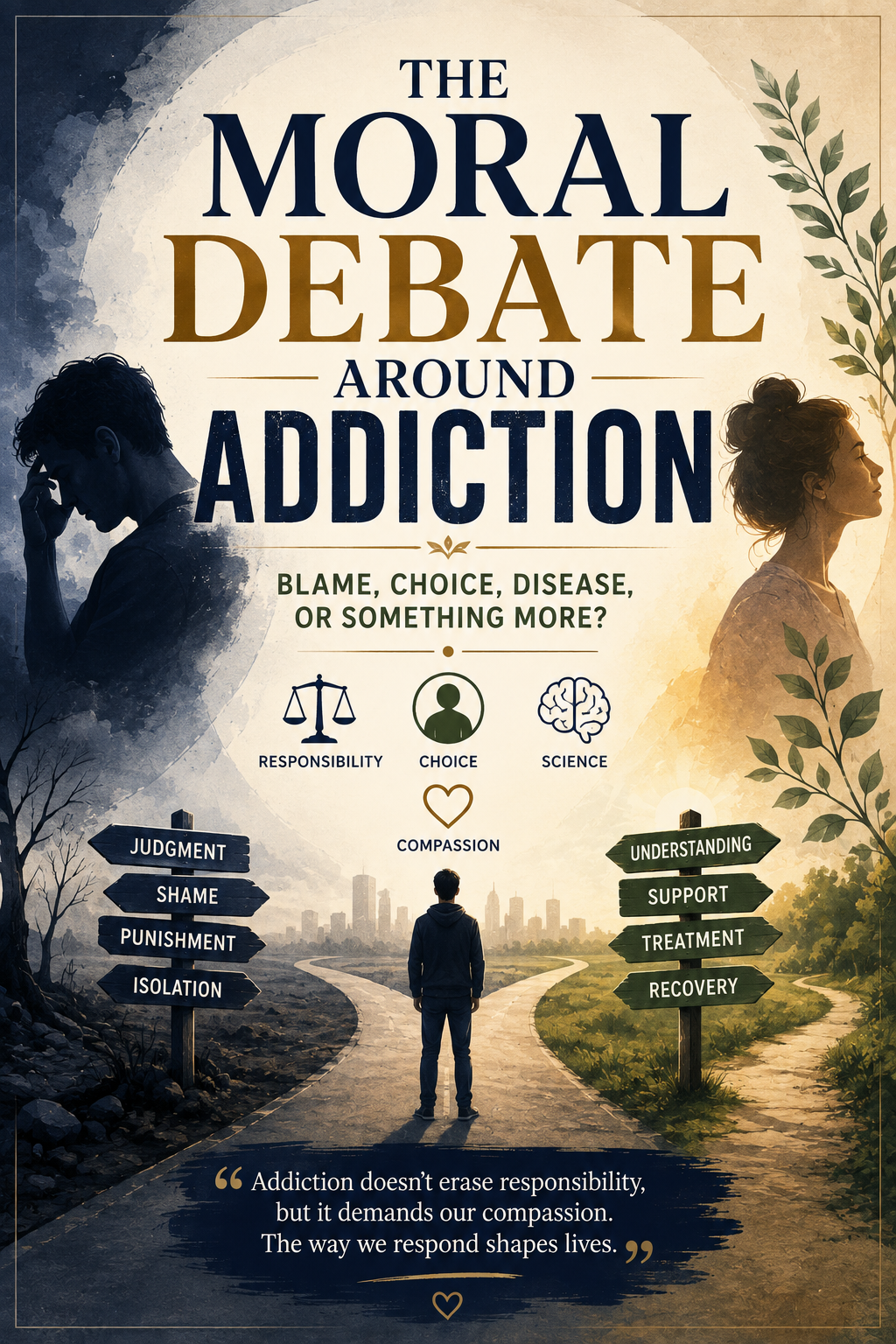
Addiction raises some challenging questions about responsibility, personal choice, and the ways in which we support people who are struggling. As I’ve learned more about addiction, the complexity of these issues becomes clearer. It’s tempting to view everything in black-and-white terms, but real-life stories and experiences clearly show that addiction is rarely that simple. In this article, I’ll dig into what shapes addiction, who’s responsible for different aspects, and how compassion has an important place in the conversation.
Understanding the Nature of Addiction
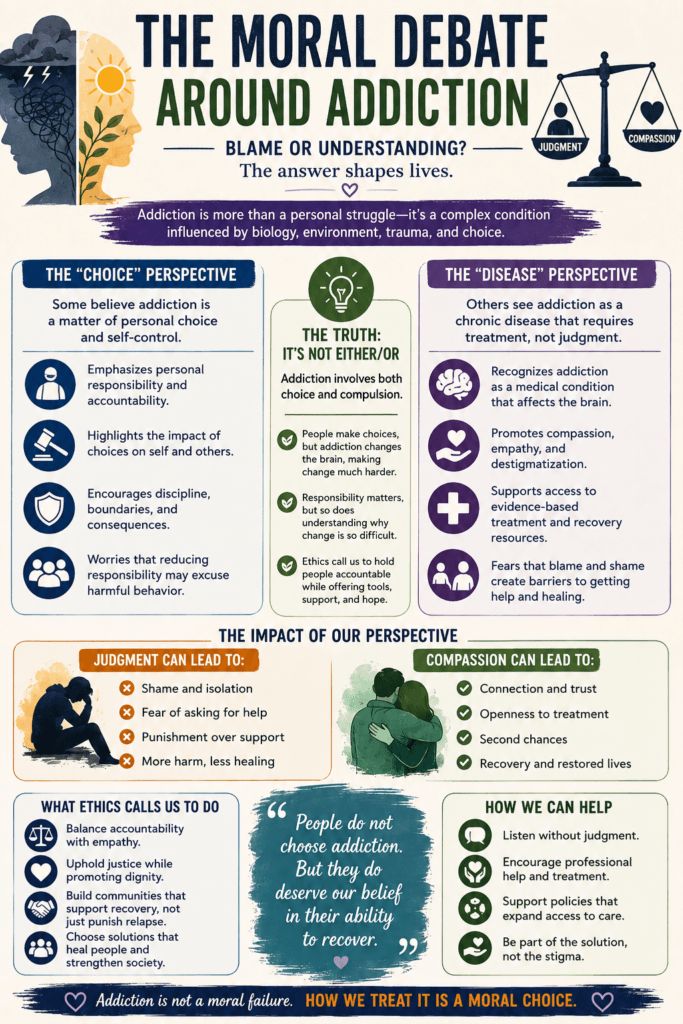
For much of history, society considered addiction to be a matter of willpower—a mere personal weakness or conscious choice. While those attitudes are still common, research has painted a much more nuanced picture. The National Institute on Drug Abuse explains that addiction is a chronic brain disorder that alters brain function, especially in areas tied to reward and self-control. (See more here). These changes make it much harder for people to simply “choose” to stop using substances, even if they have a strong desire to quit.
Each person’s path into addiction is unique. Factors like genetics, upbringing, community, mental health, and trauma all play a part in shaping a person’s risk. Someone with a genetic predisposition or untreated anxiety may be more vulnerable, while environmental factors like poverty or lack of support can further increase the risk. Not all who use drugs or alcohol will become addicted, and not every story unfolds in the same way. That’s why one-size-fits-all judgments and solutions rarely work.
Responsibility and Blame: Where Do They Land?
A key ethical question involves responsibility: When someone develops an addiction, where does the responsibility fall? Initially, it might seem like a personal failure, but given the many factors at play, it’s evident that the issue isn’t straightforward. Yes, individual choices play a part, but choice alone doesn’t explain why some people become trapped in addiction while others do not.
It’s important to separate responsibility from blame. While responsibility means recognizing what we can control and taking steps to improve, blame tends to focus on shaming and labeling, which often hinders positive change. By placing all blame on individuals, we ignore broader contributors such as prescribing habits, gaps in healthcare, a lack of community support, and economic hardship. These systemic factors can pave the way to addiction before a person even realizes the risk they’re facing.
Choice and Free Will: Is There Always a Choice?
This is one of the trickiest areas. Someone might feel totally in control during the early stages of substance use—which may be true for a time. However, as addiction develops, it begins to reshape brain pathways related to motivation and decision-making. Scientists have found that those with addiction often experience severe cravings, anxiety, and withdrawal symptoms that can overwhelm even the strongest intentions to quit.
So, is choice always possible? Technically, yes, but with addiction, the odds are stacked against making healthy decisions. The process of recovery usually starts with some degree of personal choice, such as reaching out for help, but critically depends on access to tools and resources that make follow-through practical. The narrative that someone can “just choose” to stop doesn’t match up with most real recovery stories.
Compassion as an Ethical Response
Here’s where compassion finds its place. Rather than viewing addiction only through a moral lens, recognizing it as a medical and social issue clears the way for more effective support and real hope for recovery. Recent research demonstrates that compassionate approaches, such as harm reduction and judgment-free support, produce better results than approaches rooted in shame or punishment. (Learn more here).
Being compassionate does not mean excusing all behaviors. Instead, it means recognizing the difficult circumstances people face and offering practical avenues for improvement. Some steps that reflect this approach include:
- Treating addiction as a medical condition: Access to proper treatment, therapy, and medication can lower the risks associated with addiction and give people a better shot at long-term recovery.
- Providing harm reduction options: Programs such as needle exchanges or supervised consumption locations reduce harm and keep people alive while helping them feel less isolated.
- Reducing stigma: Choosing person-first language like “person with addiction” rather than labeling someone as an “addict” makes it easier for individuals to seek support.
- Encouraging personal responsibility: Compassion and accountability can work together. People in recovery often talk about taking back agency as a key part of regaining their lives.
Practical Steps for Navigating Ethical Dilemmas in Addiction
In practice, many people face tough ethical choices around addiction. Family members and communities often wonder how to help without enabling, what boundaries are fair, or how to provide hope. Below are several common dilemmas with suggestions for handling them:
- Offering Help vs. Setting Limits: It’s natural to question whether helping someone supports their recovery or sustains their addiction. Healthy boundaries allow you to provide meaningful support without burning out. Be specific about what you’re able to do, and be clear about your limitations.
- Treatment Decisions: No single treatment works for everyone. By offering choices and honoring autonomy (whether it’s therapy, medications, peer support groups, or different healing traditions), you help steer the person toward solutions that best fit them.
- How to Respond to Relapse: Relapse is a common part of many recovery adventures. If a relapse happens, a supportive response—rather than criticism—keeps the door open. It’s more likely to inspire someone to try again than to shame them.
- Talking About Addiction: The words we use carry weight. Describing someone as a whole person, rather than reducing them to their addiction, can make a world of difference in whether they feel able to ask for help.
Barriers to Ethical Care and Recovery
Even with the best intentions, major barriers get in the way of ethical approaches to addiction:
- Lack of Resources: Many areas have limited access to treatment or support, making it much harder for people to recover. Alongside this, financial barriers and long waitlists can block the path, no matter how motivated someone is to change.
- Social Stigma: Negative stereotypes make people less likely to ask for support and more likely to hide their pain. Reducing stigma is crucial to building compassionate and effective systems of care.
- Legal and Policy Issues: Some laws and regulations actually increase risks or punish people who are trying to make positive changes, rather than support their recovery. Advocating for evidence-based public health policies can help communities create better conditions for recovery.
Why Compassion Matters So Much
Judgment and punishment have never solved addiction issues. By giving people respect, empathy, and high-quality services, we tap into motivation and hope—keys to lasting change. When someone feels seen and supported, they’re far more likely to reach out for help and make healthier decisions.
Real-World Applications and Ethical Scenarios
The ethical issues around addiction appear in every corner of society:
- Medical Professionals: Doctors and pharmacists must balance the need for pain relief with the risk of dependency. Their decisions often depend on both evidence-based protocols and open, honest communication with patients. Allowing patients to share their story helps shape care that is both fair and effective.
- Families and Loved Ones: Supporting someone with addiction requires a balance of empathy and self-care. Knowing the difference between helpful support and enabling can be tricky, but seeking expert advice or joining support groups can help clarify things.
- Employers and Workplaces: Workplaces that offer support (such as Employee Assistance Programs or flexible leave) give people a way to address addiction without fear of immediate job loss or shame. This not only benefits the individual but also contributes to a healthier workplace overall.
- Community Policy: Local leaders set policies affecting harm reduction sites, policing, and recovery funding. Community voices and evidence-based decisions can bring real improvements and save lives.
Frequently Asked Questions
Question: Is it fair to hold people with addiction responsible for their actions?
Answer: The answer really depends on context. While individuals deserve help, they also play a role in their own recovery. Support that comes with accountability, rather than shame, yields the best outcomes.
Question: Can addiction be prevented?
Answer: Prevention is definitely possible through education, access to mental health care, family support, and smart policies. While no prevention method is foolproof, reducing early risk factors makes a significant impact.
Question: Will showing compassion encourage addictive behavior?
Answer: Actually, studies show that compassion creates safer paths to recovery. When people feel genuinely supported and not judged, they’re more willing to reach out and stick with positive changes.
Wrapping Up
The ethics around addiction aren’t easily sorted out by simple rules. Each case is shaped by a mix of biology, personal circumstances, decision-making, and sometimes just plain luck. Responsibility and compassion can be partners instead of opposites. The more we learn about addiction, the easier it becomes to offer both gentle understanding and realistic boundaries for people working toward recovery.
Going deeper into these topics with open minds helps us support wiser choices and build communities that are stronger, more resilient, and healthier for everyone.
Video: The Science of Addiction: Brain Function and Personal Responsibility