What Sobriety Celebrations Mean in Recovery Culture
For many, marking the day you quit drinking (or using) is a big deal. Some folks celebrate their sober anniversary each year, maybe even each month, especially in support groups like Alcoholics Anonymous or online communities. This type of celebration can give a real boost to motivation and create a sense of community. Public acknowledgments, eye-catching cakes saying “One Year Sober!” or big parties are now part of the mix, making sobriety look more mainstream and cheerful than ever before.
The rise of so-called “sober curious” trends alongside more traditional recovery programs is partly behind this. People aren’t just quitting after hitting rock bottom anymore; they’re choosing not to drink for health, mental clarity, or other personal reasons. Sobriety, once viewed as something you announced quietly, has started showing up everywhere from glossy magazines to TikTok challenges. There’s even a market for nonalcoholic bubbly, mocktails that actually taste good, and alcohol-free bars in plenty of cities.
This switch-up sounds great, and for many people, it is. Having your effort recognized can keep you on track when motivation dips or things get tough. Group celebrations remind folks that they’re not alone, and for many, that sense of belonging helps recovery stick for the long haul.
The Downsides of Sobriety Celebration Culture
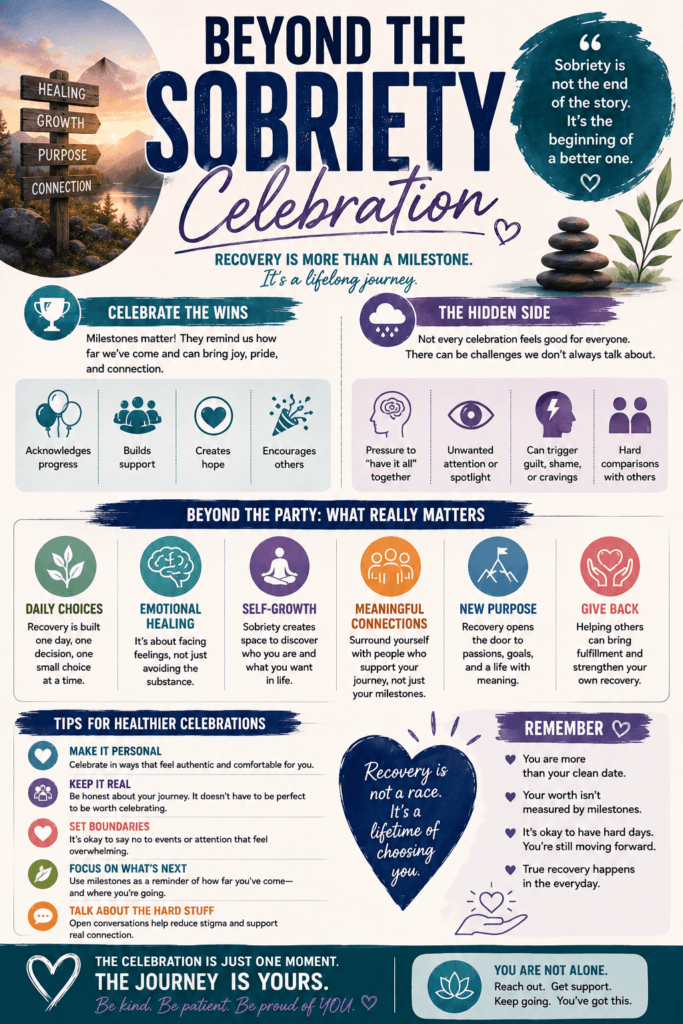
Despite all the positives, I’ve noticed that the current style of celebrating sobriety can sometimes backfire, especially for people who are still in the thick of recovery or struggling with relapse. Here’s a look at some areas that deserve more attention.
- Pressure to “Succeed” Publicly: There’s a lot of pressure to seem like you’re always doing great if your recovery is on display. If someone relapses or feels low, they might avoid reaching out because they don’t want to “ruin” the celebration or let anyone down.
- Comparison and Competitive Energy: Sober milestones can quickly turn into silent competitions. Seeing someone’s big announcement can make others feel like their own adventure is less valid or too slow, even though every path is different.
- Exclusion of Quiet or Less Outgoing People: Not everyone likes big crowds, parties, or being the center of attention. Some folks might feel left out or awkward, which isn’t exactly supportive.
- Simplifying Recovery: These celebrations can accidentally send the message that sobriety is a finish line, not an ongoing process. Real recovery, though, is full of ups and downs and looks different for everyone. A cake or a party might not capture the ongoing inner work required.
It’s also worth noting that sometimes well-intentioned events can overshadow more introverted participants or those who find crowds draining. For some, a small, private moment — like a thoughtful message or a one-on-one coffee — means more than a big public gathering. Being honest about what feels good in a celebration helps meet everyone’s needs.
Understanding Social and Emotional Triggers
Cueing up a soberversary party isn’t always helpful for everyone in the room. For some, the focus on not drinking can actually highlight cravings or complicated feelings. Seeing everyone clink glasses, no matter what’s in them, can be enough to stir up nostalgia or sadness about old coping habits, especially for people in early recovery or those who are feeling shaky about their progress.
Even well-meaning questions or attention can create stress. Hearing “How’s your willpower holding up?” or “Bet it feels amazing, right?” can feel overwhelming or pressure-filled instead of motivating. Remember, not everyone’s adventure in recovery is linear or totally positive; even after years sober, tough days happen.
The complicated emotions around triggers and attention deserve special mention. If you’re supporting someone in recovery, keep an eye out for signs they may feel overwhelmed. Simple acts of validation—like quietly asking how someone is really doing—can mean a lot more than any social media shoutout. Plus, respecting boundaries about what kinds of celebrations are comfortable can prevent unwanted stress.
Stigma, Relapse, and the Fear of Letting People Down
One of the main issues with high-profile sobriety celebrations is the shadow it casts when people stumble. Relapse is part of many people’s story, and it doesn’t mean failure, but seeing others post their year markers can sometimes spark shame or isolation rather than hope. The idea that you’re expected to keep racking up more “sober time” adds to the sense that a slip-up wipes the slate clean, instead of being a reason to ask for help or get back on track.
Public celebrations can sometimes add to the stigma. If someone you know relapses but sees nonstop sobriety posts, they might hesitate to reach out. They may feel like the only one who’s struggling or fear being judged for not keeping up. That isolation can make getting back on track more difficult than it needs to be.
There’s also a risk that friends and family, wanting to help, might not realize how a relapse can feel when it comes after a widely celebrated milestone. It’s easy to misunderstand these moments, but responding with patience, encouragement, and a focus on getting back on track is much more helpful than assigning blame or suggesting that progress has been erased.
What Healthy Sobriety Recognition Looks Like
There are ways to make sure sober celebrations feel supportive rather than stressful. Here are a few ideas I’ve seen work well:
- Private and Personalized Acknowledgments: For some folks, a heartfelt message, quiet dinner, or even just a card means more than a huge bash. Checking in on how someone actually feels, not just counting their “days sober,” keeps the focus on health, not the scoreboard.
- Inclusive Events: Organizing gatherings that center on activities unrelated to alcohol or public announcements helps people relax and connect in ways that feel genuine.
- Honest Conversations: Sharing the harder sides of recovery, rather than glossing over them, helps others know it’s normal to struggle. Real talk about triggers and setbacks can actually make the whole group stronger.
- Support During Relapse: Offering understanding if a friend slips up (instead of disappearing or ignoring it) makes a big difference. A single tough moment shouldn’t overshadow everything else someone’s achieved.
Even a simple “thinking of you” text can remind someone that their journey matters, regardless of whether it’s a milestone day or a struggle. Encouraging authentic conversations about mental health and sobriety, both online and face-to-face, can give everyone a more balanced perspective.
Sobriety and Identity Beyond Social Media
Social media plays a significant role in shaping how we celebrate. Some people find sharing their progress very rewarding, but digital spaces can also turn recovery into a popularity contest. For those watching from the sidelines, these posts might spark FOMO (fear of missing out) or create a false sense that everyone’s recovery is “perfect.”
Building your identity as a sober person doesn’t need to be public-facing or dramatic. Many folks find that simply living out their values day-to-day says more than a viral TikTok or a wall of congratulatory comments. Finding smaller moments that feel meaningful, like reconnecting with a hobby or just having an honest check-in, often matters more in the long run.
Offline recognition, like a handwritten note from a close friend or a private conversation with a mentor, can sometimes have a bigger emotional impact than a thousand likes online. Remembering that value isn’t measured in “how many people cheered,” but in true connection, can keep things on track.
Navigating Tricky Situations: What to Watch Out For
Sobriety milestones and parties can bring up some awkward or painful situations. Here are a few examples that have come up in my own experience and from talking with others in the recovery community:
- When a group organizes a party for someone who’d rather keep their sobriety low-key, it can feel embarrassing or invasive, even though the intention is good.
- If a relapse happens close to a celebrated milestone, people might feel extra guilt or disappointment, fearing they’ve let supporters down.
- Sometimes, celebrations can trigger nostalgia for “old times,” making it tougher to stay strong when faced with cravings.
Being mindful of how and why celebrations happen, and keeping lines of communication open, can help steer clear of some of these bumps.
Another issue is the way coworkers or extended family might want to set up a surprise recognition, not realizing that this could stir up anxiety. Asking before organizing anything big and prioritizing choice over surprise can help ensure the celebration matches the person’s comfort level.
Frequently Asked Questions
Here are some questions that come up quite a bit around this topic:
Question: Should I celebrate my sober anniversary publicly?
Answer: It totally depends on your comfort level. Some find public celebration motivating, while others prefer to keep things private. What matters most is what feels right for you and your progress, not what others are doing.
Question: How do I handle feeling left out or triggered by others’ celebrations?
Answer: Acknowledging those feelings is the first step. Reaching out to a sponsor, therapist, or supportive friend can help. Focusing on your own adventure is really important, no matter how others choose to celebrate.
Question: What if relapse happens after reaching a milestone?
Answer: Relapse is a part of many recovery stories, not the end. Asking for support right away, being gentle with yourself, and focusing on your next steps help you get back to where you want to be.
Key Takeaways for a Balanced Approach to Sobriety
Sobriety celebrations can build much-needed encouragement and connection, but they also come with potential downsides. Focusing on what works for each individual—private or public, big or small—matters more than any tradition or social trend. Real recovery is about ongoing choices and support, not just a single milestone date. Whether celebrating, supporting, or simply passing the day quietly, empathy and honesty go a long way in making sobriety something truly worth honoring, no matter what it looks like.
Wrapping up, it’s important to step back and realize that there is no single “right way” to cheer on sobriety. Allowing space for various kinds of recognition, encouraging open dialogue, and embracing everyone’s unique adventure make room for growth—for individuals and the communities supporting them. Ultimately, real support shows up as understanding and respect for where each person is on their path.
Video: The Journey to Lasting Recovery: It’s Not Just About the Days