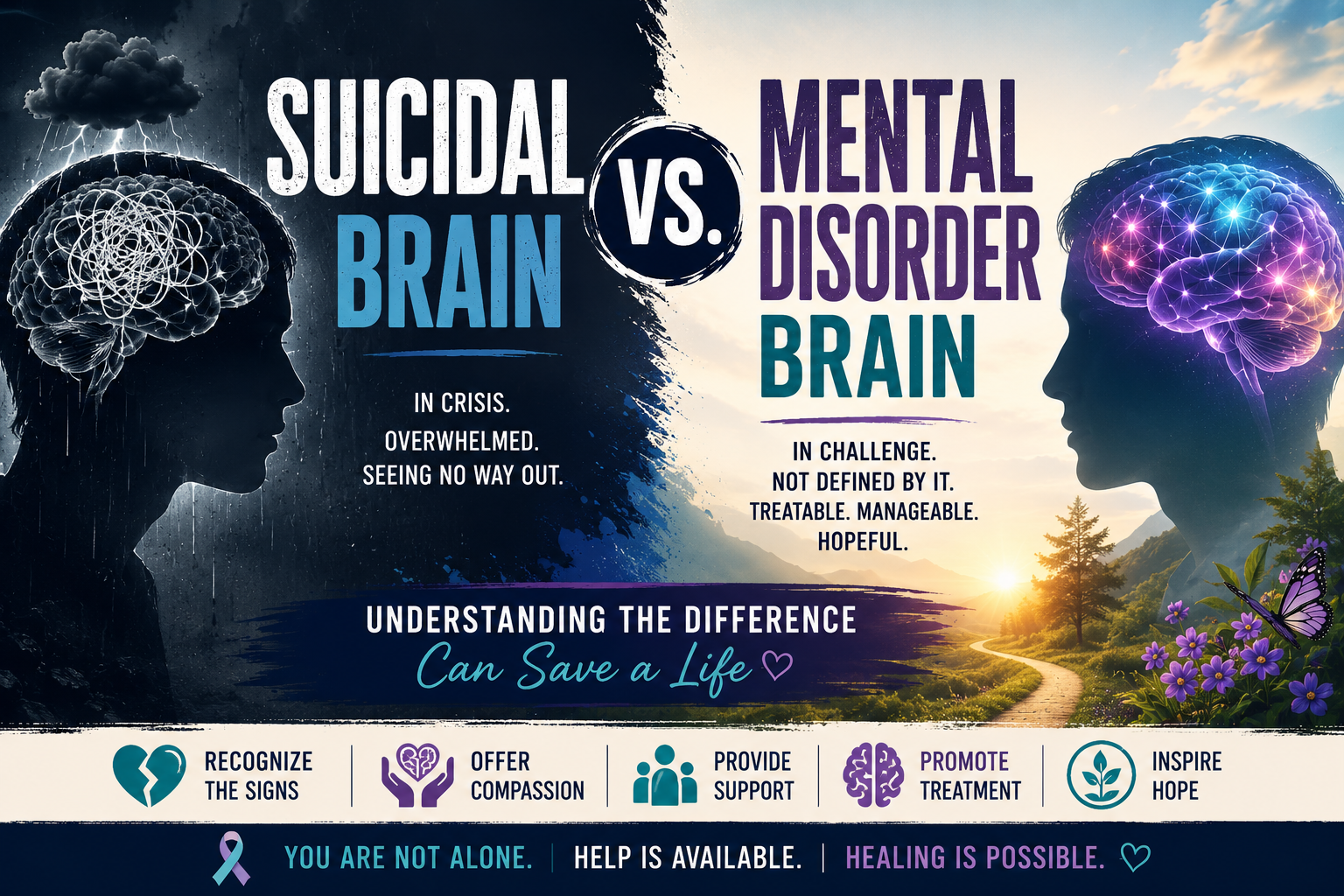
If you’ve ever wondered how a brain affected by suicidal thoughts is different from one struggling with other mental health disorders, you’re not alone. It’s a complex area with lots of overlap and confusion, but understanding what really sets them apart can make things a lot clearer. I’m going to walk you through the basics, provide some background, and share some useful info on how research and real-life experience come together to paint a better picture.
Getting Clear on Suicidal Brain vs. Mental Disorder Brain
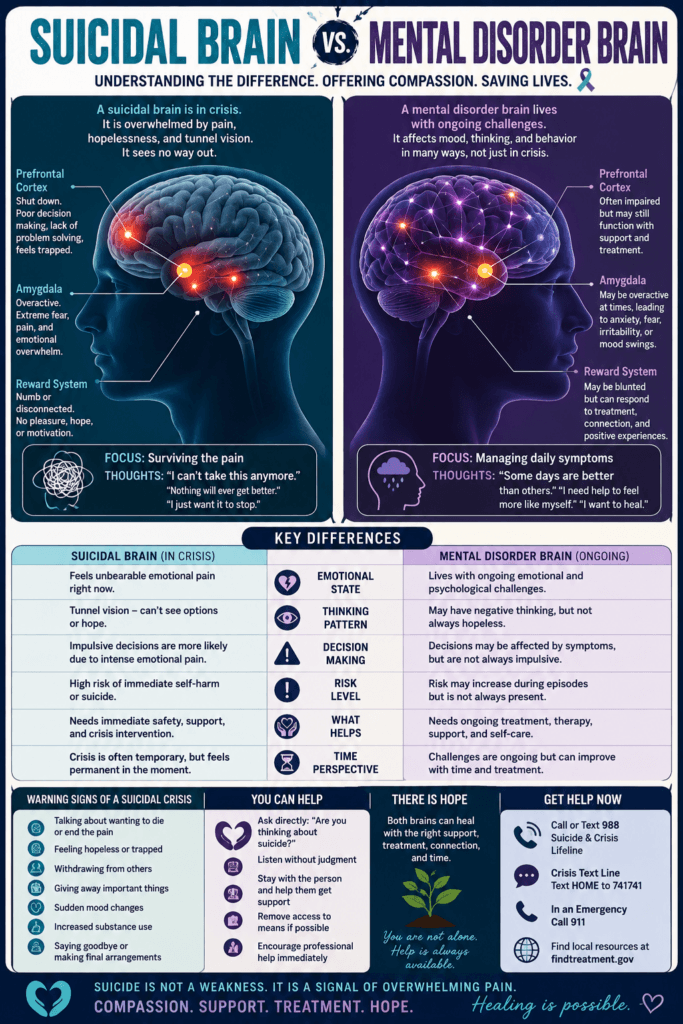
There’s a lot of talk about “mental health,” but not everyone knows that suicidal thoughts and actions aren’t always rooted in the same brain patterns as conditions like depression, anxiety, or OCD. Most people with a mental disorder never attempt suicide, while some who die by suicide don’t have a diagnosed mental illness. These differences aren’t random; they’re reflected in how our brains function and react under stress, trauma, or intense emotions.
The really important thing to remember is that the “suicidal brain” isn’t a clinical diagnosis but a way researchers describe patterns and risk factors that show up in brain imaging, chemistry, and behavior. While a “mental disorder brain” can refer to a wide range of changes seen in disorders like depression, bipolar disorder, PTSD, and others, the patterns connected to suicide have specific traits worth knowing about.
How the Brain Works With Mental Disorders
Neuroscientists have learned a lot about what happens in the brain during different mental illnesses. Here are some basics I find really helpful:
- Depression: Tends to show less activity in the prefrontal cortex (the part that helps with decision-making and emotion regulation) and changes in neurotransmitters like serotonin and dopamine.
- Anxiety: Often involves an overactive amygdala (the brain’s alarm center) and issues balancing fear responses.
- Bipolar Disorder: Features swings between high activity (mania) and low activity (depression) in regions like the limbic system and prefrontal cortex.
- PTSD: The brain gets stuck in “fight or flight” mode, and memories or trauma cues trigger overreactions.
Most mental disorders come with changes in brain structure, function, and chemistry that can often be seen in scans or measured with special tests. But these patterns don’t always predict suicidal thinking.
What Happens in the Suicidal Brain?
Researchers use brain scans, interviews, and even blood tests to study people who’ve recently thought about or attempted suicide. Here’s what stands out to me about the suicidal brain:
- Disconnection in Decision-Making Centers: Decreased activity in the prefrontal cortex and related brain circuits makes it hard for someone to weigh long-term consequences or resist impulsive actions.
- Overloaded Emotional Pain: Some areas, such as the anterior cingulate cortex (involved in processing pain and emotions), are more active, which can make emotional pain feel unbearable.
- Weaker Impulse Control: The shutdown or misfiring of areas that help us put on the brakes increases the risk of acting quickly on suicidal thoughts without thinking things through.
- Different Serotonin Pathways: While low serotonin is linked to depression, even more serious drops (especially in certain brain circuits) have been noticed in people who act on suicidal thoughts.
These differences can show up whether someone has an underlying mental disorder or not, so the suicidal brain isn’t just the “end state” of another condition. It’s a unique phenomenon often marked by its own risk factors.
Making Sense of the Overlap and the Differences
It’s easy to think of suicide as just a side effect of depression or anxiety, but experts know it’s a lot more complicated. Here’s how the two ideas relate, plus where they split:
- Overlap With Mental Disorders: Many people who think about or attempt suicide also deal with another mental health issue. The pain from that condition, like hopelessness from depression or agitation in bipolar disorder, sometimes pushes people toward suicidal thinking.
- Unique Risk Factors: The brain patterns in people who attempt suicide are often more linked to problems controlling impulses, tolerating distress, or reacting to social exclusion, not just mood shifts or panic.
- Can Occur Without a Diagnosis: Some folks with no diagnosed mental disorder experience a perfect storm of stress, trauma, and isolation that flips a switch in the brain, leading to suicidal thoughts or actions.
Real World Example
A person dealing with major depression may have lots of sad thoughts, low motivation, and trouble sleeping, but may never even consider suicide. Meanwhile, someone facing a sudden financial crisis, relationship loss, or serious argument might act impulsively on a suicidal urge even if they seemed mentally stable before. The difference often comes down to how their brains handle stress, emotion, and decision-making in the moment.
What Causes These Brain Differences?
There’s no single answer, but genetics, environment, and life experience all play a role. Here are a few pieces I’ve found really interesting:
- Family History: Having close relatives who died by suicide or struggled with mental illness can shape how your brain processes stress and emotions.
- Life Trauma: Childhood neglect, abuse, bullying, or losing a loved one changes developing brain circuits and increases vulnerability to suicidal thoughts.
- Substance Use: Alcohol and drugs mess with impulse control centers, pushing people closer to acting on dangerous thoughts.
- Brain Injuries: Concussions and traumatic brain injuries (TBIs) can increase suicide risk by seriously messing with impulse control and emotion management regions.
These factors interact with underlying mental health disorders, but can all be risk factors on their own. It’s the sum of these influences that shapes how the brain responds under pressure.
Quick Reference: Key Differences Between Suicidal Brain and Mental Disorder Brain
- Decision-Making Patterns: A suicidal brain struggles more with impulse control and considering long-term effects, while mental disorders vary in their impact on decision-making.
- Response to Emotional Pain: Emotional distress in suicide risk is sharper and less manageable compared to most other mental disorders.
- Relation to Diagnosis: Mental disorders are diagnosed based on long-term symptoms. Suicidal crises can hit suddenly, with or without a diagnosis.
- Lasting vs. Acute Changes: Mental disorders create lasting brain changes; suicidal states can be short-term but extremely severe.
- Triggers: The suicidal brain reacts strongly to sudden losses, humiliation, or arguments, while mental disorders often have chronic stressors.
Challenges and Risks That Make a Difference
Coping with these brain differences means facing unique challenges. Here’s what stands out for each:
- Risk of Acting Quickly: People in a suicidal crisis might act in minutes or hours, driven by impulse rather than long-term planning.
- Communication Struggles: Both groups find it tough to reach out, but someone feeling suicidal may hide their feelings until it’s almost too late.
- Stigma and Shame: There’s still a lot of shame around suicide that’s separate from the stigma of mental illness. People need to know they’re not alone; open conversations help break down these walls.
Impulse Control
Impulse control plays a big role in suicide risk. Those brain regions responsible for thinking through decisions don’t always work well in a crisis, which can be a dangerous combination if substances like alcohol are involved.
Emotional Numbness or Overload
Some people describe suicidal feelings as either total numbness or overwhelming pain. This is different from the steady sadness or nervousness that can show up with other mental health issues and is often due to spikes in the parts of the brain responsible for emotional responses.
What Can Help: Strategies for Both Types of Brain States
- Therapy: Cognitive behavioral therapy (CBT), dialectical behavior therapy (DBT), and other talk therapies have shown solid results for both reducing suicide risk and managing mental disorders.
- Medication: Prescriptions like SSRIs help balance neurotransmitters, but aren’t a quick fix for impulsive suicidal urges.
- Safety Planning: Creating a step-by-step plan for what to do in a crisis really matters; you can do this with a therapist or a supportive friend.
- Community Support: Finding people to talk to, whether online, in a support group, or with one trusted friend, makes a big difference. The sense of connection and being understood can give hope when it’s needed most.
- Reducing Triggers: Avoiding substances, getting enough sleep, and having some structure go a long way in keeping both brains safer.
In addition, practicing stress-management techniques such as mindfulness or grounding exercises can help manage the emotional intensity that sometimes leads to a crisis. Education for friends and family is key—when those around us know the warning signs, they’re better equipped to step in or give support during tough times. Finally, ongoing check-ins with professionals provide an added safety net, ensuring that care and attention continue even after a crisis has passed.
Frequently Asked Questions
Here are some common questions people have when trying to understand these differences:
Question: Can you have suicidal thoughts without any mental disorder?
Answer: Yes. Some people experience a crisis based on life stress, trauma, or other factors even without meeting criteria for a mental disorder. The brain changes in these cases are often quick and related to acute stress or impulsive action.
Question: How can someone tell if it’s just depression or if the risk of suicide is high?
Answer: Signs like talking about wanting to die, giving away possessions, acting recklessly, or seeming suddenly calm after deep distress can all signal elevated suicide risk. If in doubt, reaching out for professional help is always worth it.
Question: Are brain scans used to spot suicide risk?
Answer: Brain scans aren’t used to diagnose or predict suicide risk for individuals right now, but they help researchers understand patterns. Most diagnoses and safety planning still rely on talking to the person and looking at behavior.
Key Takeaways
Brains affected by suicide and mental disorders can look similar on the surface but act very differently under the hood. Identifying those differences helps doctors, loved ones, and at-risk individuals get the right support at the right time. Staying informed, knowing the warning signs, and being ready to reach out really matter for safety and recovery.
If you’re worried about someone’s safety (including your own), reaching out to a crisis helpline or mental health professional can make a real difference. Nobody has to figure this stuff out alone.
Video: Suicidal Tendencies vs Mental Health Issues: A Brain-Based Comparison