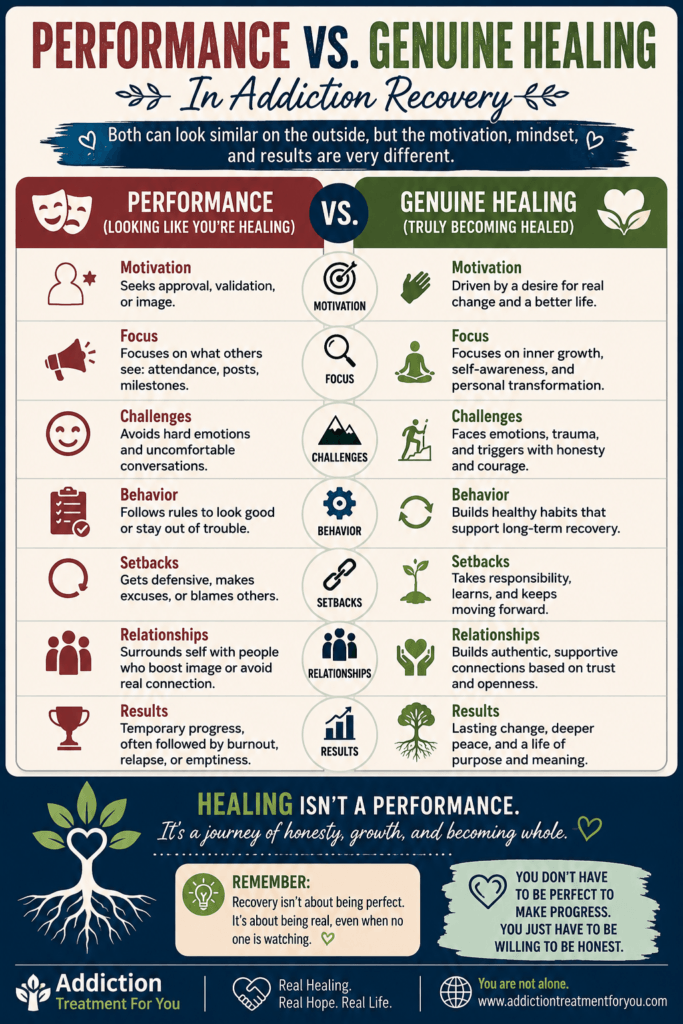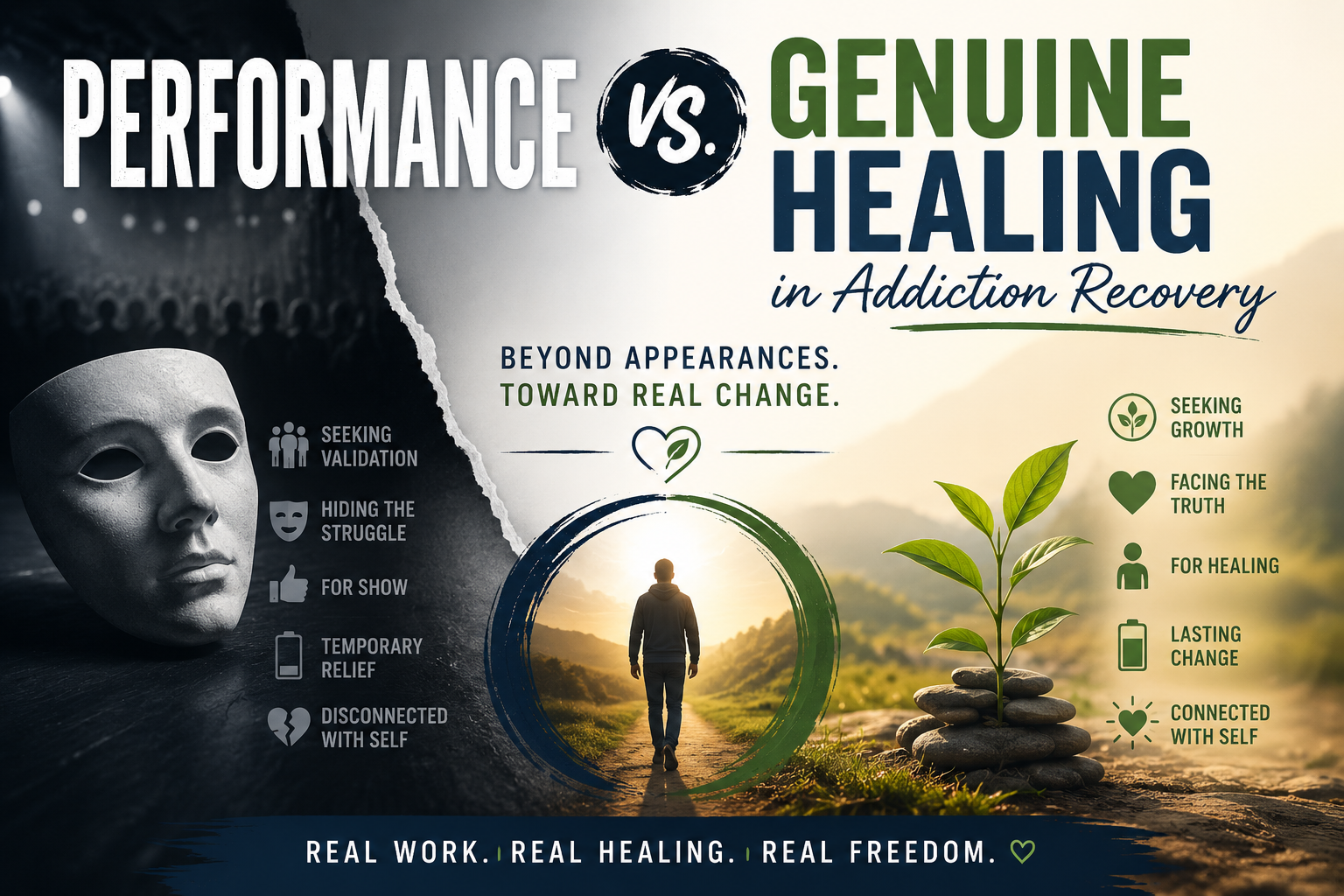
Sometimes, it’s not easy to tell the difference between someone who’s genuinely healing and someone who’s just performing the idea of healing. I’ve seen a lot of talk about “self-care” and “wellness,” but not everything that looks like progress on the outside actually matches what’s going on inside. Understanding the differences between performance and real healing helps you check in with yourself, avoid burnout, and support others more honestly.
Why People Might Perform Healing
First off, it’s pretty natural to want to look like you have things together. Social media and peer pressure push people to show progress even when what’s happening inside doesn’t match how they act in public or online.
Sometimes, performance comes from a genuine wish to get better. People might repeat affirmations, attend group therapy, post motivational quotes, or talk openly about their “adventure,” but underneath, the old habits and pain haven’t actually changed. Performing healing is often about fitting in or meeting expectations rather than about making real change.
Genuine healing, on the other hand, is quieter. It happens in private moments, in small changes, and in a gradual rebuild. Nobody claps when you say no to something that drains you, decide to rest, or finally let go of an old grudge. But these choices add up and actually make life feel lighter over time.
Spotting the Signs of Performance Healing
Some habits or patterns can repeat for people who are more focused on performance than on genuine change. Here are a few you might notice, either in your own patterns or in others:
- Talking more than doing: There’s a lot of focus on sharing updates or giving advice rather than quietly taking care of the basics, like rest or therapy.
- Seeking external validation: There’s relief when others notice “how far you’ve come,” but a lot of discomfort when nobody’s watching. The approval of friends, followers, or family becomes more important than your actual feelings.
- Rapid, surface-level changes: You might spot quick lifestyle changes, new diets, routines, or philosophies that come and go. Underneath, the root issues stay the same.
- Sticking to a script: Using all the right words about boundaries, mindfulness, or trauma, but struggling to practice these ideas in tough moments.
Spotting these signs doesn’t mean judging yourself or others. It just lets you ask: is what you’re doing helping you feel better, or just look better?
What Genuine Healing Actually Looks Like
Healing for real isn’t a neat process. The growth often looks messy up close, but there are a few reliable ways it tends to show up:
- Consistency over time: Small steps, taken over the long haul, create changes that last. Journaling every week, keeping therapy appointments, stretching every morning, or simply allowing yourself to feel tough emotions—these routines are way more powerful than dramatic, one-time efforts.
- Comfort with setbacks: Instead of pretending everything is fixed, genuine healing makes room for off days, relapses, or big emotions. There’s a willingness to start over without being embarrassed.
- Private victories: Not every win gets posted or shared. Sometimes, what matters most is what nobody else sees, like making peace with something from your past, or sticking to a new boundary even if nobody notices.
- Real connection: You can talk honestly with people about where you’re at and accept help or feedback, even if it’s uncomfortable.
Genuine healing feels lighter and more stable because it’s about what you need rather than what others want to see. It’s less about applause and more about peace.
Common Reasons People Get Stuck Performing Instead of Healing
It’s not always clear how to switch from performing healing to actually moving forward. Sometimes, people get stuck for reasons they don’t even notice right away:
- Pressure to show progress: Friends or family expect dramatic change, so it’s tempting to exaggerate or skip the messy middle parts.
- Fear of facing pain: Digging deep isn’t easy. Sometimes, acting “healed” feels safer than doing the emotional heavy lifting.
- Lack of support: If the people around you are only comfortable with surface-level change, it’s hard to feel safe being your real, imperfect self.
- Confusion about what real healing looks like: There’s so much noise on social media and in self-help spaces that it’s easy to get mixed up. Sometimes, people just don’t know another way.
Recognizing these blocks is super important. Once you know where the pressure is coming from, you can start to look for something more real and helpful.
Practical Ways to Move Toward Genuine Healing
Making the switch to authentic healing is more about gentle steps than overnight makeovers. Here are some ideas that have helped people I know and me:
- Start small and quiet: Pick one habit or practice that’s just for you, not for sharing. It could be a few minutes of deep breathing, writing a private journal, or taking a quiet walk.
- Find safe spaces: Whether it’s a close friend, a support group, or a therapist, make time for honest conversations. Let someone in on your struggles as they are, not just when you’re making progress.
- Embrace slow changes: Don’t rush. Give yourself permission to have tough days and stick with new routines even when the excitement fades.
- Ask honest questions: Pause and ask yourself what you really need, not what would impress others. Sometimes, resting or saying no is the best step.
- Celebrate inner wins: Notice when you’ve made a small change for your own well-being, even when nobody else is clapping.
There isn’t a single path that works for everyone. Try out different tools until you notice which ones actually help you feel a little better. Pay attention to what feels authentic rather than impressive.
Potential Pitfalls on the Genuine Healing Path
Even with the best intentions, it’s easy to get sidetracked. Here are some common challenges people run into, and some ways to stay on track:
Comparison Traps
Watching other people’s progress, especially on social media, can lead to feeling behind or “not good enough.” The trick is to remember that most people only share their highlight reel. Focus on your own experience, not someone else’s timeline.
Perfectionism
Trying to heal perfectly leads to anxiety and disappointment. Real healing often means messing up, fixing what you can, and forgiving yourself when things go sideways.
Overloading on Tools
Therapy, meditation, group support, exercise—these are all useful, but it’s possible to take on too much at once. Trying everything at once isn’t a shortcut. Pick one or two habits, and give them time to work.
Genuine Healing in Everyday Life
Sometimes, the most powerful healing moments are the simplest and quietest. Here are a few ways genuine progress can show up in real life:
- Setting boundaries: Turning down an invitation because you need rest, even if it disappoints someone else.
- Feeling emotions: Letting yourself cry or feel angry without trying to hide it or turn it off.
- Making amends: Owning up to a mistake, apologizing, and moving forward, even if it’s uncomfortable.
- Taking breaks from social media: Stepping back when it’s making you anxious or stirring up comparison.
Genuine healing isn’t always pretty or easy. Often, it’s about patience, kindness to yourself, and checking in regularly about what you really need.
Frequently Asked Questions
I get a few common questions from people who are trying to figure out what real healing looks like for them. Here are some that come up a lot:
How do I know if I’m actually healing or just pretending?
Answer: Check in with yourself every so often. Are your habits actually making you feel better over time, or just keeping you busy? Honest self-reflection and sometimes feedback from someone you trust are both really useful. It’s easy to get caught up in the idea of looking better or following trends without checking what truly feels right for you. If you notice that your sense of well-being improves and your reactions to challenges become steadier, that’s a clear sign that you’re making real progress, even if it doesn’t always look dramatic or impressive to others.
Can you do a bit of both?
Answer: Absolutely. Most people “perform” a little before they find what feels real for them. The trick is to notice when performance is draining you or stopping you from trying something deeper. Allow space for both, but always keep aiming for what feels true inside. Sometimes, performance can help you build positive habits, as long as you stay aware and are honest with yourself about what gives you real comfort or relief in the long run.
What if someone around me is stuck pretending to heal?
Answer: The most helpful thing you can do is model authenticity. Share honestly about your own struggles, skip the pressure to “fix” them, and offer a listening ear instead. Sometimes, just being around someone real helps others feel safe to drop the performance, too. Remember, not everyone moves at the same pace. Support, patience, and a lack of pressure usually do more good than any advice or push toward faster results.
Parting Thoughts
Real healing doesn’t need an audience. It’s about finding habits, boundaries, and feelings that help you live lighter and more honestly. Even if nobody else notices, those quiet wins matter most. Take small, steady steps and keep checking in with yourself along the way. That’s where genuine progress really lives. Be patient with yourself and recognize that authentic growth usually happens quietly, beneath the surface, and may not always be visible—yet it’s no less important. Remember: every small step you take toward genuine healing paves the way for a more peaceful and honest life. That matters more than applause.
Video: Performance Recovery vs. Genuine Healing: What’s the Difference?