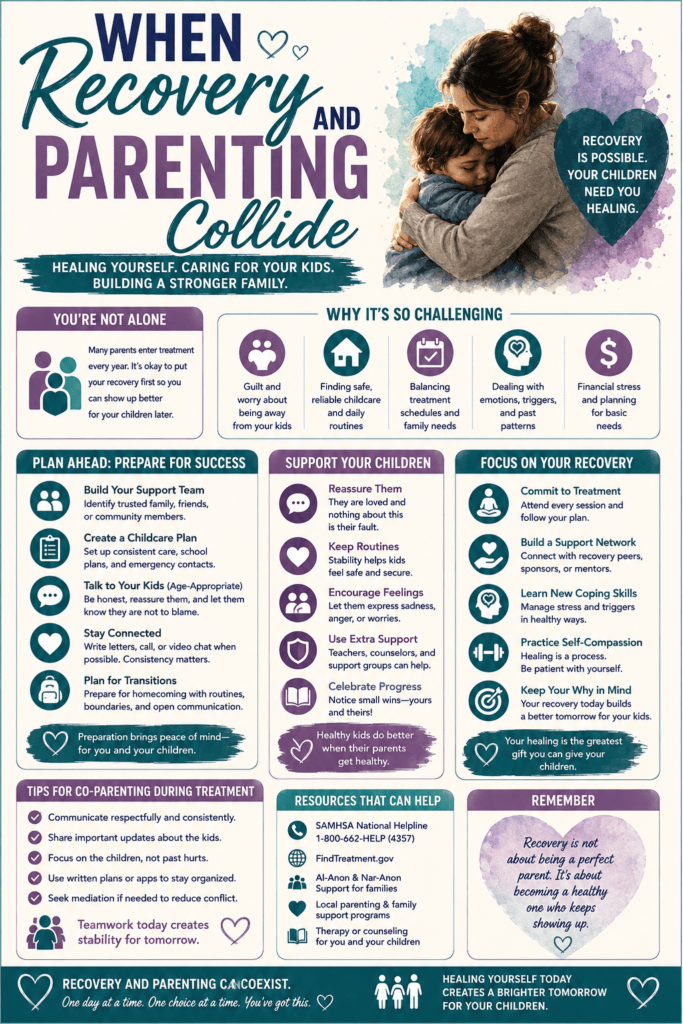
When you or your coparent faces a health challenge and needs treatment, daily family life looks a lot different. Managing kids during this time can feel like a juggling act with not enough hands to help. I’ve pulled together ways to map out a plan, keep routines steady, and get the right support so your children feel secure, even if everything else is changing. Here’s what that can look like when a coparent is sick or going through medical care.
Understanding the Impact on Your Family
An illness in the family changes the emotional climate for everyone. Kids often sense when something’s off, even before you bring it up. It helps to recognize that children—regardless of age—pick up on stress, worry, and changes in daily habits. Some kids might act out or become extra clingy. Others may try to help in their own ways by being unusually quiet or helpful.
Knowing what your kid needs often starts by watching for signs of stress or confusion. If your coparent is usually the one who packs lunches or helps with homework, you’re probably going to see some ripple effects. Keeping an eye on these changes helps guide the extra support you can offer. As days go on, staying sharp to subtle shifts in your child’s behavior can tell you a lot about what they need.
Planning Ahead for Care and Routines
Any time a parent has to start treatment, whether for an illness, injury, or something long-term, life gets disrupted. Planning ahead as much as you can saves a lot of last-minute scrambling. If you’re able, talk through the treatment schedule with your coparent and put together a rough plan for who’s responsible for morning routines, meals, and appointments.
Having a family calendar on the fridge or synced on your phones works well for many families. It shows kids what to expect, even if everything else feels up in the air. Color-coding activities or using stickers makes it easy for younger kids to follow along—visual cues simplify things.
- Find a Backup Plan: Have a short list of trusted family, friends, or neighbors who can step in if treatment or recovery gets hard. Even one or two people willing to help for a few hours can be a huge relief, especially on those days when you really need a break.
- Simplify What You Can: This isn’t the time for complicated routines or extra obligations. It’s okay to put some activities on pause or lean on convenient meal options and delivery services. The key here is to reduce stress, not add to it.
- Keep Kids in the Loop: Give your children age-appropriate information. Let them know who will walk them to school or help with bedtime if Dad or Mom can’t for a while. Small reassurances help them adjust.
Talking to Kids About Illness and Treatment
Kids usually do better when they know the basics of what’s going on. You don’t have to share every detail, but making space for questions goes a long way. Using simple language and noticing how much they want to know is always a good start.
Some things I keep in mind when talking about illness:
- Acknowledge Feelings: Say it’s okay to feel sad, worried, or even angry about changes. Sometimes drawing pictures or acting out feelings helps younger kids express what’s inside. It’s important to let them know all feelings are valid.
- Share the Truth: Using words that are honest—but not scary—builds trust. For example, “Mom has to go to the hospital to get medicine that will help her feel better. She’ll be tired and need lots of rest, but we’re all still here together.”
- Leave Space for Questions: Kids might ask about things later or in pieces as they think about them. Revisit the conversation whenever needed, and let them guide you on what they want to know more about.
Asking for Help and Building a Support Network
No one has to do this solo. Building a reliable circle of support can take pressure off both parents and kids. Small offers—like dropping off groceries, driving to soccer practice, or sitting with your child for an hour after school—add up quickly and make a world of difference.
Here are a few ways I’ve seen families build practical support:
- Lean on Your Community: Some friends or neighbors might want to help but don’t know what you need. A text group or family update page is handy for sharing updates and requests, so no one is left guessing.
- Check with Local Organizations: Community centers, parenting groups, and religious communities often offer childcare swaps, meal trains, or rideshares. These outlets can be lifelines when regular routines get disrupted.
- School Resources: Teachers or school counselors can be great allies if you let them know what’s happening at home. They might notice if your child seems extra distracted or upset and can connect you with more support. Don’t hesitate to reach out—they’re there to help.
Tips to Keep Routines Rolling (Even if Things Feel Shaky)
Kids depend on routines to feel safe, so keeping a regular pattern helps more than you might expect, even if you need to tweak things. It’s okay if life looks a little different for now—consistency where you can manage it is what matters most.
- Morning and Night Anchors: Try to keep steady wake-up and bedtime routines, even if someone else has to fill in for you or your co-parent. These anchors help set the tone for the whole day.
- Mealtimes: Even grabbing takeout or eating breakfast for dinner can bring everyone together around the table. Small rituals remind kids that life is still moving forward.
- Daily Check-ins: A five-minute chat or a “highs and lows” talk at the end of the day helps your child share how things are going and makes them feel heard.
- Homework and Chores: Make a chart or checklist kids can follow on their own. This frees up your attention and keeps the household running smoothly.
Helping Kids Process Their Emotions
Kids handle stress in all kinds of ways. Some get extra needy; others pull away. Offering a listening ear helps, even if you don’t have answers. Remind them that while things are tough right now, it’s not forever.
I’ve seen journaling, drawing, or extra playtime help younger kids work through big feelings. Teens may want more privacy, but they still need reminders that you care about what they’re going through and that their feelings matter.
Managing Guilt and Taking Care of Yourself as a Parent
It’s easy to feel like you’re not doing enough. But taking care of yourself, especially during treatment or recovery, lets you show up for your kids in small but meaningful ways. Relying on shortcuts, rest, and even moments of fun isn’t just okay—it’s absolutely necessary for everyone’s mental health.
- Take breaks when you can, even if it’s just a cup of tea after bedtime. These moments matter.
- Let go of nonurgent tasks when your energy is low. Prioritize what’s most important and give yourself grace for the rest.
- Reach out for counseling or support groups. Many communities now offer these online or locally for families dealing with illness. These resources can give you a real boost.
Remember, you can’t pour from an empty cup. Modeling self-compassion and reaching out when you need support shows your kids it’s okay to ask for help too.
Practical Tools and Resources
There are plenty of apps, online tools, and local resources that can make things easier as you juggle family needs with care responsibilities.
- Care Calendars: Tools like TakeThemAMeal.com or Lotsa Helping Hands help organize meal drop-offs and rides. These let friends contribute in concrete ways.
- Communication Apps: Group texts, WhatsApp, or Messenger groups keep everyone informed without you having to repeat updates—a useful way to handle communication overload.
- Online Therapy: Telehealth options make it easier for you and your kids to get support, even if you can’t leave the house. Many therapists specialize in helping families during challenging medical times.
- Local Resource Centers: Many towns have nonprofits or centers dedicated to family support. A quick search or call can connect you to free childcare days, donated meals, or new support opportunities.
Frequently Asked Questions
Question: How much should I tell my kids about my co-parent’s illness?
Answer: Sharing age-appropriate details helps kids understand changes without feeling left out or worried about secrets. Keep explanations simple and add information as needed over time—there’s no need to overload them at once.
Question: What if I can’t stick to routines during treatment?
Answer: Routines may not run perfectly, and that’s okay. The effort matters. Kids appreciate any predictability and reassurance you can give, even if rituals are brief or a little different.
Question: Where can I find help with childcare when my usual support falls through?
Answer: Local resource centers, schools, religious organizations, and parenting groups often provide backup options or recommendations. Don’t hesitate to ask around or check community boards online, as new help can pop up from unexpected places.
Wrapping Up
Getting through a coparent’s illness is tough for parents and kids alike. Creating a flexible plan, sharing information with your children, and building your support network go a long way toward keeping your household steady. Remember, it’s always okay to ask for help. Prioritize kindness toward yourself and make space for your kids to talk, ask questions, and process everything as you go. Even in challenging times, your family can find strength and connection by supporting each other and reaching out when needed.
Video: Addiction Recovery as a Parent: What You Need to Know