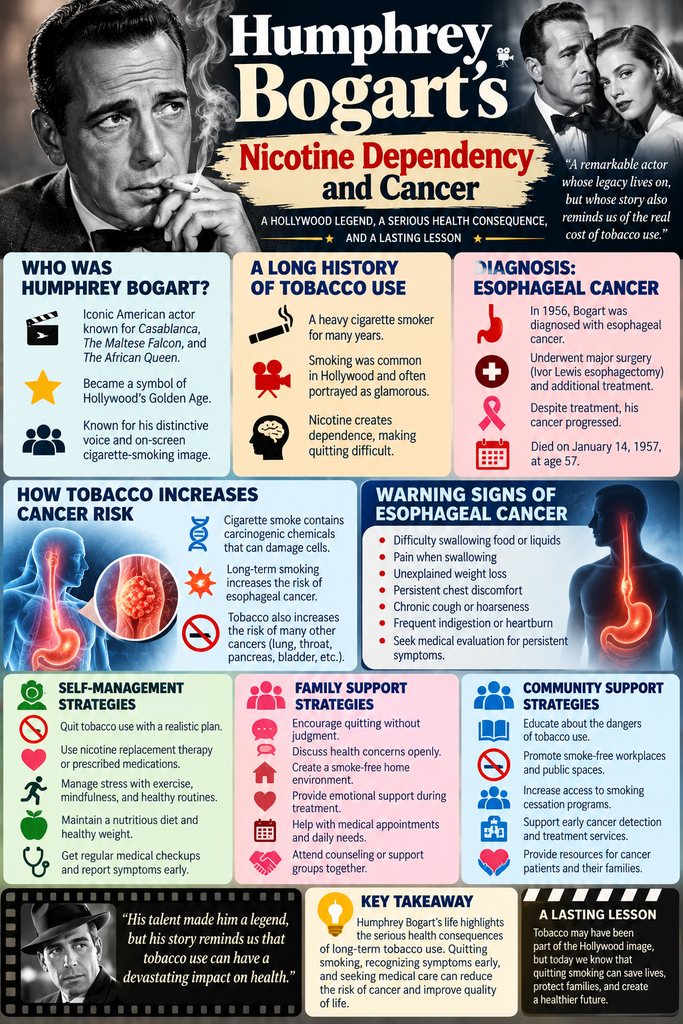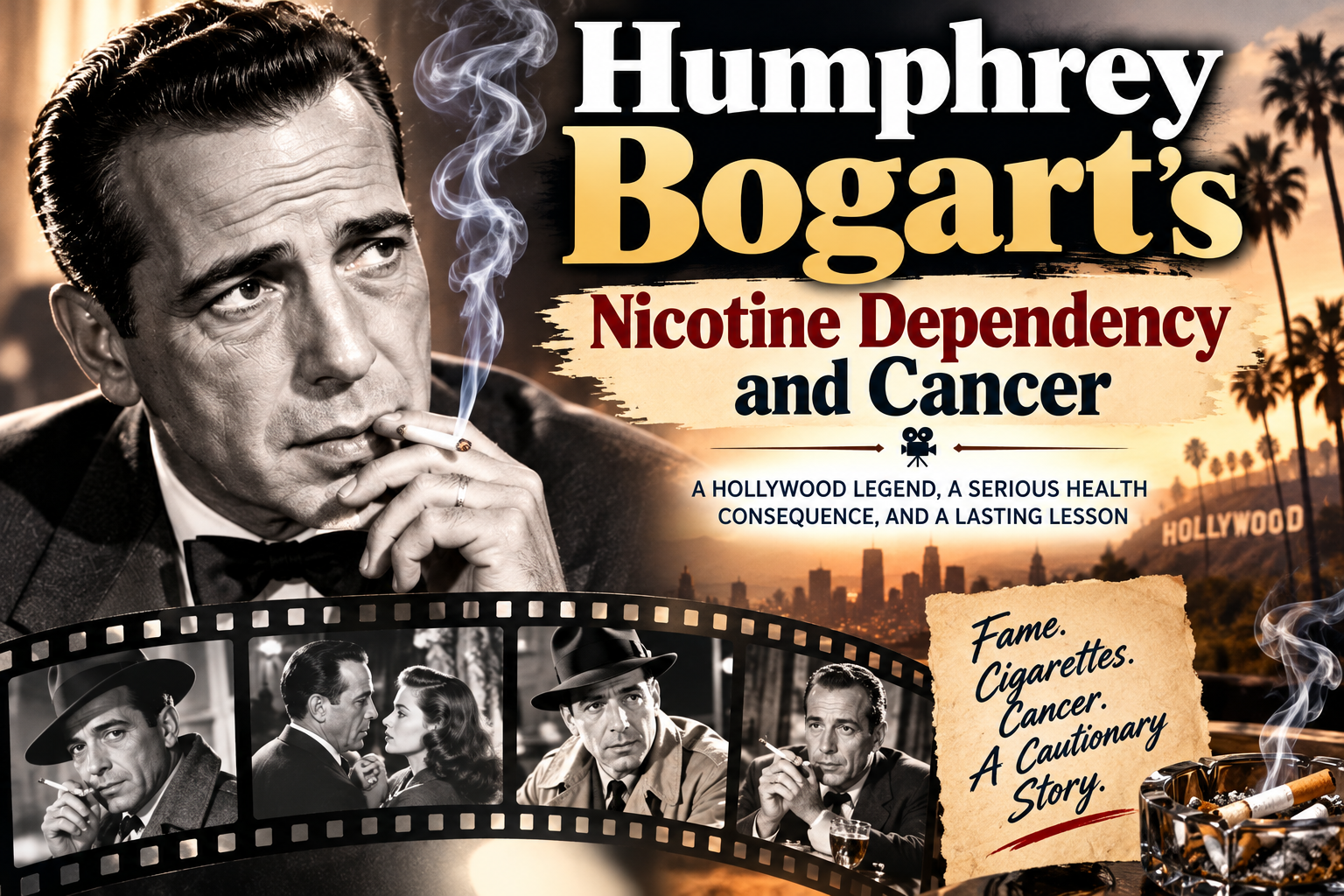
Humphrey Bogart remains one of Hollywood’s most celebrated actors, remembered for his unforgettable performances in Casablanca, The Maltese Falcon, and The African Queen. His distinctive voice, rugged personality, and frequent cigarette use helped establish an enduring image of sophistication and masculinity. However, behind his legendary screen presence was a serious health risk associated with years of heavy tobacco use.
Bogart was a longtime cigarette smoker who developed esophageal cancer in the 1950s. Despite medical treatment, his condition progressed, and he died on January 14, 1957, at age 57. His illness occurred during an era when the dangers of tobacco were becoming increasingly recognized, but smoking remained deeply embedded in American culture.
His story highlights the devastating consequences that can accompany prolonged tobacco exposure and the challenges of nicotine dependence. Although the precise contribution of smoking to his individual cancer cannot be established retrospectively, cigarette smoking is a major established risk factor for esophageal cancer.
Understanding Bogart’s experience provides an opportunity to explore the importance of smoking cessation, early cancer detection, family involvement, and community support.
Humphrey Bogart’s Smoking Habit: A Hollywood Lifestyle
During Hollywood’s Golden Age, cigarette smoking was widely portrayed as glamorous, sophisticated, and socially acceptable. Actors frequently smoked both on-screen and in their personal lives, reinforcing the association between tobacco and celebrity culture.
Bogart became particularly recognizable for his cigarette-smoking image. Smoking was a regular part of his public persona, appearing in publicity photographs, film scenes, and accounts of his personal life.
Factors That Reinforced Smoking During His Era
Several cultural and behavioral influences helped normalize tobacco consumption:
- Hollywood glamour: Cigarettes were frequently associated with confidence, sophistication, and independence.
- Social acceptance: Smoking was common in workplaces, restaurants, homes, and entertainment venues.
- Limited public awareness: Many people did not fully understand the long-term health consequences of tobacco exposure.
- Nicotine dependence: Repeated nicotine exposure can produce physical dependence and make quitting difficult.
- Advertising influence: Tobacco companies promoted smoking through celebrity imagery and lifestyle marketing.
Bogart’s experience illustrates how social norms and repeated nicotine exposure can sustain tobacco use over many years.
Importantly, his historical smoking habits should not be interpreted as proof of a formally diagnosed tobacco use disorder. However, long-term cigarette consumption is consistent with significant nicotine exposure and the potential for dependence.
The Development of Esophageal Cancer
In 1956, Bogart was diagnosed with esophageal cancer, a serious malignancy affecting the muscular tube that carries food and liquids from the throat to the stomach.
Esophageal cancer may develop gradually and remain undetected until symptoms interfere with swallowing or daily functioning.
Bogart underwent major surgery and additional treatment, but his disease continued to progress. His declining health eventually limited his ability to work and participate in everyday activities.
Understanding the Connection Between Smoking and Esophageal Cancer
Cigarette smoke contains numerous carcinogenic chemicals that can damage cellular DNA and contribute to malignant transformation.
Long-term tobacco use is especially associated with esophageal squamous cell carcinoma. Tobacco also increases the risk of other cancers, including those affecting the lungs, oral cavity, throat, pancreas, bladder, and kidneys.
Important risk factors for esophageal cancer include:
- Tobacco use: Smoking increases the risk of esophageal cancer, particularly squamous cell carcinoma.
- Alcohol consumption: Heavy alcohol use increases the risk, and combined tobacco and alcohol exposure can have particularly harmful effects.
- Chronic acid reflux: Long-standing gastroesophageal reflux disease can contribute to Barrett’s esophagus and increase the risk of esophageal adenocarcinoma.
- Obesity: Excess body weight is associated with increased risk of esophageal adenocarcinoma.
- Age: Esophageal cancer becomes more common in older adults.
Bogart’s smoking history was an important risk factor, but his exact cancer subtype and the individual causal contribution of tobacco should not be assumed without complete medical documentation.
Warning Signs of Esophageal Cancer
Esophageal cancer may not produce noticeable symptoms in its early stages. As the disease progresses, patients may experience difficulty swallowing, unexplained weight loss, and increasing discomfort.
According to the National Cancer Institute, symptoms requiring medical evaluation include:
NCI
- Difficulty swallowing solid foods or liquids.
- Pain when swallowing.
- Unexplained weight loss.
- Persistent chest discomfort.
- Chronic hoarseness or coughing.
- Frequent indigestion or heartburn.
These symptoms do not necessarily indicate cancer, but persistent or progressive symptoms should never be ignored.
Humphrey Bogart’s Cancer Treatment and Final Years
Bogart’s illness became increasingly serious in 1956. On March 1 of that year, he underwent a major operation known as an Ivor Lewis esophagectomy, involving surgical removal of cancerous esophageal tissue. Despite treatment, his disease progressed.
His wife, actress Lauren Bacall, remained an important presence in his life during his illness. The couple had two children, Stephen and Leslie.
Bogart’s declining health eventually left him severely weakened. He died in January 1957, ending a remarkable film career and leaving behind a lasting cultural legacy.
His experience reminds us that serious illnesses affect not only patients but also spouses, children, caregivers, and entire family systems.
Self-Management Strategies: Reducing Nicotine Dependence and Cancer Risk
Although Bogart lived during a period when modern smoking cessation treatments were unavailable, his story provides an opportunity to discuss how individuals today can reduce tobacco-related health risks.
1. Recognize Nicotine Dependence
Nicotine stimulates brain reward pathways, reinforcing repeated tobacco use. Over time, physical dependence can develop, making quitting difficult.
Signs of nicotine dependence include:
- Smoking shortly after waking.
- Experiencing cravings throughout the day.
- Feeling irritable or anxious when unable to smoke.
- Continuing tobacco use despite health concerns.
- Repeatedly attempting to quit without success.
- Smoking to manage stress or emotional discomfort.
Recognizing these behaviors is an important first step toward change.
2. Develop a Smoking Cessation Plan
Quitting tobacco is one of the most effective ways to reduce future cancer risk.
Helpful strategies include:
- Establish a realistic quit date.
- Identify emotional and environmental smoking triggers.
- Remove cigarettes and smoking supplies from daily surroundings.
- Practice relaxation techniques during cravings.
- Consider nicotine replacement therapy, including patches, gum, or lozenges.
- Discuss prescription medications such as varenicline or bupropion with a healthcare professional.
- Participate in behavioral counseling or smoking cessation programs.
Combining medication with behavioral support generally improves smoking cessation outcomes.
3. Maintain Healthy Lifestyle Habits
Healthy routines can support tobacco cessation and overall well-being.
Recommended approaches include:
- Participate in regular physical activity as tolerated.
- Maintain balanced nutrition and adequate hydration.
- Establish consistent sleep schedules.
- Limit or avoid alcohol consumption.
- Practice mindfulness and stress-management techniques.
- Attend routine preventive healthcare appointments.
Although healthy habits cannot eliminate cancer risk, they can improve general health and support long-term recovery.
4. Recognize Symptoms and Seek Early Medical Evaluation
Individuals with persistent swallowing difficulties, unexplained weight loss, or ongoing upper gastrointestinal symptoms should seek professional assessment.
Depending on the symptoms and risk factors, evaluation may include upper endoscopy, tissue biopsy, and imaging studies.
There is no routine population-wide screening recommendation for esophageal cancer in average-risk adults. Screening or surveillance may be appropriate for selected higher-risk individuals, particularly those with Barrett’s esophagus.
5. Manage Cancer-Related Symptoms
For individuals diagnosed with esophageal cancer, self-management should complement medical treatment.
Helpful strategies include:
- Follow prescribed treatment and medication plans.
- Report worsening swallowing difficulties promptly.
- Work with a dietitian to maintain adequate nutrition.
- Discuss pain and nausea management with healthcare professionals.
- Attend scheduled oncology appointments.
- Request palliative care when symptoms or emotional distress affect quality of life.
Palliative care can be provided alongside cancer-directed treatment and is not limited to end-of-life care.
Family Support Strategies: Compassion, Communication, and Caregiving
Lauren Bacall’s presence during Bogart’s illness highlights the importance of emotional support when a loved one faces a serious diagnosis.
Families often become essential partners in managing treatment, providing comfort, and maintaining quality of life.
1. Encourage Tobacco Cessation Without Judgment
Nicotine dependence is a medical and behavioral condition, not simply a failure of willpower.
Families can help by:
- Discussing tobacco-related health risks respectfully.
- Avoiding blame, criticism, or shame.
- Encouraging participation in cessation programs.
- Creating smoke-free home environments.
- Recognizing progress and supporting renewed quit attempts.
- Offering encouragement during nicotine withdrawal.
2. Provide Emotional Support During Cancer Treatment
A cancer diagnosis can produce fear, sadness, uncertainty, and emotional distress.
Family members can provide support by:
- Listening to concerns without minimizing emotions.
- Accompanying loved ones to medical appointments when invited.
- Helping patients understand treatment recommendations.
- Encouraging counseling or support groups.
- Respecting individual treatment preferences.
- Maintaining meaningful family connections.
3. Assist With Daily Activities and Nutrition
Esophageal cancer can interfere with swallowing and adequate food intake.
Families may help by:
- Preparing meals consistent with medical and dietitian recommendations.
- Monitoring for signs of dehydration or inadequate nutrition.
- Assisting with transportation and household responsibilities.
- Supporting medication schedules.
- Reporting changes in swallowing, pain, or general functioning.
- Encouraging appropriate rest and activity.
Patients with severe swallowing difficulties may require specialized nutritional support, including feeding tubes when medically indicated.
4. Prevent Caregiver Burnout
Family caregivers may experience emotional exhaustion, sleep disturbances, and financial stress.
Supportive strategies include:
- Sharing caregiving responsibilities.
- Scheduling regular rest periods.
- Seeking counseling or caregiver support groups.
- Maintaining social connections.
- Requesting respite care when available.
- Accepting practical assistance from friends and community organizations.
Supporting caregivers helps maintain the well-being of the entire family.
Community Support Strategies: Prevention, Education, and Cancer Care
Bogart’s illness occurred during a period when smoking was socially normalized, and comprehensive tobacco prevention programs were still developing.
Today, communities have opportunities to reduce tobacco-related disease through education, prevention, and accessible healthcare.
1. Expand Tobacco Prevention Education
Public health education can help individuals understand the long-term consequences of nicotine dependence and tobacco exposure.
Community programs should:
- Explain the relationship between tobacco use and cancer.
- Educate adolescents about nicotine dependence.
- Address misleading portrayals of smoking in entertainment and advertising.
- Promote smoke-free public environments.
- Encourage early smoking cessation.
- Provide culturally appropriate educational materials.
2. Improve Access to Smoking Cessation Services
Affordable cessation resources are essential for reducing tobacco-related health disparities.
Communities can provide:
- Free or low-cost quitlines.
- Tobacco cessation counseling.
- Access to nicotine replacement therapy.
- Primary care screening for tobacco use.
- Behavioral health treatment for co-occurring conditions.
- Follow-up services to support continued abstinence.
3. Strengthen Cancer Detection and Treatment Services
Communities can improve cancer outcomes by reducing barriers to timely diagnosis and treatment.
Important services include:
- Access to primary care and gastroenterology specialists.
- Prompt evaluation of persistent swallowing difficulties.
- Diagnostic endoscopy and biopsy services.
- Oncology consultation and coordinated treatment.
- Nutritional counseling.
- Palliative care and symptom management.
- Financial assistance and transportation programs.
4. Support Cancer Patients and Their Families
Community organizations can reduce isolation and provide practical assistance.
Helpful resources include:
- Cancer support groups.
- Caregiver education workshops.
- Counseling and mental health services.
- Patient navigation programs.
- Financial assistance for treatment-related expenses.
- Hospice and bereavement services when appropriate.
Lessons From Humphrey Bogart’s Journey
Bogart’s life demonstrates how cultural influences and long-standing behaviors can affect health across decades.
His experience offers several important lessons:
- Smoking is a major cancer risk factor. Long-term tobacco exposure increases the likelihood of developing several malignancies, including esophageal cancer.
- Nicotine dependence can be difficult to overcome. Effective treatment may require medication, counseling, and ongoing support.
- Cancer symptoms deserve prompt evaluation. Progressive swallowing problems and unexplained weight loss should never be ignored.
- Family support matters. Emotional encouragement and practical assistance can improve the experience of serious illness.
- Community education saves lives. Tobacco prevention and cessation programs can reduce preventable disease.
- Compassion is essential. People living with addiction or cancer deserve respectful, evidence-based care rather than blame.
Resources for Smoking Cessation and Cancer Support
| Organization | Available Support |
|---|---|
| American Cancer Society | Cancer education, patient services, caregiver resources |
| National Cancer Institute | Cancer prevention, diagnosis, and treatment information |
| Smokefree.gov | Quit plans, craving management, cessation tools |
| 1-800-QUIT-NOW | Free U.S. tobacco cessation support |
| CancerCare | Counseling, support groups, and financial assistance |
Conclusion: Remembering Humphrey Bogart Beyond the Cigarette
Humphrey Bogart’s legacy extends far beyond the cigarette that became part of his iconic Hollywood image. He was a talented actor whose performances helped shape American cinema, yet his life also reflects the serious health consequences associated with long-term tobacco exposure.
His battle with esophageal cancer reminds us that nicotine dependence and tobacco-related diseases can affect individuals regardless of fame, wealth, or professional success.
Today, advances in smoking cessation treatment, cancer diagnosis, oncology care, and supportive services provide opportunities that were far more limited during Bogart’s lifetime.
Self-management strategies can help individuals overcome nicotine dependence, recognize warning signs, and maintain healthier lifestyles. Family support offers emotional stability and practical assistance during treatment. Community resources strengthen prevention efforts and improve access to compassionate medical care.
The most meaningful lesson from Humphrey Bogart’s story is that tobacco dependence should never be romanticized. Quitting smoking, recognizing symptoms early, and seeking appropriate medical care can protect health and improve quality of life.
His unforgettable performances remain part of film history, while his illness reminds us that protecting one’s health is a legacy worth pursuing.
Frequently Asked Questions and Answers
1. Who was Humphrey Bogart, and why is his smoking history significant?
Humphrey Bogart was a legendary American actor known for classic films such as Casablanca, The Maltese Falcon, and The African Queen. His image as a cigarette smoker became an iconic part of Hollywood’s Golden Age. However, his long history of tobacco use and eventual diagnosis of esophageal cancer highlight the serious health risks associated with smoking.
2. Was Humphrey Bogart addicted to nicotine?
Bogart was widely known as a heavy, longtime cigarette smoker. Although historical records do not establish a formal diagnosis of nicotine dependence, his frequent tobacco consumption suggests substantial nicotine exposure. Nicotine is highly addictive because it stimulates the brain’s reward pathways, reinforcing repeated use and making smoking cessation difficult.
3. What type of cancer did Humphrey Bogart develop?
Bogart was diagnosed with esophageal cancer in 1956. This cancer develops in the esophagus, the muscular tube connecting the throat to the stomach. Esophageal cancer can interfere with swallowing, nutrition, and normal digestive function. It is often diagnosed after symptoms become noticeable, which can make treatment challenging.
4. Did cigarette smoking cause Humphrey Bogart’s cancer?
Cigarette smoking is a well-established risk factor for esophageal cancer, particularly squamous cell carcinoma. Tobacco smoke contains carcinogenic chemicals that can damage DNA and contribute to malignant changes in cells.
Although Bogart’s long smoking history likely increased his cancer risk, it is not possible to determine the exact contribution of tobacco to his individual illness from available historical information.
5. How old was Humphrey Bogart when he died?
Humphrey Bogart died on January 14, 1957, at age 57. His death followed a period of declining health associated with esophageal cancer. Despite receiving medical treatment, his disease progressed. His death marked the loss of one of Hollywood’s most influential actors.
6. What were the warning signs of esophageal cancer?
Esophageal cancer may produce few symptoms during its early stages. As the disease progresses, individuals may experience:
- Difficulty swallowing food or liquids.
- Painful swallowing.
- Unexplained weight loss.
- Persistent chest discomfort.
- Frequent heartburn or indigestion.
- Chronic coughing or hoarseness.
Persistent or progressive swallowing difficulties should receive prompt medical evaluation.
7. Did Humphrey Bogart undergo treatment for his cancer?
Yes. In 1956, Bogart underwent major surgery involving removal of part of his esophagus. He also received additional cancer treatment, but his illness continued to progress.
Cancer treatment during the 1950s was considerably more limited than modern oncology care. Today, treatment may include surgery, chemotherapy, radiation therapy, immunotherapy, or targeted therapy, depending on the cancer’s type and stage.
8. Why was cigarette smoking so common during Humphrey Bogart’s era?
During Hollywood’s Golden Age, cigarette smoking was widely accepted and frequently portrayed as fashionable, sophisticated, and masculine. Tobacco advertising, celebrity endorsements, and smoking scenes in films reinforced its popularity.
Public understanding of smoking-related cancer risks was also less developed than it is today. The cultural normalization of tobacco made quitting particularly challenging for many smokers.
9. How does nicotine addiction develop?
Nicotine rapidly reaches the brain and stimulates receptors involved in dopamine release and reward processing. Repeated exposure produces neuroadaptations that can lead to tolerance, cravings, and withdrawal symptoms.
People experiencing nicotine dependence may continue smoking despite knowing the health risks because stopping can produce uncomfortable physical and psychological symptoms.
10. What are the common symptoms of nicotine withdrawal?
Nicotine withdrawal symptoms may include:
- Strong cravings for cigarettes.
- Irritability or frustration.
- Anxiety and restlessness.
- Difficulty concentrating.
- Sleep disturbances.
- Increased appetite.
- Low mood or temporary emotional discomfort.
Symptoms often peak during the first several days after quitting and gradually improve. Behavioral counseling and appropriate cessation medications can help manage withdrawal.
11. Can quitting smoking reduce the risk of esophageal cancer?
Yes. Smoking cessation reduces the risk of developing several tobacco-related cancers, including esophageal cancer. Risk generally declines over time after quitting, although former smokers may retain some increased risk compared with people who never smoked.
Quitting also improves cardiovascular and respiratory health and provides benefits even after many years of tobacco use.
12. What self-management strategies can help someone overcome nicotine dependence?
Effective self-management involves recognizing smoking triggers, developing healthier coping mechanisms, and establishing a structured cessation plan.
Helpful approaches include:
- Set a realistic quit date.
- Identify emotional and environmental triggers.
- Use nicotine replacement therapy when appropriate.
- Discuss prescription cessation medications with a healthcare professional.
- Practice exercise, mindfulness, and relaxation techniques.
- Avoid situations strongly associated with smoking during early cessation.
- Seek behavioral counseling and ongoing support.
Combining counseling with medication generally improves the likelihood of successful smoking cessation.
13. How did Lauren Bacall support Humphrey Bogart during his illness?
Lauren Bacall was Bogart’s wife and remained an important presence as his health declined. Their marriage and family life formed part of the support system surrounding him during his cancer treatment.
Her experience also illustrates the emotional challenges faced by spouses and caregivers when a loved one develops a serious illness.
14. How can families support someone struggling with nicotine addiction?
Families can provide encouragement without criticism or shame. Nicotine dependence is a treatable condition, and individuals may require several attempts before successfully quitting.
Supportive strategies include:
- Encourage open conversations about smoking.
- Establish smoke-free home environments.
- Help identify cessation resources.
- Recognize progress and celebrate milestones.
- Offer encouragement during withdrawal.
- Participate in healthy, smoke-free activities.
- Respect personal boundaries and treatment decisions.
15. How can families support a loved one diagnosed with esophageal cancer?
Families can assist with emotional support, medical appointments, nutrition, transportation, and daily responsibilities.
Because esophageal cancer may interfere with swallowing, patients may require specialized dietary recommendations or nutritional support. Families should work closely with oncology teams and registered dietitians to address these needs.
Caregiver counseling and support groups may also help reduce emotional stress.
16. What community resources are available for smoking cessation?
Communities can support tobacco cessation through educational programs, counseling, quitlines, and affordable treatment services.
Helpful resources include:
- 1-800-QUIT-NOW: Free smoking cessation support in the United States.
- Smokefree.gov: Personalized quit plans and educational tools.
- American Cancer Society: Tobacco prevention and cancer support information.
- Local hospitals and primary care clinics offering cessation counseling.
- Community behavioral health programs and support groups.
17. Can esophageal cancer be detected early?
Esophageal cancer can sometimes be identified before advanced symptoms develop, particularly in individuals undergoing surveillance for conditions such as Barrett’s esophagus.
However, routine esophageal cancer screening is not recommended for all adults. Selected higher-risk patients may benefit from endoscopic screening or surveillance based on clinical guidelines.
Individuals experiencing persistent swallowing difficulties, unexplained weight loss, or concerning upper gastrointestinal symptoms should seek medical evaluation.
18. Does alcohol consumption increase the risk of esophageal cancer?
Yes. Heavy alcohol consumption increases the risk of esophageal squamous cell carcinoma. Combining tobacco and alcohol exposure can substantially increase cancer risk because their harmful effects may interact.
Reducing or avoiding alcohol, quitting smoking, and maintaining appropriate medical follow-up can help lower preventable health risks.
19. What lessons can modern healthcare learn from Humphrey Bogart’s experience?
Bogart’s experience emphasizes the importance of tobacco prevention, early symptom recognition, and access to effective cancer treatment.
Modern healthcare can apply these lessons through:
- Routine tobacco use screening.
- Evidence-based smoking cessation treatment.
- Public education about tobacco-related cancers.
- Prompt investigation of progressive swallowing difficulties.
- Coordinated oncology and nutritional care.
- Emotional support for patients and caregivers.
20. What is the most important lesson from Humphrey Bogart’s nicotine dependence and cancer journey?
Bogart’s experience demonstrates that long-term tobacco exposure can have serious consequences, regardless of a person’s fame, wealth, or success.
Although cigarette smoking was widely accepted during his lifetime, modern research has established its strong association with cancer, cardiovascular disease, and respiratory illness.
His story reminds us that quitting tobacco, recognizing warning signs, and seeking timely medical care can reduce preventable health risks and improve quality of life.
Video: