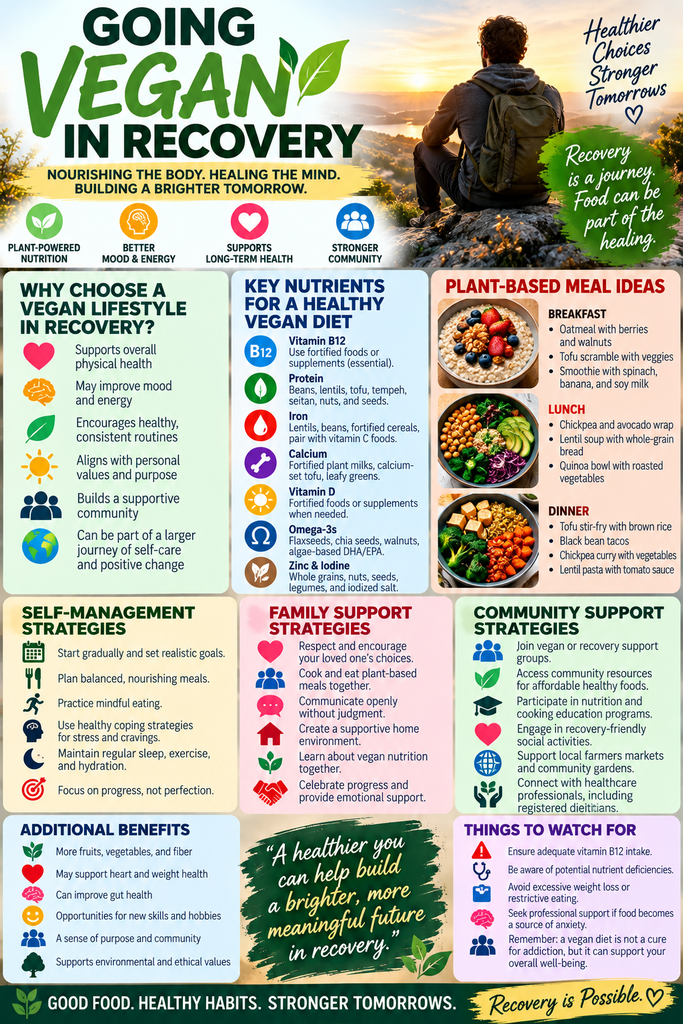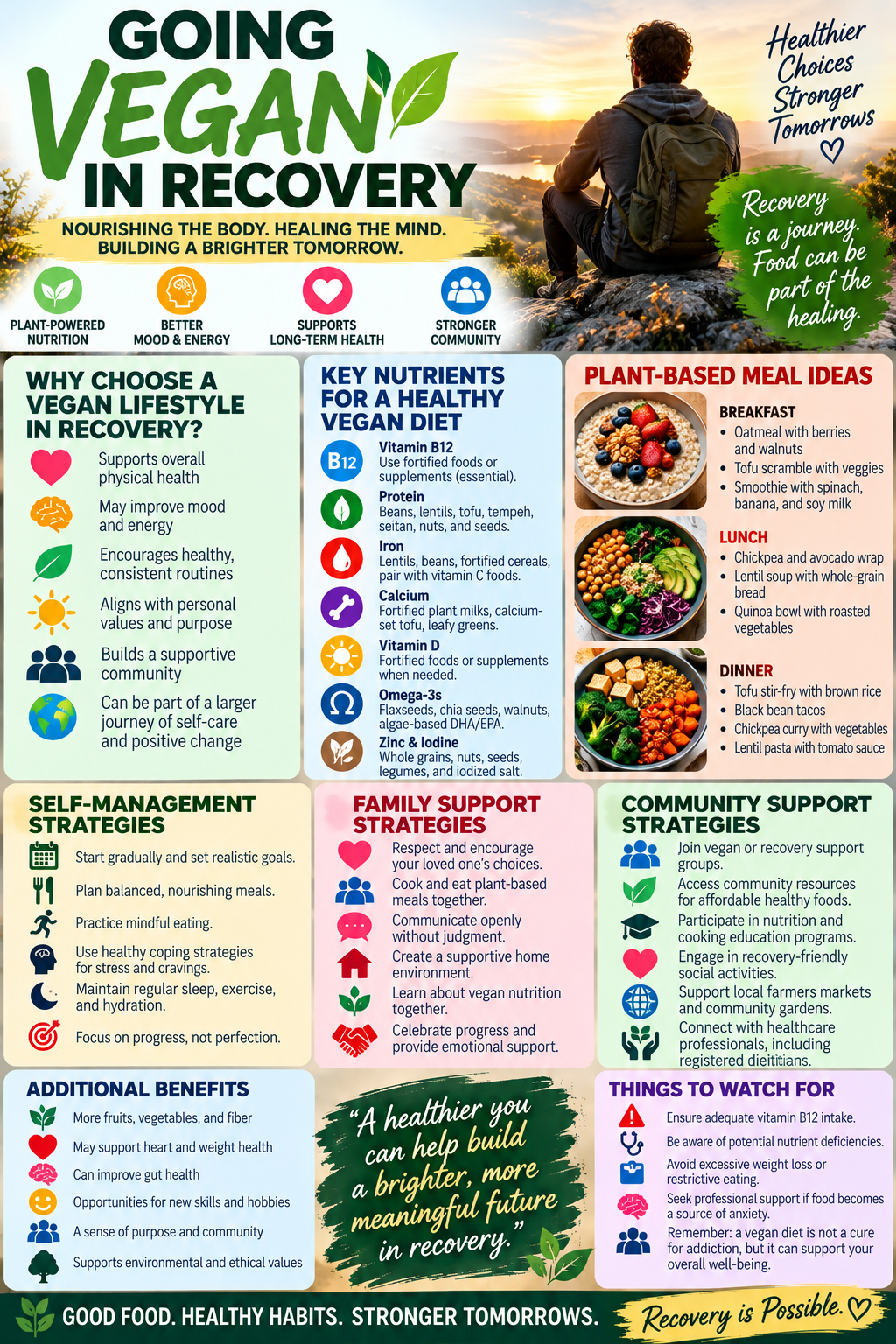
Recovery from addiction is more than stopping alcohol or drug use. It is a process of rebuilding physical health, restoring emotional balance, developing healthier habits, and creating a lifestyle that supports long-term well-being. For some individuals, adopting a vegan diet becomes part of this transformation.
A vegan diet eliminates animal-derived foods, including meat, poultry, fish, dairy products, eggs, and honey. Instead, it emphasizes vegetables, fruits, legumes, whole grains, nuts, seeds, and plant-based alternatives. When properly planned, a vegan eating pattern can provide essential nutrients and support overall health.
For people recovering from substance use disorders, plant-based eating may offer an opportunity to establish consistent routines, improve dietary quality, and develop a greater sense of personal responsibility for health. However, veganism is not an addiction treatment, and it does not replace evidence-based medical care, counseling, or medications for substance use disorders.
The goal of going vegan in recovery is not dietary perfection. It is creating a sustainable relationship with food that supports nourishment, emotional stability, and personal growth.
Understanding the benefits, nutritional challenges, and practical strategies associated with vegan living can help individuals and families make informed decisions throughout recovery.
Understanding the Connection Between Nutrition and Addiction Recovery
Substance use disorders can affect nutritional status through reduced food intake, impaired nutrient absorption, gastrointestinal problems, and disrupted daily routines. The effects depend on the substance involved, duration of use, overall health, and existing medical conditions.
For example, chronic heavy alcohol consumption can contribute to thiamine deficiency, liver disease, and malnutrition. Opioid use may be associated with constipation, appetite changes, and irregular eating patterns. Stimulant use can suppress appetite and contribute to inadequate caloric intake.
During recovery, nutritional needs may change as appetite returns, gastrointestinal function improves, and the body adjusts to reduced substance exposure.
Why Nutrition Matters During Recovery
Adequate nutrition can support several important aspects of physical and emotional health:
- Energy production: Carbohydrates, fats, proteins, vitamins, and minerals support normal metabolism.
- Brain function: Essential nutrients contribute to neurotransmitter synthesis and normal neurological functioning.
- Immune health: Balanced nutrition helps maintain immune function.
- Digestive health: Fiber-rich foods can support regular bowel movements and gut health.
- Physical recovery: Adequate protein and calories support tissue maintenance and repair.
- Daily structure: Regular meals can help establish predictable routines.
Although nutritional improvements may support general well-being, research does not establish that a vegan diet independently prevents relapse or treats addiction.
Why Some People Choose Veganism During Recovery
Recovery often encourages individuals to reconsider habits that influence their health, relationships, and daily functioning.
For some people, veganism becomes a meaningful lifestyle choice connected to wellness, ethical values, environmental concerns, or a desire for greater consistency in daily routines.
Potential motivations include:
- Improving overall dietary quality.
- Increasing consumption of vegetables, fruits, and whole grains.
- Developing new cooking and meal-planning skills.
- Establishing healthier daily routines.
- Aligning food choices with personal values.
- Participating in supportive plant-based communities.
- Exploring positive lifestyle changes beyond substance cessation.
These motivations may provide a sense of direction and accomplishment during recovery.
However, individuals should avoid treating dietary changes as proof of recovery success. A person’s progress is better evaluated through health, functioning, treatment engagement, safety, and quality of life.
Potential Health Benefits of a Well-Planned Vegan Diet
A balanced vegan eating pattern may provide several health benefits, particularly when it emphasizes minimally processed plant foods.
1. Supporting Cardiovascular Health
Plant-based diets often contain more dietary fiber and less saturated fat than diets rich in animal products.
Replacing foods high in saturated fat with unsaturated fats from nuts, seeds, and plant oils may help improve cholesterol levels.
Potential benefits include:
- Lower LDL cholesterol.
- Improved dietary fiber intake.
- Better blood pressure management in some individuals.
- Greater consumption of heart-healthy unsaturated fats.
- Support for long-term cardiovascular risk reduction.
These benefits depend on overall food quality rather than the vegan label alone.
2. Supporting Digestive Health
Whole grains, legumes, vegetables, and fruits provide fiber that supports digestive function.
Helpful foods include:
- Oatmeal and whole-grain cereals.
- Lentils and beans.
- Berries and apples.
- Leafy vegetables.
- Chia seeds and ground flaxseeds.
Individuals increasing fiber intake should do so gradually and stay well hydrated to reduce bloating and gastrointestinal discomfort.
3. Supporting Healthy Weight Management
Plant-based diets can support weight management when meals provide appropriate calories, protein, fiber, and healthy fats.
However, weight loss should not automatically be a goal during early addiction recovery. Some individuals may need to regain weight or correct nutritional deficiencies.
Adequate nourishment should take priority over restrictive dieting.
4. Supporting Emotional Well-Being
Regular meals and adequate nutrient intake may help reduce the physical discomfort associated with hunger, fatigue, and unstable eating routines.
Meal prep can also offer opportunities for mindfulness, creativity, and a sense of accomplishment.
However, veganism should not be presented as a treatment for depression, anxiety, or substance cravings. These conditions may require professional evaluation and targeted care.
Essential Nutrients to Consider When Going Vegan
A vegan diet can be nutritionally adequate, but certain nutrients require particular attention.
| Nutrient | Why it matters | Vegan sources or strategies |
|---|---|---|
| Vitamin B12 | Nerve function and red blood cell production | Reliable fortified foods or B12 supplements |
| Protein | Tissue repair, muscle maintenance, and immune function | Tofu, tempeh, lentils, beans, soy milk, seitan |
| Iron | Oxygen transport and prevention of deficiency | Lentils, beans, tofu, fortified cereals; pair with vitamin C |
| Calcium | Bone health and muscle function | Fortified plant milk, calcium-set tofu, selected greens |
| Vitamin D | Bone health and calcium absorption | Fortified foods and supplements when appropriate |
| Omega-3 fats | Normal cellular and neurological function | Flaxseed, chia seeds, walnuts, algae-derived DHA/EPA |
| Zinc | Immune function and wound healing | Beans, seeds, nuts, whole grains |
| Iodine | Thyroid hormone production | Iodized salt or appropriately dosed supplements |
Vitamin B12 deserves special attention: Unfortified plant foods are not reliable sources. Individuals following a vegan diet should consistently obtain B12 from fortified foods or supplementation.
People recovering from significant malnutrition, chronic alcohol use, or other medical complications may require individualized nutritional assessment.
Self-Management Strategies: Building Healthy Vegan Habits During Recovery
Adopting a vegan lifestyle during addiction recovery requires planning, flexibility, and realistic expectations.
The goal is to support physical and emotional well-being without introducing unnecessary stress or restrictive eating patterns.
1. Transition Gradually
Sudden dietary changes can be overwhelming, particularly when individuals are already adjusting to major lifestyle changes during recovery.
Helpful strategies include:
- Begin with one or two plant-based meals each week.
- Replace familiar animal-based meals with satisfying vegan alternatives.
- Learn simple recipes using affordable ingredients.
- Gradually increase vegetables, legumes, and whole grains.
- Evaluate energy levels, appetite, and nutritional adequacy.
- Consult a registered dietitian when needed.
A gradual transition helps individuals develop sustainable habits rather than rely on rigid rules.
2. Establish Consistent Meal Routines
Irregular eating patterns may contribute to fatigue, irritability, and difficulty maintaining daily structure.
Individuals can improve consistency by:
- Eating meals at predictable times.
- Preparing nutritious snacks in advance.
- Including protein and energy sources with meals.
- Drinking adequate fluids.
- Keeping convenient foods available.
- Avoiding prolonged periods without eating when appetite is poor.
For individuals with diabetes or other conditions requiring specific meal timing, dietary plans should be individualized.
3. Practice Mindful Eating
Mindful eating encourages awareness of hunger, fullness, food preferences, and emotional responses.
Strategies include:
- Eat without unnecessary distractions when possible.
- Notice hunger and fullness cues.
- Avoid labeling foods as morally good or bad.
- Recognize when stress affects eating habits.
- Choose meals that are both nourishing and enjoyable.
- Allow flexibility during social events or difficult recovery periods.
Mindful eating should promote self-awareness rather than strict control or guilt.
4. Develop Stress-Management Skills
Recovery can involve anxiety, emotional discomfort, and changing routines. Food preparation can be a positive activity, but it shouldn’t be the only coping mechanism.
Helpful strategies include:
- Practice meditation or breathing exercises.
- Participate in regular physical activity.
- Attend counseling and recovery meetings.
- Maintain supportive friendships.
- Explore gardening, cooking, or creative hobbies.
- Prioritize adequate sleep and rest.
5. Avoid Replacing One Compulsive Pattern With Another
Some individuals may become overly focused on dietary rules, calorie restriction, or achieving a perfectly healthy lifestyle.
Warning signs include:
- Significant guilt after eating non-vegan foods.
- Avoiding social situations because of food anxiety.
- Skipping meals to maintain strict dietary rules.
- Excessive fear of certain ingredients.
- Unintended weight loss or nutritional deficiencies.
- Using dietary control to manage unresolved emotional distress.
Individuals with a history of eating disorders or restrictive eating should seek professional guidance before making major dietary changes.
Family Support Strategies: Encouraging Healthy Eating Without Pressure
Families can help individuals adopt sustainable nutritional habits while respecting their recovery goals and personal preferences.
Support should focus on nourishment, flexibility, and emotional well-being rather than enforcing dietary rules.
1. Encourage Open Communication
Family members can ask about the individual’s motivations and concerns regarding veganism.
Helpful approaches include:
- Listen without criticizing dietary preferences.
- Discuss nutritional needs respectfully.
- Avoid pressuring someone to follow a specific diet.
- Encourage consultation with healthcare professionals.
- Recognize that recovery priorities may change over time.
2. Prepare Healthy Meals Together
Shared cooking activities can strengthen relationships and provide opportunities for positive social interaction.
Families can:
- Explore affordable vegan recipes.
- Plan meals together.
- Prepare balanced plant-based dishes.
- Share grocery shopping responsibilities.
- Learn about protein and micronutrient sources.
- Establish enjoyable family meal traditions.
Cooking together may also provide structure and opportunities to rebuild trust.
3. Support Recovery Without Dietary Judgment
Family members should avoid treating veganism as a measure of sobriety or personal success.
Recovery support should include:
- Encouraging continued addiction treatment.
- Respecting individual food choices.
- Avoiding criticism about occasional dietary changes.
- Supporting adequate nutrition.
- Recognizing emotional and physical recovery needs.
- Maintaining healthy family boundaries.
4. Recognize Signs of Nutritional Problems
Families can help identify concerns that may require professional assessment.
Potential warning signs include:
- Persistent fatigue or weakness.
- Unintentional weight loss.
- Dizziness or fainting.
- Numbness or tingling.
- Persistent gastrointestinal symptoms.
- Increasing food restriction or anxiety around meals.
These symptoms have many possible causes and should not automatically be attributed to veganism.
Community Support Strategies: Making Plant-Based Recovery Accessible
Community organizations can help individuals maintain healthy eating habits by improving access to affordable food, nutritional education, and supportive social environments.
1. Expand Nutrition Education in Recovery Programs
Addiction treatment centers can integrate practical nutrition education into comprehensive recovery services.
Programs may include:
- Cooking demonstrations.
- Budget-friendly meal planning.
- Education about vitamin B12 and other essential nutrients.
- Nutrition screening.
- Referrals to registered dietitians.
- Group discussions about food and emotional well-being.
Nutrition education should support evidence-based addiction treatment rather than replace it.
2. Improve Access to Affordable Plant-Based Foods
Food insecurity can make recovery more challenging.
Community initiatives can provide:
- Access to food pantries with beans, lentils, grains, and produce.
- Community gardens.
- Affordable grocery programs.
- Farmers market incentives.
- Cooking classes using inexpensive ingredients.
- Assistance accessing SNAP or other eligible food benefits.
3. Encourage Supportive Social Connections
Community activities can help individuals build relationships not centered on substance use.
Examples include:
- Plant-based cooking groups.
- Community gardening projects.
- Recovery-friendly potluck meals.
- Wellness workshops.
- Volunteer opportunities.
- Peer recovery support meetings.
These activities may promote belonging, purpose, and positive routines.
4. Integrate Nutrition With Addiction Treatment
Healthcare systems should recognize that nutrition is one component of comprehensive recovery.
Integrated services may include:
- Addiction medicine.
- Mental health counseling.
- Primary healthcare.
- Nutrition assessment and counseling.
- Medication management.
- Peer recovery services.
- Social work and case management.
A Simple Seven-Day Vegan Meal Plan for Recovery
This example provides meal ideas rather than a personalized nutrition prescription. Adjust portions and additional snacks to individual energy and protein needs.
| Day | Breakfast | Lunch | Dinner |
|---|---|---|---|
| Monday | Oatmeal with fortified soy milk, berries, and walnuts | Chickpea and avocado wrap | Tofu stir-fry with brown rice |
| Tuesday | Peanut butter toast and banana | Lentil vegetable soup with whole-grain bread | Black bean tacos with vegetables |
| Wednesday | Fortified soy yogurt with fruit and seeds | Quinoa bowl with chickpeas | Whole-wheat pasta with lentil sauce |
| Thursday | Tofu scramble and whole-grain toast | Hummus and vegetable sandwich | Chickpea curry with rice |
| Friday | Overnight oats with chia seeds | Black bean and sweet potato bowl | Tempeh with roasted vegetables |
| Saturday | Smoothie with fortified soy milk and peanut butter | Lentil salad with whole grains | Vegan chili with beans |
| Sunday | Whole-grain pancakes with fruit and nut butter | Tofu and vegetable wrap | Baked sweet potato with beans and greens |
Additional snacks may include nuts, fruit, hummus, whole-grain crackers, and fortified plant-based yogurt.
A reliable vitamin B12 source is essential, and additional supplementation may be needed depending on individual circumstances.
Common Challenges When Going Vegan in Recovery
Changing dietary habits during recovery can create practical and emotional challenges.
Financial Limitations
Some specialty vegan products are expensive. However, staple foods such as beans, lentils, rice, oats, frozen vegetables, and peanut butter can provide affordable nutrition.
Limited Cooking Experience
Individuals unfamiliar with plant-based cooking may benefit from beginner recipes, meal preparation classes, and simple cooking demonstrations.
Social Pressure
Family gatherings and social events may present limited vegan options. Planning ahead and communicating dietary preferences respectfully can reduce stress.
Nutritional Deficiencies
Poorly planned vegan diets can result in inadequate intake of certain nutrients. Professional guidance and appropriate supplementation can help prevent deficiencies.
Recovery-Related Stress
Major lifestyle changes may become overwhelming during early recovery. Individuals should prioritize medical stability, adequate nutrition, and addiction treatment before pursuing rigid dietary goals.
Does Going Vegan Reduce Addiction Cravings?
There is currently insufficient evidence that vegan diets directly reduce alcohol or drug cravings or prevent relapse.
However, adequate nutrition, regular meals, and improved daily routines may help individuals manage fatigue, hunger, and general stress that can complicate recovery.
Evidence-based addiction treatments remain essential, particularly for opioid and alcohol use disorders.
A vegan diet may be a meaningful personal wellness choice, but it should not be promoted as a cure for addiction.
Helpful Resources for Vegan Nutrition and Addiction Recovery
| Resource | Support Offered |
|---|---|
| USDA MyPlate | Balanced eating guidance and plant-based meal planning |
| NIH Office of Dietary Supplements | Evidence-based information about B12, iron, vitamin D, and other nutrients |
| Academy of Nutrition and Dietetics | Nutrition education and dietitian resources |
| FindTreatment.gov | Addiction and mental health treatment locator |
| SAMHSA National Helpline | Substance use treatment referrals and support |
Conclusion: Nourishing the Body While Rebuilding Life in Recovery
Going vegan during addiction recovery can provide an opportunity to establish healthier routines, explore meaningful lifestyle changes, and develop a more intentional relationship with food.
A well-planned vegan diet can support general physical health through nutrient-rich foods, dietary fiber, and balanced meals. However, it requires attention to vitamin B12, protein, iron, calcium, vitamin D, and other essential nutrients.
Self-management strategies help individuals develop sustainable eating habits, recognize nutritional needs, and maintain emotional balance. Family support encourages healthy communication, shared meal preparation, and respect for personal choices. Community resources improve access to nutritious foods, nutrition education, and comprehensive addiction treatment.
Most importantly, veganism should complement recovery rather than become another source of pressure, guilt, or rigid expectations.
Addiction recovery is about more than what a person eats or avoids. It involves rebuilding health, strengthening relationships, developing coping skills, and creating a meaningful life.
A healthier future begins with consistent nourishment, compassionate support, and sustainable choices—not perfection.
Frequently Asked Questions and Answers
1. What does going vegan in addiction recovery mean?
Going vegan in addiction recovery means adopting a plant-based diet while working toward physical, emotional, and psychological wellness after substance use. A vegan diet excludes meat, fish, dairy, eggs, and other animal-derived foods. Instead, it emphasizes vegetables, fruits, legumes, whole grains, nuts, seeds, and plant-based alternatives. For some individuals, veganism becomes part of developing healthier routines, improving nutrition, and creating a meaningful lifestyle during recovery.
2. Can a vegan diet help someone recover from addiction?
A well-planned vegan diet can support overall health, but it is not a treatment for addiction. Nutritious meals may help restore energy, correct dietary imbalances, and establish consistent daily routines. However, there is insufficient evidence that veganism directly reduces substance cravings or prevents relapse. Evidence-based addiction treatment, counseling, and appropriate medications remain essential.
3. What are the potential benefits of going vegan during recovery?
A balanced vegan diet may offer several benefits:
- Increased consumption of fiber-rich foods.
- Improved dietary quality and cardiovascular health.
- Greater awareness of food choices and nutritional needs.
- Opportunities to develop healthy cooking habits.
- More consistent meal planning and daily routines.
- Alignment with personal values and wellness goals.
Benefits depend on the quality and adequacy of the diet, not simply on avoiding animal products.
4. Can going vegan improve mental health during addiction recovery?
Nutritious eating supports normal brain function and overall well-being. Regular meals may help reduce fatigue, irritability associated with hunger, and nutritional deficiencies that can affect mood.
However, vegan diets have not been established as treatments for depression, anxiety, or substance use disorders. Individuals experiencing persistent mental health symptoms should seek appropriate professional care.
5. Can a vegan diet reduce alcohol or drug cravings?
There is no strong clinical evidence that following a vegan diet directly reduces alcohol or drug cravings. However, adequate nutrition, consistent meals, hydration, and healthy routines may help individuals manage physical discomfort and daily stress.
Craving management should also include evidence-based strategies such as behavioral therapy, trigger identification, relapse prevention planning, and medication treatment when indicated.
6. What nutrients are especially important for vegans in recovery?
Individuals following a vegan diet should pay particular attention to nutrients that may be more difficult to obtain from plant foods.
Important nutrients include:
- Vitamin B12: Essential for nerve function and red blood cell production.
- Protein: Supports tissue maintenance, muscle health, and recovery from illness.
- Iron: Important for oxygen transport and preventing iron deficiency.
- Calcium: Supports bone and muscle function.
- Vitamin D: Helps maintain bone health.
- Omega-3 fatty acids: Support normal cellular and neurological function.
- Zinc: Important for immune function and wound healing.
- Iodine: Required for thyroid hormone production.
A registered dietitian can help develop a nutritionally adequate eating plan.
7. Do people following a vegan diet need vitamin B12 supplements?
Vitamin B12 requires special attention because unfortified plant foods are not reliable sources. Vegans need a consistent supply through fortified foods, supplements, or a combination of both.
Vitamin B12 deficiency can cause anemia, fatigue, numbness, and neurological complications. Individuals with a history of malnutrition, gastrointestinal disorders, or heavy alcohol use may require additional assessment.
8. How can someone get enough protein on a vegan diet?
Plant-based foods can provide adequate protein when consumed in sufficient amounts and variety.
Good sources include:
- Lentils and beans.
- Tofu and tempeh.
- Soy milk and soy yogurt.
- Chickpeas and hummus.
- Seitan.
- Nuts and seeds.
- Quinoa and other whole grains.
Including protein-rich foods throughout the day can help support muscle maintenance and overall nutritional health.
9. Is it safe to become vegan during early addiction recovery?
A vegan diet can be appropriate during recovery when it provides sufficient calories, protein, vitamins, and minerals. However, early recovery may involve appetite changes, weight fluctuations, gastrointestinal symptoms, or nutritional deficiencies.
Individuals recovering from severe alcohol use, malnutrition, eating disorders, or significant medical complications should consult healthcare professionals before making major dietary changes.
For some people, a gradual transition may be more practical than immediately adopting strict dietary restrictions.
10. Can going vegan help repair damage caused by substance use?
Adequate nutrition supports normal tissue maintenance, immune function, and general physical recovery. A balanced vegan diet may help correct some nutritional inadequacies when properly planned.
However, diet alone cannot reverse all organ damage caused by chronic alcohol or drug use. Liver disease, neurological complications, cardiovascular problems, and other medical conditions may require specialized treatment.
Nutritional rehabilitation should complement medical care, not replace it.
11. Can a vegan diet improve sleep during recovery?
Consistent meals and adequate nutrient intake may support general health and healthy sleep routines. However, there is limited evidence that veganism itself improves sleep during addiction recovery.
Sleep disturbances may result from substance withdrawal, anxiety, depression, medications, or other medical conditions. Maintaining regular sleep schedules, limiting caffeine late in the day, and seeking treatment for persistent insomnia may be more directly helpful.
12. How can someone transition to veganism without becoming overwhelmed?
A gradual transition can make dietary changes easier to maintain.
Helpful strategies include:
- Begin with one plant-based meal each day.
- Replace familiar dishes with vegan alternatives.
- Learn several simple, affordable recipes.
- Include protein sources with meals.
- Use fortified plant-based products.
- Plan grocery shopping and meal preparation.
- Avoid rigid rules or unrealistic expectations.
The goal should be sustainable nourishment, not dietary perfection.
13. What are affordable vegan foods for people in recovery?
A vegan diet does not require expensive specialty products. Many nutritious plant-based staples are affordable and easy to prepare.
Examples include beans, lentils, rice, oats, potatoes, frozen vegetables, peanut butter, whole-grain pasta, and canned tomatoes.
Buying dried or canned legumes, choosing seasonal produce, and preparing meals at home can help reduce food costs.
Community food pantries and nutrition assistance programs may also provide support.
14. How can family members support someone going vegan during addiction recovery?
Families can provide encouragement by respecting dietary preferences and helping create a supportive eating environment.
Helpful approaches include:
- Prepare plant-based meals together.
- Encourage balanced nutrition without criticism.
- Learn about essential vegan nutrients.
- Support grocery shopping and meal planning.
- Avoid pressuring the person to follow restrictive food rules.
- Encourage continued addiction treatment.
- Recognize progress in overall health and recovery.
Family support should promote flexibility, emotional well-being, and healthy relationships.
15. Can veganism become an unhealthy obsession during recovery?
Yes. Any eating pattern can become problematic when it involves excessive restriction, intense guilt, fear of certain foods, or interference with social functioning.
Some individuals may develop rigid eating behaviors or use food control to manage emotional distress.
Warning signs include significant weight loss, avoiding meals, extreme anxiety around food, and increasingly restrictive dietary rules.
These concerns warrant evaluation by qualified healthcare professionals, particularly when there is a history of eating disorders.
16. How can community programs support vegan nutrition during recovery?
Community organizations can provide education, affordable access to food, and supportive social opportunities.
Programs may include:
- Plant-based cooking classes.
- Community gardens.
- Nutrition workshops.
- Food pantry programs.
- Recovery-friendly social meals.
- Registered dietitian consultations.
- Peer support and wellness activities.
These services can complement addiction treatment while helping individuals develop healthier routines and social connections.
17. Can someone maintain a vegan diet while attending residential addiction treatment?
Yes, many treatment facilities can accommodate vegan dietary preferences, although availability varies.
Individuals should discuss their nutritional needs with the treatment center before admission. Facilities may need to plan meals that provide adequate calories, protein, vitamin B12, calcium, and other essential nutrients.
Medical or nutritional restrictions may require individualized accommodations.
18. Does going vegan prevent addiction relapse?
No specific diet has been proven to prevent addiction relapse. Veganism may help some individuals develop meaningful routines, strengthen personal values, and participate in positive activities, but it cannot replace addiction treatment.
Effective relapse prevention may include:
- Behavioral counseling.
- Medication treatment when indicated.
- Recognition of personal triggers.
- Peer recovery support.
- Stress-management skills.
- Healthy relationships.
- Ongoing medical and mental health care.
Recovery outcomes depend on many interacting factors, not dietary choices alone.
19. What are simple vegan meals for someone beginning recovery?
Simple meals can provide nourishment without requiring extensive cooking experience.

Breakfast
Oatmeal with fortified soy milk, berries, and walnuts, or tofu scramble with whole-grain toast.

Lunch
Chickpea and avocado wraps, lentil soup with whole-grain bread, or quinoa bowls with vegetables.

Dinner
Tofu stir-fry with brown rice, black bean tacos, or chickpea curry with vegetables.
Adjust meals and snacks to individual energy needs, and include a reliable vitamin B12 source.
20. What is the most important lesson about going vegan in addiction recovery?
The most important lesson is that nutrition should support recovery rather than become another source of pressure or restriction.
A well-planned vegan diet can provide adequate nourishment, encourage healthier routines, and align with personal values. However, successful addiction recovery also requires attention to mental health, medical needs, social relationships, and evidence-based treatment.
Going vegan is a personal lifestyle choice, not a requirement for sobriety or a cure for addiction.
Video: