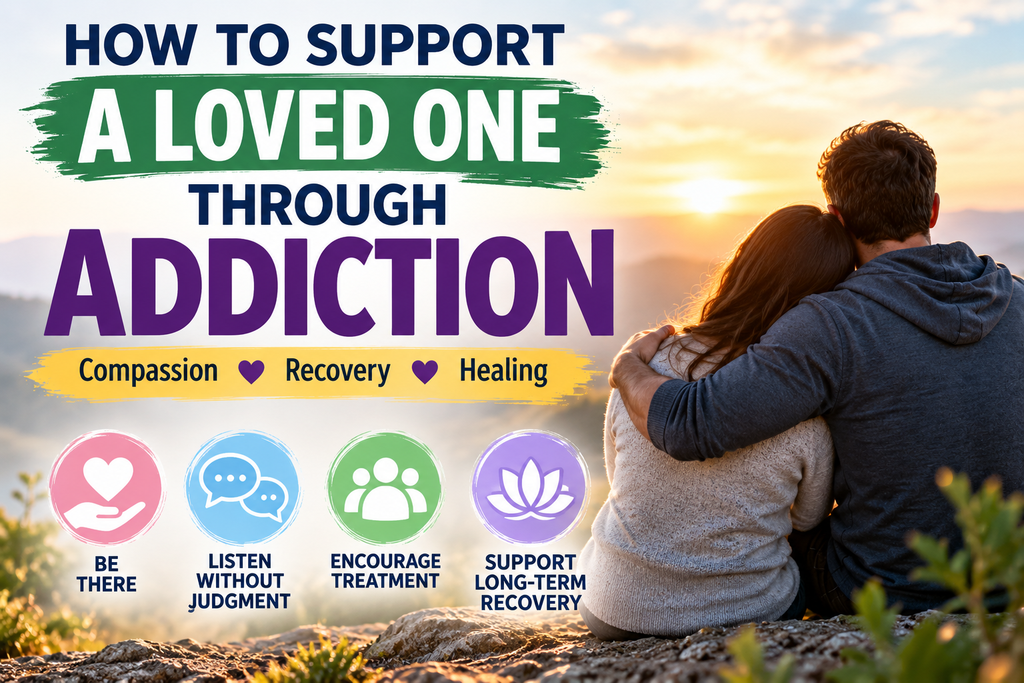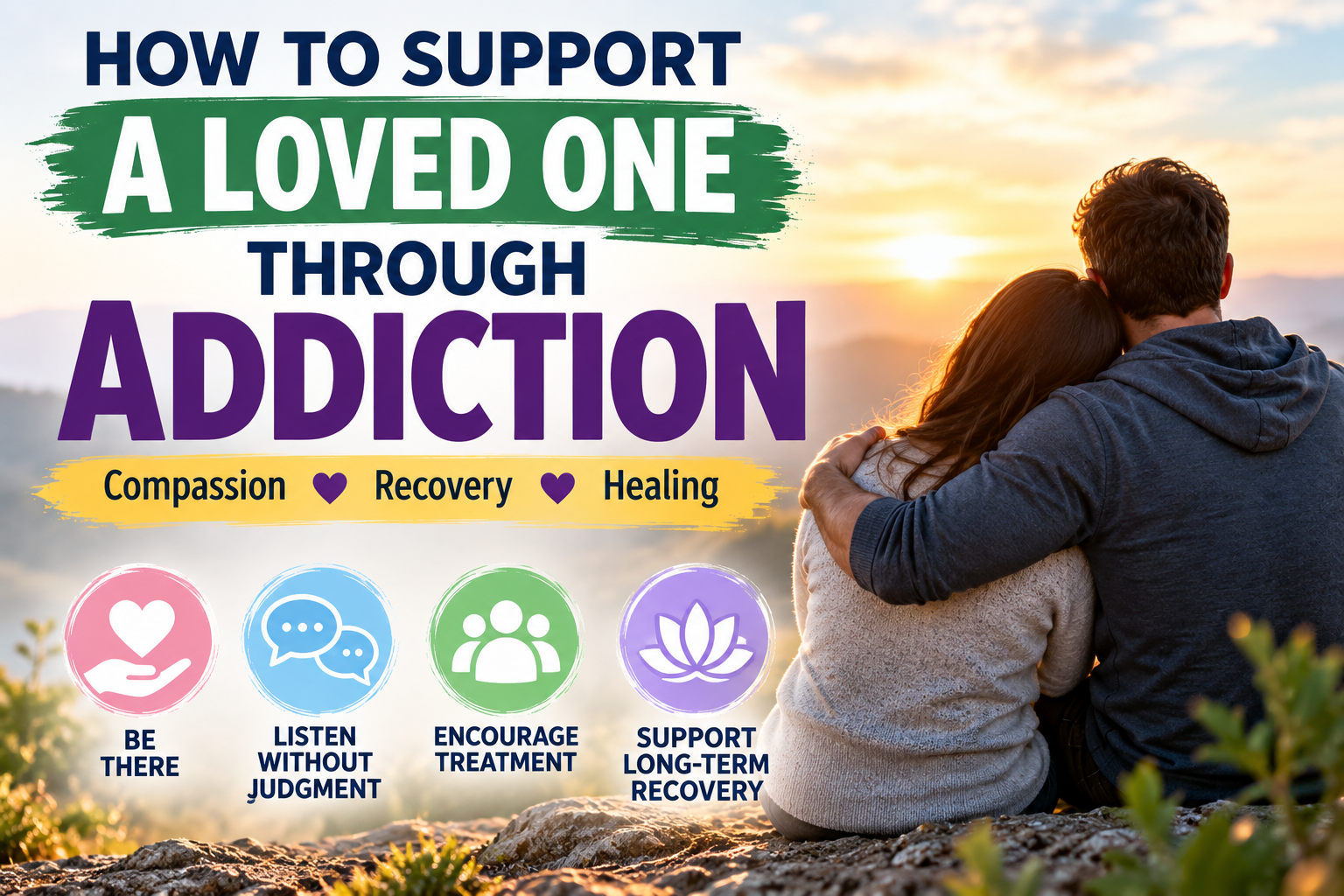
Supporting someone you love through addiction can be an emotional and overwhelming journey filled with uncertainty, concern, and hope. Whether the struggle involves alcohol, drugs, prescription medications, gambling, or other addictive behaviors, the consequences often reach far beyond the individual, affecting relationships, family stability, and the surrounding community. Family members and friends may experience fear, frustration, guilt, and helplessness as they search for meaningful ways to help. Recognizing addiction as a complex but treatable condition is an important first step toward replacing judgment with understanding and compassion. Because addiction can influence brain function, decision-making, emotions, and behavior, lasting recovery often requires professional treatment, healthy lifestyle changes, family encouragement, and ongoing community support. However, helping a loved one does not mean assuming responsibility for their choices or sacrificing your own well-being. Instead, effective support involves compassionate communication, realistic expectations, healthy boundaries, and encouragement toward treatment. This article explores practical self-management, family, and community support strategies that can help individuals facing addiction pursue recovery while empowering their loved ones to maintain emotional balance, strengthen relationships, and foster an environment of hope, healing, and lasting positive change.
Understanding Addiction: Why Recovery Is Not Simply a Choice
Substance use disorders are medical conditions characterized by impaired control over substance use, continued consumption despite harmful consequences, and changes in behavior associated with cravings and reinforcement.
Repeated substance exposure can alter brain circuits involved in reward, motivation, stress, and self-control. These changes may contribute to compulsive substance use even when individuals recognize its negative effects.
Addiction can also coexist with depression, anxiety, trauma-related conditions, chronic pain, and other medical or psychological concerns.
Common Signs That a Loved One May Be Struggling
Recognizing behavioral changes can help families identify when additional support may be needed.
Warning signs include:
- Increased secrecy or withdrawal from family activities.
- Changes in mood, sleep, or personal hygiene.
- Neglecting employment, education, or household responsibilities.
- Financial difficulties or unexplained spending.
- Continuing substance use despite relationship or health problems.
- Unsuccessful attempts to reduce or stop substance use.
- Increased tolerance or withdrawal symptoms.
- Loss of interest in previously enjoyable activities.
These signs do not automatically establish an addiction diagnosis. A qualified healthcare professional can evaluate symptoms and recommend appropriate treatment.
Understanding the Emotional Journey of Addiction
Recovery is rarely simple or predictable. Individuals may move through periods of motivation, uncertainty, progress, and setbacks.
Some people recognize the need for treatment immediately, while others may struggle to acknowledge how substance use affects their lives.
Families should understand that:
- Denial or ambivalence may delay engagement in treatment.
- Shame and fear can discourage honest communication.
- Withdrawal symptoms may make stopping certain substances physically and emotionally difficult.
- Mental health conditions can complicate recovery.
- A return to substance use may indicate a need to reassess treatment rather than abandon recovery efforts.
- Recovery may improve health, relationships, functioning, and quality of life.
Recognizing these challenges can help families replace blame with informed support.
Self-Management Strategies: Helping Your Loved One Build Recovery Skills
Self-management involves developing practical tools that help individuals understand their substance use, recognize triggers, and make healthier decisions.
Although family members can provide encouragement, the individual must participate in developing and maintaining their recovery plan.
1. Recognize Personal Triggers
Triggers are emotional, social, or environmental situations associated with substance use.
Common triggers include stress, loneliness, conflict, certain relationships, and exposure to substances.
Helpful strategies include:
- Identify situations that increase cravings.
- Keep a journal documenting emotions and substance use patterns.
- Recognize the relationship between stress and substance use.
- Develop plans for managing high-risk situations.
- Discuss triggers with counselors or recovery specialists.
2. Develop Healthy Coping Mechanisms
Substances may become a way of temporarily escaping uncomfortable emotions. Recovery involves learning healthier methods of managing stress and distress.
Recommended strategies include:
- Practice mindfulness and relaxation exercises.
- Participate in regular physical activity.
- Maintain consistent sleep and meal schedules.
- Explore creative hobbies and recreational activities.
- Develop problem-solving and emotional regulation skills.
- Seek professional counseling when needed.
3. Establish Realistic Recovery Goals
Recovery goals should be individualized, achievable, and consistent with the person’s treatment needs.
Goals may include:
- Attending scheduled counseling appointments.
- Taking prescribed medications as directed.
- Reducing exposure to high-risk situations.
- Rebuilding daily routines.
- Improving relationships and communication.
- Participating in peer support activities.
- Developing long-term relapse prevention plans.
For opioid use disorder, medications such as buprenorphine and methadone can substantially reduce overdose risk and support recovery. These treatments should not be viewed as replacing one addiction with another.
4. Recognize Progress Without Expecting Perfection
Recovery often involves gradual improvements rather than immediate transformation.
Encouraging progress may include acknowledging treatment participation, improved communication, healthier coping strategies, and responsible decision-making.
Setbacks should prompt reassessment of support needs, treatment effectiveness, and safety, not shame or punishment.
Family Support Strategies: Helping Without Enabling
Families often struggle to distinguish between compassionate support and behaviors that unintentionally protect harmful substance use patterns.
Healthy support encourages recovery while maintaining appropriate personal boundaries.
1. Communicate With Compassion
Open communication can reduce defensiveness and help individuals feel understood.
Helpful approaches include:
- Choose a calm, private time to discuss concerns.
- Use statements such as “I’m worried about your health” rather than accusations.
- Listen without interrupting.
- Avoid labeling the person as weak or irresponsible.
- Ask what kind of support would be helpful.
- Express willingness to assist with treatment options.
For example, a family member might say:
“I care about you, and I’m concerned about how substance use is affecting your health. I’m willing to help you explore treatment options, and I want us both to be safe.”
2. Establish Healthy Boundaries
Boundaries protect family members while clarifying expectations.
Examples include:
- Refusing to provide money that may be used to purchase substances.
- Not allowing substance use inside the home.
- Declining to cover up dangerous or harmful behaviors.
- Protecting children from unsafe situations.
- Maintaining personal financial security.
- Seeking outside assistance when aggression or threats occur.
Boundaries should focus on what family members can control, not on punishing or manipulating the person experiencing addiction.
3. Encourage Professional Treatment
Addiction treatment should be based on individual medical needs and the substances involved.
Families can help by:
- Researching qualified treatment providers.
- Offering transportation to appointments.
- Assisting with insurance or financial questions.
- Encouraging medical assessment before withdrawal.
- Supporting medication-assisted treatment when appropriate.
- Participating in family therapy with consent.
Alcohol and benzodiazepine withdrawal can be medically dangerous and may require supervised treatment. Individuals should not be pressured to stop these substances abruptly without medical guidance.
4. Avoid Enabling Harmful Behaviors
Enabling generally refers to actions that unintentionally allow dangerous substance use patterns to continue without addressing their consequences.
Examples may include repeatedly paying substance-related debts, making excuses for unsafe behavior, or ignoring serious safety concerns.
However, providing food, housing assistance, transportation to treatment, naloxone, or emotional support should not automatically be labeled enabling.
The goal is to reduce harm while encouraging accountability and access to treatment.
5. Participate in Family Counseling
Addiction can affect trust, communication, finances, and emotional stability.
Family counseling may help relatives:
- Understand addiction and recovery.
- Address conflict and resentment.
- Develop healthier communication patterns.
- Establish realistic expectations.
- Rebuild trust gradually.
- Recognize the needs of children and caregivers.
Family involvement can improve treatment engagement when conducted safely and with respect for each person’s autonomy.
Community Support Strategies: Building a Strong Recovery Network
Recovery is often strengthened when individuals have access to supportive relationships, healthcare, stable housing, employment, and meaningful social activities.
Community resources can reduce isolation and improve access to treatment.
1. Connect With Peer Recovery Support
Peer support groups provide opportunities to learn from others with lived experience.
Examples include:
- Alcoholics Anonymous (AA).
- Narcotics Anonymous (NA).
- SMART Recovery.
- Recovery Dharma.
- Family-focused groups such as Al-Anon and Nar-Anon.
These programs differ in philosophy and structure. Encourage individuals to explore options that align with their preferences and recovery goals.
2. Improve Access to Evidence-Based Treatment
Communities can support recovery by expanding:
- Outpatient and residential addiction treatment.
- Medication treatment for opioid and alcohol use disorders.
- Mental health counseling.
- Trauma-informed care.
- Peer recovery coaching.
- Telehealth services.
- Integrated treatment for co-occurring conditions.
Treatment should be individualized, not one-size-fits-all.
3. Promote Overdose Prevention and Harm Reduction
Harm reduction strategies can prevent death and reduce health complications, including for people who are not yet ready to stop using substances.
Important community initiatives include:
- Providing naloxone and overdose response training.
- Educating families about recognizing opioid overdose.
- Expanding access to sterile injection equipment where permitted.
- Offering infectious disease testing and treatment.
- Providing drug-checking education and services where available.
- Connecting individuals with low-barrier addiction treatment.
Naloxone reverses opioid overdose temporarily, but emergency medical evaluation remains important because its effects may wear off before those of the opioid.
4. Reduce Stigma and Social Isolation
Stigma can discourage people from discussing substance use or seeking treatment.
Communities can promote understanding through public education, respectful language, recovery-focused events, and support for individuals returning to employment, education, or family life.
Using terms such as “person with a substance use disorder” rather than defining someone by their addiction can help encourage respectful communication.
Supporting a Loved One Who Refuses Treatment
One of the most difficult situations families face is when someone denies having a problem or refuses professional help.
Trying to force change through repeated arguments, threats, or humiliation often increases conflict.
Instead, families can focus on maintaining communication and offering treatment opportunities.
Helpful strategies include:
- Express specific concerns about observable behaviors.
- Avoid arguing when the person is intoxicated.
- Offer treatment information without overwhelming them.
- Establish and maintain safety-related boundaries.
- Seek guidance from an addiction professional.
- Consider evidence-informed family approaches such as Community Reinforcement and Family Training (CRAFT).
- Keep naloxone available when opioid exposure is possible.
CRAFT helps family members develop communication, reinforcement, and self-care skills that may encourage treatment engagement.
If a person becomes violent or threatening, immediate safety takes priority over continued discussion.
How to Respond When a Loved One Returns to Substance Use
A return to substance use can be frightening, particularly after a period of abstinence.
Families may feel disappointed, angry, or afraid that previous progress has been lost.
However, recurrence does not erase earlier improvements.
Supportive responses include:
- Assess immediate medical and overdose risks.
- Avoid shame or accusations.
- Encourage prompt contact with treatment providers.
- Identify possible changes in stress, triggers, or support.
- Review whether medications or treatment intensity need adjustment.
- Reestablish safety plans and boundaries.
- Recognize that overdose risk may increase after abstinence because tolerance can decline.
For opioid use disorder, returning to medication treatment quickly can be lifesaving.
Caring for Yourself While Supporting Someone With Addiction
Family members sometimes become so focused on helping their loved one that they neglect their own emotional and physical health.
Chronic stress associated with addiction can contribute to anxiety, sleep problems, financial difficulties, and relationship strain.
Self-care is not abandonment. It helps family members remain healthy and make thoughtful decisions.
Important strategies include:
- Maintain regular medical and mental health appointments.
- Participate in counseling or family support groups.
- Set limits on financial and emotional responsibilities.
- Make time for exercise, hobbies, and supportive friendships.
- Recognize signs of caregiver burnout.
- Seek assistance with childcare or other family responsibilities.
- Develop an emergency plan for dangerous situations.
A loved one’s recovery cannot be controlled by another person, and family members should not measure their own worth by someone else’s substance use.
When to Seek Immediate Help
Certain situations require urgent medical or emergency intervention.
Seek immediate assistance if someone experiences:
- Slow, irregular, or absent breathing.
- Unresponsiveness or inability to awaken.
- Blue or gray lips or skin.
- Seizures or severe confusion.
- Severe alcohol or sedative withdrawal symptoms.
- Suicidal statements or behavior.
- Violent or dangerous behavior.
For suspected opioid overdose, call emergency services, administer naloxone if available, and provide CPR or rescue breathing according to dispatcher instructions and training.
In the United States, call 911 for medical emergencies or 988 for suicide or mental health crises.
Helpful Addiction Recovery Resources
| Organization | Services |
|---|---|
| FindTreatment.gov | Search for addiction and mental health treatment providers |
| SAMHSA National Helpline | Confidential treatment referrals at 1-800-662-HELP |
| Al-Anon Family Groups | Support for families affected by another person’s drinking |
| Nar-Anon Family Groups | Family support for those affected by drug use |
| SMART Recovery | Recovery and family support meetings |
| 988 Suicide & Crisis Lifeline | Crisis support in the United States |
Conclusion: Supporting Recovery With Compassion and Healthy Boundaries
Supporting a loved one through addiction requires patience, understanding, and a willingness to recognize that recovery is often a long-term process.
Families may experience moments of hope alongside periods of uncertainty, frustration, and fear. However, compassionate communication, appropriate boundaries, and access to professional treatment can create opportunities for meaningful change.
Self-management strategies help individuals recognize triggers, develop healthier coping skills, and participate in their recovery. Family support provides emotional encouragement, practical assistance, and a safer environment. Community resources strengthen recovery by offering evidence-based treatment, peer support, overdose prevention, and opportunities for social connection.
Most importantly, helping someone through addiction does not mean sacrificing personal well-being or assuming responsibility for another person’s decisions.
Love can provide encouragement, but recovery requires individualized care, personal participation, and continued support. By combining compassion with boundaries and evidence-based treatment, families can offer hope while protecting their own health and stability.
Frequently Asked Questions and Answers
1. How can I help a loved one who is struggling with addiction?
Supporting someone with addiction begins with compassion, understanding, and open communication. Listen without judgment, express concerns about their health and safety, and encourage professional treatment. Offer practical assistance, such as helping locate treatment programs or providing transportation to appointments. Remember that you can support their recovery, but you cannot control their decisions.
2. What should I say to someone who has an addiction?
Use supportive, nonjudgmental language that communicates concern rather than blame. For example, say, “I care about you, and I’m worried about how substance use is affecting your health. I’m here to help you find support when you’re ready.” Avoid accusations, threats, or statements that create shame. Honest conversations are often more productive when the person is sober and emotionally calm.
3. How can I recognize the signs of addiction in a family member?
Common warning signs include changes in mood, increased secrecy, withdrawal from family activities, financial difficulties, neglected responsibilities, and continued substance use despite negative consequences. Some individuals experience cravings, tolerance, or withdrawal symptoms. These behaviors do not automatically establish an addiction diagnosis, but they may indicate the need for professional evaluation.
4. What is the difference between supporting and enabling someone with addiction?
Supporting someone means encouraging healthier choices, promoting treatment, and providing assistance that improves safety and well-being. Enabling generally refers to behaviors that unintentionally protect harmful substance use patterns from consequences, such as repeatedly covering up dangerous behavior or providing money specifically for substances.
However, providing food, safe housing, naloxone, or access to healthcare is not inherently enabling. The goal is to reduce harm while maintaining healthy boundaries.
5. How do I set healthy boundaries with a loved one who has an addiction?
Healthy boundaries communicate what behaviors you can accept while protecting your emotional, physical, and financial well-being.
Examples include:
- Refusing to provide money for substance purchases.
- Establishing substance-free rules in your home.
- Not covering up unsafe or illegal behavior.
- Protecting children from dangerous situations.
- Limiting contact when someone becomes threatening or abusive.
- Maintaining personal financial independence.
Boundaries should be clear, realistic, and consistently maintained without being used as punishment.
6. What should I do if my loved one refuses addiction treatment?
Avoid forcing repeated arguments or using shame to encourage treatment. Instead, communicate your concerns calmly, offer information about available services, and maintain appropriate boundaries.
Family-based approaches such as Community Reinforcement and Family Training (CRAFT) can help relatives develop communication strategies that may encourage engagement in treatment. You can also seek professional guidance for yourself even when your loved one is unwilling to participate.
7. Can someone recover from addiction without going to rehabilitation?
Yes. Not everyone requires residential rehabilitation. Depending on the substance, severity of dependence, medical risks, and individual circumstances, recovery may occur through outpatient treatment, medications, counseling, peer support, or a combination of services.
Some people achieve recovery without formal treatment, but professional assessment is important when substance use creates significant medical or psychological risks. Alcohol and benzodiazepine withdrawal can be dangerous and may require medical supervision.
8. How can families encourage someone to seek professional addiction treatment?
Families can help by researching treatment options, discussing concerns respectfully, and offering practical assistance.
Helpful strategies include:
- Provide information about qualified treatment programs.
- Offer transportation to medical appointments.
- Assist with insurance or financial questions.
- Encourage a confidential substance use assessment.
- Support evidence-based medications when appropriate.
- Consider participating in family therapy.
Encouragement is generally more productive when it respects the person’s autonomy and avoids threats or humiliation.
9. What role does family therapy play in addiction recovery?
Family therapy can improve communication, address relationship conflicts, establish healthy boundaries, and help relatives understand substance use disorders.
It may also strengthen engagement in treatment and support recovery by addressing patterns that contribute to stress or conflict. Family therapy should be conducted with attention to safety, especially when domestic violence, coercion, or abuse is present.
10. How should I respond if my loved one returns to substance use after treatment?
A return to substance use does not automatically erase previous recovery progress. Respond by assessing immediate safety, avoiding shame, and encouraging renewed contact with healthcare professionals.
Treatment may need adjustments, including changes in counseling, medication, or the level of support provided. For individuals with opioid use disorder, overdose risk can increase after abstinence because tolerance may decrease.
11. What are the most effective treatments for addiction?
Effective treatment depends on the substance involved and the individual’s medical and psychological needs.
Evidence-based options include:
- Cognitive behavioral therapy (CBT).
- Motivational interviewing and motivational enhancement therapy.
- Contingency management.
- Medications such as buprenorphine or methadone for opioid use disorder.
- Medications such as naltrexone or acamprosate for alcohol use disorder.
- Integrated treatment for co-occurring mental health conditions.
- Ongoing recovery and peer support services.
Treatment should be individualized, with attention to safety, personal goals, and long-term recovery needs.
12. How can I help a loved one manage cravings and triggers?
Encourage them to identify situations, emotions, or environments associated with substance use. Support healthier coping strategies such as exercise, mindfulness, structured routines, counseling, and positive social activities.
Avoid attempting to monitor or control every decision. Instead, ask what type of support would be helpful and encourage them to develop a personalized plan with their treatment provider.
13. How can I rebuild trust after addiction has damaged our relationship?
Rebuilding trust requires time, consistency, honesty, and mutual respect. People in recovery can show reliability through actions, while family members can clearly communicate their concerns and expectations.
Family counseling may help address resentment, financial problems, broken promises, and emotional injuries. Trust should develop gradually rather than being demanded immediately.
14. How does addiction affect children and other family members?
Living with addiction can expose family members to stress, uncertainty, financial instability, and relationship conflict. Children may experience anxiety, confusion, guilt, or difficulties at school.
Families can help by maintaining predictable routines, providing age-appropriate explanations, reassuring children that they are not responsible for another person’s substance use, and seeking counseling when needed. Protecting children from unsafe environments should remain a priority.
15. How can I protect my mental health while supporting someone with addiction?
Supporting someone through addiction can be emotionally exhausting. Recognize that your well-being matters, too.
Helpful self-care strategies include:
- Maintain healthy sleep and exercise routines.
- Seek individual counseling when needed.
- Participate in family support groups.
- Establish emotional and financial boundaries.
- Spend time with supportive friends.
- Continue hobbies and personal interests.
- Recognize signs of caregiver burnout.
You can remain compassionate without sacrificing your own health or safety.
16. Should I give money to a loved one who has an addiction?
Financial support should be considered carefully. Providing unrestricted cash may create risks when substance use is uncontrolled, but withholding all assistance can also worsen instability.
Alternatives include paying for groceries, transportation, medical appointments, or other essential needs directly. Financial decisions should prioritize safety, dignity, and healthy boundaries rather than punishment.
17. What should I do if my loved one experiences an overdose?
An overdose is a medical emergency. Call 911 immediately if someone is unresponsive, breathing abnormally, or showing other signs of severe intoxication.
If an opioid overdose is suspected, administer naloxone if available. Follow the emergency dispatcher’s instructions for CPR or rescue breathing, and stay with the person until emergency responders arrive.
Naloxone can temporarily reverse opioid overdose, but additional medical care may still be necessary.
18. What community resources are available for families affected by addiction?
Families can access addiction education, counseling, treatment referrals, peer support, and crisis services through community organizations.
Helpful resources include:
- Al-Anon Family Groups — Support for people affected by someone else’s drinking.
- Nar-Anon Family Groups — Support for families affected by drug use.
- SMART Recovery — Recovery and family support resources.
- FindTreatment.gov — Substance use and mental health treatment locator.
- SAMHSA National Helpline: 1-800-662-HELP (4357) — Confidential treatment referrals.
- 988 Suicide & Crisis Lifeline — Mental health and suicide crisis support in the United States.
19. How long does addiction recovery take?
Recovery does not follow a universal timeline. Some individuals experience substantial improvements within months, while others require ongoing treatment and support over many years.
Recovery may involve changes in physical health, emotional regulation, relationships, employment, and quality of life. Measure progress through meaningful improvements rather than a fixed deadline.
20. What is the most important thing to remember when supporting a loved one through addiction?
The most important principle is that you can support someone’s recovery without being responsible for controlling it.
Compassionate communication, healthy boundaries, professional treatment, and community support can create opportunities for positive change. However, loved ones must also protect their own emotional and physical well-being.
Addiction is a treatable condition, and recovery is possible. Families can play an important role by providing encouragement, reducing stigma, and helping individuals remain connected to appropriate care.
Video: