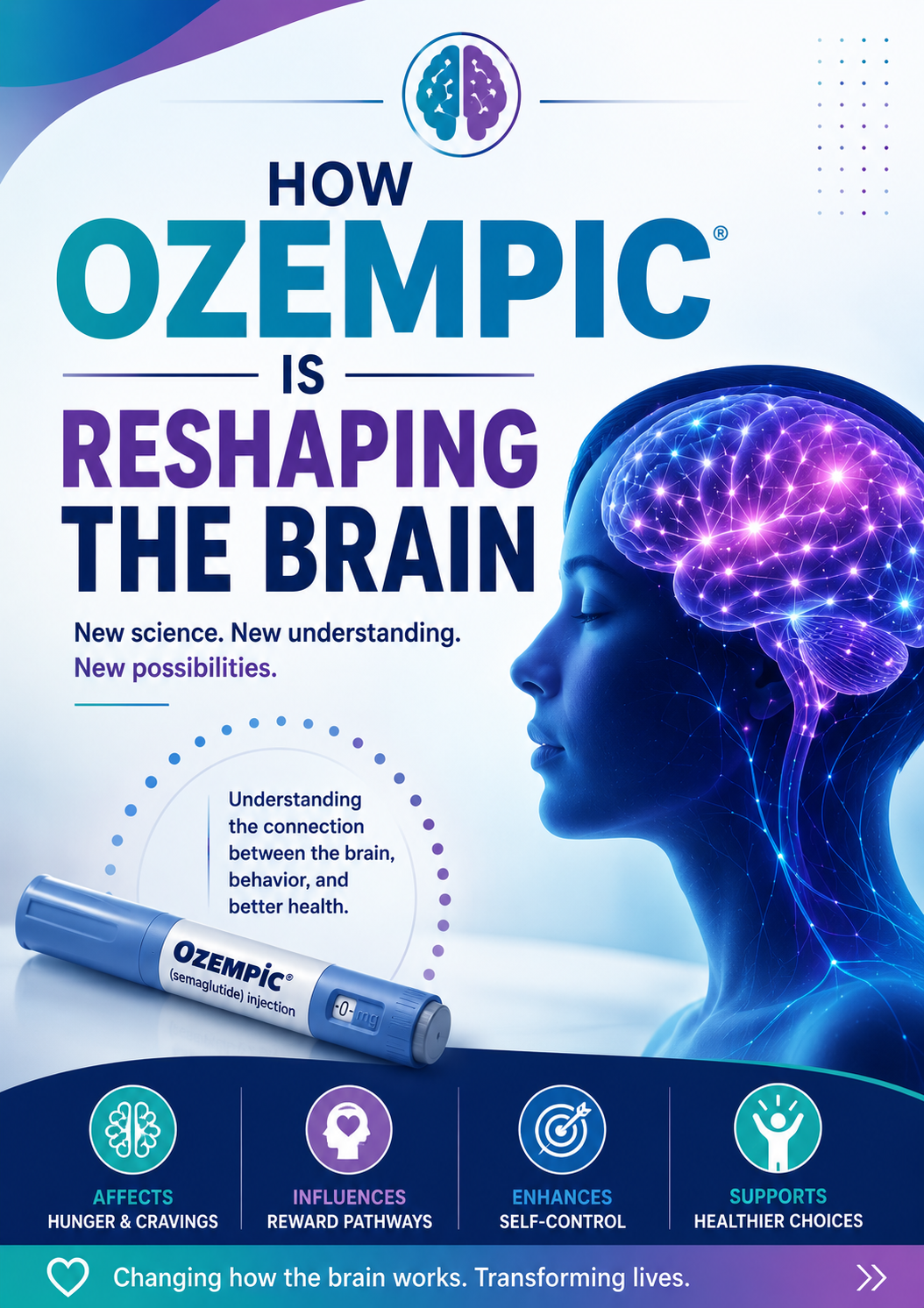
The growing popularity of Ozempic has sparked interest not only for its effectiveness in managing type 2 diabetes and promoting weight loss, but also for its surprising effects on the brain. As a GLP-1 receptor agonist, Ozempic works by mimicking a natural hormone that helps regulate blood sugar and appetite. Researchers are now discovering that the medication may also influence brain regions involved in reward, motivation, cravings, impulse control, and decision-making. Many individuals report reduced food cravings, less emotional eating, and even decreased interest in alcohol or other compulsive behaviors. These observations have led scientists to investigate how Ozempic may be reshaping the brain’s reward pathways and altering how people respond to pleasurable stimuli, opening new possibilities for understanding obesity, addiction, and behavioral health.
How Ozempic Is Reshaping the Brain
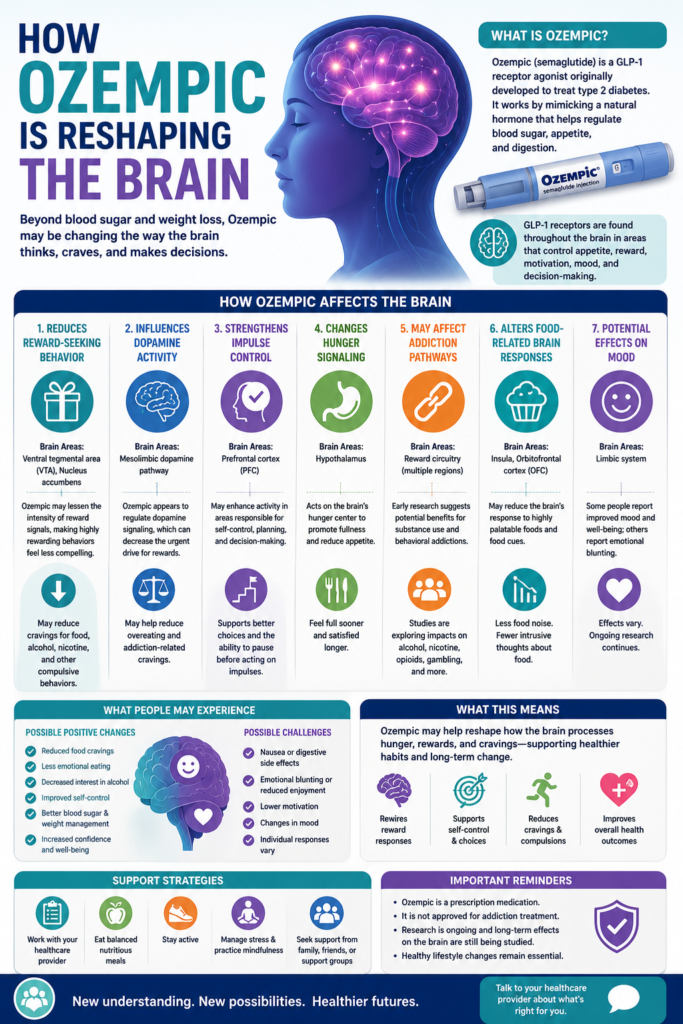
Originally developed to help manage type 2 diabetes, Ozempic has gained widespread attention for its effectiveness in promoting weight loss. However, researchers are discovering that its effects extend far beyond blood sugar control and appetite reduction. Ozempic belongs to a class of medications called GLP-1 receptor agonists, which mimic a naturally occurring hormone involved in regulating hunger, metabolism, and brain function. Emerging evidence suggests that Ozempic may influence the brain’s reward system, impulse control, motivation, and decision-making processes. These effects are leading scientists to explore whether the medication could potentially help treat conditions involving compulsive behaviors, addiction, and other disorders linked to reward pathways.
How Ozempic Affects the Brain
1. Reduces Reward-Seeking Behavior
The brain contains reward circuits that release dopamine when people engage in pleasurable activities such as eating, shopping, gambling, or substance use. Ozempic appears to reduce the intensity of these reward signals, making highly rewarding behaviors feel less compelling.
Many patients report:
- Reduced food cravings
- Less emotional eating
- Decreased interest in alcohol
- Reduced compulsive shopping
- Less preoccupation with rewards
Researchers believe this occurs because GLP-1 receptors are found in brain regions involved in reward processing.
2. Influences Dopamine Activity
Dopamine is often called the brain’s “motivation” or “reward” neurotransmitter. While Ozempic does not directly block dopamine, it appears to regulate dopamine signaling within reward pathways. This may reduce the powerful reinforcement that drives cravings and compulsive behaviors.
Rather than creating pleasure, the medication may make reward-seeking feel less urgent.
3. Strengthens Impulse Control
Some studies suggest GLP-1 medications may enhance activity in areas of the brain responsible for executive functioning, including:
- Self-control
- Decision-making
- Delayed gratification
- Planning
- Behavioral regulation
This could help individuals pause before acting on cravings or impulses.
4. Changes Hunger Signaling
Ozempic acts on the hypothalamus, a brain region responsible for regulating hunger and satiety. Patients often report feeling full sooner and remaining satisfied longer after eating.
These effects can reduce:
- Constant thoughts about food
- Binge eating behaviors
- Emotional eating patterns
- Obsessive food cravings
5. May Affect Addiction Pathways
Researchers are increasingly studying whether GLP-1 medications could help treat:
- Alcohol use disorder
- Nicotine dependence
- Opioid use disorder
- Gambling disorder
- Compulsive behaviors
Early findings suggest these medications may reduce cravings by influencing the same reward circuits involved in addiction. However, more research is needed before they become standard treatments for these conditions.
6. Alters Food-Related Brain Responses
Brain imaging studies suggest that individuals taking GLP-1 medications often show reduced activation in brain regions that respond to highly palatable foods.
This means:
- Food cues become less stimulating.
- Cravings may decrease.
- Thoughts about food may become less intrusive.
- Eating decisions may feel easier to manage.
7. Potential Effects on Mood and Mental Health
Some patients report improvements in:
- Confidence
- Emotional well-being
- Mood stability
Others report:
- Emotional flattening
- Reduced enjoyment of certain activities
- Lower motivation for previously rewarding experiences
Researchers are still investigating these mixed findings.
What Scientists Are Learning
Researchers now believe that GLP-1 medications affect a broader “brain-body communication network” than previously recognized. Rather than simply reducing appetite, these medications appear to influence how the brain evaluates rewards, motivation, and satisfaction.
This has led some scientists to describe GLP-1 medications as potentially reshaping:
- Craving mechanisms
- Reward processing
- Impulse control
- Habit formation
- Decision-making behaviors
Important Limitations
Although findings are promising:
- Research is still evolving.
- Not everyone experiences the same effects.
- Ozempic is not currently approved specifically for addiction treatment.
- Long-term effects on brain function remain under investigation.
- Behavioral therapies and recovery support remain essential components of addiction treatment.
Conclusion
Ozempic appears to influence far more than appetite and weight. By affecting brain regions involved in reward, motivation, cravings, and impulse control, the medication may be reshaping how individuals experience food and other rewarding behaviors. Researchers are actively studying whether these effects could eventually help treat addiction and compulsive disorders. While much remains to be learned, Ozempic is providing new insights into the complex relationship between the brain’s reward system, behavior, and overall health.
Self-Management Strategies for Understanding How Ozempic Is Reshaping the Brain
Understanding how Ozempic affects the brain can help individuals better manage expectations, monitor changes, and maximize the benefits of treatment. While Ozempic is primarily prescribed for type 2 diabetes and weight management, research suggests it may influence brain pathways involved in hunger, reward, cravings, and impulse control. The following self-management strategies can help individuals become active participants in their treatment journey.
1. Learn How Ozempic Works
Educate yourself about the medication’s effects on both the body and the brain. Understanding that Ozempic influences appetite regulation, reward pathways, and satiety signals can help explain why food cravings and eating habits may change during treatment.
2. Monitor Changes in Cravings
Keep a journal to track changes in:
- Food cravings
- Emotional eating
- Alcohol cravings
- Nicotine use
- Impulsive behaviors
- Shopping or reward-seeking habits
Monitoring patterns can help you recognize how the medication may be affecting your behavior and decision-making.
3. Practice Mindful Eating
Because Ozempic often reduces hunger signals, it is important to eat intentionally rather than relying solely on appetite cues. Focus on:
- Eating slowly
- Recognizing fullness
- Choosing nutrient-dense foods
- Avoiding distracted eating
Mindful eating helps strengthen healthy habits while supporting weight and metabolic goals.
4. Track Emotional Changes
Some individuals notice improvements in mood and self-confidence, while others report emotional blunting or reduced interest in previously enjoyable activities. Keep track of:
- Mood changes
- Motivation levels
- Emotional responses
- Social engagement
Discuss significant changes with your healthcare provider.
5. Understand the Difference Between Hunger and Habit
Ozempic may reduce physical hunger, but emotional or habitual eating patterns may still occur. Ask yourself:
- Am I physically hungry?
- Am I stressed, bored, or emotional?
- Is this a habit rather than a need?
Developing awareness can improve long-term behavior change.
6. Strengthen Healthy Reward Systems
As cravings decrease, it is helpful to replace unhealthy reward-seeking behaviors with healthier alternatives such as:
- Exercise
- Hobbies
- Social activities
- Creative projects
- Volunteering
- Spending time outdoors
These activities can provide satisfaction without relying on food or other compulsive behaviors.
7. Set Realistic Expectations
Ozempic affects people differently. Some individuals experience dramatic reductions in cravings, while others notice more subtle changes. Avoid comparing your experience to others and focus on your personal progress.
8. Monitor Impulse Control Improvements
Some individuals report better self-control and decision-making while taking Ozempic. Consider tracking:
- Food choices
- Spending habits
- Substance use urges
- Other impulsive behaviors
Recognizing positive changes can reinforce healthy habits.
9. Maintain Regular Physical Activity
Exercise supports both physical and brain health by:
- Improving mood
- Reducing stress
- Enhancing cognitive function
- Supporting weight management
- Increasing overall well-being
Regular activity complements the behavioral changes promoted by Ozempic.
10. Stay Connected With Healthcare Providers
Discuss any changes in:
- Appetite
- Mood
- Cravings
- Motivation
- Mental health symptoms
Healthcare providers can help determine whether changes are expected medication effects or require additional evaluation.
11. Continue Building Healthy Coping Skills
Although Ozempic may reduce cravings, it does not eliminate life’s stressors. Continue practicing:
- Stress management
- Problem-solving skills
- Healthy communication
- Emotional regulation techniques
- Recovery-oriented behaviors
These skills support lasting success beyond the effects of medication.
12. Be Aware of Potential Changes in Addiction Recovery
Some people report reduced cravings for alcohol, nicotine, or other substances while taking GLP-1 medications. However, Ozempic is not currently approved as an addiction treatment. Individuals in recovery should continue:
- Counseling
- Support groups
- Recovery programs
- Medication-assisted treatment when prescribed
Recovery support remains essential.
13. Focus on Long-Term Brain Health
Support healthy brain function by:
- Getting adequate sleep
- Eating a balanced diet
- Managing chronic stress
- Staying socially connected
- Limiting alcohol and substance use
- Following medical recommendations
These habits work alongside medication to promote overall wellness.
14. Celebrate Behavioral Progress
Success is not measured only by weight loss. Recognize improvements such as:
- Reduced cravings
- Better self-control
- Healthier food choices
- Increased confidence
- Improved energy
- Enhanced quality of life
Acknowledging progress helps maintain motivation.
Conclusion
Ozempic appears to influence brain pathways involved in hunger, reward, cravings, and impulse control, potentially reshaping how individuals respond to food and other rewarding behaviors. Through self-management strategies such as monitoring cravings, practicing mindful eating, tracking emotional changes, strengthening healthy coping skills, and maintaining ongoing communication with healthcare providers, individuals can better understand these brain-related effects and maximize the benefits of treatment. Combining medication with healthy lifestyle habits and self-awareness promotes long-term physical, emotional, and behavioral well-being.
Family Support Strategies for Understanding How Ozempic Is Reshaping the Brain
As research continues to explore how Ozempic affects the brain, many individuals and families are noticing changes that extend beyond weight loss and blood sugar control. Ozempic may influence hunger signals, reward pathways, cravings, impulse control, and decision-making processes. Family members can play an important role in helping loved ones understand these changes, adapt to new behaviors, and maintain a healthy, supportive environment during treatment.
1. Learn How Ozempic Affects the Brain
Families should educate themselves about the medication’s effects on appetite regulation and reward processing. Understanding that Ozempic may reduce cravings and alter responses to rewarding activities helps family members better understand behavioral changes that may occur during treatment.
2. Recognize That Changes Extend Beyond Weight Loss
Many people focus only on weight reduction, but some individuals also experience:
- Reduced food cravings
- Less emotional eating
- Changes in alcohol consumption
- Reduced impulsive behaviors
- Altered interest in certain activities
Families should understand that these changes may reflect the medication’s effects on brain reward pathways.
3. Encourage Open Communication
Create a safe environment where loved ones can discuss:
- Changes in appetite
- Emotional experiences
- Motivation levels
- Concerns about treatment
- Behavioral changes
Open communication helps identify concerns early and strengthens family support.
4. Avoid Judging Behavioral Changes
Some individuals may suddenly lose interest in foods, habits, or activities they previously enjoyed. Families should avoid criticism or assumptions and instead approach these changes with curiosity and understanding.
5. Support Healthy Eating Habits
Because Ozempic can significantly reduce hunger, family members can help by:
- Encouraging balanced meals
- Supporting adequate nutrition
- Promoting hydration
- Respecting reduced portion sizes
- Avoiding pressure to eat more than desired
Healthy nutrition remains important even when appetite decreases.
6. Understand Emotional Eating Patterns
Many individuals use food to cope with stress, anxiety, boredom, or sadness. As Ozempic reduces food cravings, families can help loved ones develop alternative coping strategies such as:
- Exercise
- Hobbies
- Mindfulness practices
- Social engagement
- Creative activities
7. Monitor Emotional Well-Being
While some individuals report improved mood and confidence, others may experience:
- Emotional flattening
- Reduced excitement
- Changes in motivation
Families should encourage discussions about emotional changes and support professional evaluation when needed.
8. Celebrate Non-Scale Victories
Recovery and health improvements involve more than weight loss. Families can acknowledge:
- Reduced cravings
- Improved self-control
- Better blood sugar management
- Increased energy
- Healthier lifestyle choices
- Enhanced self-confidence
Positive reinforcement helps maintain motivation.
9. Encourage Ongoing Medical Follow-Up
Families can support treatment success by encouraging:
- Regular healthcare appointments
- Medication adherence
- Monitoring of side effects
- Honest communication with providers
Healthcare professionals can help determine whether observed changes are expected medication effects.
10. Respect Individual Experiences
Not everyone responds to Ozempic in the same way. Some people experience dramatic changes in cravings and eating behaviors, while others notice only modest effects. Families should avoid comparisons and support each person’s unique experience.
11. Promote Healthy Reward Activities
Since Ozempic may alter how the brain responds to rewards, families can help identify healthy sources of enjoyment such as:
- Walking together
- Family outings
- Volunteer work
- Sports and recreation
- Arts and crafts
- Community involvement
These activities help build sustainable sources of satisfaction.
12. Support Individuals in Recovery
Some research suggests GLP-1 medications may reduce cravings for alcohol or other substances. However, Ozempic is not currently approved as an addiction treatment. Families should continue supporting:
- Counseling
- Recovery meetings
- Medication-assisted treatment
- Peer support services
- Relapse prevention plans
13. Encourage Stress Management
Stress can influence both eating behaviors and overall health. Families can encourage:
- Adequate sleep
- Relaxation techniques
- Physical activity
- Healthy routines
- Emotional support
Stress management supports both brain health and treatment success.
14. Be Patient With Lifestyle Adjustments
Changes in appetite, eating patterns, and reward-seeking behaviors can take time to adjust to. Family members should remain patient and supportive as loved ones develop new habits and routines.
15. Practice Self-Care as a Family
Families benefit when everyone prioritizes wellness. Healthy family practices may include:
- Balanced nutrition
- Regular exercise
- Open communication
- Shared activities
- Stress reduction techniques
A healthy family environment supports long-term success.
Conclusion
Ozempic’s effects on the brain may influence cravings, reward processing, appetite regulation, and impulse control, leading to changes that extend beyond weight management. Families can support loved ones by learning about these brain-related effects, encouraging open communication, promoting healthy coping skills, and celebrating progress beyond the scale. Through education, patience, and ongoing support, families can help individuals successfully adapt to these changes while promoting overall health, wellness, and long-term treatment success.
Community Resource Strategies for Understanding How Ozempic Is Reshaping the Brain
As research continues to explore how Ozempic affects the brain, communities have an important role in helping individuals understand the medication’s impact on appetite regulation, reward pathways, cravings, impulse control, and behavior. Community resources can provide education, support, and access to healthcare professionals who help patients make informed decisions about treatment. These resources can also reduce misinformation and promote healthy lifestyle changes that complement medication use.
1. Utilize Community Health Education Programs
Community health organizations often offer educational workshops that explain how medications like Ozempic work. These programs can help individuals understand the relationship between brain function, hunger signals, reward systems, and weight management.
2. Attend Public Health Seminars
Hospitals, universities, and healthcare organizations frequently host seminars on obesity, diabetes, metabolic health, and emerging treatments. These events can provide evidence-based insights into how GLP-1 medications affect both the body and the brain.
3. Access Community Wellness Centers
Wellness centers often provide nutrition counseling, exercise programs, and behavioral health support. These services help individuals adapt to changes in appetite, eating behaviors, and lifestyle habits that may occur while taking Ozempic.
4. Participate in Weight Management Support Groups
Community-based support groups allow individuals to discuss their experiences with Ozempic and other weight-management treatments. Participants can learn coping strategies, share challenges, and gain insight into behavioral changes they may experience during treatment.
5. Utilize Behavioral Health Services
Since Ozempic may influence reward processing and cravings, behavioral health professionals can help individuals understand emotional and psychological changes that may occur. Counseling services can support healthy coping skills and long-term behavior change.
6. Promote Accurate Health Information
Community organizations can help combat misinformation by providing evidence-based educational materials about:
- GLP-1 medications
- Appetite regulation
- Brain reward systems
- Weight management
- Healthy lifestyle practices
Reliable information helps individuals make informed healthcare decisions.
7. Encourage Nutrition Education Programs
Registered dietitians and nutrition programs can help individuals understand how reduced hunger affects dietary needs. Community nutrition education promotes balanced eating habits and ensures adequate nutrient intake despite decreased appetite.
8. Support Physical Activity Initiatives
Exercise programs offered through community centers, parks, and recreational organizations support overall brain and physical health. Regular physical activity complements the effects of Ozempic by improving mood, reducing stress, and enhancing metabolic health.
9. Utilize Peer Support Networks
Individuals often benefit from connecting with others who have experience using GLP-1 medications. Peer support groups provide opportunities to discuss:
- Appetite changes
- Craving reductions
- Emotional adjustments
- Lifestyle modifications
- Treatment expectations
10. Collaborate With Healthcare Providers
Community organizations can partner with physicians, pharmacists, dietitians, and behavioral health specialists to provide educational presentations and question-and-answer sessions regarding Ozempic and its effects on brain function.
11. Address Mental Health Concerns
Some individuals report emotional changes while taking Ozempic. Communities can improve access to:
- Mental health counseling
- Stress management programs
- Support groups
- Crisis resources
- Wellness coaching
These services help individuals navigate emotional adjustments that may occur during treatment.
12. Promote Healthy Alternative Reward Systems
As cravings and reward-seeking behaviors change, communities can encourage participation in:
- Volunteer activities
- Recreational sports
- Arts and crafts programs
- Community events
- Educational classes
- Social clubs
These activities provide positive sources of enjoyment and fulfillment.
13. Support Addiction Recovery Services
Researchers are exploring whether GLP-1 medications may influence cravings related to alcohol and other substances. Communities should continue supporting evidence-based recovery resources such as:
- Recovery support groups
- Counseling services
- Peer recovery programs
- Medication-assisted treatment programs
- Relapse prevention education
14. Encourage Health Literacy Programs
Health literacy initiatives help individuals understand medical terminology, treatment options, medication risks and benefits, and scientific findings. Increased health literacy allows patients to participate more actively in healthcare decisions.
15. Advocate for Continued Research and Public Awareness
Community organizations can support research efforts and public education campaigns that explore the effects of GLP-1 medications on brain function, behavior, obesity, diabetes, and addiction-related pathways. Continued research will help clarify the long-term implications of these treatments.
Conclusion
Community resources play a vital role in helping individuals understand how Ozempic may reshape the brain by influencing hunger, reward processing, cravings, impulse control, and behavior. Through health education programs, wellness centers, behavioral health services, peer support networks, nutrition counseling, and community outreach initiatives, individuals can gain a better understanding of the medication’s effects and learn strategies to support long-term health. By fostering education, collaboration, and evidence-based support, communities can help individuals make informed decisions and successfully adapt to the physical and behavioral changes associated with Ozempic therapy.
Frequently Asked Questions
Here are some common questions:
1. What is Ozempic?
Answer: Ozempic is a prescription medication containing semaglutide, a GLP-1 receptor agonist. It was originally developed to help manage type 2 diabetes and is also widely used for weight management.
2. How does Ozempic affect the brain?
Answer: Ozempic activates GLP-1 receptors in several brain regions involved in appetite regulation, reward processing, motivation, decision-making, and impulse control. This may influence how people experience hunger, cravings, and rewarding behaviors.
3. Is Ozempic only affecting appetite?
Answer: No. While Ozempic is well known for reducing appetite, research suggests it may also affect reward pathways, food cravings, impulse control, and possibly other behaviors linked to dopamine and motivation.
4. What are GLP-1 receptors?
Answer: GLP-1 receptors are proteins located throughout the body and brain that respond to the hormone glucagon-like peptide-1. They help regulate blood sugar, digestion, hunger, and certain brain functions.
5. Why do people report fewer food cravings on Ozempic?
Answer: Ozempic appears to reduce activity in brain regions that respond to highly rewarding foods. This may make food cues less stimulating and decrease the intensity of cravings.
6. Does Ozempic affect dopamine?
Answer: Research suggests Ozempic may indirectly influence dopamine signaling within the brain’s reward system. This may reduce the urge to seek rewarding experiences such as overeating or other compulsive behaviors.
7. Can Ozempic reduce emotional eating?
Answer: Many individuals report less emotional eating while taking Ozempic. Reduced cravings and changes in reward processing may make it easier to distinguish emotional urges from physical hunger.
8. Does Ozempic improve impulse control?
Answer: Some researchers believe GLP-1 medications may influence brain regions involved in self-control and decision-making, potentially helping individuals make healthier choices and resist impulses more effectively.
9. Why do some people say there is less “food noise”?
Answer: “Food noise” refers to persistent thoughts about food, eating, or cravings. Many Ozempic users report fewer intrusive food-related thoughts and less mental preoccupation with eating.
10. Can Ozempic affect alcohol cravings?
Answer: Some patients have reported reduced interest in alcohol while taking Ozempic. Researchers are actively studying whether GLP-1 medications may help reduce cravings for alcohol and other substances.
11. Could Ozempic help treat addiction?
Answer: Researchers are investigating whether GLP-1 medications may help reduce cravings associated with addiction. However, Ozempic is not currently approved as a treatment for substance use disorders.
12. Does Ozempic change the brain permanently?
Answer: At this time, there is no evidence that Ozempic permanently changes brain structure. Most current research focuses on how the medication influences brain activity and behavior during use.
13. Can Ozempic affect mood?
Answer: Some individuals report improved mood, confidence, and emotional well-being. Others report emotional flattening or reduced excitement about previously enjoyable activities. Experiences vary among individuals.
14. Why do some people lose interest in certain rewards?
Answer: Ozempic may reduce the intensity of reward signaling in the brain. As a result, activities or foods that previously felt highly rewarding may become less compelling.
15. Does Ozempic affect motivation?
Answer: Some individuals report increased motivation due to improved health and weight loss, while others report reduced interest in certain activities. Researchers are still studying these effects.
16. What brain areas may be affected by Ozempic?
Answer: Research suggests Ozempic may influence areas involved in:
- Appetite regulation (hypothalamus)
- Reward processing
- Motivation
- Decision-making
- Self-control
- Emotional regulation
17. Does Ozempic affect binge eating?
Answer: Some studies and patient reports suggest Ozempic may reduce binge eating behaviors by decreasing hunger, cravings, and food-related reward responses.
18. Is Ozempic changing behavior or simply reducing hunger?
Answer: It may be doing both. Researchers believe Ozempic not only reduces hunger signals but also affects brain circuits involved in cravings, reward, and behavioral decision-making.
19. Can Ozempic affect other compulsive behaviors?
Answer: Some individuals report reductions in compulsive shopping, gambling urges, or alcohol use. However, more research is needed to determine whether these effects are directly caused by the medication.
20. Are all patients affected the same way?
Answer: No. Responses vary based on genetics, biology, mental health, lifestyle, and individual brain chemistry. Some people experience dramatic changes, while others notice more subtle effects.
21. What are researchers most interested in studying?
Answer: Researchers are exploring how GLP-1 medications influence:
- Reward pathways
- Addiction mechanisms
- Cravings
- Obesity
- Eating behaviors
- Impulse control
- Mental health outcomes
22. Does Ozempic replace healthy habits?
Answer: No. Healthy eating, physical activity, stress management, sleep, and behavioral changes remain essential components of long-term health and weight management.
23. Should patients monitor emotional and behavioral changes?
Answer: Yes. Tracking changes in cravings, eating habits, mood, motivation, and behaviors can help individuals understand how the medication is affecting them and provide useful information to healthcare providers.
24. What is the most important thing to understand about Ozempic and the brain?
Answer: Ozempic appears to affect much more than appetite. By influencing brain pathways involved in hunger, reward, cravings, and self-control, it may change how individuals think about food and other rewarding behaviors. While research is ongoing, these discoveries are providing new insights into obesity, addiction, and the complex relationship between the brain and behavior.
Conclusion
The emerging research on Ozempic suggests that its effects extend far beyond appetite suppression and weight management. By influencing brain pathways involved in hunger, reward processing, cravings, and self-control, the medication may help reshape behaviors that contribute to overeating and other compulsive habits. While scientists continue to study the long-term impact of GLP-1 medications on brain function, current findings suggest that Ozempic may offer valuable insights into the relationship among metabolism, behavior, and mental health. As research evolves, a better understanding of these brain-related effects may lead to new treatment approaches for obesity, addiction, and other conditions driven by disrupted reward systems.
Video: Ozempic’s Hidden Brain Effect Nobody Expects #ozempic #brainchanges #health