If you’ve ever found yourself reaching for snacks even after a full meal, you’re not alone. Cravings are one of the trickiest hurdles when it comes to eating well. Out of all the foods out there, one type in particular keeps popping up in research for its ability to reduce cravings and help people feel full longer: eggs. I’m excited to break down why eggs may be a really handy food in the battle against unwanted snack attacks, plus a bunch of practical tips for working them into your daily routine.
Why Eggs Stand Out for Reducing Cravings
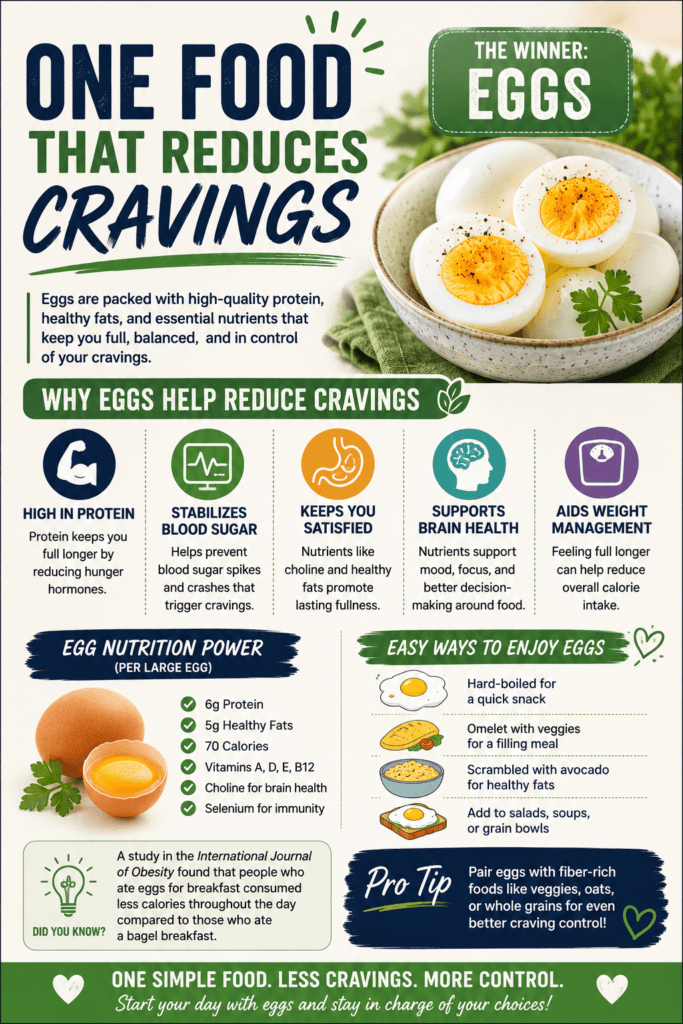
Eggs have a reputation for being both super filling and pretty nutritious. But what really makes them worth checking out for cravings goes beyond the usual nutrition label. Eggs are packed with high-quality protein, offer a mix of vitamins and minerals, and they’re easy to whip up for breakfast, lunch, or even a late-night snack.
One of the biggest reasons I’m a fan of eggs for taming cravings is the way their protein keeps you satisfied. Several studies, including research published in journals like Appetite, show that people who eat eggs for breakfast often eat less throughout the day. This isn’t just about calories. When you feel full, you’re much less likely to graze between meals or give in to sugar highs and crashes.
Historically, eggs were seen as a basic breakfast staple, but they’ve become a go-to for athletes, busy parents, and folks looking for simple, whole-food solutions. Their accessibility and versatility make them an easy swap in many different meal plans. Plus, eggs are budget-friendly, so you don’t have to worry about breaking the bank as you step up your nutrition.
Understanding Cravings and Their Triggers
Cravings usually show up when your body feels deprived, your energy dips, or emotions run high. While plenty of foods can offer quick fixes, not all options satisfy your hunger or keep your energy stable. Low-protein breakfasts or meals that spike blood sugar (like sweet cereals, pastries, or white toast) tend to trigger cravings more quickly.
Eggs help change that cycle. The protein and healthy fats in eggs slow down the rate at which your body digests other food, creating longer stretches before hunger strikes again. Researchers at Mayo Clinic have noted that including protein-rich foods, especially in the morning, helps curb mid-morning or late-night snacking.
Here are some common triggers for cravings:
- Lack of Protein: Not eating enough protein at meals can leave you hungry quickly.
- Unstable Blood Sugar: Simple carbs cause quick energy spikes followed by crashes, bringing on hunger again.
- Emotional Stress: People often turn to snacking when anxious, tired, or bored.
Starting the day with eggs is one way to create a steady energy base, tackling more than just hunger. For those who tend to get hungry during work or school, adding eggs to your morning meal can help you stay focused and satisfied until your next main meal. Steady energy and fewer distractions from cravings can set you up for a better, more productive day.
How to Add Eggs to Your Day Without Getting Bored
One of my favorite things about eggs is how flexible they are. You can boil them, scramble them, bake them, or tuck them into salads and wraps. Even the pickiest eaters usually find an egg dish that fits their tastes. Here are a few ways I mix up my egg routine so it never feels repetitive:
- Hardboiled Eggs: Quick to prep in batches, super portable, and easy to add to lunch boxes.
- Omelets Loaded with Veggies: You can easily use up whatever is in your fridge while packing in nutrients.
- Egg Muffins: Like mini frittatas baked in a muffin tin for grab-and-go breakfasts.
- Poached Eggs on Wholegrain Toast: A simple but filling meal, especially with avocado or greens.
Variety goes a long way toward keeping things interesting. You can experiment with flavors from different cuisines—think eggs with salsa for a quick Mexican-style breakfast or hard-boiled eggs with a sprinkle of curry powder. Changing up presentation with different herbs, spices, and veggies can give a plain egg plate a next-level cool vibe. If you want more ideas, this list of egg recipes is a great resource. For special occasions, try making shakshuka (eggs poached in spicy tomato sauce) or a spinach-and-feta crustless quiche.
Tips for Using Eggs to Tame Cravings
- Eat Eggs Early in the Day: Protein at breakfast sets the tone for fewer cravings later. Try a veggie omelet, scrambled eggs, or egg muffins before heading out.
- Balance Your Plate: Pair eggs with fiber-rich foods like leafy greens, tomatoes, or whole grains. This mix helps digestion and fullness.
- Keep Healthy Snacks Handy: Sometimes cravings come at weird times. Having some hard-boiled eggs in the fridge means something quick and filling is always close by.
- Watch the Extras: Skip loading eggs with processed meats or heavy cheeses every time. Try herbs, veggies, or salsa for extra flavor instead.
- Pay Attention to Portion Size: Most people do great with two eggs per meal, but listen to your body and adjust as needed.
These tweaks really do make a difference in keeping cravings in check. For more tips, Harvard School of Public Health has a handy protein guide. Remember, consistency is key, so keeping eggs as a regular feature in your meal plan can help you build healthy habits over time.
Things You Might Want to Think About Before Making Eggs a Staple
Eggs are super useful for many people, but like any food, there are some things worth considering:
- Cholesterol: It used to be said that eggs were off-limits because of cholesterol, but more recent research shows they’re generally fine for most healthy people when eaten in moderation. If you have a specific medical condition, it’s smart to check in with your doctor before switching things up.
- Food Allergies: Eggs are a common allergen, especially in children. If you’ve had reactions or allergy issues before, eggs might not be your best option for reducing cravings.
- How They’re Cooked: Fried eggs in lots of butter or oil won’t have the same positive impact as poached, boiled, or cooked with just a little healthy fat. Cooking methods matter here.
The key is to listen to your body and make changes that fit your health needs and goals. There are always other options if eggs don’t work with your lifestyle. In addition, people following plant-based or vegan diets might want to look for protein-rich, craving-reducing foods that fit their dietary preferences, such as tofu, tempeh, or legumes. Many of these foods can play a similar role in working against cravings.
Cholesterol
For years, eggs got a bad rap because of cholesterol content; about 186 mg in a large egg. Harvard T.H. Chan School of Public Health. If you have heart disease or diabetes, your doctor may offer more personalized guidance.
Allergies
If you notice symptoms such as hives, swelling, or difficulty breathing after eating eggs, be on the safe side and avoid them. Allergies can be serious, especially in young children.
Cooking Method
Baking or boiling eggs uses less added fat than frying or scrambling them in lots of oil. Precise cooking can help make eggs a healthier choice.
Cooking, storage, and safety are also super important. Storing eggs in the fridge and cooking them thoroughly helps avoid issues with bacteria like Salmonella. Make sure to cook eggs until both the white and yolk are firm, and use clean utensils and surfaces to reduce risk. Always check the expiration date on the carton and use eggs before their best-by date.
Other Foods That Work Alongside Eggs to Control Cravings
I find eggs work even better when paired with certain other foods that add fiber and keep you full. Some of my favorite combo foods include:
- Avocado—healthy fats that are very satisfying
- Leafy greens—add fiber without many calories
- Whole grains like oats or whole wheat toast—steady energy
- Greek yogurt—also high in protein and super creamy
- Berries—add some natural sweetness and more fiber
Getting variety in your meals is really important for feeling satisfied and for helping prevent giving in to less healthy snacks. Mixing in some vegetables or legumes can boost the nutritional value of your meals and help you stay full longer. For instance, try making a lunch bowl with eggs, brown rice, black beans, and salsa, or whip up a breakfast parfait with Greek yogurt, berries, chopped hard-boiled eggs, and a sprinkle of nuts.
Frequently Asked Questions
These are some of the most common things people ask about using eggs to reduce cravings:
Question: Can I eat eggs every day and still be healthy?
Answer: For most people, eating up to two eggs a day is safe and fits within a balanced diet. If you have any special health concerns, talking with your doctor makes sense.
Question: What if I don’t like eggs? Are there other foods that help reduce cravings?
Answer: Absolutely. Greek yogurt, cottage cheese, lentils, and lean meats all offer similar craving-busting effects because they’re high in protein and filling. Chickpeas, nuts, and even some protein bars can also help fight off hunger.
Question: Do eggs help with weight loss?
Answer: They can, especially if they replace high-calorie, low-protein foods at breakfast or snacks.
Key Takeaways
Eggs are a handy, versatile food for reducing cravings. Their combination of high-quality protein, vitamins, and staying power means you’re likely to feel satisfied for hours. Mixing in other fiber-rich or protein-packed foods can help even more. As always, consider your health situation and get creative in the kitchen for the best results.
Strong, steady energy and fewer cravings don’t have to be complicated. With eggs on hand, making smart food choices feels a lot easier, and you might just stumble upon some new favorites as you check out different recipes and combos that suit your taste.
Video: High-Protein Breakfast That Actually Works #eggs #cravings #nutrition